Kibbeh.
Lebanese Stuffed Bulgur and Lamb Croquettes
كبة مقلية · Kibbeh maqliyeh · say it: KIB-beh mak-LEE-yeh
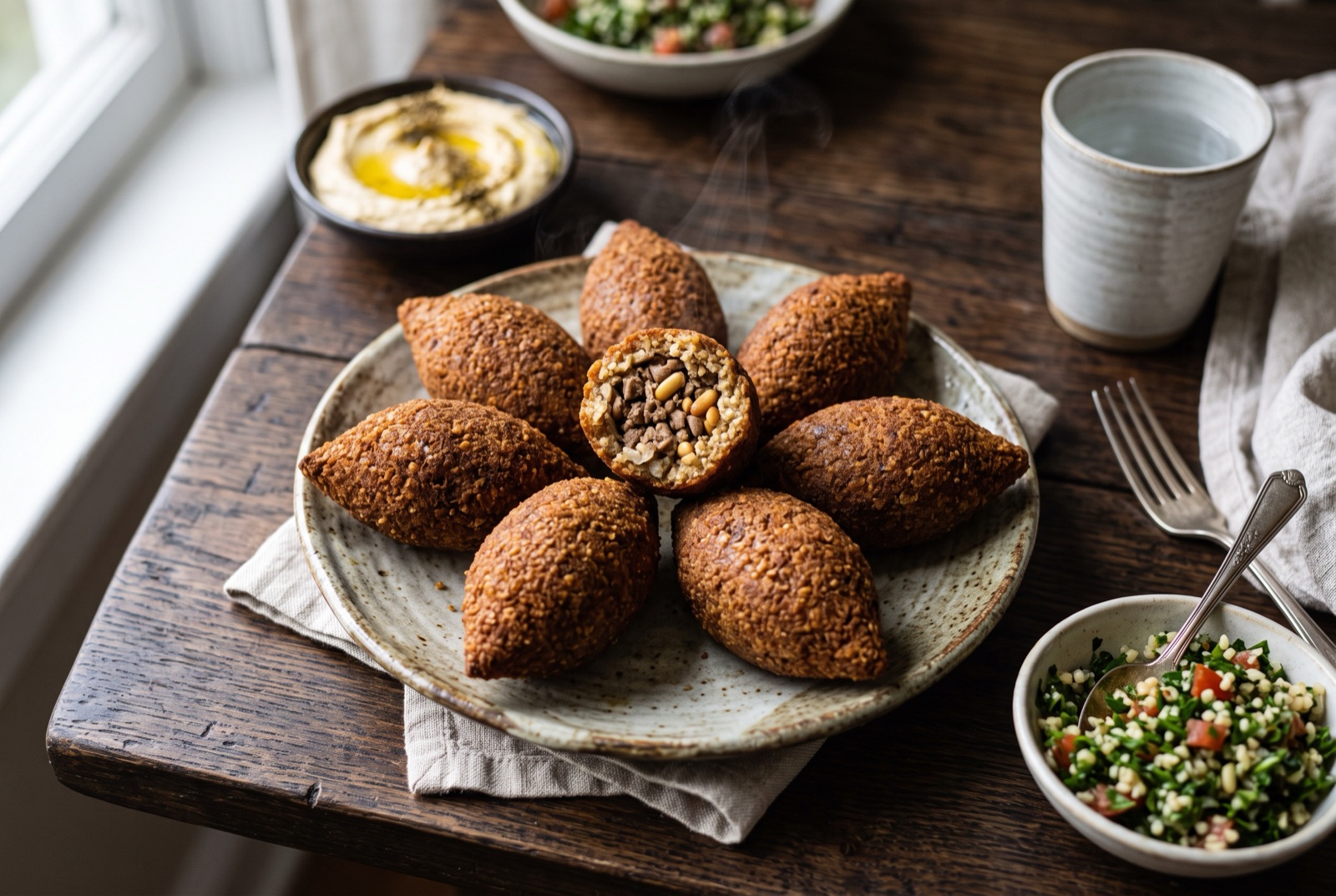
Kibbeh is a shell and a filling. The shell is raw lean lamb pounded with fine bulgur, grated onion and warm spice until it turns into a smooth, slightly tacky dough; the filling — hashweh — is coarser lamb browned with onion, pine nuts, allspice and cinnamon. You wet your hands, hollow out a ball of the dough into a thin cup, spoon in the filling, seal it into a pointed torpedo and fry it. The result is crisp and faintly nutty outside, dense and meaty just under the crust, and juicy at the centre. It is fiddly the first three times and then it clicks, which is exactly why Lebanese cooks measure each other by it.

- Gate
- LebanonMount Lebanon and the Beqaa
- Prep
- 50 min
- Cook
- 25 min
- Total time
- 2 hr 15 min incl. 1 hr rest
- Serves
- 4
- Status
- Takes skill
- Nutrition / serving · estimated
- Calories 640 kcal
- Protein 40 g
- Carbs 46 g
- Fat 32 g
- Fiber 8 g
- Sodium 890 mg
Why this recipe works.
- Uses very lean lamb and fine #1 bulgur — the two variables that decide whether the shell binds or crumbles in the oil.
- Chills the paste before shaping, which is the single fix for kibbeh that cracks while you are moulding it.
- Gives you the wet-hands technique step by step, including how to judge shell thickness by feel rather than by eye.
- Honest about origin: kibbeh is Levantine common property, and this is the Lebanese fried version of it.
Ingredients.
17 itemsFor the shell
For the filling
To fry
Equipment
- Food processor
- Deep, heavy pan or fryer
- Slotted spoon
- Thermometer
Instructions.
Hydrate the bulgur
Rinse the fine bulgur in a sieve under cold water, then tip it into a bowl and cover with cold water by two fingers. Leave 20 minutes, until a grain crushes to paste between your fingers with no hard core, then drain and squeeze it dry in handfuls — it should feel damp, never wet.
Cook the filling
Warm the olive oil in a frying pan and fry the pine nuts for a minute until pale gold, then lift them out. Add the diced onion and cook until soft and translucent, add the coarse lamb and break it up, and cook until no pink remains and the fat sizzles clear. Stir in the allspice, cinnamon, pomegranate molasses if using, salt and pepper, return the pine nuts, and spread it on a plate to cool completely.
Tip The filling must be cold before it goes into the shell. Warm filling makes steam, and steam splits kibbeh in the fryer.
Make the shell paste
Blitz the chopped onion in a food processor to a wet pulp, add the cubed lean lamb and process to a smooth, sticky paste. Add the drained bulgur, salt, allspice, cinnamon and pepper, and process again in bursts, trickling in ice water a tablespoon at a time, until the mixture clears the sides in one mass and feels like soft modelling clay.
Tip Process in two batches if your machine strains. Overloaded blades warm the meat, and warm paste turns greasy.
Chill the paste
Scrape the paste into a bowl, press cling film onto the surface and refrigerate for 30 minutes. It firms up and stops sticking, which is the difference between shaping kibbeh and fighting it.
Shape the torpedoes
Set a bowl of iced salted water beside you. Wet your hands, roll a golf-ball of paste, then push your index finger into it and rotate, thinning the walls to about 5 mm until you have a hollow cup 7–8 cm deep. Spoon in a heaped teaspoon of cold filling, pinch the opening shut, and roll the parcel between wet palms into a lemon shape with a point at each end. Repeat — you should get about 16.
Tip If a wall tears, wet a fingertip and smear the paste closed like clay. Patched kibbeh fries perfectly; unpatched kibbeh does not.
Rest cold, then fry
Chill the shaped kibbeh on a tray for 20 minutes. Heat the frying oil to 170–175°C and fry in batches of four or five for 5–6 minutes, turning, until deep mahogany brown and firm to the tap of a spoon. Do not crowd the pan — the temperature drops and the shells soak up oil.
Drain and serve hot
Lift the kibbeh onto a rack set over kitchen paper rather than straight onto paper, so the underside stays crisp. Rest 3 minutes, then serve hot with yoghurt, lemon wedges and a sharp salad.
Tips from our kitchen.
- Fine bulgur (#1) only. Coarse bulgur never softens into a paste and leaves the shell gritty and prone to splitting.
- The lamb must be lean — leg or shoulder trimmed hard. Fat in the shell melts in the fryer and blows holes in the crust.
- Keep a bowl of iced, lightly salted water beside you and re-wet your hands before every single kibbeh. Dry hands tear the shell.
- Chill the shaped kibbeh for 20 minutes before frying. Cold, firm shells hold their shape and absorb noticeably less oil.
- Fry at 170–175°C. Hotter and the crust darkens before the raw shell cooks through; cooler and they drink oil and go heavy.
- Freeze them raw on a tray, then bag them. They fry straight from frozen at 165°C and are the reason Lebanese freezers always have a stash.
Substitutions.
- Lean lamb → Lean beef (top round or sirloin), or half lamb and half beef
- Beef gives a milder shell and is common in Lebanese homes. Whatever you use, it must be trimmed of all visible fat and sinew.
- Pine nuts → Slivered almonds or chopped walnuts
- Pine nuts are traditional and expensive. Almonds toast to a similar crunch; walnuts are used in parts of the north and taste more assertive.
- Allspice and cinnamon → 2 tsp Lebanese seven-spice (baharat)
- Seven-spice is the shortcut most cooks actually use. If you buy one Levantine blend, make it this one.
Variations.
- Kibbeh bil sanieh
- Half the shell paste pressed into an oiled tray, the filling spread over it, the rest smoothed on top, scored into diamonds, drizzled with olive oil and baked at 200°C for about 40 minutes. All the flavour, none of the shaping.
- Kibbeh nayyeh
- The raw Sunday version: the shell paste alone, no filling, spread on a plate, pressed with the back of a spoon, flooded with olive oil and eaten with mint and raw onion. Only worth making with meat from a butcher you trust that day.
- Kibbeh bi labneh
- Fried kibbeh dropped into hot stabilised yoghurt sauce with garlic and dried mint, and served in bowls with rice. A cold-weather dish and a good use for kibbeh from the freezer.
Storage & reheating.
Fried kibbeh keeps 3 days refrigerated and reheats best in a 190°C oven for 8–10 minutes, which brings the crust back; a microwave turns it into a soft, sad dumpling. Raw shaped kibbeh freezes superbly for 3 months — freeze on a tray until solid, then bag, and fry from frozen at 165°C for about 8 minutes. The shell paste itself can be made a day ahead and kept covered in the fridge, but do not freeze it uncooked and unshaped: it weeps water on thawing and stops binding.
Serve with
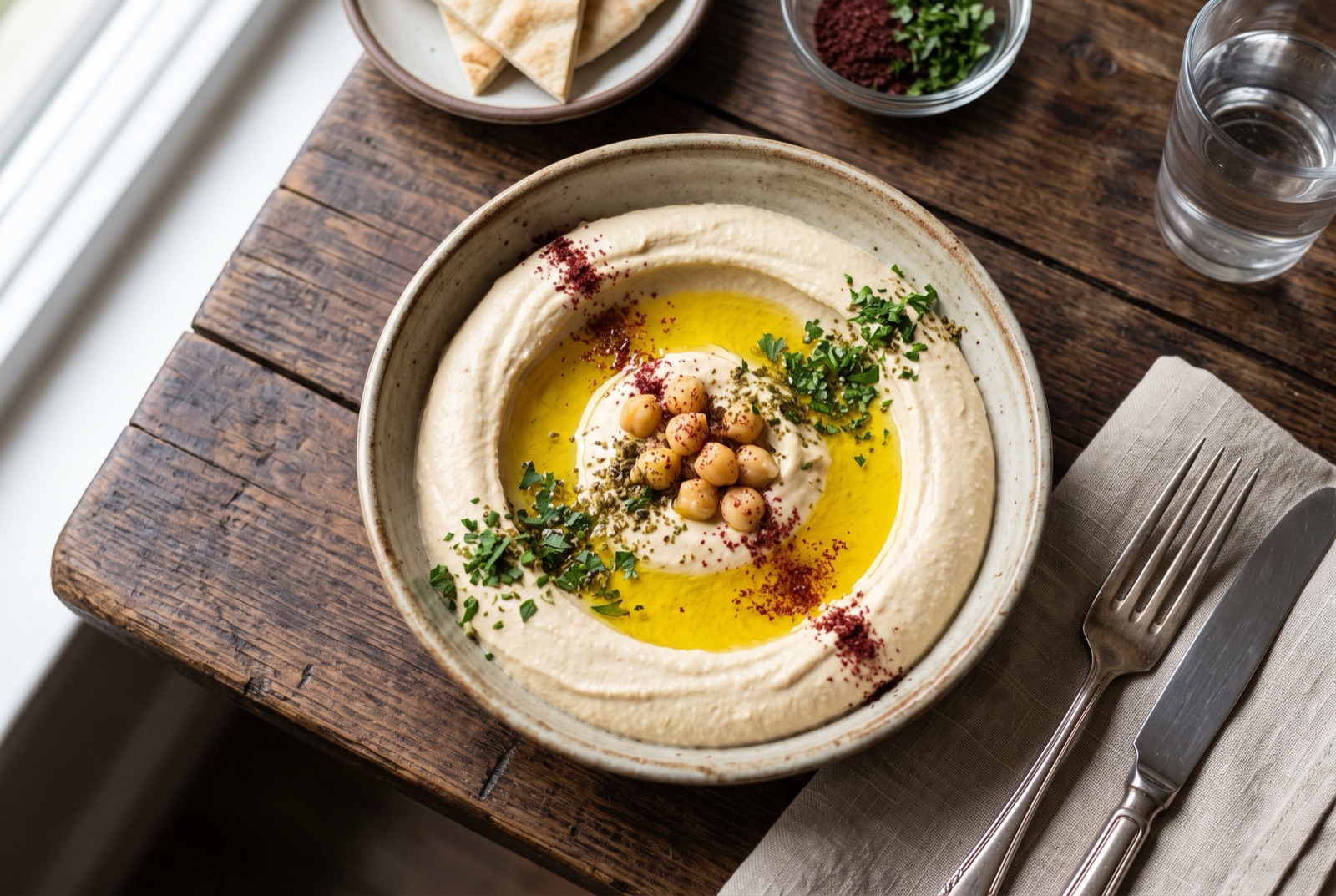
Plain yoghurt or labneh, a bowl of hummus, and a tomato-heavy salad — kibbeh is rich and wants something sour on the same plate.
The story behind Kibbeh.
Kibbeh is the dish Lebanon puts forward as its national plate, and also a dish nobody in the region will concede. Variants of pounded grain-and-meat paste run across the whole Levant and beyond it: Syria makes dozens of shapes and claims Aleppo as the capital of the form, Iraq has kubba, Turkey has içli köfte, Armenians make kufta, and communities in Brazil and Mexico brought it with them as quibe and kibi. The honest position is that kibbeh belongs to a shared Levantine culinary region rather than to one modern border, and that Lebanon simply made it central to its national self-image in a way its neighbours did not.
What is distinctly Lebanese is the ritual around it. The paste was traditionally pounded in a jurn, a heavy stone mortar, with a wooden pestle — a job that took two people and a lot of forearm, and that older cooks still describe by its sound rather than its duration. Village kitchens turned the same paste into several dishes: kibbeh nayyeh, served raw with olive oil and mint on Sunday tables; kibbeh bil sanieh, layered in a tray, scored into diamonds and baked; kibbeh bi labneh, poached in warm yoghurt. The fried torpedo is the travelling version — the one that fills mezze tables, bakery counters and every family freezer in the country.
Announcing that you are making kibbeh at home still functions as a small statement of intent. The shaping is the whole skill: too thick and the shell is stodgy, too thin and it splits in the oil, and every Lebanese grandmother has a strong opinion about the correct thickness delivered without being asked. A food processor does the pounding now, and no one who has used a jurn is nostalgic about it.
Questions, answered.
Why does my kibbeh crack while I am shaping it?
Almost always because the paste is too dry or too warm. Fine bulgur keeps absorbing moisture, so knead in ice water a tablespoon at a time until the paste feels like soft modelling clay, then chill it for 30 minutes. Re-wet your hands before every piece — dry hands drag on the surface and open seams.
Why did my kibbeh burst open in the fryer?
Either the seam was not fully sealed, the shell was too thin in one spot, or the filling was still warm and steamed inside the shell. Cool the filling completely, pinch and smooth every seam with a wet finger, and chill the shaped kibbeh for 20 minutes before it goes into the oil.
Can I bake kibbeh instead of frying it?
You can, and many people do. Brush the shaped torpedoes generously with olive oil and bake at 200°C for 25–30 minutes, turning once. They come out drier and paler than fried ones, with a crust that is more crisp-skinned than shattering. If you want the baked route to taste its best, make kibbeh bil sanieh in a tray instead — that dish is designed for the oven.
What kind of bulgur do I need and can I use something else?
You need fine bulgur, sold as #1 or "extra fine" in Middle Eastern shops. It hydrates in cold water in about 20 minutes and grinds into a paste. Coarse bulgur (#3, the tabbouleh and pilaf grade) will not work — the shell stays gritty and falls apart. Couscous and cracked wheat are not substitutes; they behave completely differently.
Is kibbeh Lebanese, Syrian or something else?
It is Levantine, and the claim is genuinely shared. Syria, Lebanon, Palestine, Jordan and Iraq all have deep-rooted kibbeh traditions, Turkey has içli köfte and Armenia has its own line of the same technique. Lebanon treats kibbeh as its national dish, which is a statement about national identity rather than about who invented it. The fried torpedo described here is the version most associated with Lebanese tables.
You might also like.
All recipes →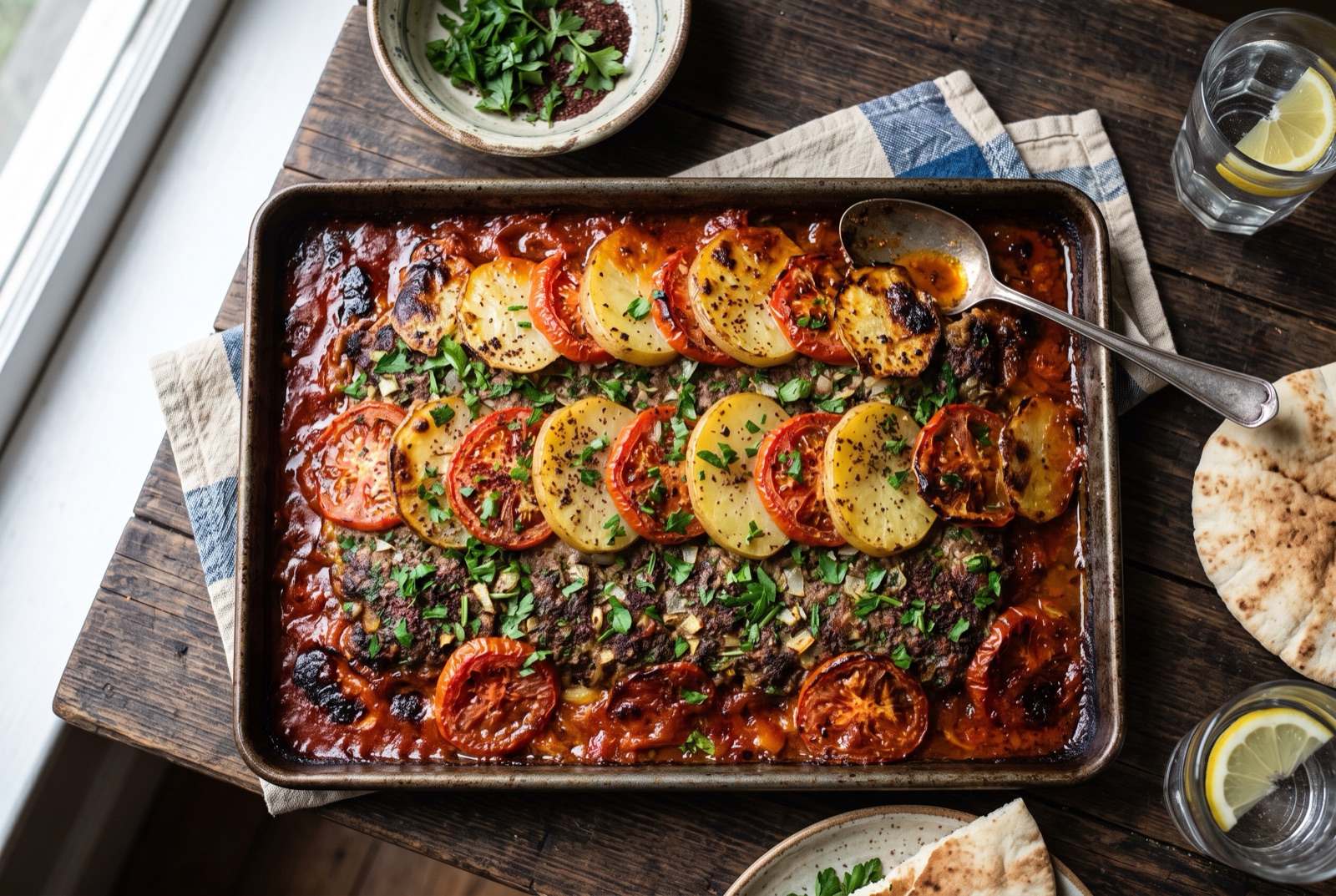
Keep exploring Lebanon.
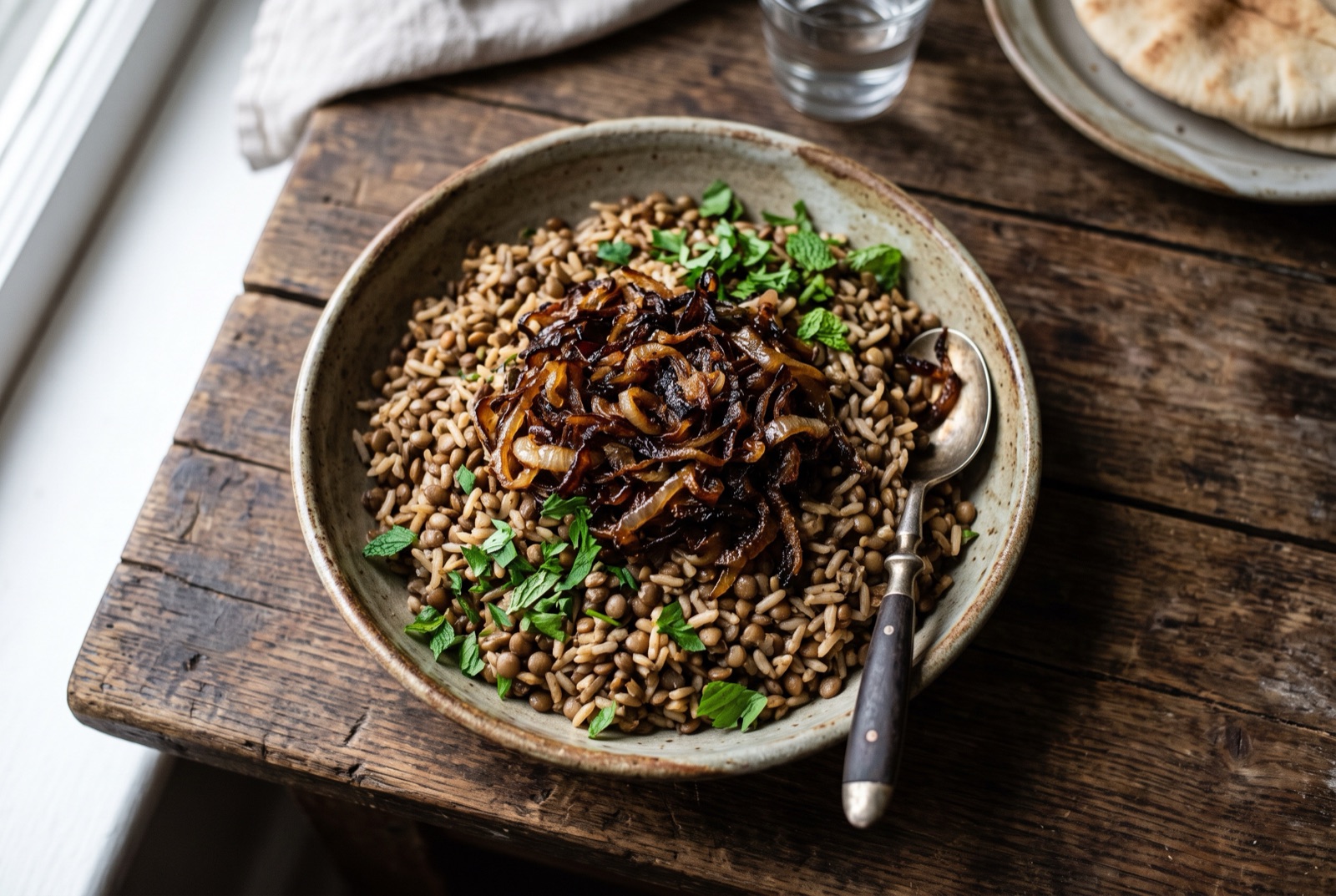
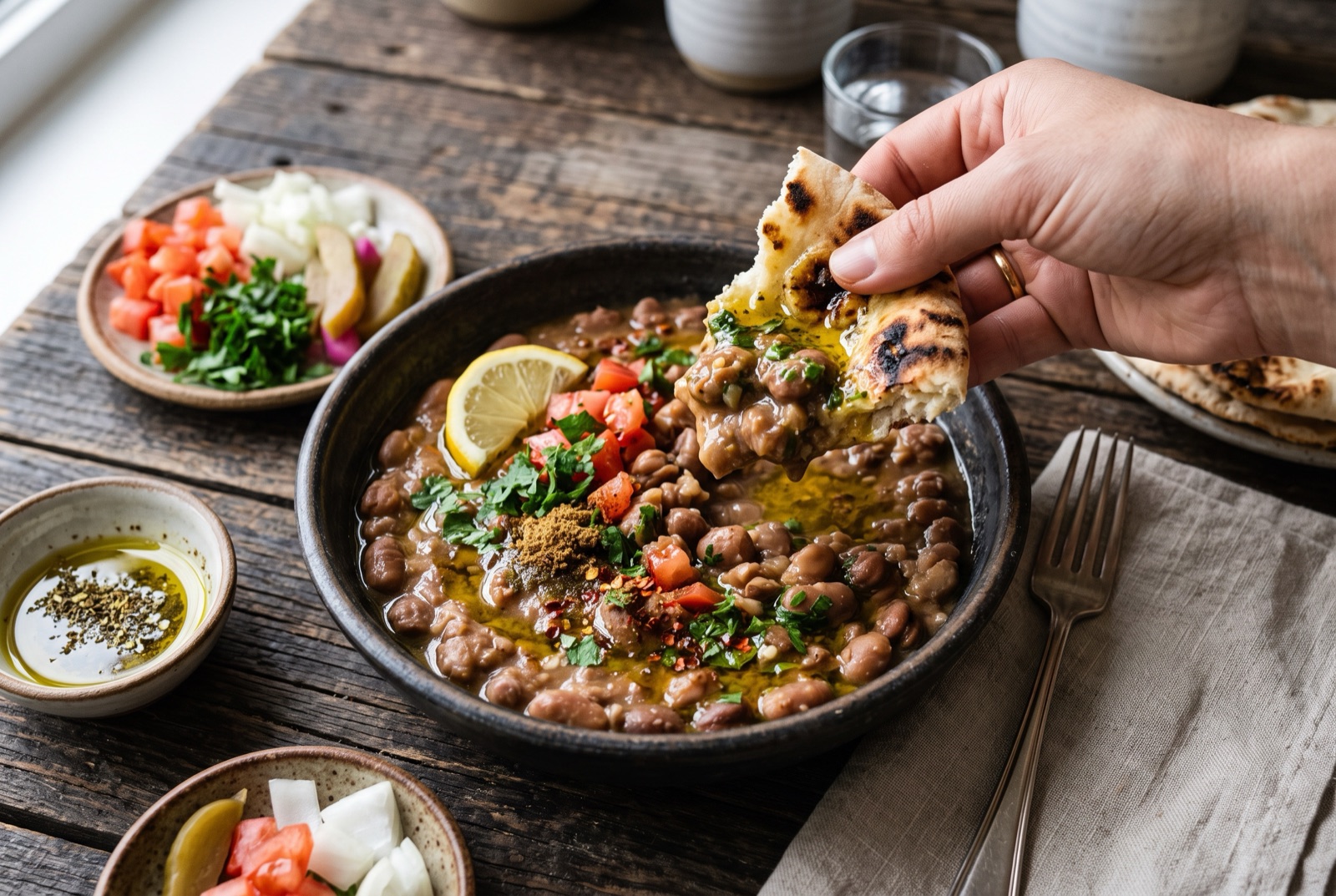
Lebanon has 9 more dishes in the atlas — Foul Mudammas and Kafta bil Sanieh, and 7 more.
All Lebanon recipes Lamb recipes Onion recipes Olive oil recipes mainappetizerdairy freehalal friendlyRecipe by The DishRoute Kitchen · published August 19, 2026 · updated August 19, 2026