Croatia.
Hrvatska
Croatia cooks in two dialects that barely share a pantry. Along the Adriatic and its thousand islands the rule is olive oil, garlic, parsley and whatever came off the boat that morning, cooked briefly and seasoned lightly, with wine in the pan and bread to catch what is left. Fifty kilometres inland, past the mountains, the fat changes to lard and butter, the vegetable of record becomes cabbage, and the cooking slows down into braises, breaded cutlets, cream sauces and strudel dough stretched across a floured tablecloth. Istria sits between the two and refuses to pick a side, adding truffles, wild asparagus and cured pork to a Mediterranean base. What unites the country is not a dish but an attitude towards ingredients: the good ones are treated as already finished. A Dalmatian cook confronted with a perfect fish will grill it whole, dress it with oil and lemon, and consider the recipe complete.

- Continent
- EuropeBalkans
- Recipes in atlas
- 10
- Must-try dishes
- 3
- Pantry staples
- 10
Start with the classics.
Must tryThe dishes that explain the Croatia kitchen fastest — if you cook only a few things from this page, cook these.
Inside the Croatia kitchen.
The coastal kitchen runs on a handful of moves repeated with confidence. There is grilling over embers — fish, lamb, squid — finished with a shower of chopped garlic and parsley in olive oil that Dalmatians call šalša or simply the dressing. There is the lešo, a plain boil of fish or vegetables served warm with oil and vinegar, which sounds austere and tastes of the sea. And there is the slow, covered pot: brudet, a fish stew built in layers and never stirred, and peka, in which meat and potatoes go under a heavy iron bell that is then buried in embers so everything steams in its own juices and olive oil for two hours.
Continental Croatia belongs to a different empire, and the food admits it. Zagreb, Zagorje and the Podravina were Habsburg for centuries, so the repertoire is full of breaded veal, roast goose with mlinci (dried flatbread softened in the roasting juices), potato and cream, and dumplings both savoury and sweet. Štrukli — thin dough rolled around fresh cottage cheese and baked under cream — is the region's calling card and appears as a starter, a main and, sweetened with sugar, a dessert. Slavonia in the east adds Hungarian influence and its own paprika culture: kulen, the coarse paprika-spiced sausage that ages for months, and fiš paprikaš, a fiery river-fish stew cooked in a kettle over open fire on the banks of the Drava and Danube.
Istria is the third kitchen and the one food writers have been quietly obsessed with for two decades. Its interior grows white and black truffles in the Motovun forest, wild asparagus in spring, and the acorn-fed pigs behind Istrian pršut, which is air-dried in the bora wind rather than smoked. Istrian cooking is also the home of maneštra, a family of thick one-pot soups, and of fuži and pljukanci, hand-rolled pastas served with game or truffle.
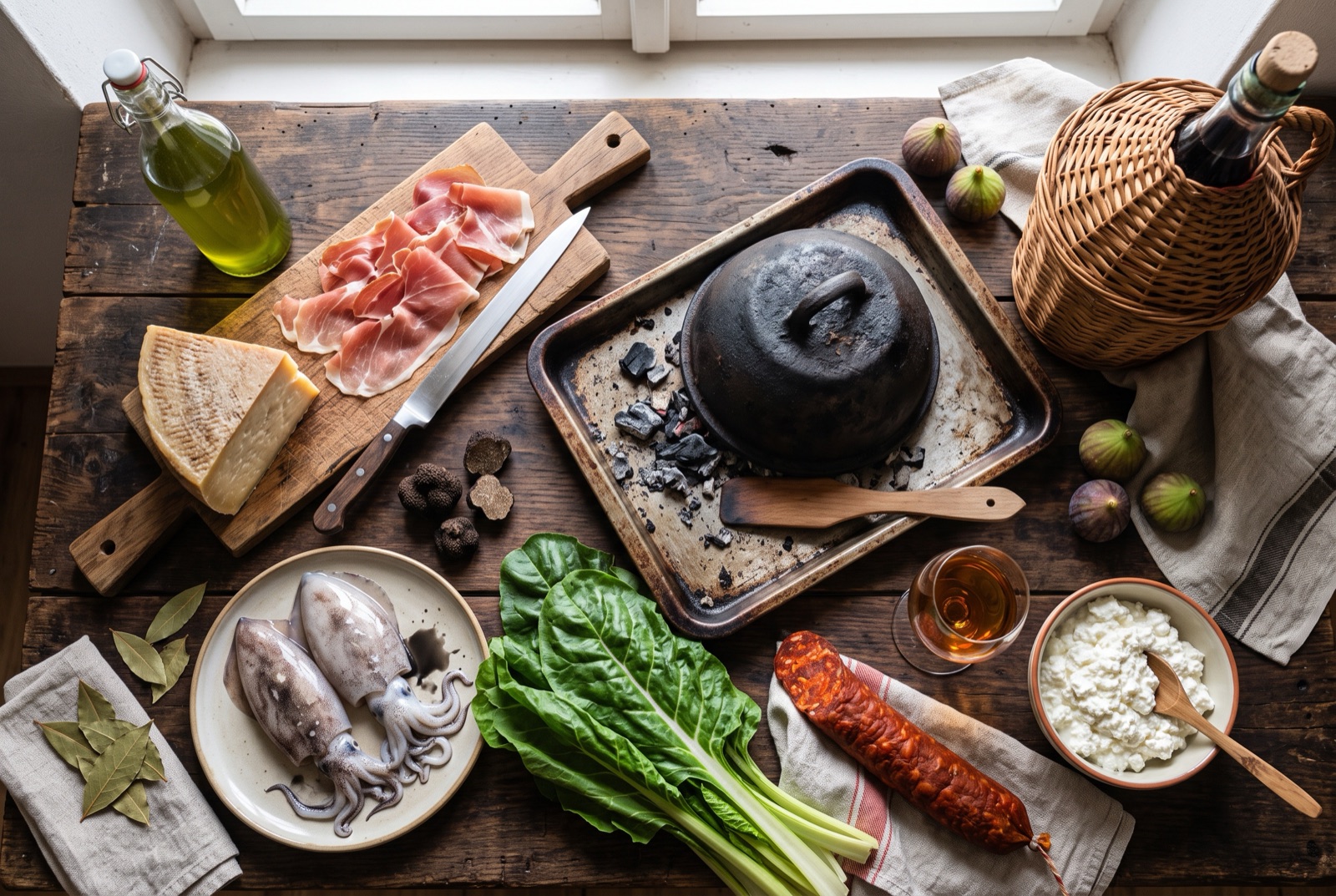
Curing and preserving underpin everything. Pršut hangs in coastal larders, paški sir — hard sheep cheese from the island of Pag, where the sheep graze on salt-blown herbs — is shaved thin and eaten with oil, and salted anchovies, dried figs and jars of ajvar carry the year through winter. The famous olive oils come from Istria and the islands, and a good one is used as a finishing ingredient, poured over a dish at the table rather than cooked away.
The meal structure is Mediterranean at heart. Marenda — a late-morning working meal that sits between breakfast and lunch — is a real institution on the coast, and lunch is the main event. A Dalmatian table starts with something cured or a salad of octopus or beans, moves to fish or a braise, and ends with fruit rather than pastry; inland the same slot ends with strudel or fritule, and the wine is likely to be diluted with sparkling water into a gemišt.
Signature pantry.
10 staplesThe ingredients this cuisine cannot function without.
- olive oil
- pršut
- paški sir (Pag sheep cheese)
- Istrian truffles
- cuttlefish and squid
- swiss chard (blitva)
- kulen paprika sausage
- prošek and other Dalmatian wines
- fresh cottage cheese
- bay leaf
How people eat in Croatia.
Lunch is the main meal and it is unhurried, especially on the coast, where marenda — a substantial late-morning plate eaten around ten or eleven — breaks the working day and is treated as a right rather than a snack. Bread is on the table always, and mopping the plate is expected, not rude. Fish is ordered whole and by weight, priced per kilo, and it is normal to visit the kitchen to choose it. Wine is drunk with food and often cut with water: bevanda for red, gemišt for white with sparkling water. Coffee is a social appointment lasting far longer than the cup justifies, and refusing a host's homemade rakija requires a genuinely good excuse.
Regional kitchens.
Croatia cooks 4 distinctly different ways depending on where you stand — here is what changes between them.
- R1Dalmatia
- The long southern coast and islands: grilled fish, black cuttlefish risotto, octopus salad, lamb under the peka bell, and the sweet prošek wine that gives pašticada its backbone. Olive oil, garlic and parsley do most of the seasoning.
- R2Istria
- A Mediterranean peninsula with a mountain pantry — truffles from the Motovun forest, wild asparagus, air-dried pršut and hand-rolled fuži pasta. Its thick maneštra soups are the everyday counterweight to all that luxury.
- R3Zagreb and Hrvatsko Zagorje
- The Habsburg-influenced north, where cooking means butter, cream and pastry. Home of štrukli, breaded veal, roast goose with mlinci, and the country's densest concentration of strudel.
- R4Slavonia
- The flat, fertile east on the Danube and Drava, sharing a border and a spice rack with Hungary. Kulen sausage, paprika-red river-fish stews cooked outdoors in a kettle, and serious pig-slaughter traditions in late autumn.
All Croatia recipes.
10 recipes and counting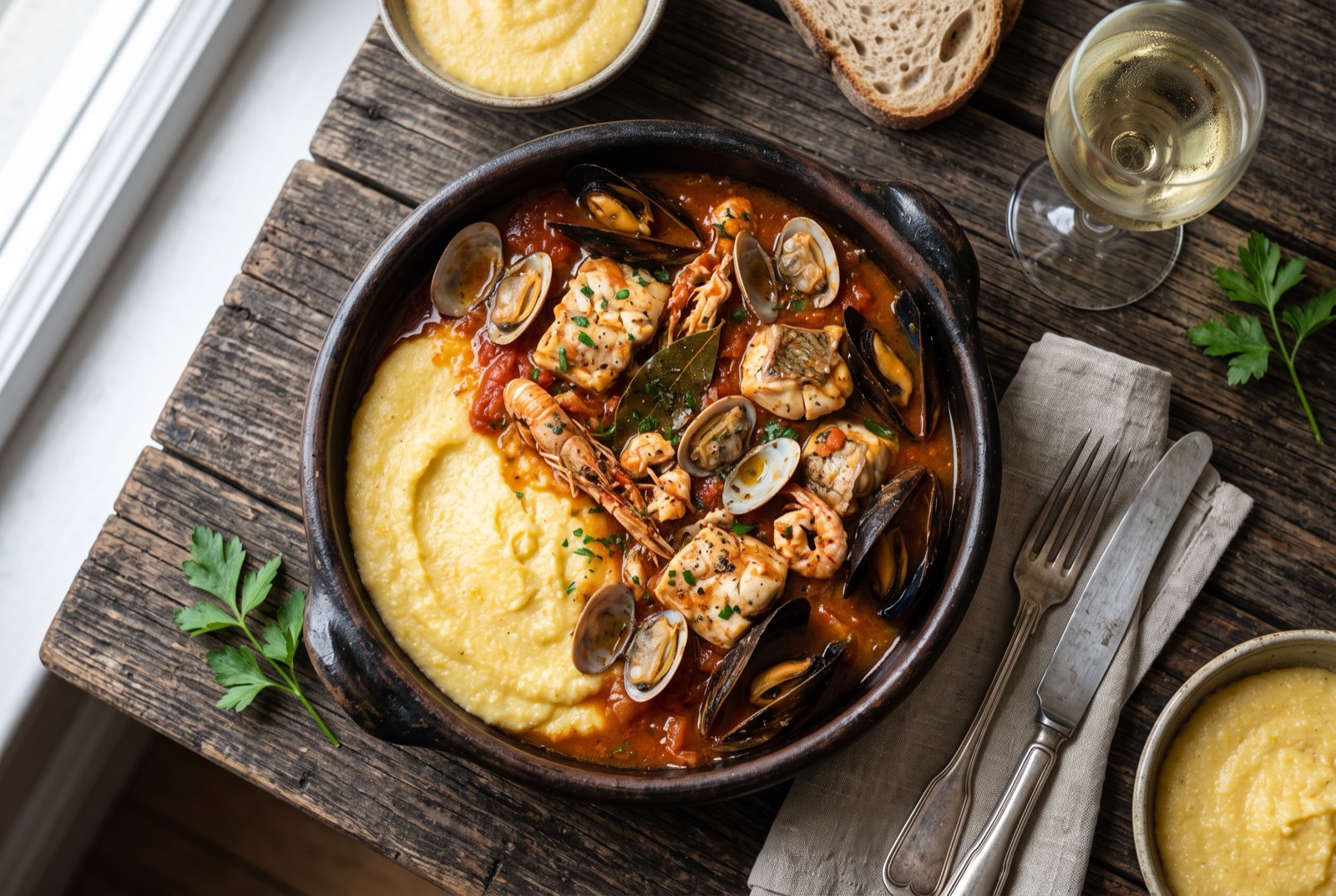
Croatia1 hr 15 min
Brudet
Adriatic Mixed Fish Stew with Soft Polenta
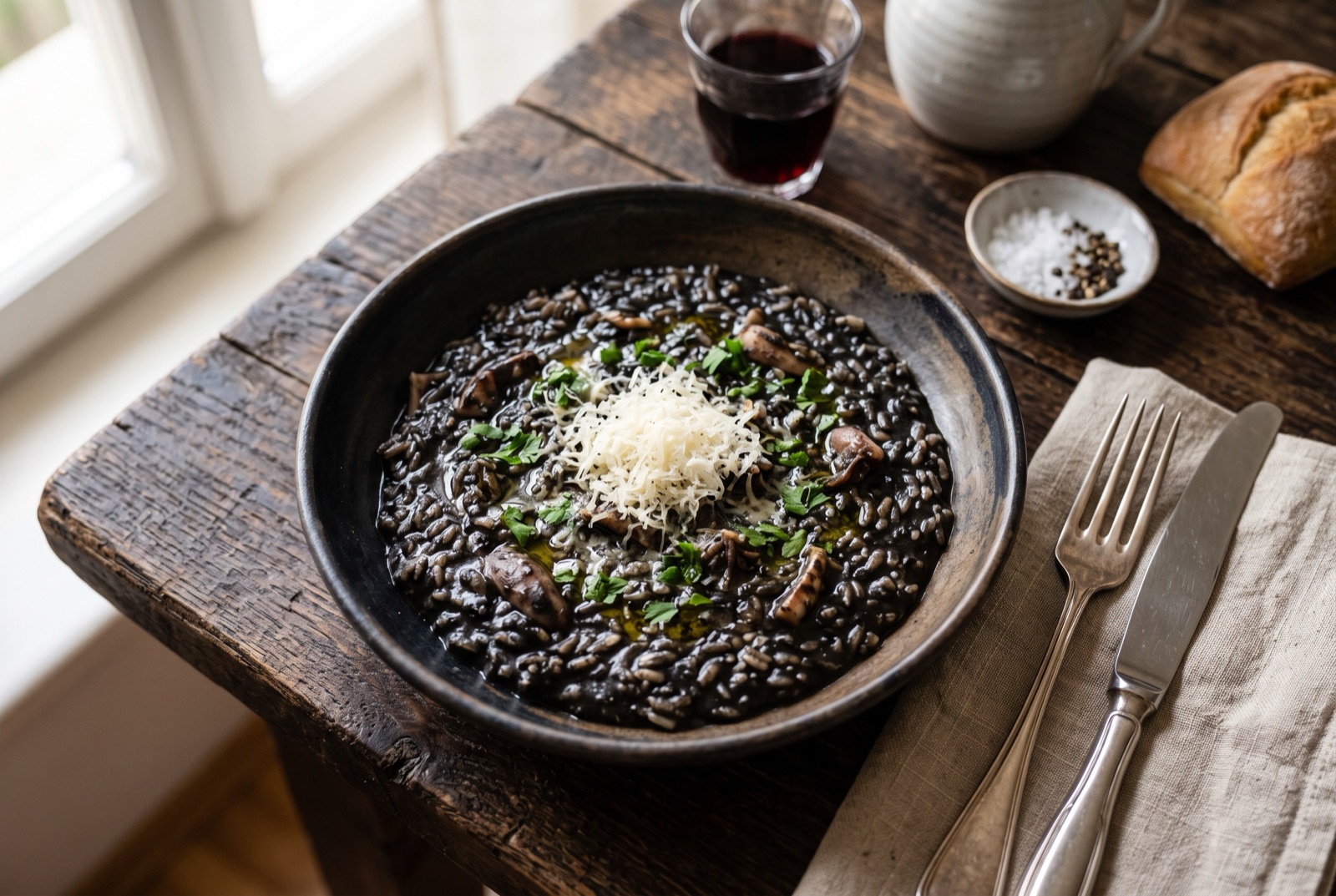
Croatia1 hr 5 min
Crni Rižot
Croatian Black Cuttlefish Risotto
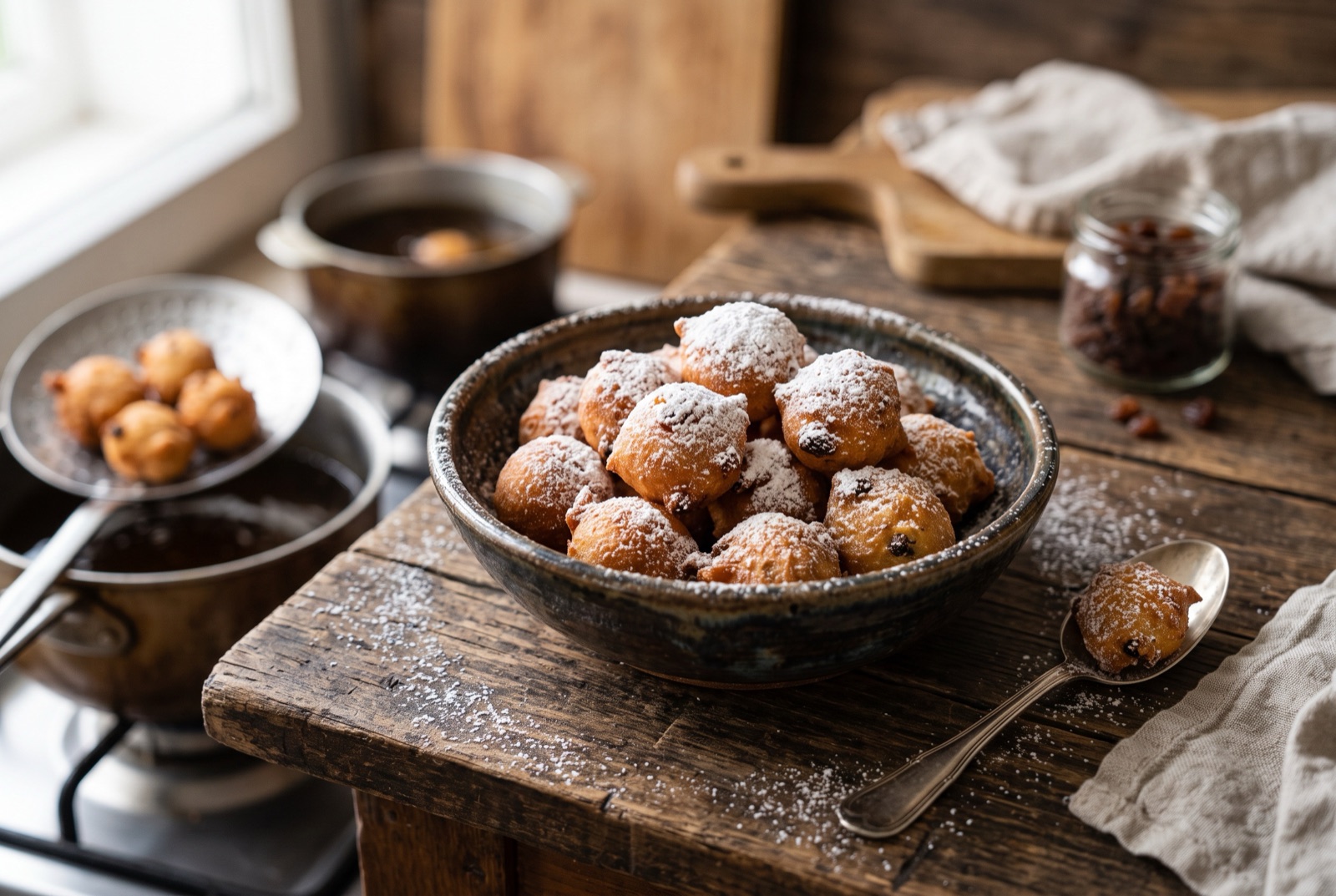
Croatia1 hr 40 min
Fritule
Dalmatian Rum and Citrus Fritters
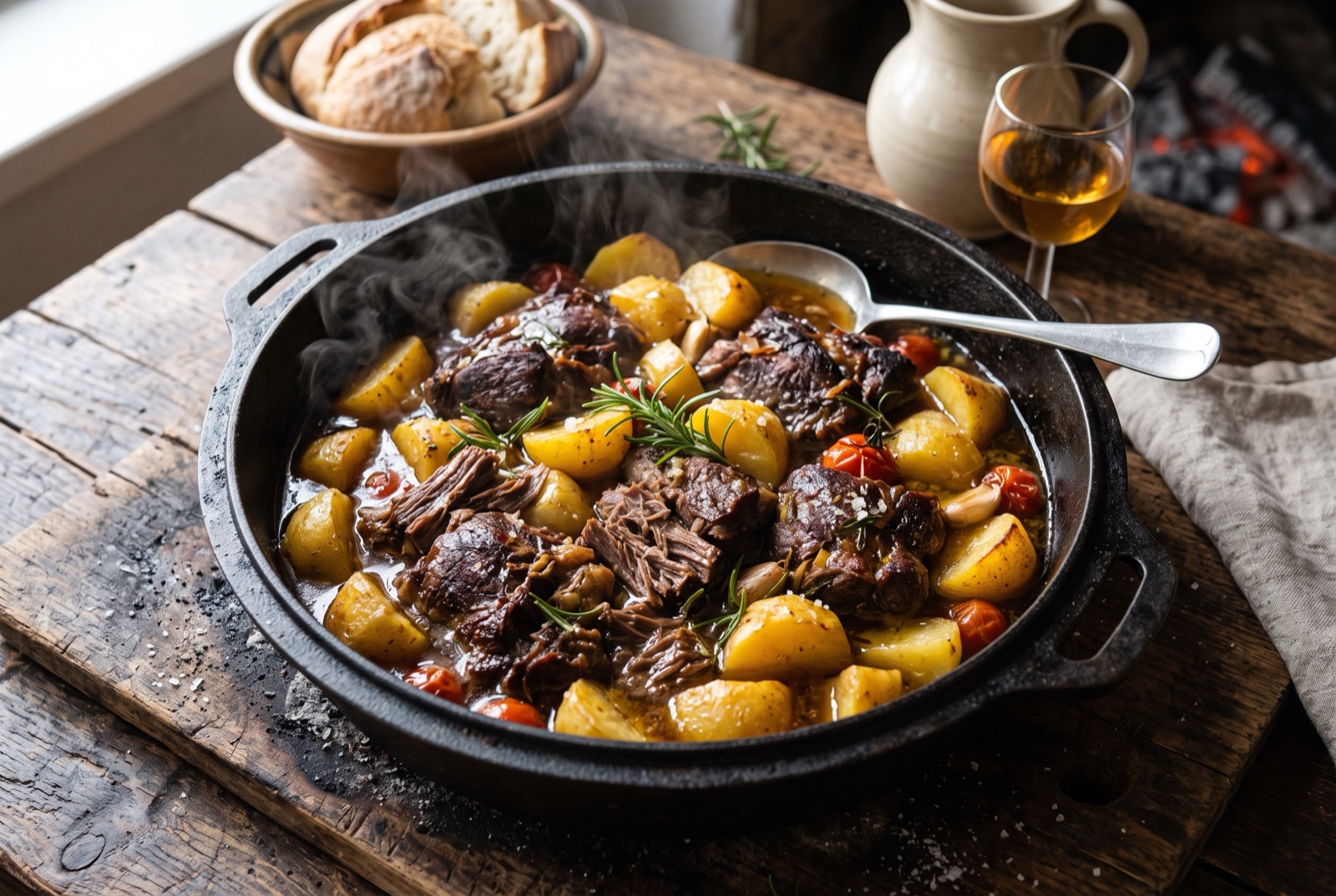
Croatia2 hr 35 min
Ispod Peke
Croatian Veal and Potatoes Baked Under a Bell
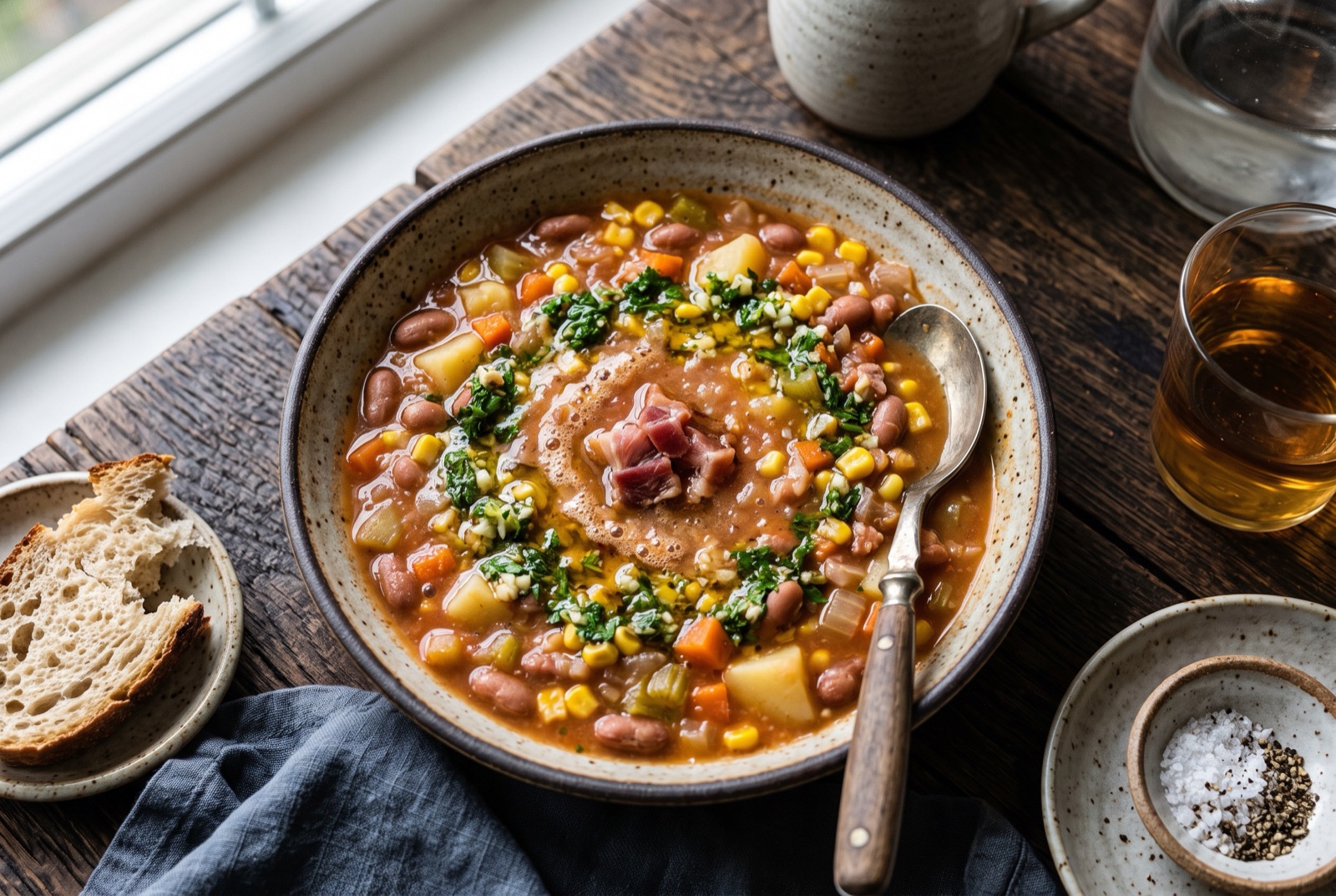
Croatia10 hr 5 min
Maneštra
Istrian Bean, Corn and Smoked Pork Pot
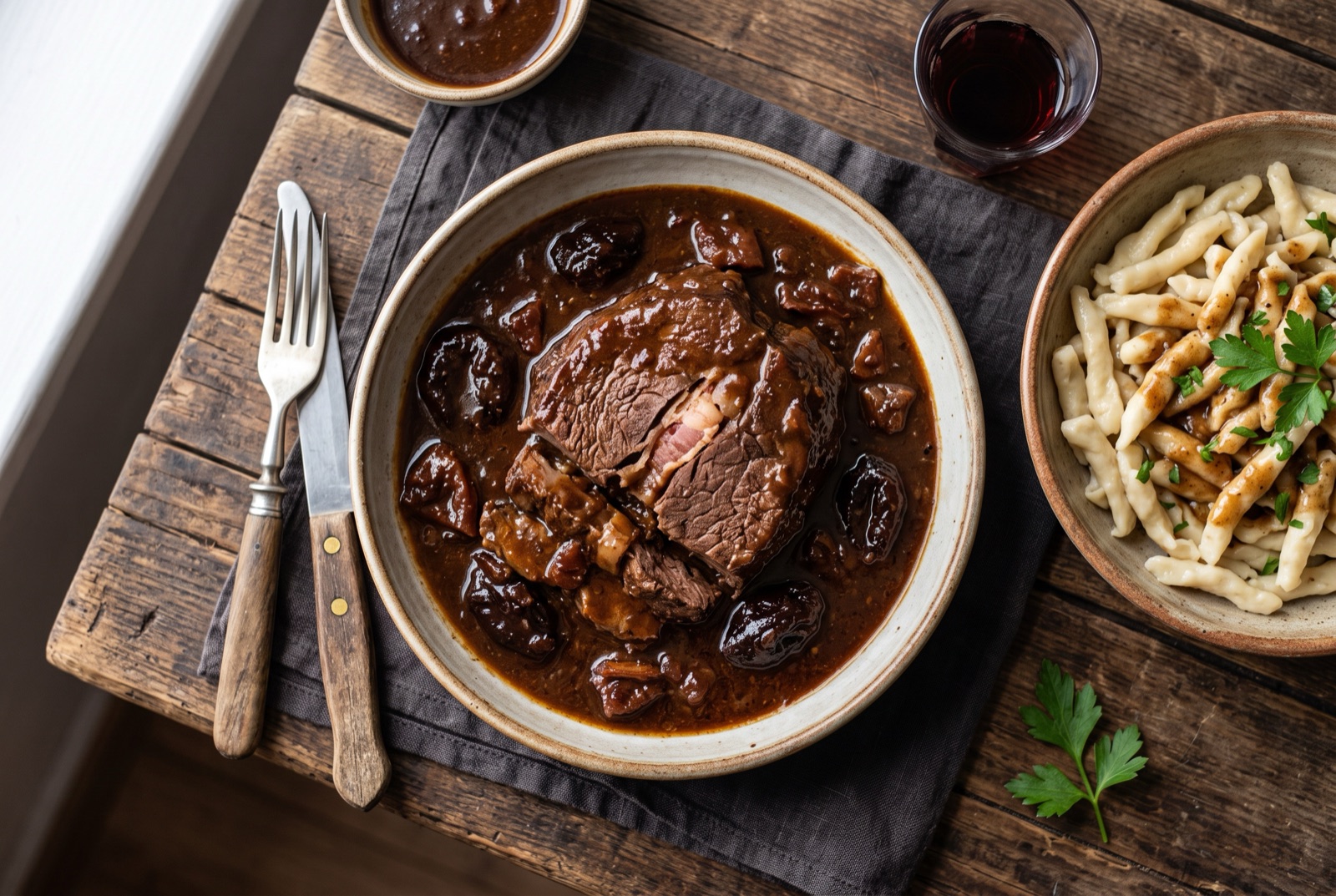
Croatia16 hr 10 min
Pašticada
Dalmatian Beef Braised in Sweet Prošek Wine
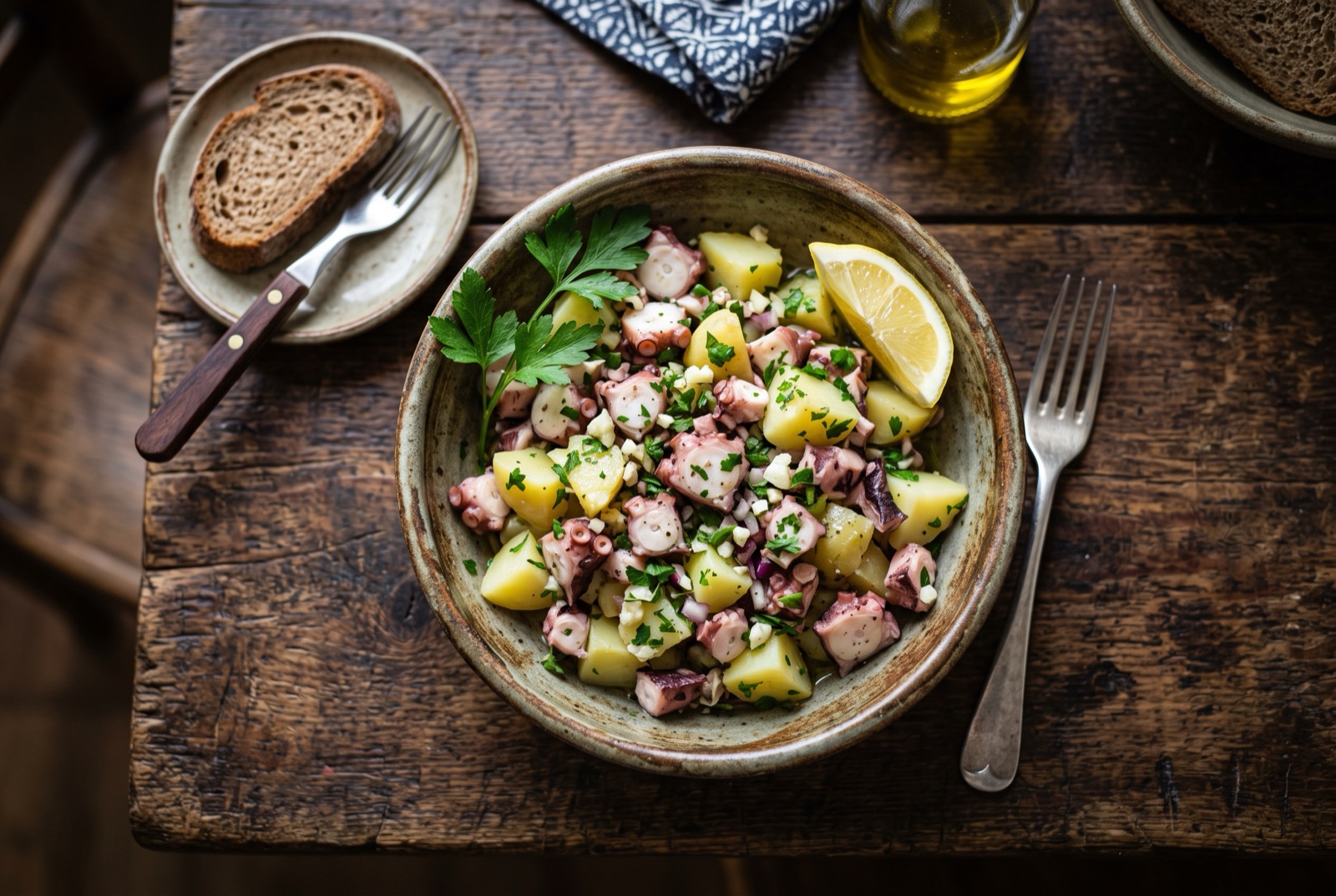
Croatia2 hr 25 min
Salata od Hobotnice
Dalmatian Octopus and Potato Salad
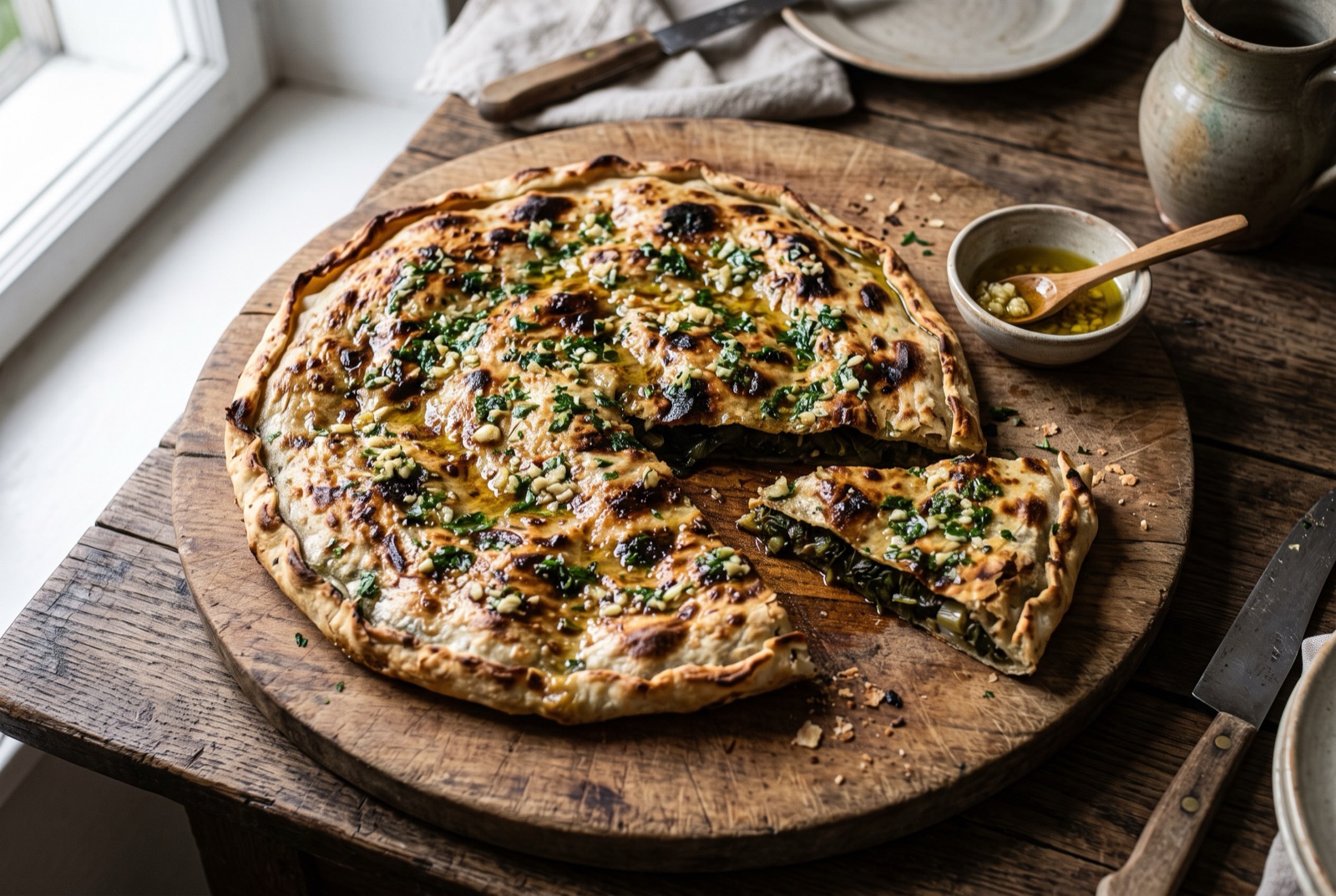
Croatia1 hr 30 min
Soparnik
Poljica Chard Pie Baked on the Hearth
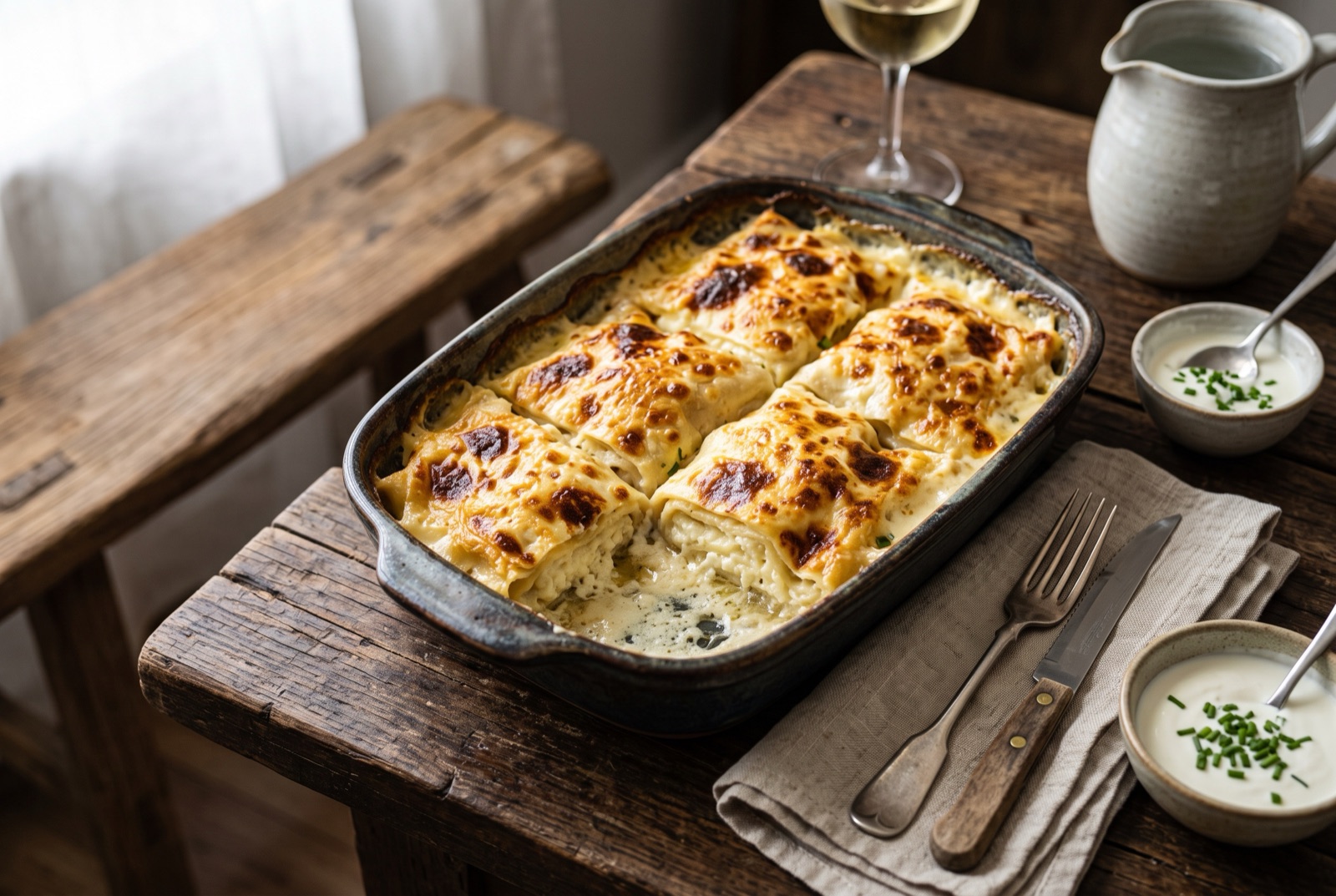
Croatia1 hr 55 min
Zagorski Štrukli
Baked Cottage Cheese Dough Rolls
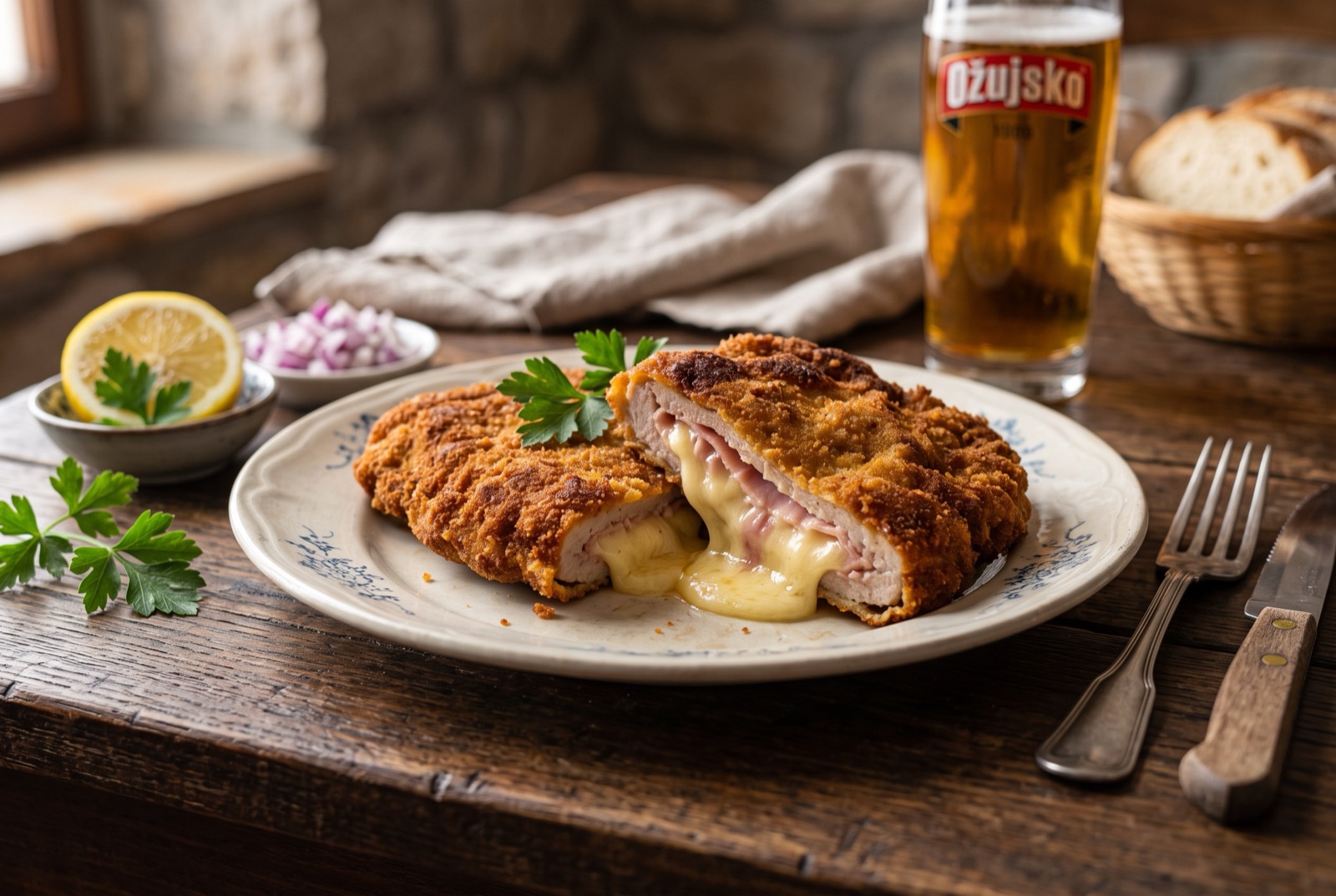
Croatia1 hr 5 min
Zagrebački Odrezak
Veal Folded Around Ham and Cheese
Keep traveling.
Croatia sits in Balkans, and its kitchen shares borders as well as ingredients with Albania and Austria.
 Albania
 Austria