China.
中国
There is no single "Chinese cuisine" — there are many, and Chinese cooks will tell you so first. Tradition counts eight great regional traditions (Sichuan, Cantonese, Shandong, Jiangsu, Zhejiang, Fujian, Hunan, Anhui), and even that grid flattens enormous variety: the numbing chili heat of Chengdu has almost nothing in common with a delicate Cantonese steamed fish, and neither resembles the wheat noodles and vinegar of the north. What the regions share is a way of thinking rather than a flavor: the meal built around fan (grain) and cai (dishes to accompany it), ingredients cut small before cooking rather than at the table, and an obsession with texture — crisp, silken, springy, tender — as a pleasure equal to taste. Fire, timing and knife work do the talking; a home wok, honestly used, gets you remarkably far.

- Continent
- AsiaEast Asia
- Recipes in atlas
- 10
- Must-try dishes
- 3
- Pantry staples
- 9
Start with the classics.
Must tryThe dishes that explain the China kitchen fastest — if you cook only a few things from this page, cook these.
Inside the China kitchen.
The organizing idea of a Chinese meal is fan and cai: a staple grain — rice in the south, wheat noodles, breads and dumplings in the north — surrounded by shared dishes of vegetables, tofu, meat or fish. Dishes land in the middle of the table and everyone eats from them with chopsticks; the private plated portion is a restaurant convention, not the home norm. Balance is judged across the whole table, so a fiery dish is answered by a plain soup and a simply stir-fried green, not by more fire.
Technique is where the cuisine concentrates its genius. Stir-frying in a wok is the most famous move: small, evenly cut pieces tossed fast over the highest heat the stove allows, finished in minutes. Restaurant burners produce wok hei — the faintly smoky "breath of the wok" — that home stoves can only approximate, but approximating it (dry rice, screaming pan, small batches) is exactly the skill worth learning. Steaming is the quiet counterpart, prized for fish, dumplings and buns because it hides nothing: only pristine ingredients survive it. Braising in soy, wine and rock sugar — red cooking — gives the Jiangnan region its lacquered pork belly, and slow double-boiled soups are a southern devotion of their own.
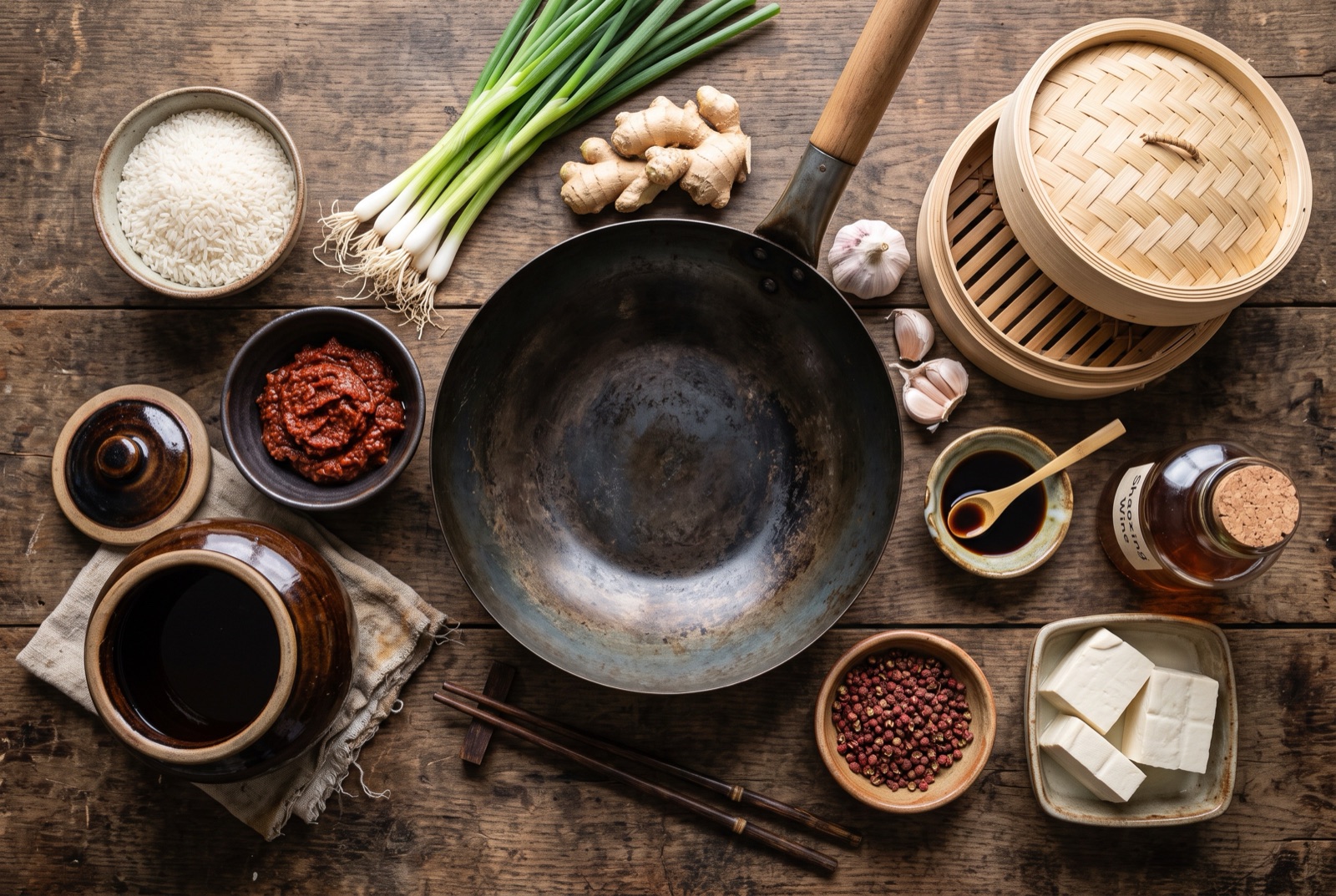
The pantry runs on fermentation. Soy sauce (light for seasoning, dark for color), Shaoxing rice wine, black vinegar, fermented black beans, and Sichuan's chili-bean paste doubanjiang supply the deep, savory backbone; ginger, garlic and scallion are the universal aromatic trio, tipped into hot oil at the start of nearly everything. Sichuan adds its own signature: the citrusy, lip-tingling Sichuan peppercorn, which paired with chili creates málà — "numbing-hot" — a sensation the region treats as its calling card.
Regionality is not a footnote; it is the whole map. Cantonese cooks pursue freshness and restraint, and gave the world dim sum and roast meats. Sichuan and Hunan build layered heat. Jiangnan, around Shanghai, leans sweet, wine-scented and refined. The wheat-eating north turns out hand-pulled noodles, jiaozi dumplings and Peking duck. Treat each as its own country of food and everything on a Chinese menu starts to make sense.
Signature pantry.
9 staplesThe ingredients this cuisine cannot function without.
- soy sauce
- rice
- scallions
- ginger
- garlic
- tofu
- doubanjiang (chili-bean paste)
- Sichuan peppercorns
- Shaoxing wine
How people eat in China.
Meals are shared: dishes sit in the center, everyone serves themselves with chopsticks (or the serving spoons provided), and rice bowls are lifted to the mouth — that is polite, not rude. Never stand chopsticks upright in a bowl of rice; it echoes incense at a funeral. The host orders generously, because abundance honors guests, and refusing every refill is a losing game. Tea flows through the meal; tapping two fingers on the table quietly thanks the person pouring. Soup often arrives late in the meal in the south, and fresh fruit — not pastry — is the usual ending.
Regional kitchens.
China cooks 4 distinctly different ways depending on where you stand — here is what changes between them.
- R1Sichuan
- The southwest's basin of bold flavor: doubanjiang chili-bean paste, Sichuan peppercorns and the numbing-hot málà sensation define Chengdu and Chongqing cooking — mapo tofu, hotpot and twice-cooked pork are its ambassadors.
- R2Guangdong (Canton)
- The south's temple of freshness and restraint — steamed fish, roast goose, dim sum and slow soups, seasoned lightly so the ingredient itself is the point. Most of the world's historic Chinatowns speak this kitchen's language.
- R3Shanghai & Jiangnan
- The Yangtze delta's refined, faintly sweet kitchen: red-braised pork lacquered in soy and rock sugar, xiaolongbao soup dumplings, Shaoxing wine and freshwater fish and crab from the canal country.
- R4The North (Beijing & Shandong)
- Wheat country — hand-pulled noodles, jiaozi dumplings, sesame-studded breads — plus the imperial showpieces of Beijing, above all Peking duck, and Shandong's vinegar-sharp, seafood-leaning cooking that shaped the palace kitchens.
All China recipes.
10 recipes and counting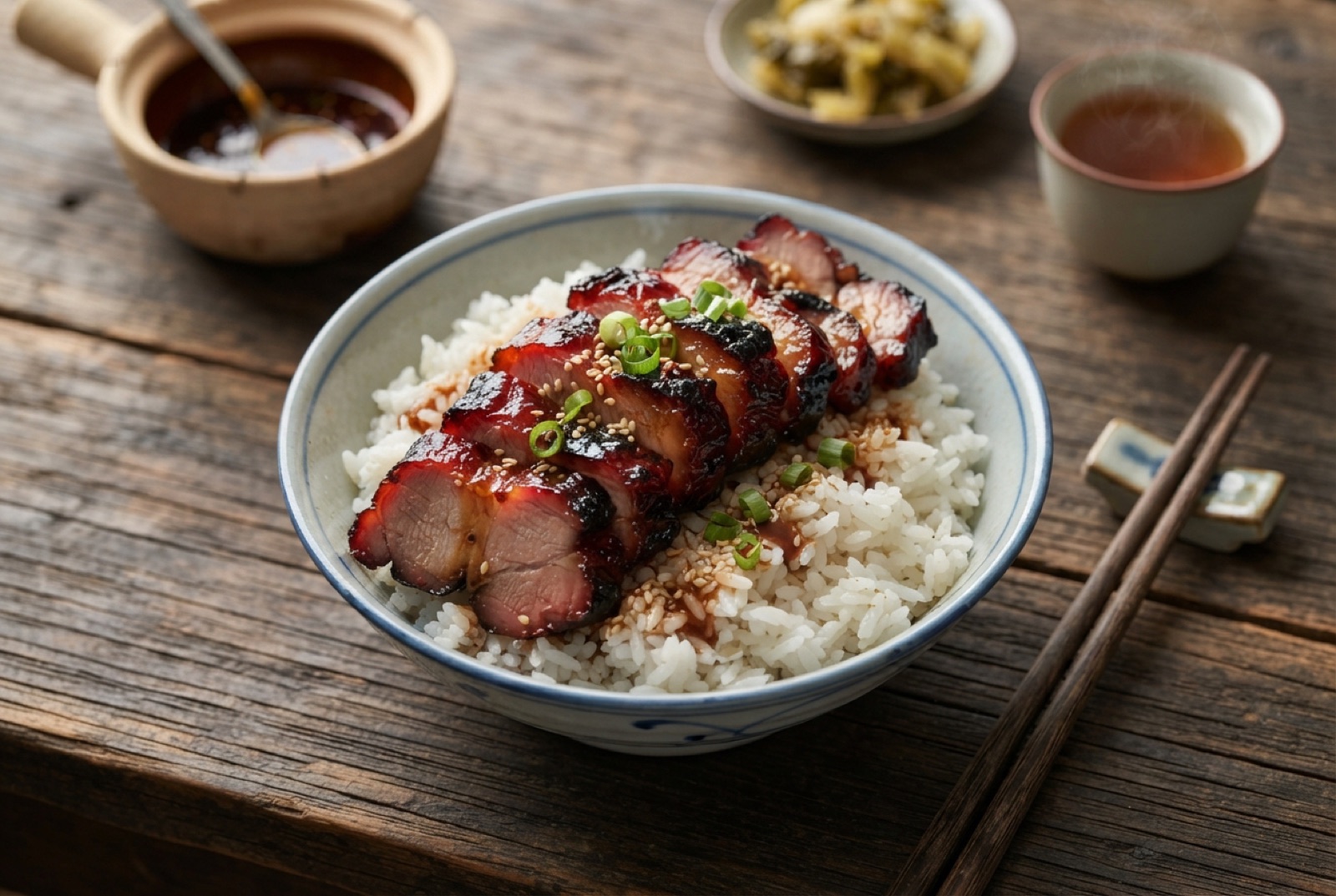
China13 hr
Char Siu
Cantonese Barbecue Pork
China1 hr 35 min
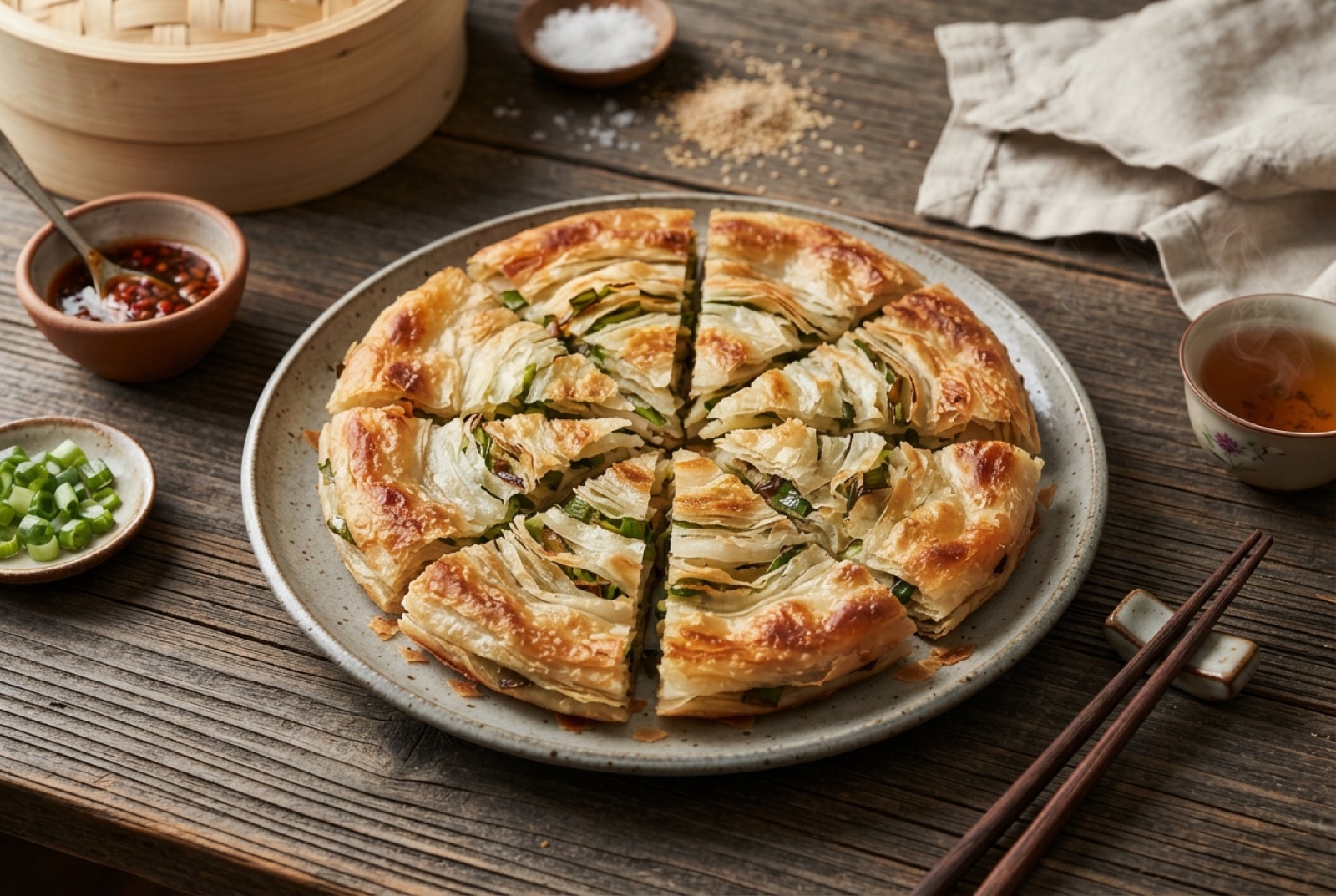
Cong You Bing
Flaky Chinese Scallion Pancakes
China35 min
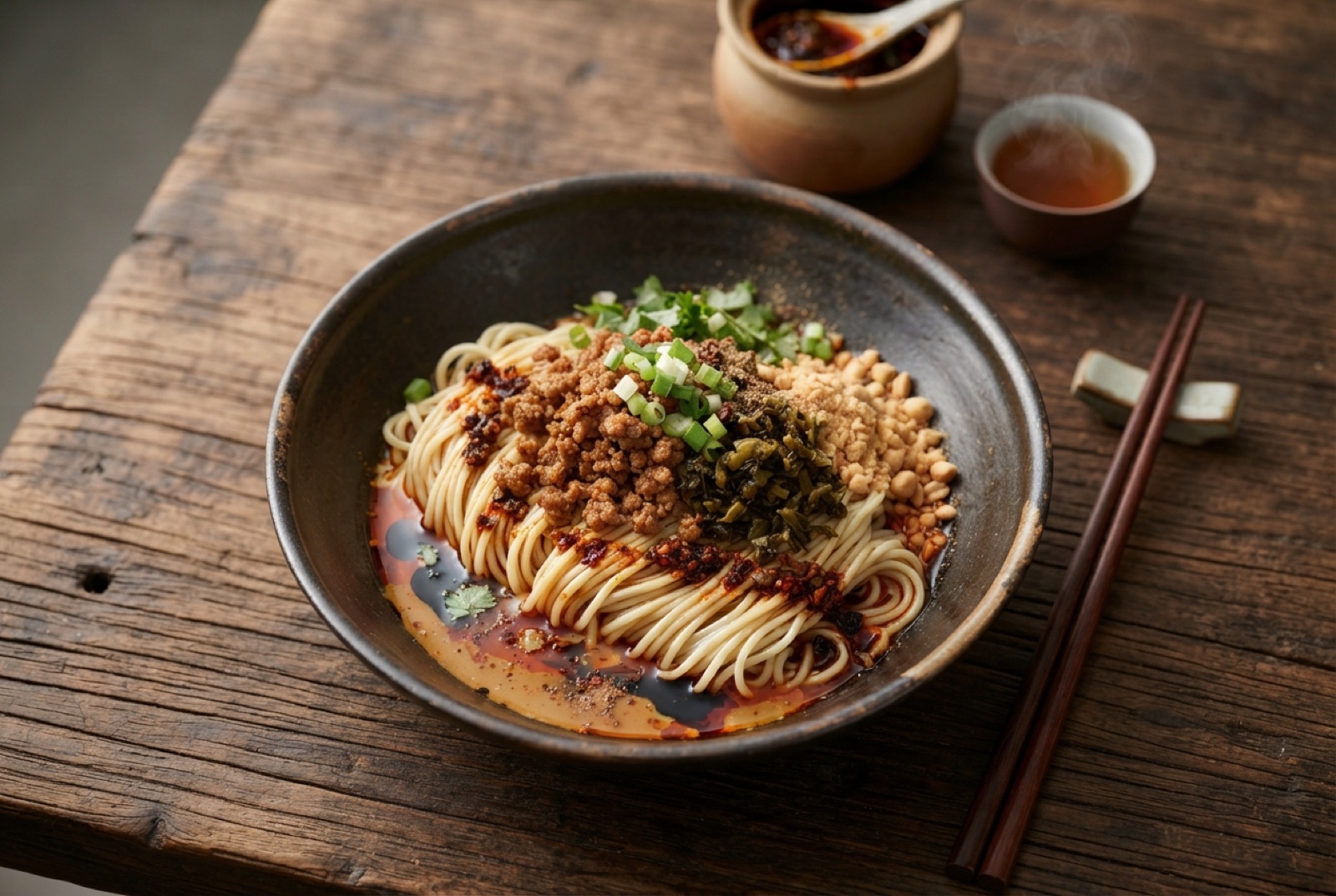
Dan Dan Mian
Sichuan Sesame Chili Noodles
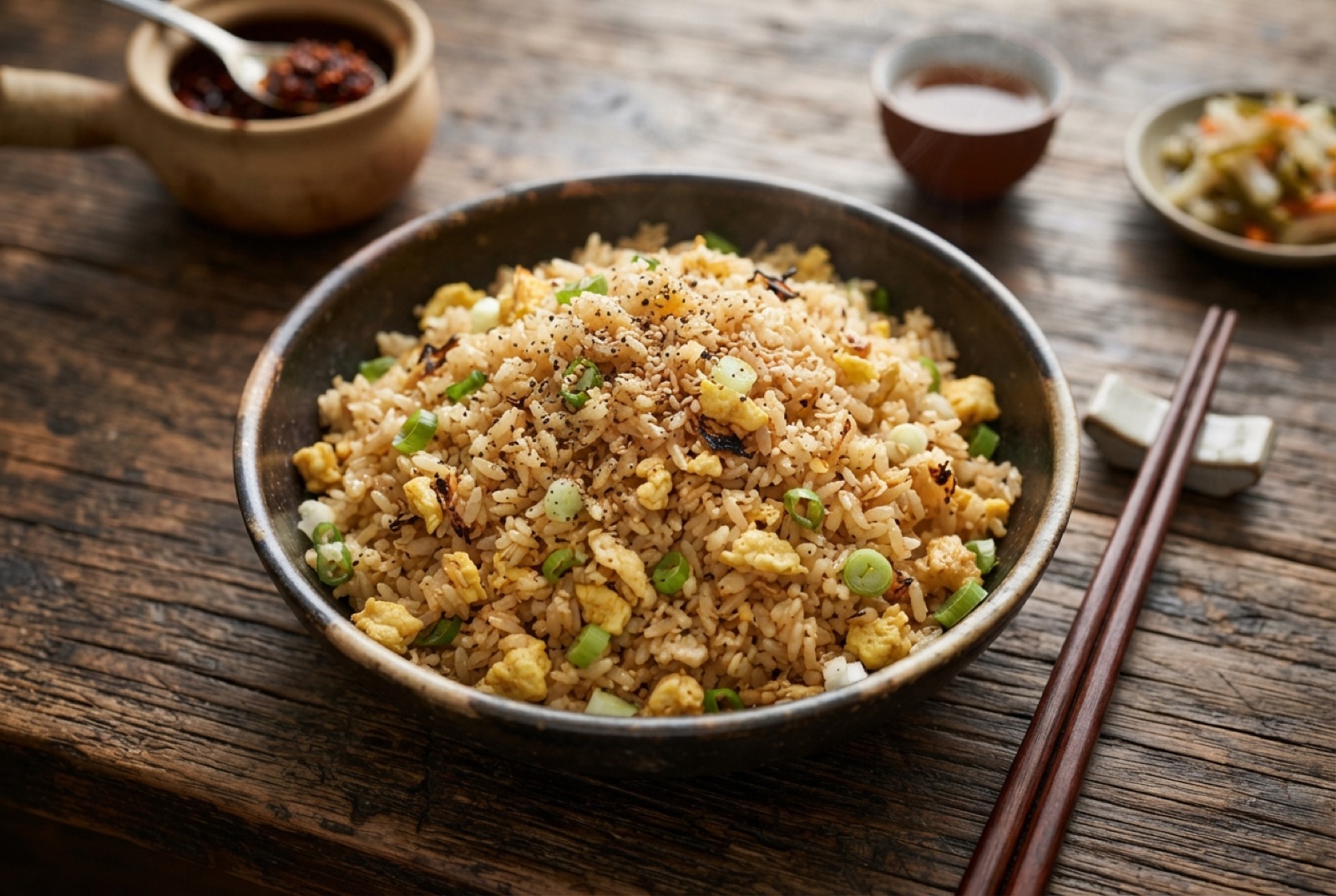
China18 min
Egg Fried Rice
Wok-Style Dan Chao Fan
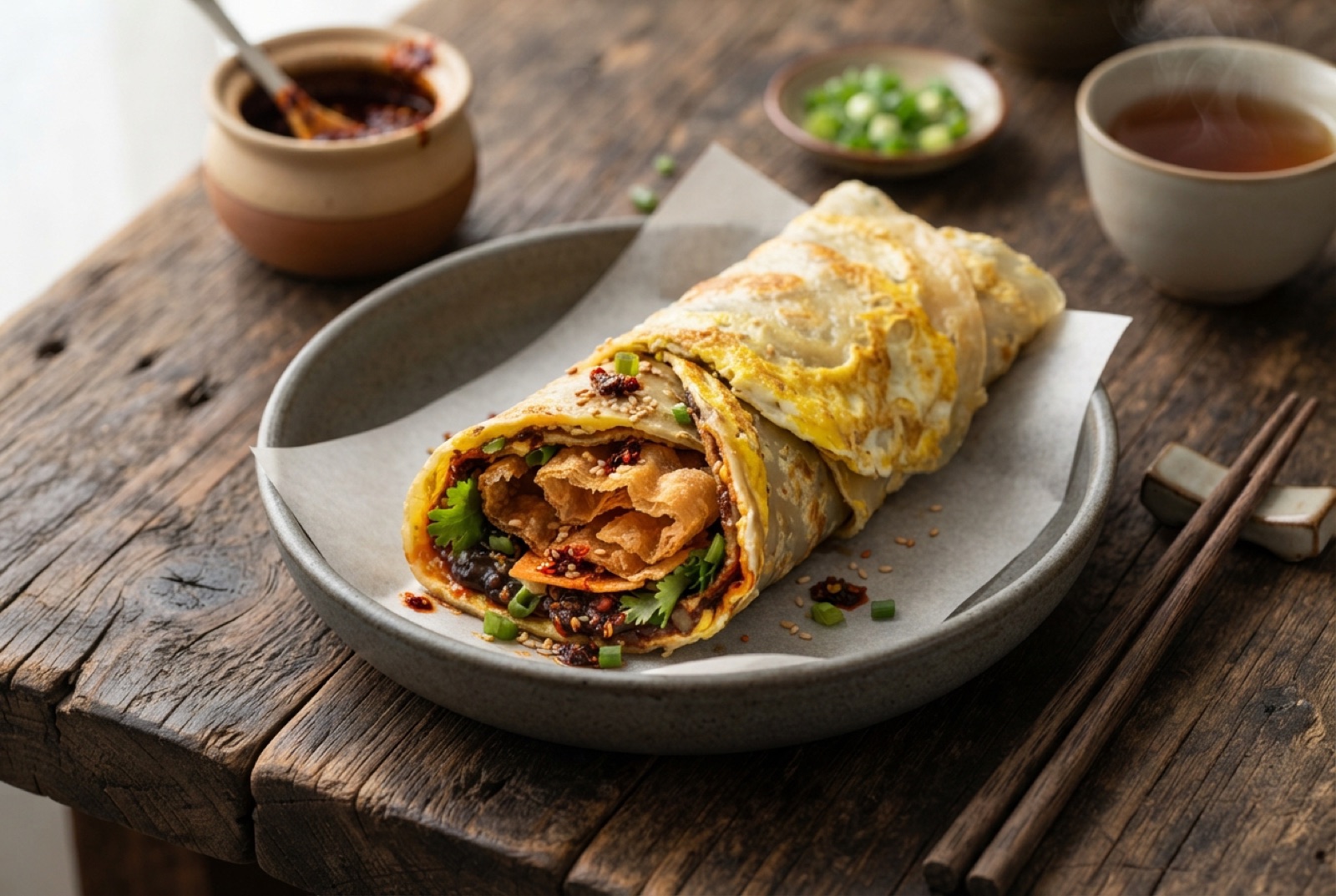
China1 hr 10 min
Jianbing Guozi
Tianjin Savoury Breakfast Crepe
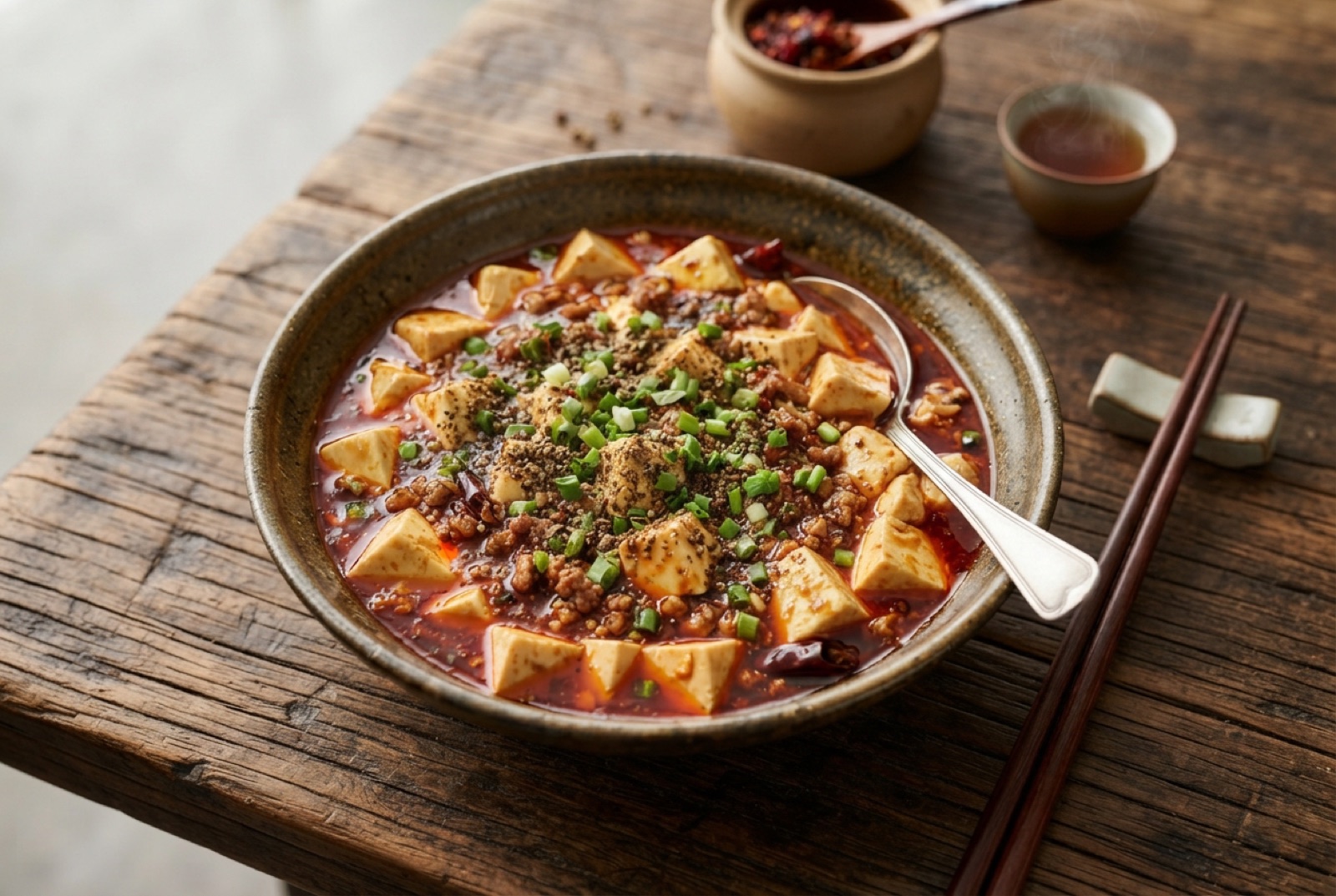
China30 min
Mapo Tofu
Sichuan Tofu in Chili-Bean Sauce
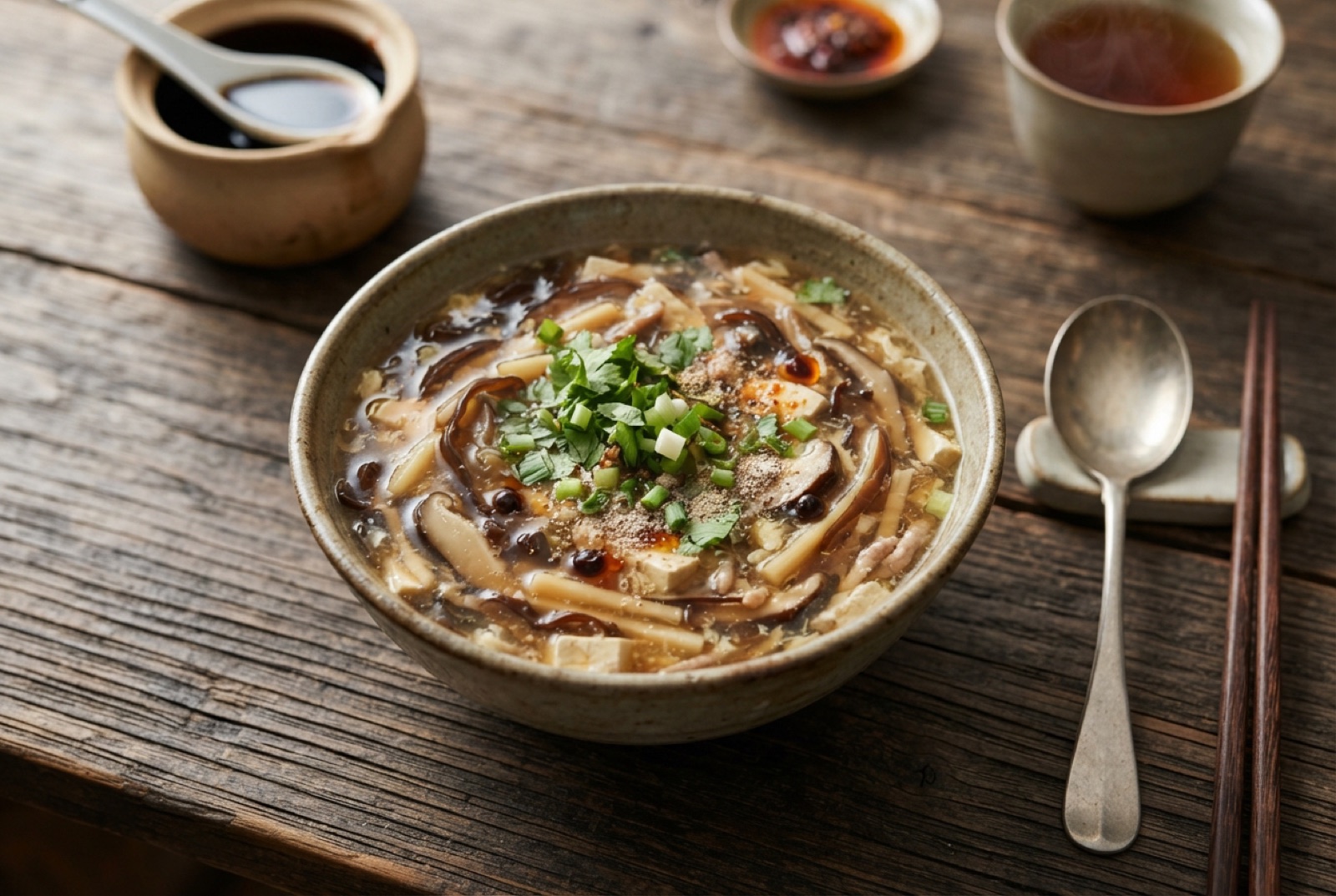
China40 min
Suan La Tang
Chinese Hot and Sour Soup
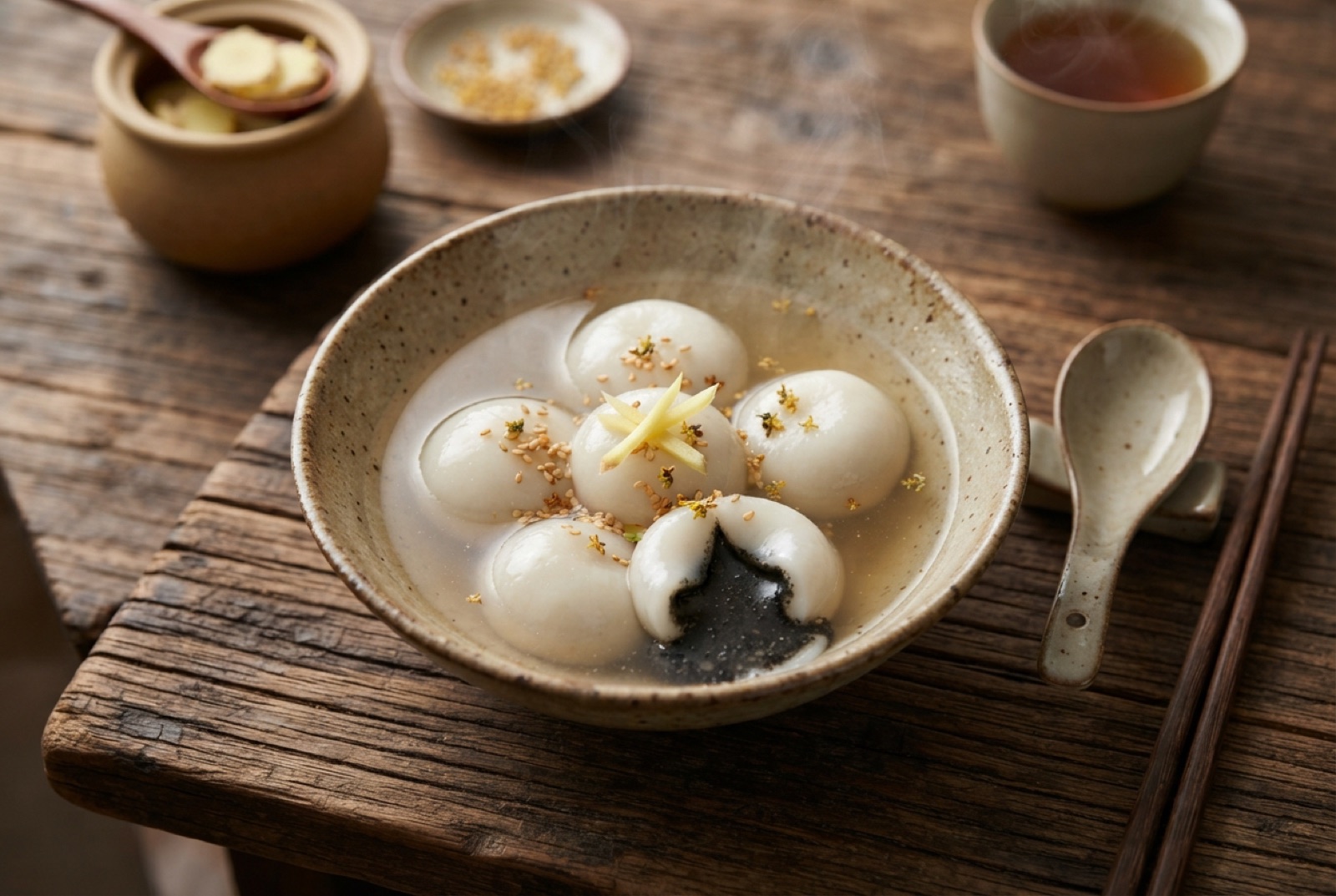
China1 hr 15 min
Tangyuan
Black Sesame Rice Balls in Ginger Syrup
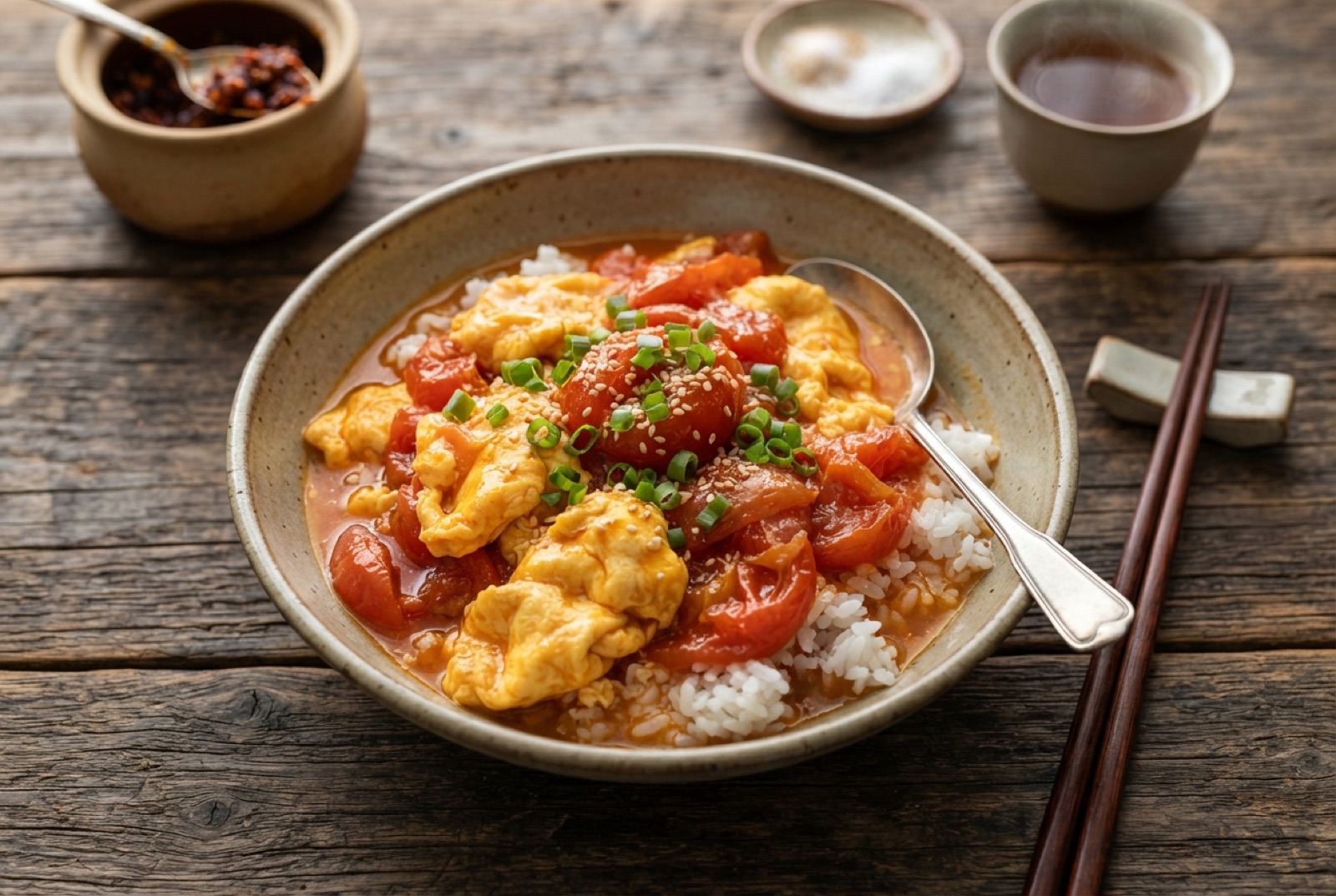
China20 min
Tomato Egg Stir-Fry
Fanqie Chao Dan
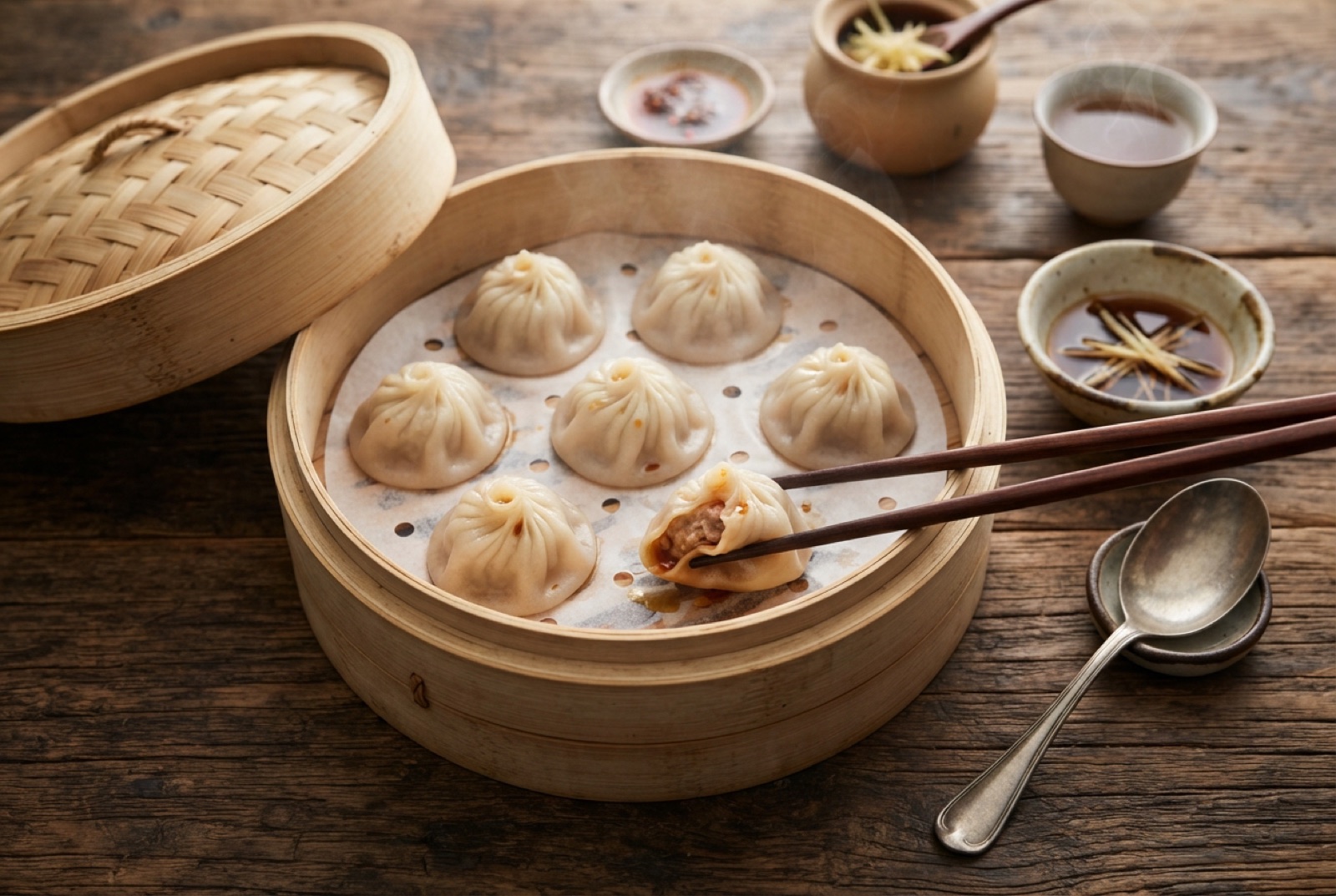
China6 hr 15 min
Xiaolongbao
Shanghai Soup Dumplings
Keep traveling.
China sits in East Asia, and its kitchen shares borders as well as ingredients with Armenia and Bangladesh.
 Armenia
 Bangladesh