Tangyuan.
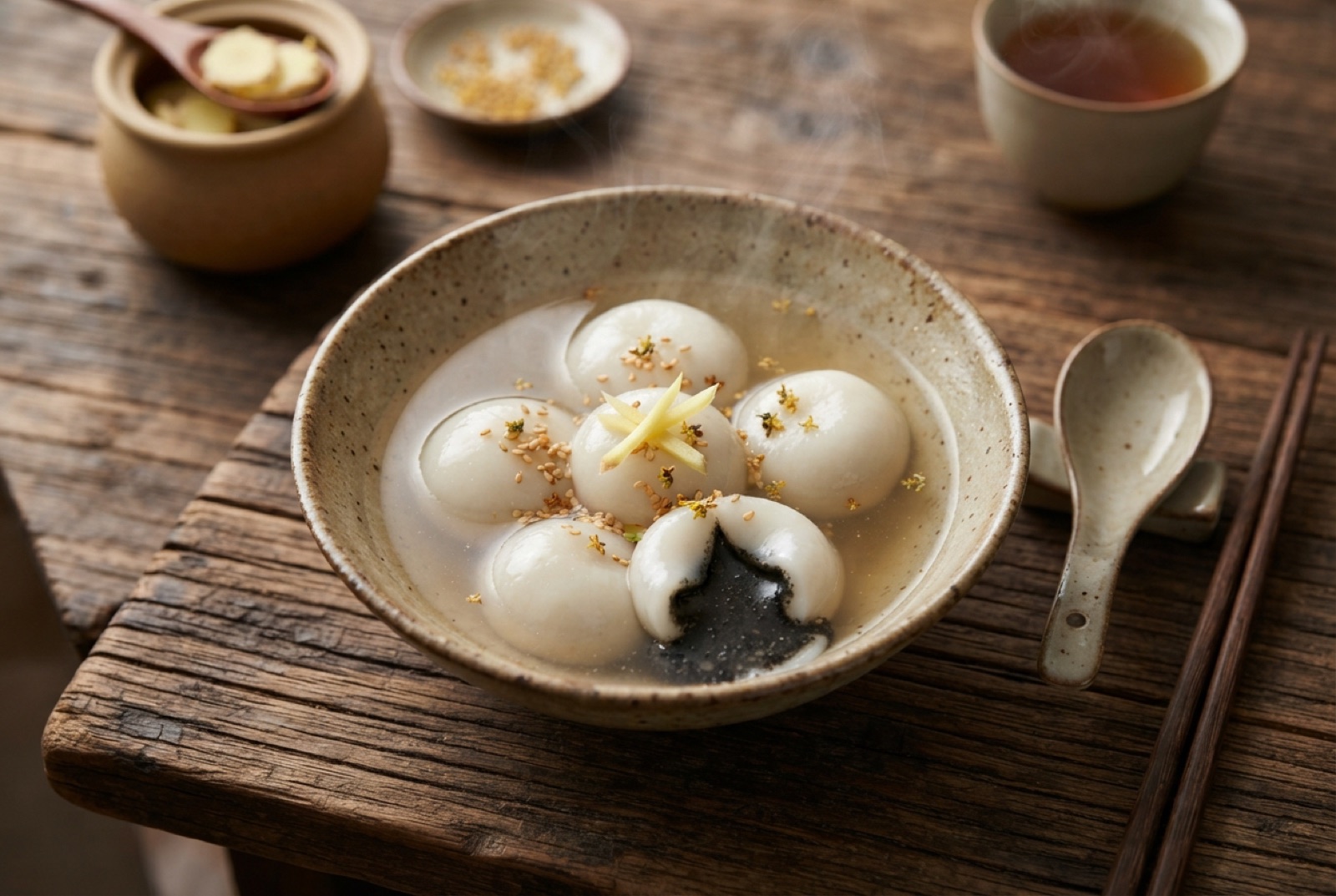
Black Sesame Rice Balls in Ginger Syrup
汤圆 · Tāngyuán · say it: tahng-ywen
Tangyuan are soft, chewy balls of glutinous rice dough, each one wrapped around a paste of ground toasted black sesame, sugar and fat. Boiled until they bob to the surface and turn faintly translucent, they are served in a thin, warm syrup — ginger for the southern winter version, osmanthus for the fragrant Shanghai one. Bite one and the filling runs out hot and dark and nutty, which is why nobody in China eats them in a single mouthful without warning. The dough is nothing more than glutinous rice flour and water, the filling takes five minutes in a food processor, and the whole thing is more about handling than skill.

- Gate
- ChinaJiangnan — Shanghai and Ningbo
- Prep
- 40 min
- Cook
- 15 min
- Total time
- 1 hr 15 min incl. 20 min rest
- Serves
- 4
- Status
- Easy
- Nutrition / serving · estimated
- Calories 430 kcal
- Protein 6 g
- Carbs 62 g
- Fat 19 g
- Fiber 3 g
- Sugar 30 g
- Sodium 60 mg
Why this recipe works.
- Uses the cooked-dough starter trick, which makes the dough elastic enough to wrap without cracking.
- Freezes the filling into firm balls first, so wrapping is quick instead of a sticky argument.
- Toasts the sesame from raw, which tastes far better than any jarred paste and takes four minutes.
- Naturally gluten-free despite the name on the flour packet, and easy to make ahead from the freezer.
Ingredients.
10 itemsFor the filling
For the dough
For the syrup
Equipment
- Small food processor or mortar
- Wide saucepan
- Slotted spoon
- Baking tray lined with paper
Instructions.
Toast and grind the sesame
Toast the black sesame seeds in a dry pan over medium heat for 3–4 minutes, shaking constantly, until they smell strongly nutty and begin to pop. Cool, then grind with the sugar and salt in a food processor for a minute or two, until the mixture is dark, damp and clumps when pressed.
Tip Grind past the powdery stage — the sesame needs to release its oil for the filling to melt properly.
Shape and chill the filling
Beat in the softened butter until you have a thick, glossy paste. Roll it into 20 balls of about a teaspoon each, set them on a lined tray and freeze for 20 minutes, until they are firm enough to pick up without denting.
Make the dough with a cooked starter
Put the glutinous rice flour in a bowl and pour in most of the just-boiled water, mixing with chopsticks until it becomes a shaggy, very hot mass. Knead it for 3 minutes once it is cool enough to handle, adding the last of the water a little at a time, until it is smooth, soft and no longer sticks to your hands — about the feel of an earlobe.
Tip Too dry and it cracks when you wrap; too wet and it slumps. Adjust with a teaspoon of flour or water at a time.
Wrap the balls
Divide the dough into 20 pieces and keep them under a damp cloth. Roll one into a ball, press it into a disc about 6 cm across, put a frozen filling ball in the centre, then draw the edges up and around it and pinch the opening firmly shut. Roll between your palms until the seam disappears completely.
Tip If the dough cracks as you wrap, wet your fingers slightly and smooth it over before sealing.
Make the ginger syrup
Simmer the ginger coins, sugar and water in a small pan for 10 minutes, until the syrup tastes clearly of ginger with a warm burn at the back of the throat. Stir in the osmanthus, if using, and keep it hot.
Boil until they float, then two minutes more
Bring a wide pan of water to a gentle simmer, slide in the tangyuan and stir once so they lift off the base. They will sink, then rise to the surface after 4–5 minutes; once floating, cook 2 minutes longer, until the skins look faintly translucent and slightly swollen.
Serve hot in the syrup
Lift the tangyuan out with a slotted spoon into warm bowls and ladle the hot ginger syrup over them. Warn everyone at the table that the filling is molten, and eat them straight away while the skins are still soft.
Tips from our kitchen.
- Toast the sesame seeds until they smell nutty and start to pop, then stop. Black sesame hides its colour, so go by smell and sound rather than looking for browning.
- Freeze the filling balls for at least 20 minutes before wrapping. Soft filling smears across the dough and makes it impossible to seal.
- Keep the dough and the shaped balls under a damp cloth at all times — glutinous rice dough dries and cracks within minutes of being exposed.
- Seal each ball by pinching the opening closed and then rolling it smooth between your palms. Any visible seam will split in the water and leak the filling.
- Cook them at a gentle simmer, not a rolling boil, and give the pot one stir when they go in so they do not weld to the bottom.
- They are done about two minutes after they float — the extra time is what melts the filling into liquid.
Substitutions.
- Lard in the filling → Unsalted butter, or refined coconut oil for a dairy-free version
- Lard is traditional in Ningbo and sets and melts perfectly. Butter is very close and is what most home cooks use outside China. Coconut oil works but leaves its own flavour.
- Homemade black sesame filling → 150 g shop-bought black sesame paste, chilled until firm
- Sold in Chinese supermarkets. Check whether it already contains sugar and fat — some pastes are unsweetened and need both added before they will set.
- Ginger syrup → Osmanthus syrup, or a plain rock sugar syrup with a spoon of jiuniang (fermented sweet rice)
- Ginger is the warming southern winter version, osmanthus the fragrant Shanghai one. Both are traditional; neither is a compromise.
- Glutinous rice flour → There is no substitute
- Ordinary rice flour, sweet rice flour labelled differently, or wheat flour will not produce the chew. Look for packets marked glutinous rice flour or mochiko.
Variations.
- Peanut tangyuan
- Toasted peanuts ground with sugar and fat instead of sesame — sweeter, sandier, and popular across southern China and Taiwan.
- Savoury tangyuan
- Filled with seasoned minced pork and served in a clear broth with greens rather than syrup. A Jiangnan and Hakka tradition that startles most first-timers.
- Yuanxiao (northern style)
- Made by rolling firm cubes of filling in dry glutinous rice flour with repeated wetting rather than by wrapping. Rougher-skinned, chewier, and the northern name for the festival sweet.
Storage & reheating.
Shaped uncooked tangyuan freeze beautifully and are best treated as a freezer staple: arrange them apart on a floured tray, freeze solid, then bag them for up to 3 months and boil from frozen with 2 extra minutes. Do not refrigerate them raw — the dough dries and cracks. Cooked tangyuan should be eaten straight away, since the skin turns hard and gummy once it cools and does not recover on reheating. The syrup keeps a week in the fridge.
Serve with
Serve four or five per person in a small bowl with plenty of the hot syrup, at the end of a New Year or winter solstice meal.
The story behind Tangyuan.
Tangyuan are festival food with a pun at their centre. The name sounds close to tuanyuan, meaning reunion or coming together, and the balls themselves are round, so they are eaten when families gather — above all at the Lantern Festival on the fifteenth day of the first lunar month, which closes the New Year period. In southern China they are equally strongly attached to Dongzhi, the winter solstice, when a bowl of hot tangyuan marks the turn of the year's cold half.
The north–south split is real and worth knowing. In the south, tangyuan are wrapped: the dough is made first, pinched into a cup, filled and closed by hand, giving a smooth, thin, elastic skin. In the north, the equivalent sweet is called yuanxiao and is made the opposite way round — cubes of hardened filling are sprinkled with water and rolled in dry glutinous rice flour in a wide basket, gathering layer after layer until they are coated into spheres. Yuanxiao have a rougher, more powdery surface, cloud the water as they cook, and taste noticeably different. Northerners and southerners each use their own word for the whole category and each find the other version slightly wrong.
Ningbo, on the coast south of Shanghai, is the city most associated with the black sesame version, and its tangyuan are famous enough to be sold frozen across China. The filling there is traditionally bound with lard, which sets firm when chilled and melts to a glossy liquid in the hot ball — butter works at home and is what most people outside China use. Shanghai adds its own signature by floating the balls in syrup scented with dried osmanthus blossom, sometimes with fermented sweet rice wine, while further south a strong ginger syrup is preferred for its warmth. Savoury tangyuan filled with minced pork exist too, in parts of Jiangnan and among Hakka communities, and they surprise people who assume the dish is only a dessert.
Questions, answered.
Is glutinous rice flour gluten-free?
Yes, despite the name. Glutinous here describes the sticky, gluey texture of the cooked rice, not the protein gluten, and the flour is milled from sticky rice with no wheat in it. Tangyuan are therefore safe for coeliacs as long as the filling and syrup contain no added wheat, though as always check the packet for shared-facility warnings.
What is the difference between tangyuan and yuanxiao?
The method, mostly. Tangyuan are southern and wrapped: the dough is kneaded first, then pinched around the filling by hand, giving a smooth, thin skin. Yuanxiao are northern and rolled: firm cubes of filling are wetted and tumbled in dry glutinous rice flour until they build up a coating. Yuanxiao have a rougher surface, need longer cooking and cloud the water; tangyuan stay smooth and the broth stays clear.
Why do my tangyuan burst open while boiling?
Usually an imperfect seal or too much filling. Pinch the opening firmly shut, then roll the ball between your palms until no seam is visible, and keep the filling to about a teaspoon for a walnut-sized ball. Cooking at a hard rolling boil also tears them — keep the water at a gentle simmer and stir only once when they go in.
Can I make tangyuan in advance?
Yes, and freezing is the best way. Shape them, freeze them separated on a floured tray until solid, then transfer to a bag for up to three months and boil straight from frozen, allowing an extra two minutes. Do not keep them raw in the fridge, where the dough dries out and cracks, and do not cook them ahead — cooked tangyuan go hard as they cool.
When do Chinese families eat tangyuan?
Most strongly at the Lantern Festival, the fifteenth day of the first lunar month, which ends the New Year celebrations, and in southern China also at Dongzhi, the winter solstice. The round shape and the closeness of the word tangyuan to tuanyuan, meaning family reunion, are the reason they belong to gatherings — but they are also sold year-round as an everyday sweet.
You might also like.
All recipes →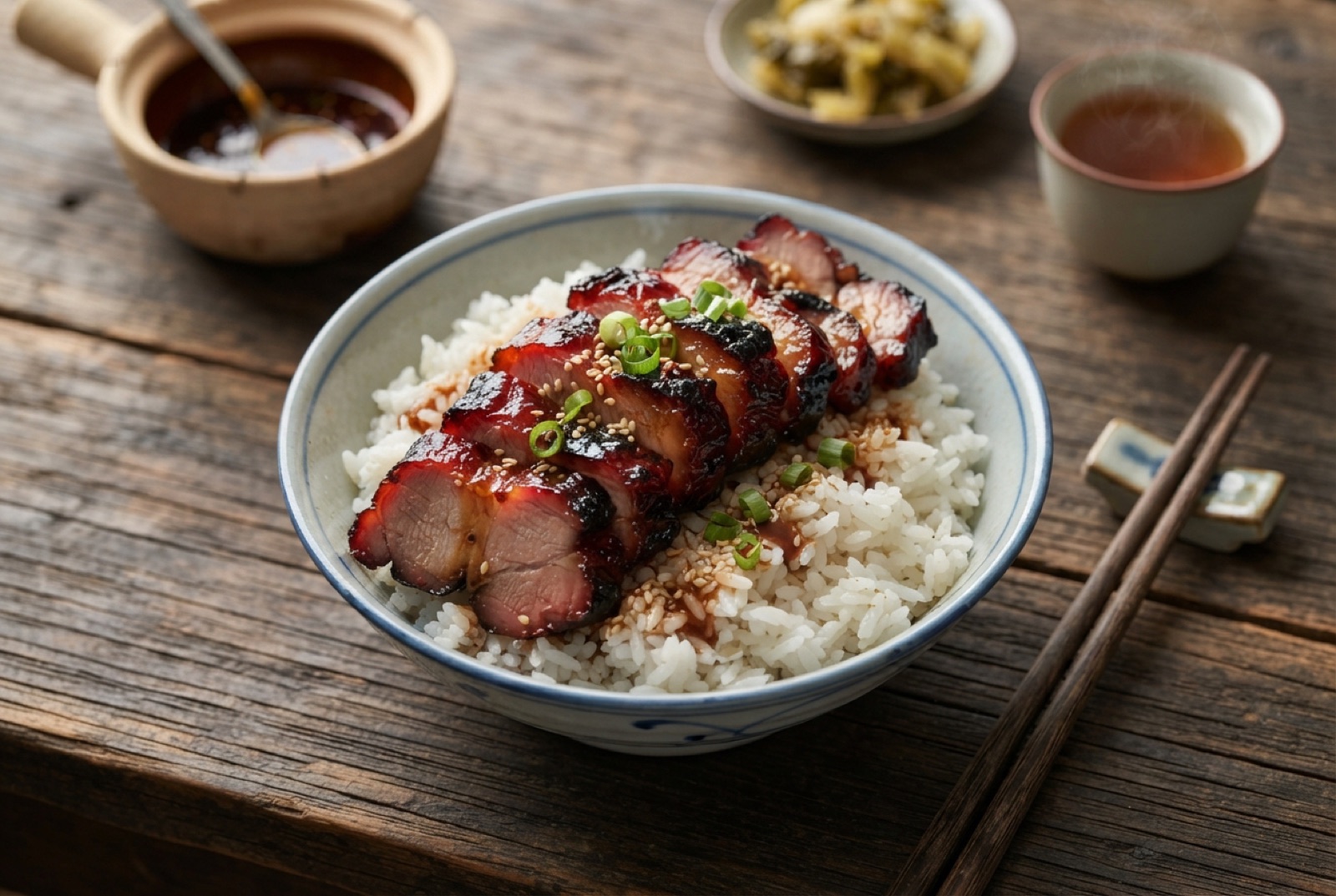
Keep exploring China.
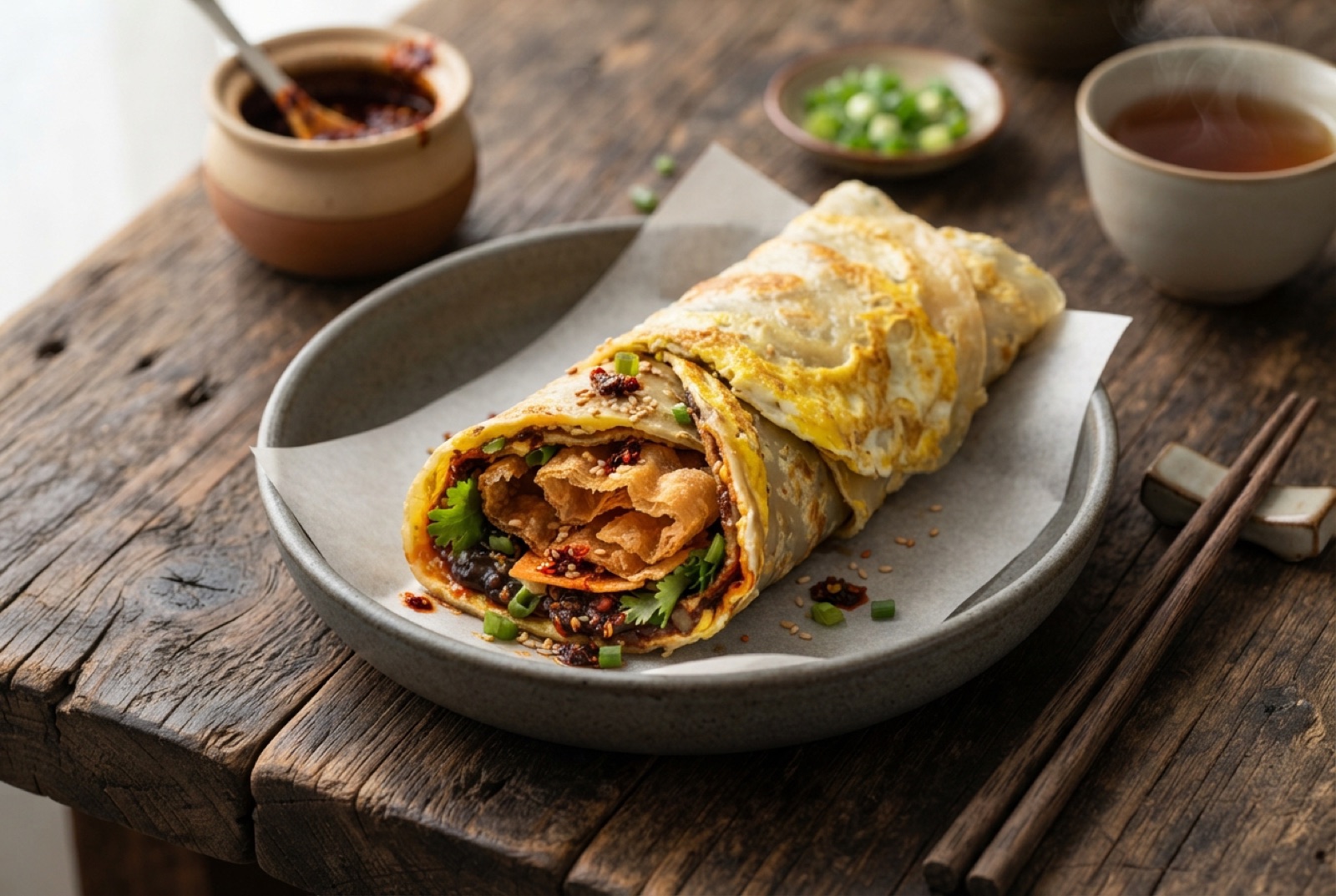
China has 9 more dishes in the atlas — Char Siu and Cong You Bing, and 7 more.
All China recipes Sticky rice recipes Sesame seeds recipes Ginger recipes dessertvegetariangluten freeRecipe by The DishRoute Kitchen · published August 19, 2026 · updated August 19, 2026