Ivory Coast.
Côte d'Ivoire
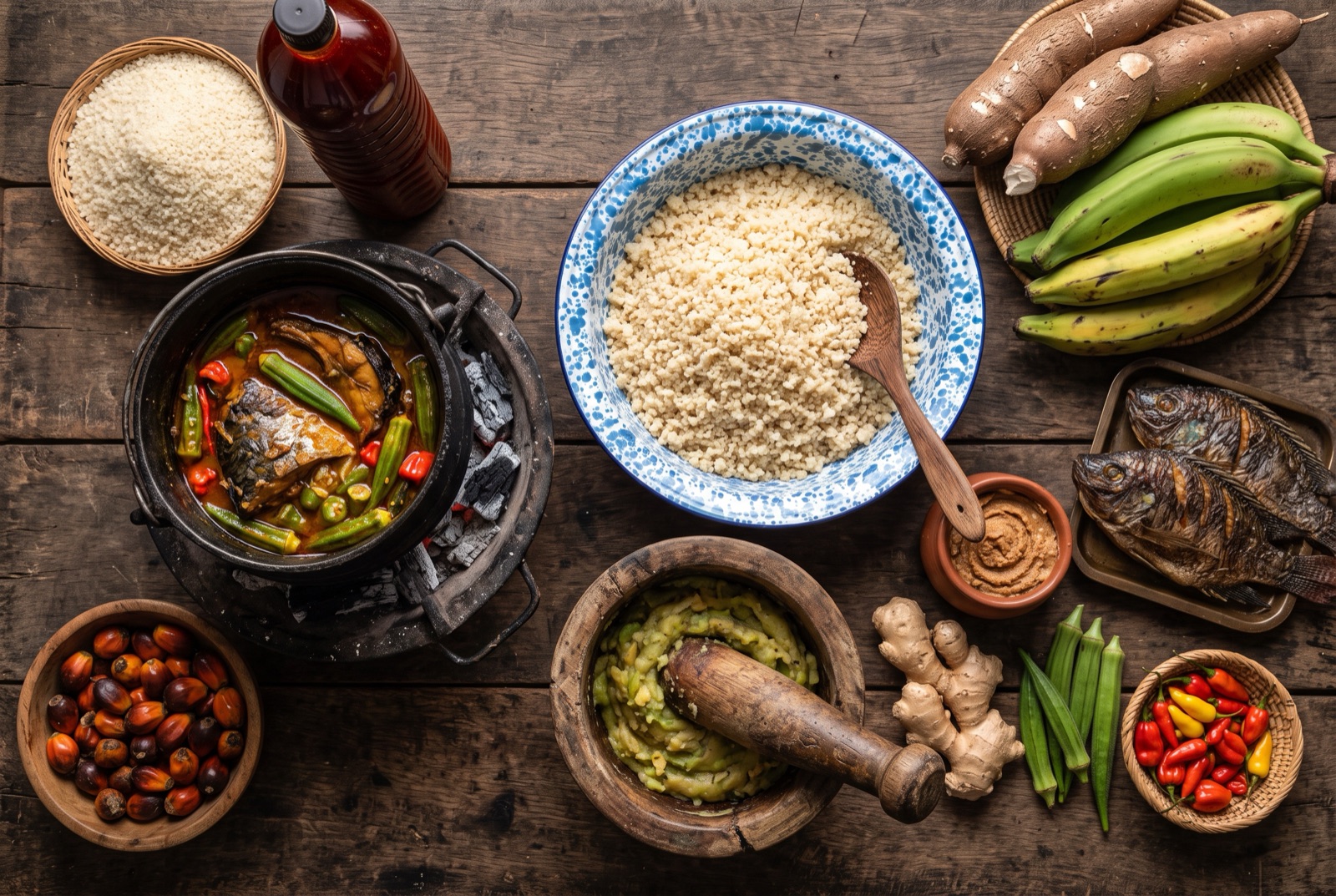
Ivorian food follows a simple grammar: choose a starch, then pour a sauce over it. The starch might be attiéké — the fine sour granules of steamed fermented cassava — or foutou, plantain and cassava pounded into a dense elastic mass, or plain white rice, or boiled yam in thick rounds. The sauce is where the cooking happens: pressed palm nut pulp, loosened groundnut paste, okra and aubergine in a thin peppery broth, almost always carrying smoked or dried fish for depth. The seasoning list is short and repeats everywhere — onion, tomato, ginger, garlic, and a serious amount of chilli. Red palm oil does most of the frying and stains the pot a colour nothing else produces. It is unhurried, generous, shared-plate cooking, and much of it is common property with Ghana, Guinea, Mali and Liberia; the borders on a map cut through kitchens that were never separate.

- Continent
- AfricaWest Africa
- Recipes in atlas
- 10
- Must-try dishes
- 3
- Pantry staples
- 10
Start with the classics.
Must tryThe dishes that explain the Ivory Coast kitchen fastest — if you cook only a few things from this page, cook these.
Inside the Ivory Coast kitchen.
Cassava, plantain, yam and rice are the four pillars, and Ivorians eat all of them rather than picking one. Cassava is the most transformed of the group: grated, fermented, pressed and steamed, it becomes attiéké, a granular starch with a faint sourness that reads a little like couscous and a little like sourdough. Plantain is eaten at every stage of ripeness — green and starchy for pounding into foutou, streaked yellow-black and sweet for frying into alloco, fully collapsed and sugary for mashing into fritters. Yam is boiled or pounded, and rice, much of it imported, has become the everyday base in cities.
The sauces divide into thick and thin. Thick ones are built on a fat-rich pulp or paste: sauce graine from palm nuts boiled and pressed for their orange pulp, sauce arachide from groundnut paste let down with stock. Both are cooked well past the point of looking done, because the finishing signal is visual — the fat has to break and float in a clear orange film on the surface. Until that happens the sauce tastes raw and pasty. Thin sauces run the other way: sauce claire and okra-based sauces are kept loose and peppery on purpose, so they slide over a swallowed starch rather than clinging to it.
Depth comes from smoked and dried fish more than from meat stock. A hand-sized piece of smoked catfish or a fistful of dried shrimp goes into the pot early and dissolves into the sauce, contributing something between savoury and faintly bitter that no fresh fish reproduces. Bouillon cubes are also genuinely standard in Ivorian home kitchens and no cook there treats them as a compromise. Chilli comes mostly from small fiercely hot varieties, used whole to perfume a pot or crushed raw into a table sauce when the eater wants real heat.
The country splits roughly between the forested, lagoon-facing south and the drier savanna north. The south has the coast, the palm plantations and Abidjan, and with them cassava, seafood, palm oil and the maquis — open-air grill restaurants where fish and chicken are cooked over wood and served with attiéké until very late. The north, closer to Mali and Burkina Faso, leans on millet, sorghum, groundnuts, dried okra and grilled meat, with Senoufo and Malinké cooking that shares far more with Bamako than with the lagoon.
Abidjan is where the two meet and where street food is at its most inventive: garba kiosks selling fried tuna on attiéké, women frying alloco on the roadside at dusk, frozen ginger juice sold in knotted sachets. Ivorian cooks are also honest about the overlap with neighbours — attiéké and alloco are strongly identified with Côte d'Ivoire, groundnut and palm nut sauces are shared across the whole region, and arguing about which country owns which is a national pastime rather than a settled matter.
Signature pantry.
10 staplesThe ingredients this cuisine cannot function without.
- attiéké
- red palm oil
- plantain
- cassava
- smoked fish
- palm nuts
- groundnut paste
- ginger
- okra
- small hot chillies (piment)
How people eat in Ivory Coast.
Meals arrive as one shared platter rather than as courses: a mound of starch in the middle, sauce ladled over or in a bowl beside it, and everyone eating from the same dish with the right hand. Foutou is not chewed — a piece is pinched off, dipped in sauce and swallowed whole, which surprises visitors more than any flavour does. Chilli is usually kept off the plate and offered separately, so each person sets their own heat. Eating is late and unhurried, especially at maquis, where a table of grilled fish and attiéké can hold people for hours. Water or a cold ginger juice comes with the food, and guests are always fed before anyone asks whether they are hungry.
Regional kitchens.
Ivory Coast cooks 4 distinctly different ways depending on where you stand — here is what changes between them.
- R1Abidjan and the lagoons
- The street-food capital: garba kiosks, roadside alloco pans and maquis grilling fish over wood until midnight. Cassava, seafood and palm oil dominate the everyday plate.
- R2The southern forest belt
- Palm plantations, cocoa and cassava country, and the home of sauce graine. Kedjenou in a sealed clay canari belongs to this humid, wooded south.
- R3The savanna north
- Senoufo and Malinké cooking around Korhogo: millet and sorghum porridges, dried okra, groundnuts and grilled meat, closer in spirit to Mali than to the coast.
- R4The centre and Baoulé country
- Yam is the prestige starch here, boiled or pounded into foutou, and the yam harvest is marked with festivals. Sauces stay lighter and more peppery than in the south.
All Ivory Coast recipes.
10 recipes and counting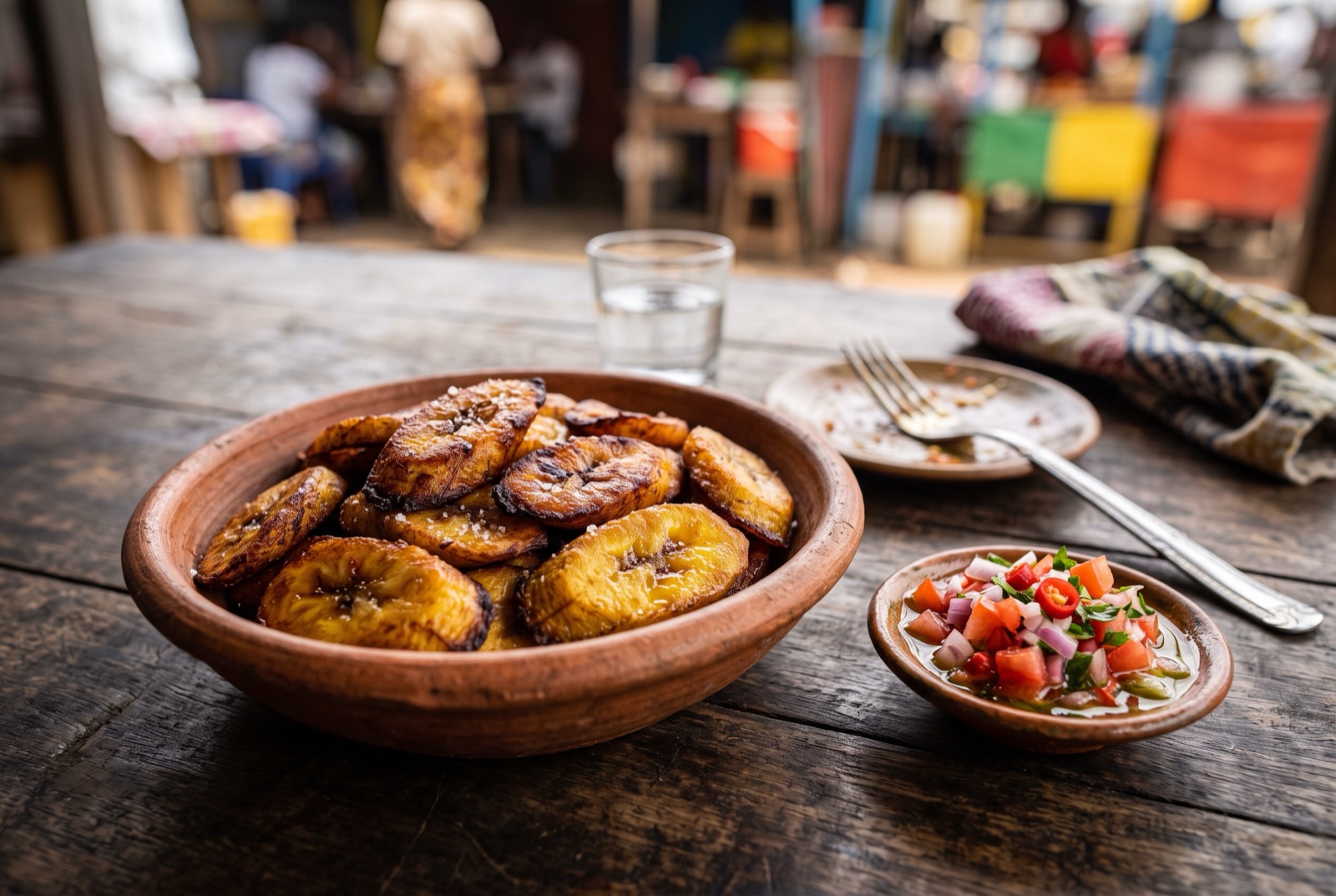
Ivory Coast35 min
Alloco
Ivorian Fried Ripe Plantain
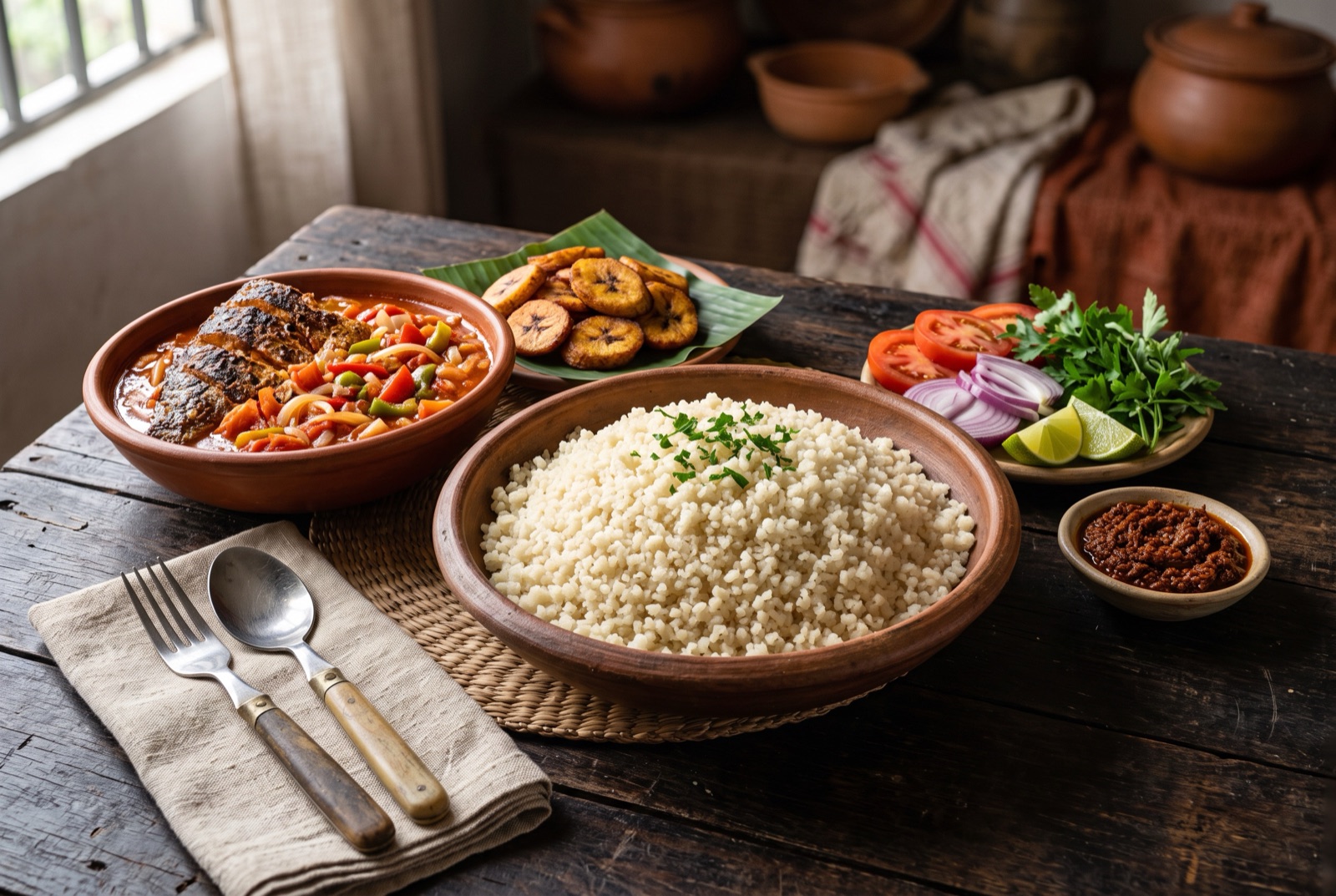
Ivory Coast53 hr 35 min
Attiéké
Ivorian Fermented Cassava Couscous
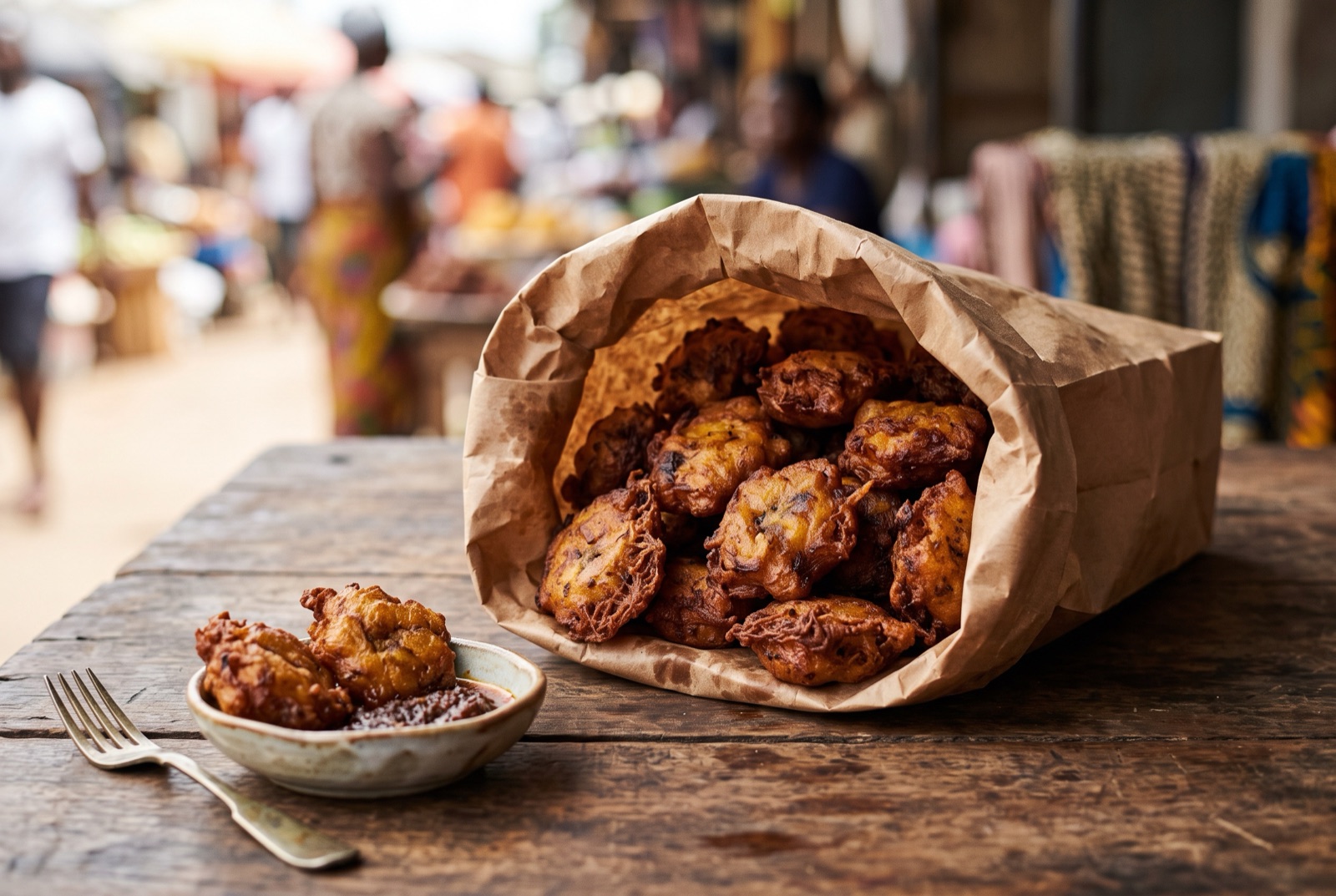
Ivory Coast35 min
Claclo
Ivorian Sweet Plantain Fritters
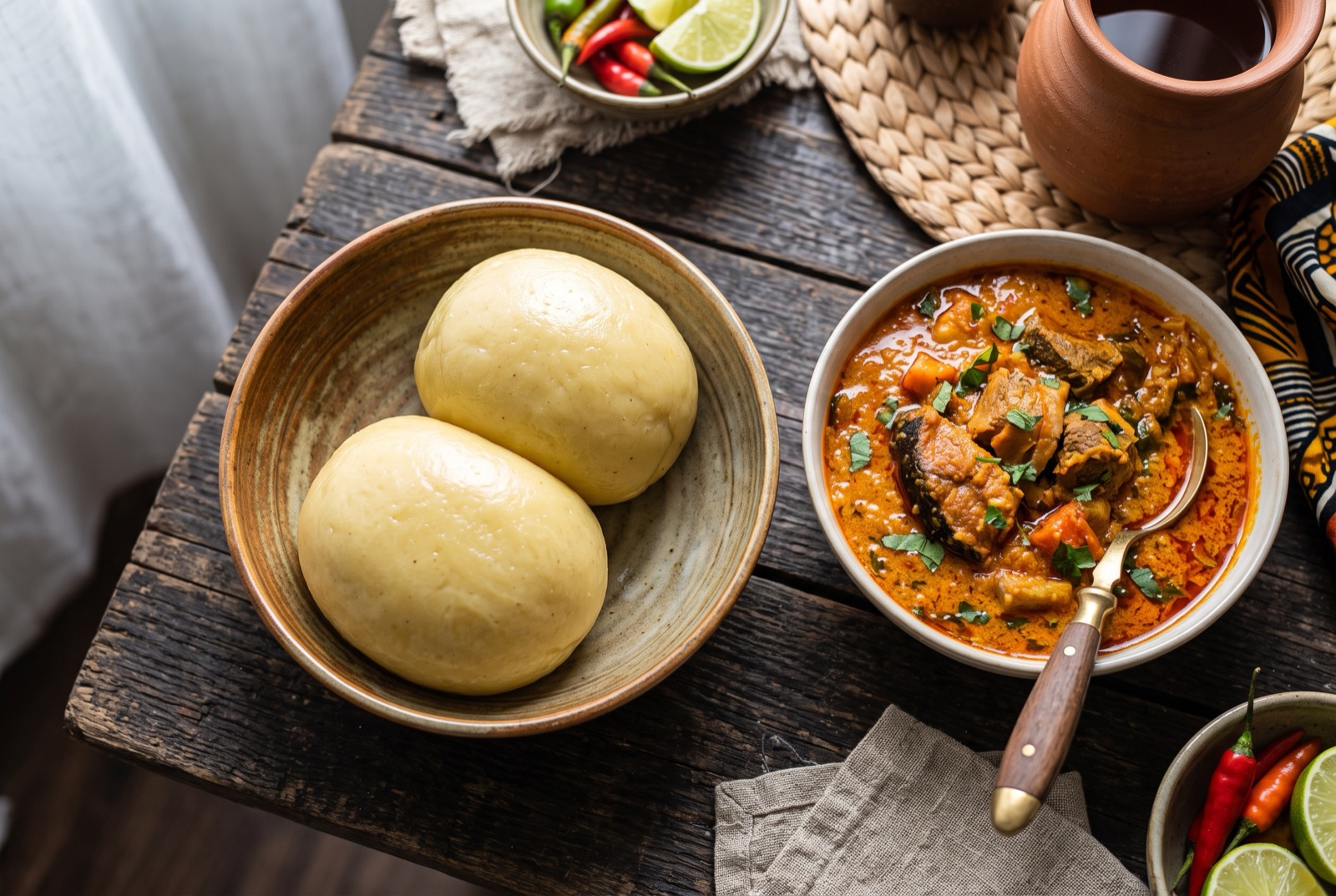
Ivory Coast1 hr
Foutou Banane
Pounded Plantain and Cassava
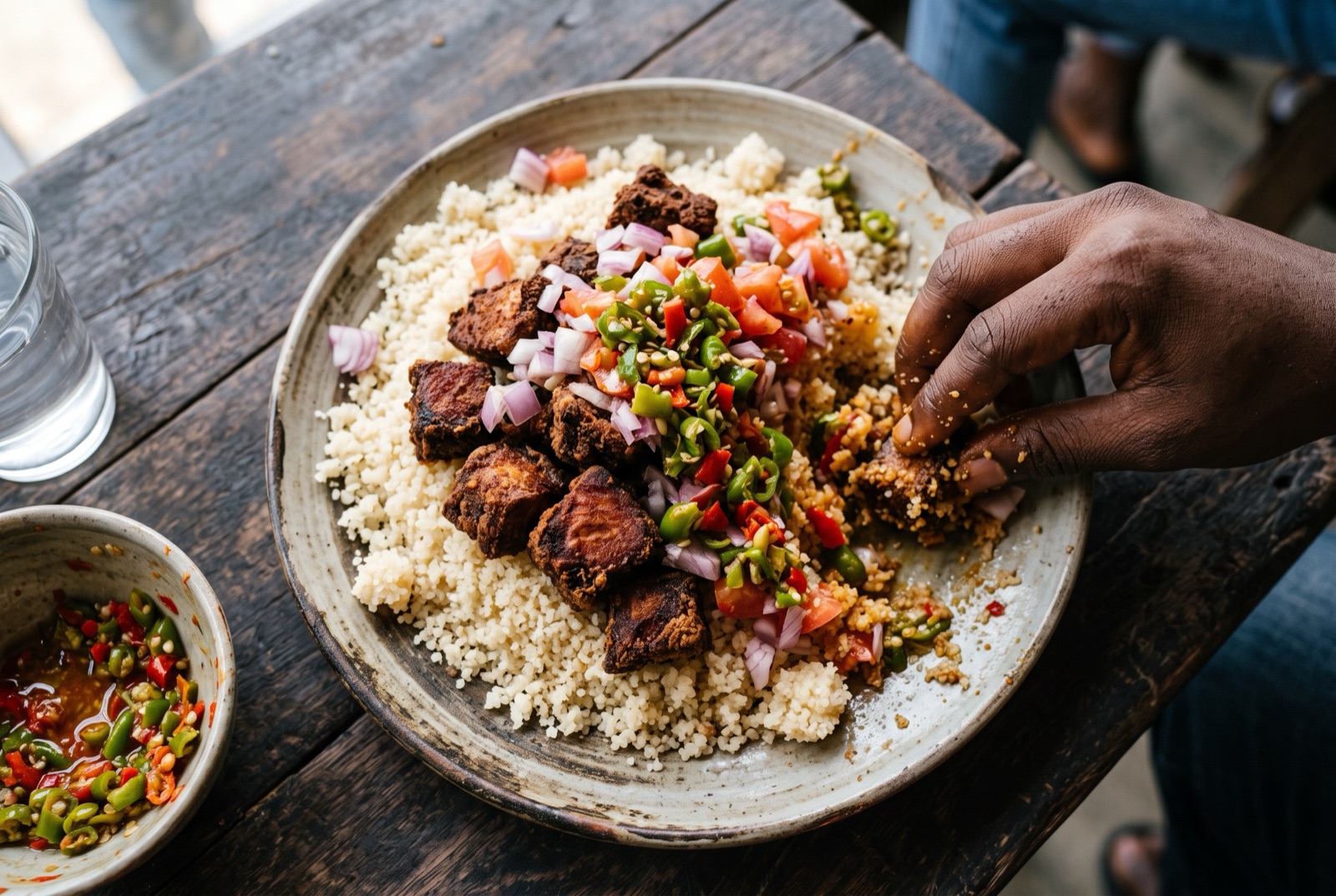
Ivory Coast40 min
Garba
Attiéké with Fried Tuna
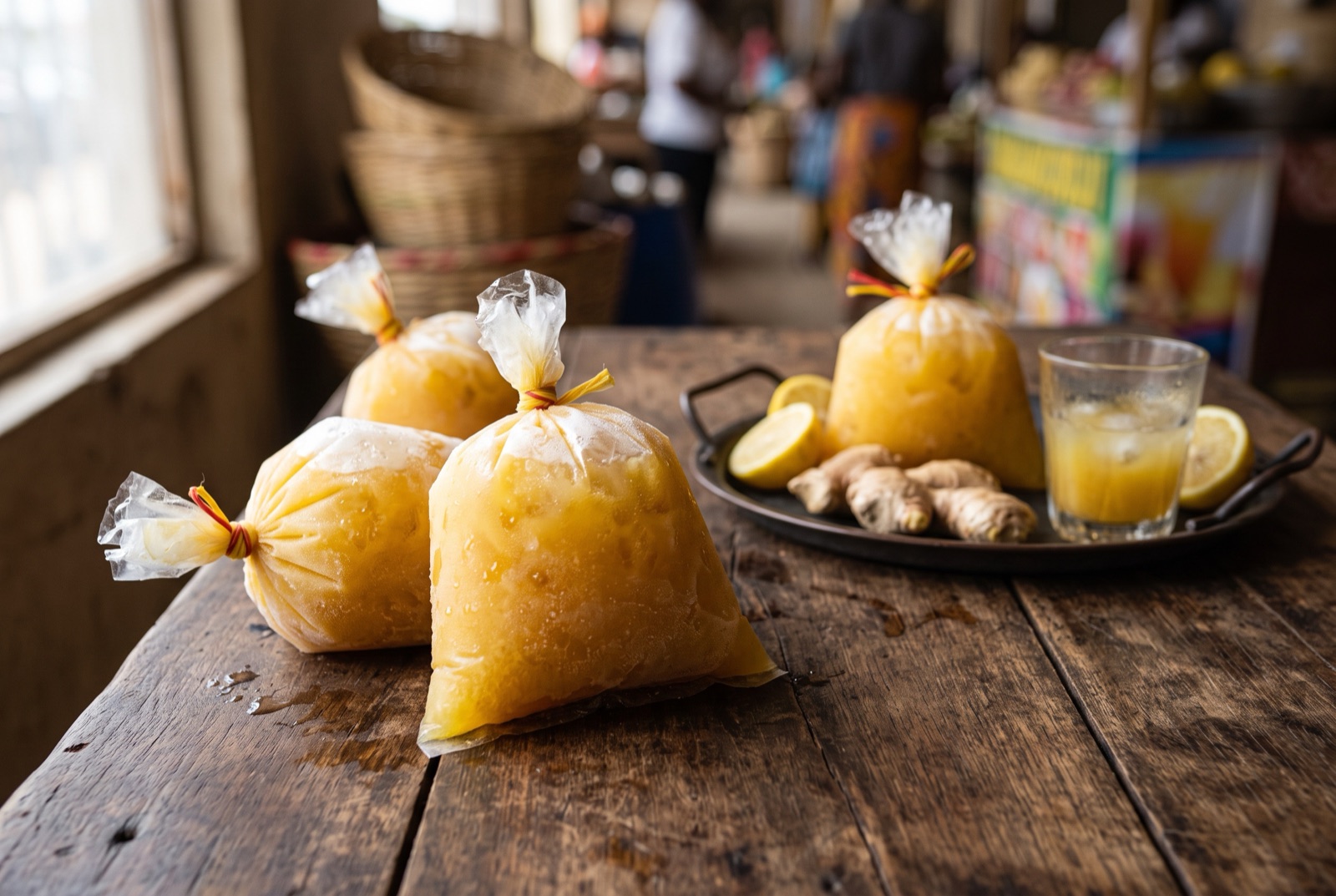
Ivory Coast4 hr 25 min
Gnamankoudji
Ivorian Spiced Ginger Juice
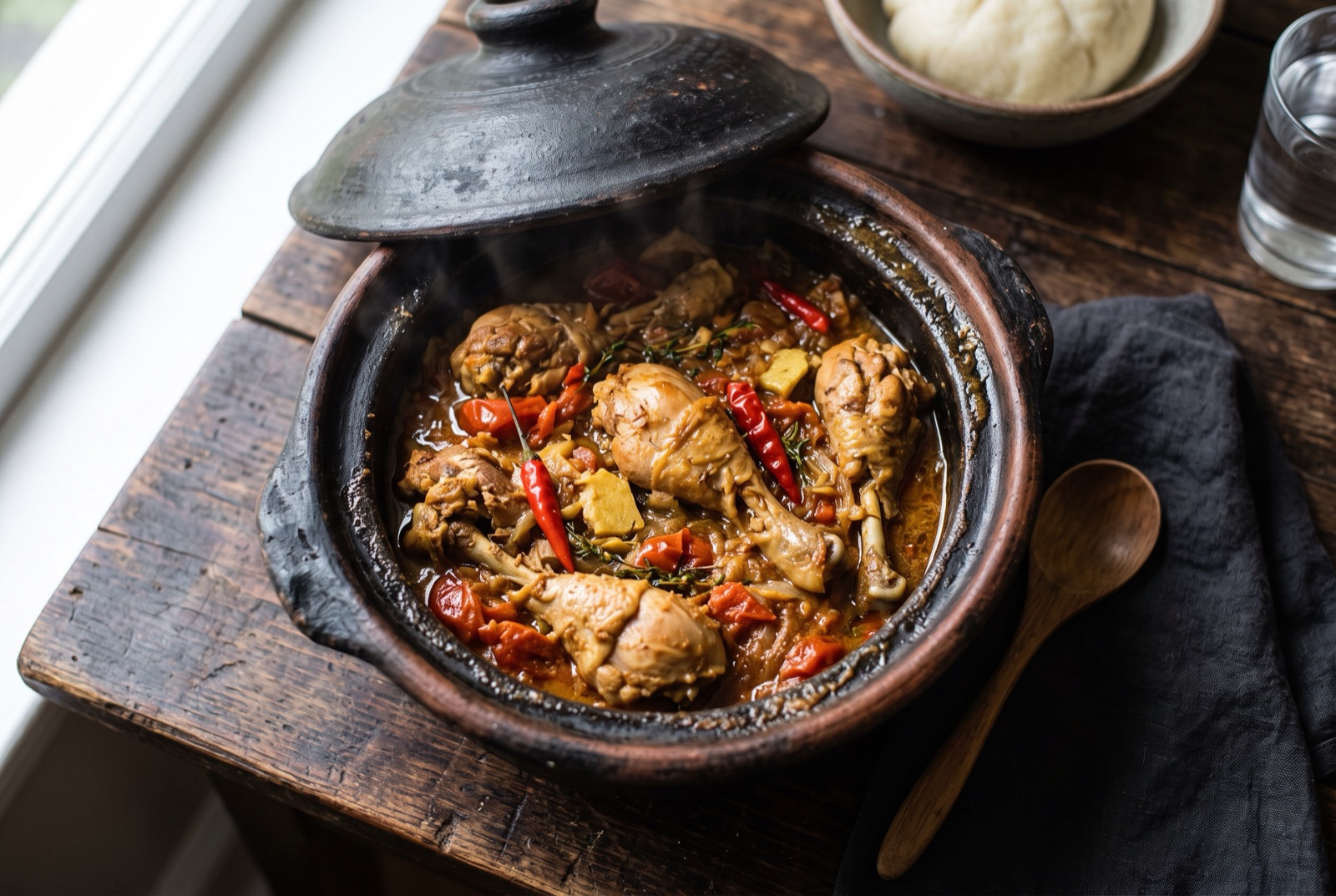
Ivory Coast1 hr 40 min
Kedjenou
Ivorian Sealed-Pot Chicken Stew
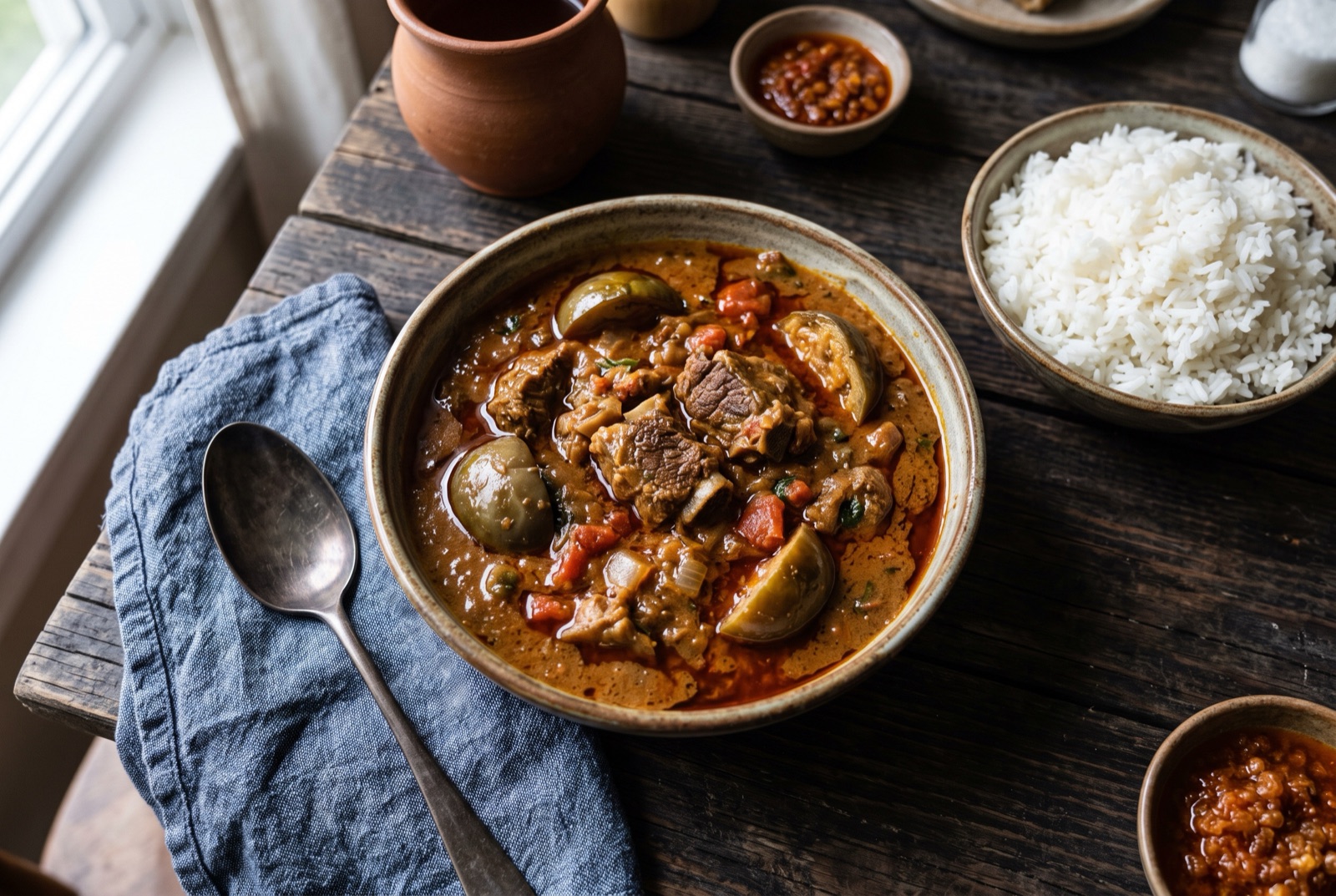
Ivory Coast1 hr 40 min
Sauce Arachide
Ivorian Groundnut Stew
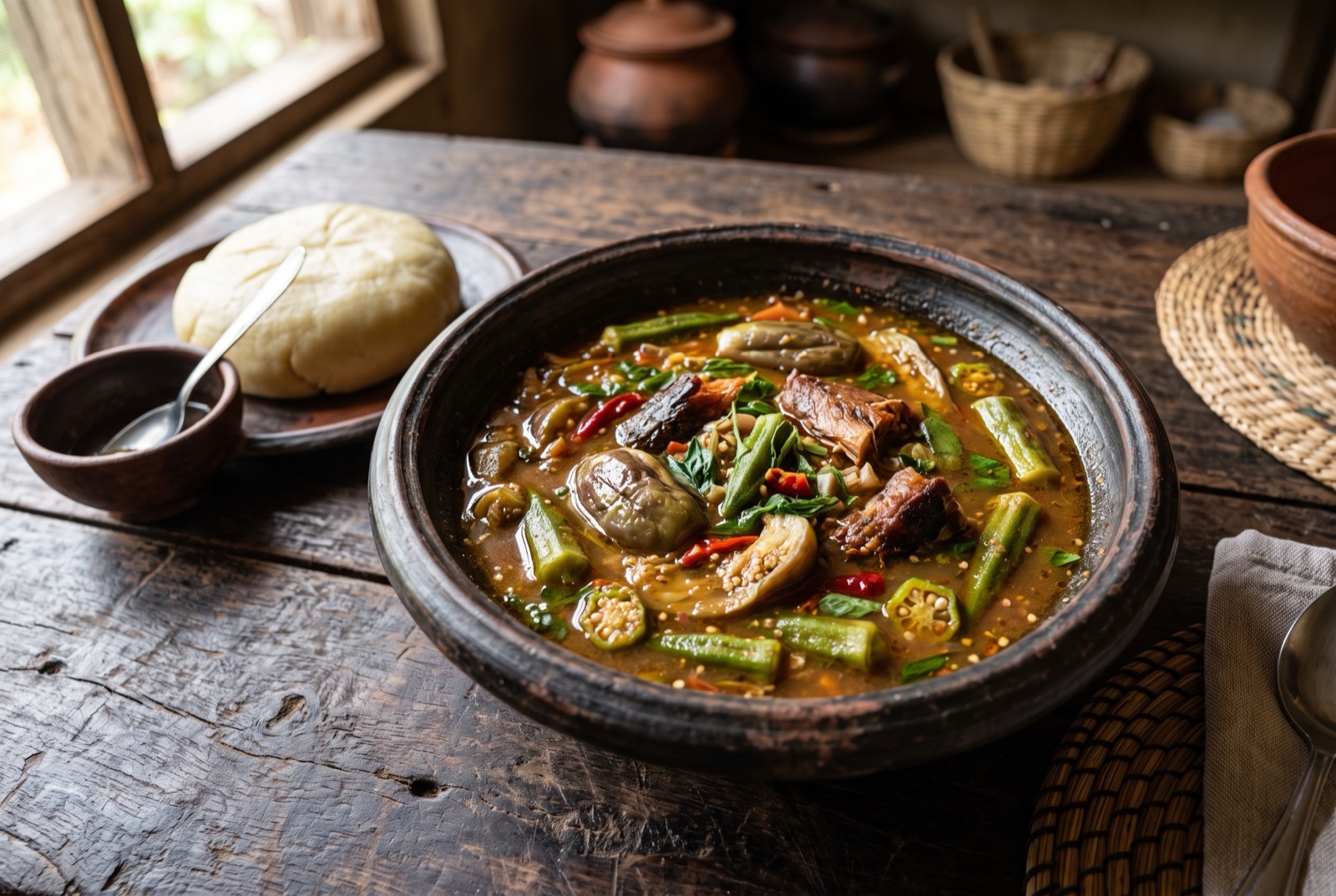
Ivory Coast50 min
Sauce Claire
Light Aubergine and Okra Broth
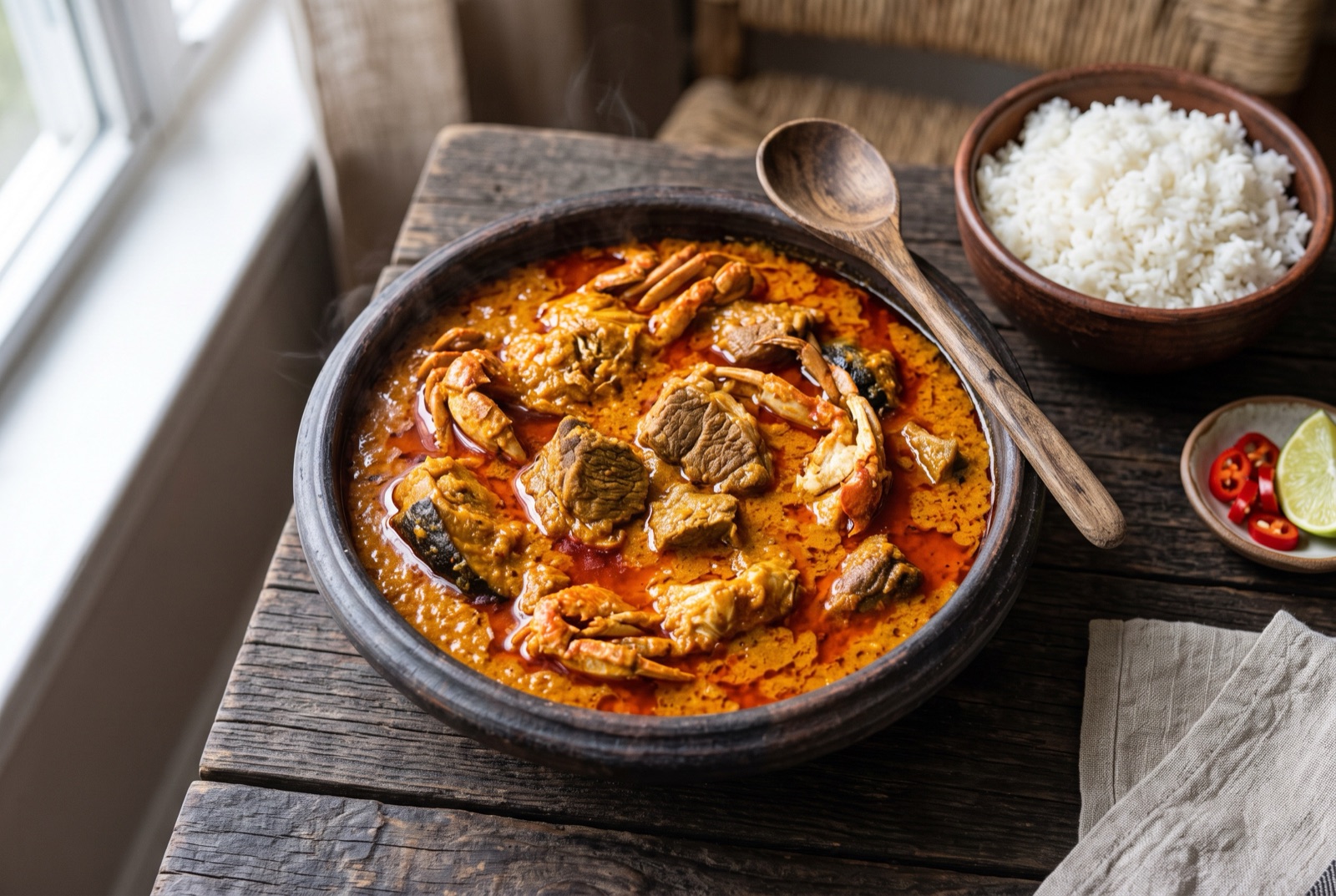
Ivory Coast1 hr 55 min
Sauce Graine
Ivorian Palm Nut Stew
Keep traveling.
Ivory Coast sits in West Africa, and its kitchen shares borders as well as ingredients with Algeria and Cameroon.
 Algeria
 Cameroon