Bosnia and Herzegovina.
Bosna i Hercegovina
Bosnian cooking is the most thoroughly Ottoman kitchen left in Europe, and it is quieter than outsiders expect. There is no wall of paprika, no heavy hand with garlic, no chile at all: the seasoning is usually salt, black pepper and onion, and the flavour is meant to come from the meat, the fat and the length of the cooking. Dishes are built rather than stirred — layers packed into a pot and left alone, minced meat rolled into stretched pastry, onions hollowed and refilled, dumplings folded four at a time by hand. Milk products do the finishing work that spice does elsewhere: kajmak melting into hot bread, thick sour cream poured over a potato bake, garlicky yoghurt flooding a plate of dumplings. It is also a Muslim-majority country by tradition, so pork is largely absent and beef, veal, lamb and chicken carry the weight — which makes Bosnian food quietly one of the most halal-friendly cuisines in Europe without ever advertising itself as such.

- Continent
- EuropeBalkans
- Recipes in atlas
- 10
- Must-try dishes
- 3
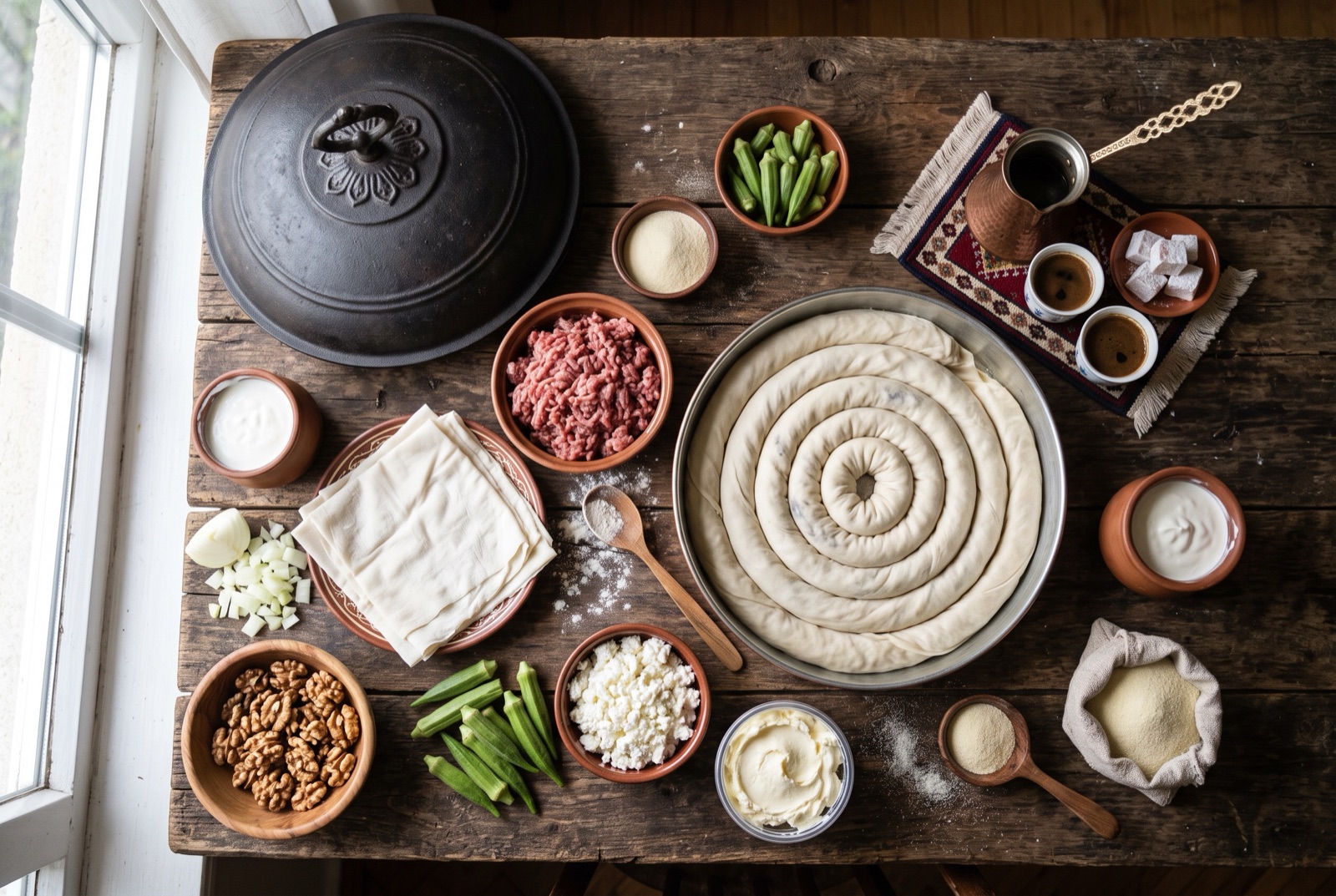
- Pantry staples
- 9
Start with the classics.
Must tryThe dishes that explain the Bosnia and Herzegovina kitchen fastest — if you cook only a few things from this page, cook these.
Inside the Bosnia and Herzegovina kitchen.
The pastry tradition comes first, because in Bosnia it is a daily habit rather than a special occasion. Jufka — dough stretched by hand across a floured table until you can read newsprint through it — is rolled around a filling, coiled into a spiral and baked in a round metal pan called a tepsija. The family of pies is collectively called pita, and each filling gets its own name: burek with minced beef, sirnica with cheese, zeljanica with greens and curd, krompiruša with potato, tikvenjača with squash. This matters for one famous argument: in Bosnia, burek means meat, full stop. Ordering "cheese burek" in Sarajevo gets you corrected on the spot, while in Serbia and Croatia the word is used loosely for any pita — one of the friendliest running disputes in the region.
The second pillar is slow, undisturbed cooking. Bosanski lonac is the emblem: a tall earthenware pot filled in layers with chunks of beef and lamb, cabbage, potato, carrot and whole heads of garlic, sealed with a lid or a sheet of dough and left for hours over low heat while cooks are explicitly told not to stir it. The same restraint shows up in dolme and sarme — vegetables hollowed or leaves rolled around minced meat and rice, packed tightly upright in a pot so they hold their shape, then simmered slowly under a plate. Sogan-dolma, whole onions separated into shells and stuffed, is the Sarajevo version that no neighbouring country makes in quite the same way.
Soup is a course in its own right and almost always thickened. Begova čorba — the "bey's soup" of chicken, veal, okra and root vegetables, finished with an egg-yolk and cream liaison — is the aristocratic end of a family of čorbe that reach down to everyday flour-and-fat soups. A thin dry-roux (zaprška) of flour cooked in fat is the standard Bosnian thickener, borrowed from the Austro-Hungarian half of the country's history and used with a lighter hand than in Vienna.
Dairy is where Bosnia and its neighbours agree completely. Kajmak, skimmed from boiled milk and matured until it turns from cream into something closer to a soft cheese, is spread on bread, melted over ćevapi and eaten with fried dough for breakfast. Young curd cheese goes into pies; thick sour cream is poured over potato dishes; drinkable yoghurt is the default partner for anything baked in a tepsija.
Sweets are unmistakably Ottoman: pastries drenched in cold syrup after baking (hurmašice, baklava, tufahije in their sugar bath), heavy on walnuts, semolina and butter, and served with the small copper-pot coffee — bosanska kafa — that is closer to Turkish coffee than to anything Western. Coffee is not a drink here so much as a unit of time; the word ćeif, meaning unhurried pleasure taken properly, is applied to it more than to anything else.
Signature pantry.
9 staplesThe ingredients this cuisine cannot function without.
- kajmak
- jufka (hand-stretched pastry)
- young curd cheese
- minced beef
- onions
- sour cream
- okra
- walnuts
- semolina
How people eat in Bosnia and Herzegovina.
Lunch is the serious meal, and soup usually opens it rather than salad. Bread is on the table at every meal and is not treated as optional. Guests are fed on arrival whether or not they are hungry, and refusing outright is read as unfriendliness — accepting a little is the polite exit. Because most of the country is Muslim by tradition, pork is rarely served and alcohol is not assumed; coffee carries the social weight instead, brewed in a džezva, poured into small fildžan cups and drunk slowly with a cube of sugar held in the teeth or a piece of rahat lokum on the side. During Ramadan the rhythm of the whole day changes, and iftar tables are where the most labour-intensive dishes — sogan-dolma, stuffed vegetables, syrup sweets — actually get made.
Regional kitchens.
Bosnia and Herzegovina cooks 4 distinctly different ways depending on where you stand — here is what changes between them.
- R1Sarajevo and Central Bosnia
- The Ottoman core, where the pie shops, the čevabdžinice and the coffee ritual are at their most codified. Sogan-dolma, begova čorba and coiled meat burek are city dishes before they are country ones.
- R2Herzegovina
- The dry, sunlit south around Mostar and Trebinje, with Mediterranean leanings: lamb, figs, pomegranates, olive oil and the country's serious wine grapes, žilavka and blatina.
- R3Bosanska Krajina
- The northwest around Bihać and Banja Luka, potato and dairy country. Kljukuša, cream-heavy baking and the Krajina style of grilling belong here.
- R4Posavina and the Northern Plains
- Flat farmland along the Sava, the most Central European corner of the country — more pork, more smoked meat, more Austro-Hungarian baking than anywhere further south.
All Bosnia and Herzegovina recipes.
10 recipes and counting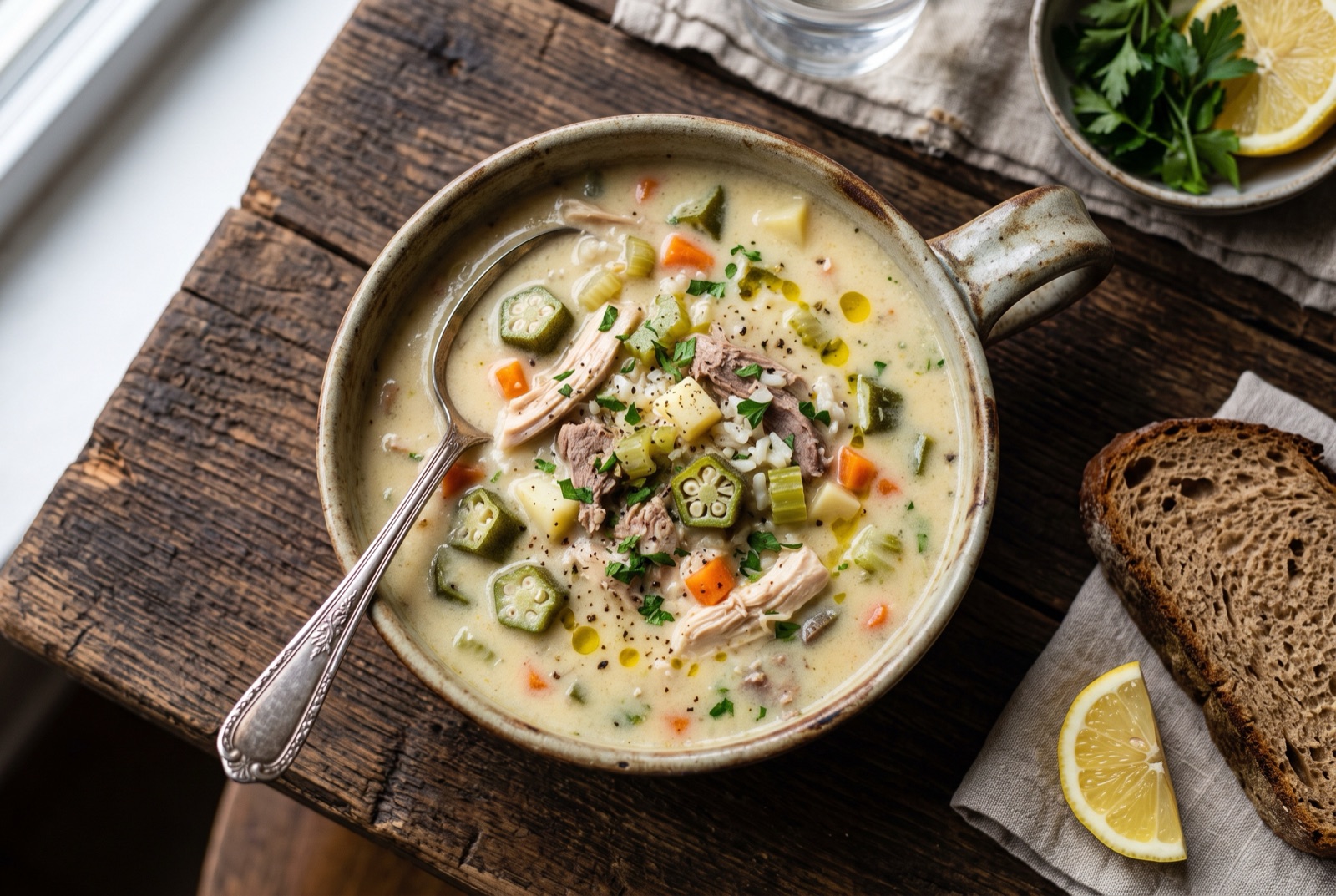
Bosnia and Herzegovina1 hr 45 min
Begova Čorba
Bosnian Bey's Chicken and Okra Soup
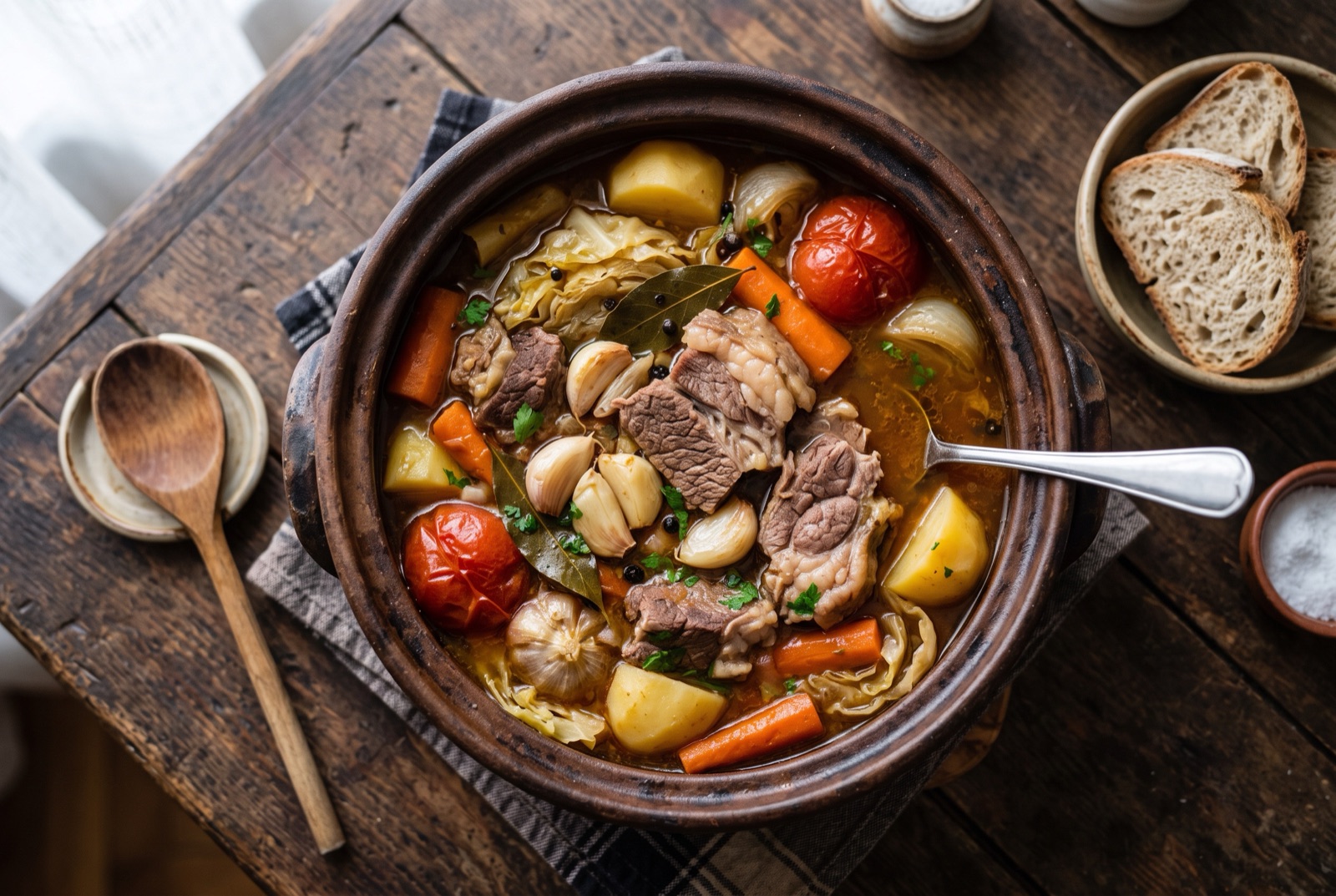
Bosnia and Herzegovina3 hr 45 min
Bosanski Lonac
Layered Bosnian Meat and Vegetable Pot
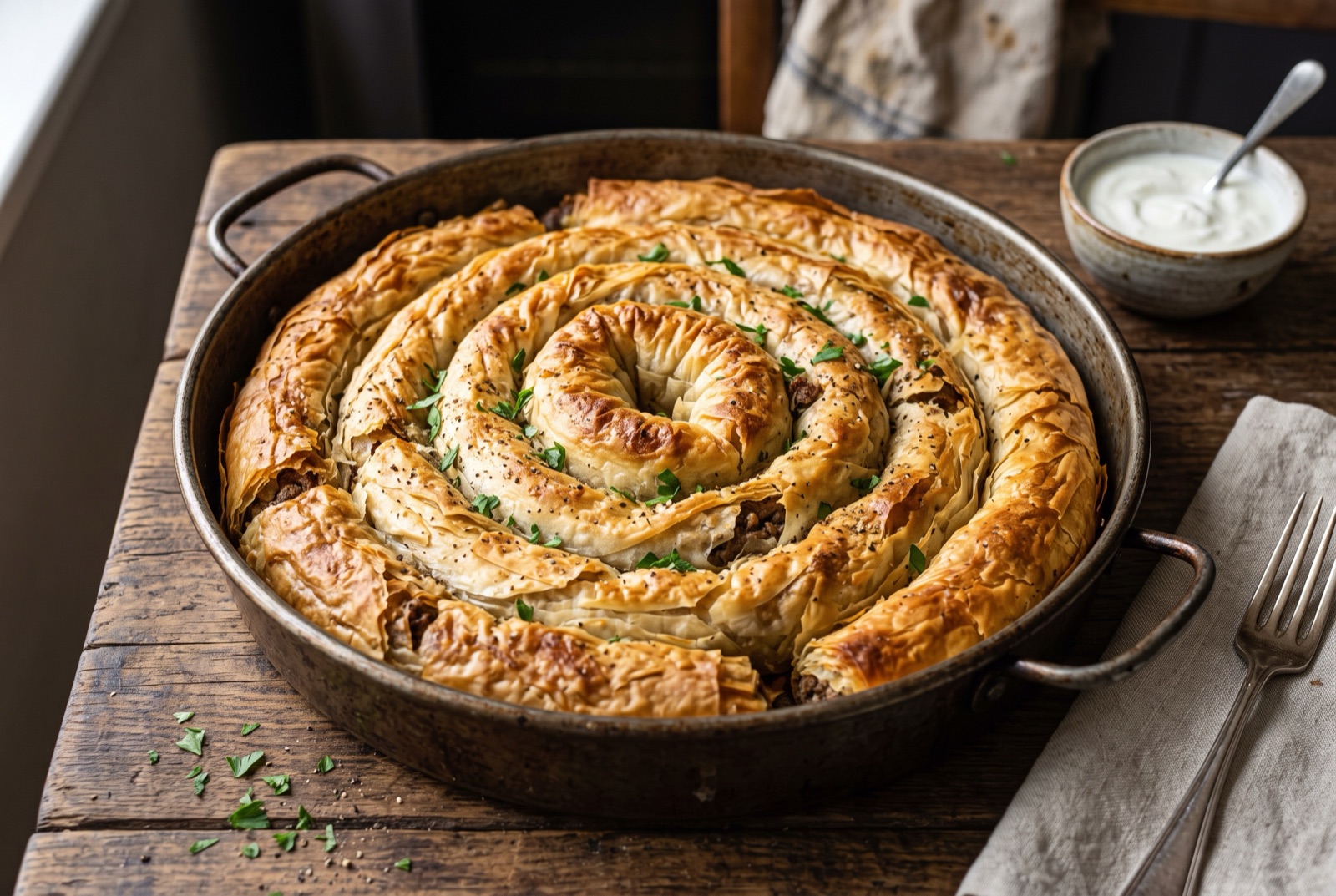
Bosnia and Herzegovina2 hr 5 min
Burek
Bosnian Coiled Filo Pie with Minced Beef
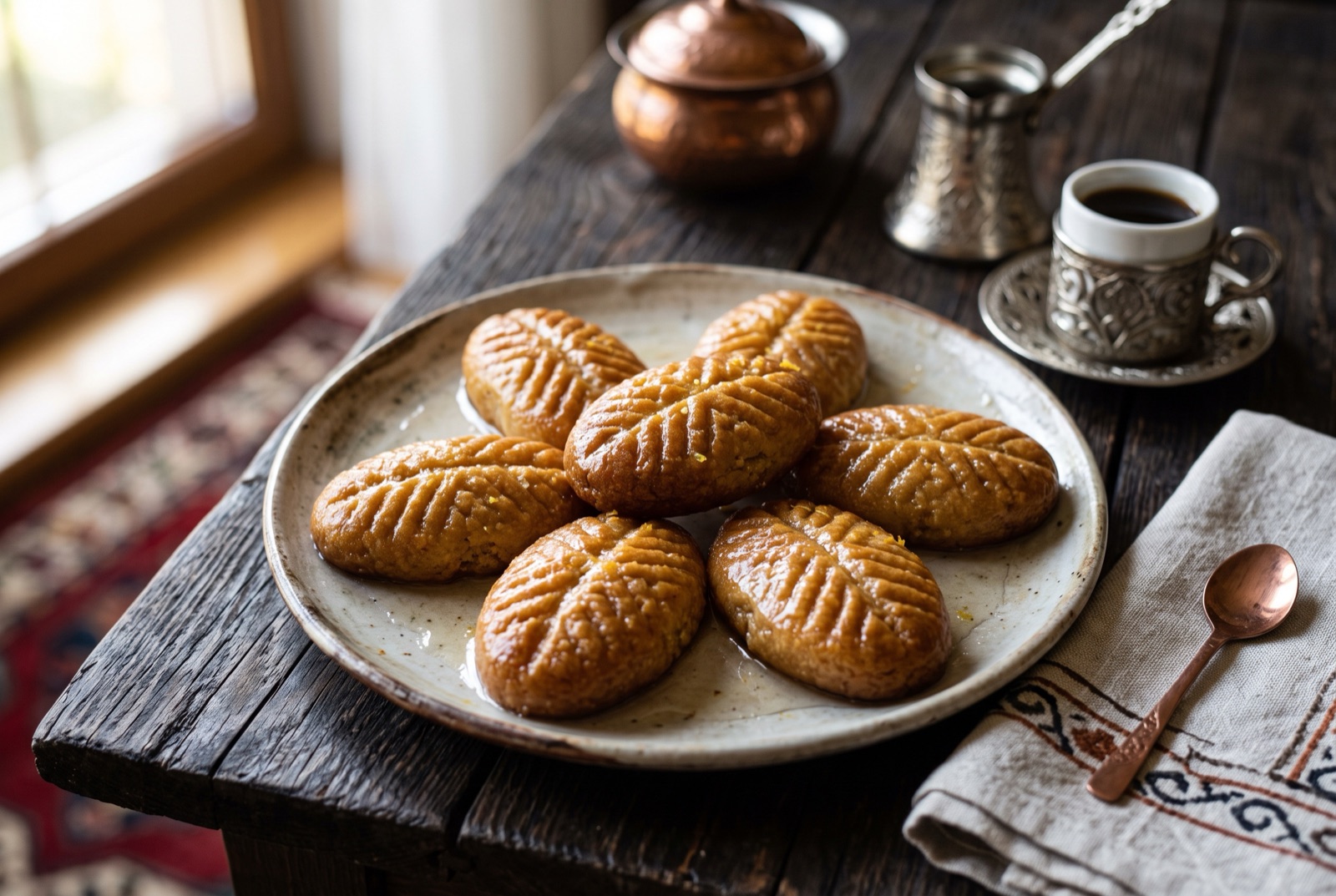
Bosnia and Herzegovina2 hr 55 min
Hurmašice
Bosnian Semolina Cookies in Lemon Syrup
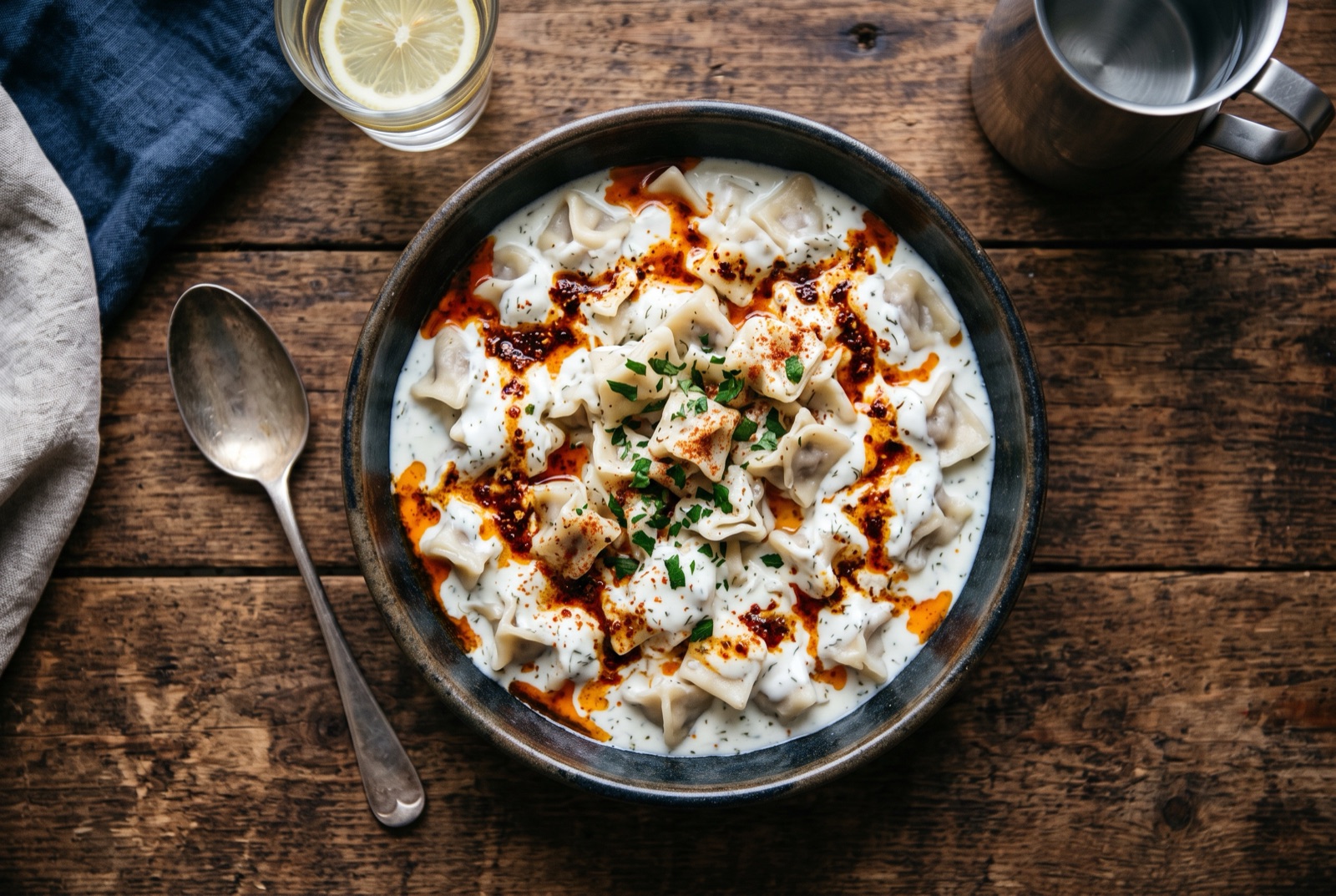
Bosnia and Herzegovina1 hr 45 min
Klepe
Bosnian Beef Dumplings in Garlic Yoghurt
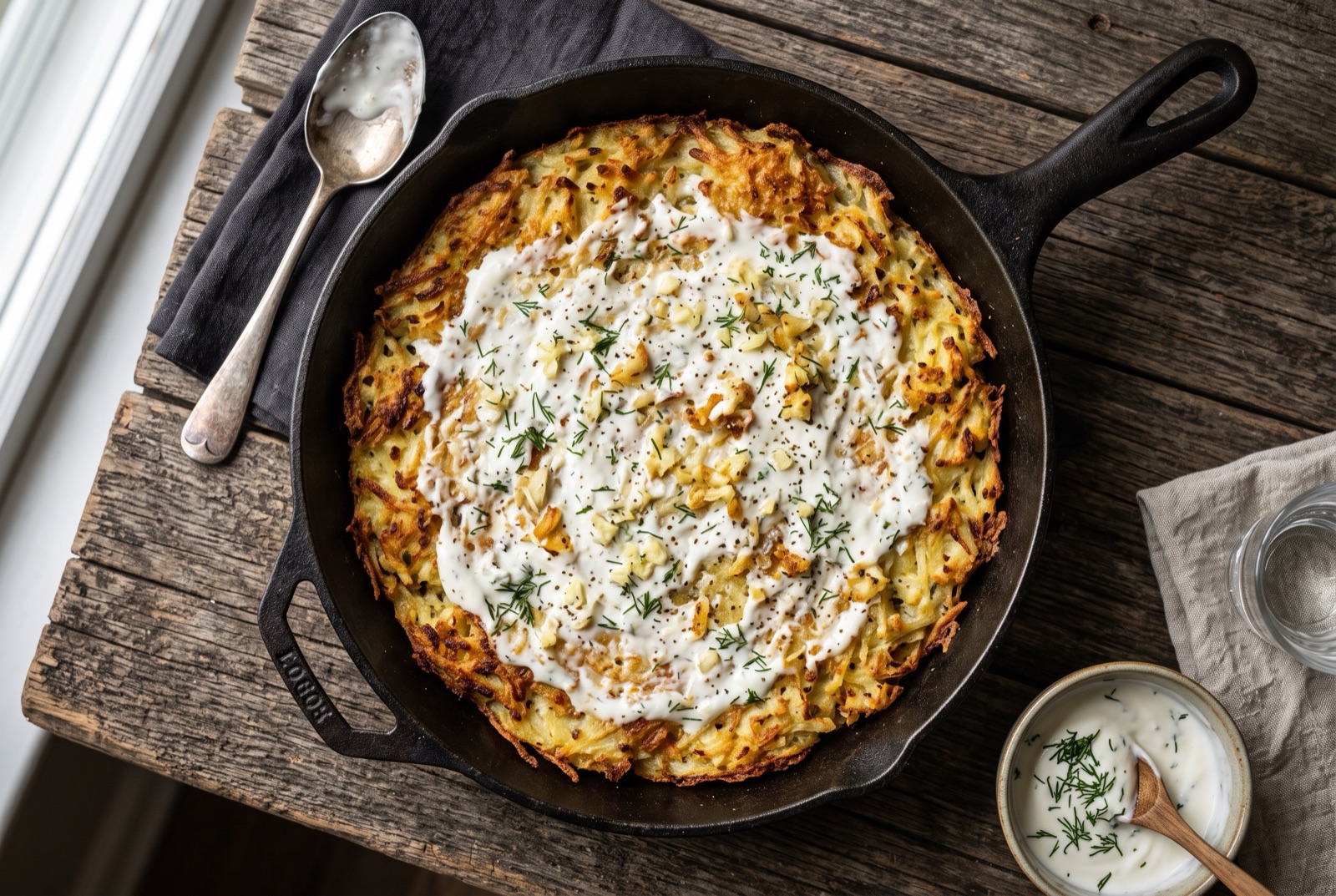
Bosnia and Herzegovina1 hr 10 min
Kljukuša
Bosnian Grated Potato Bake with Garlic Cream
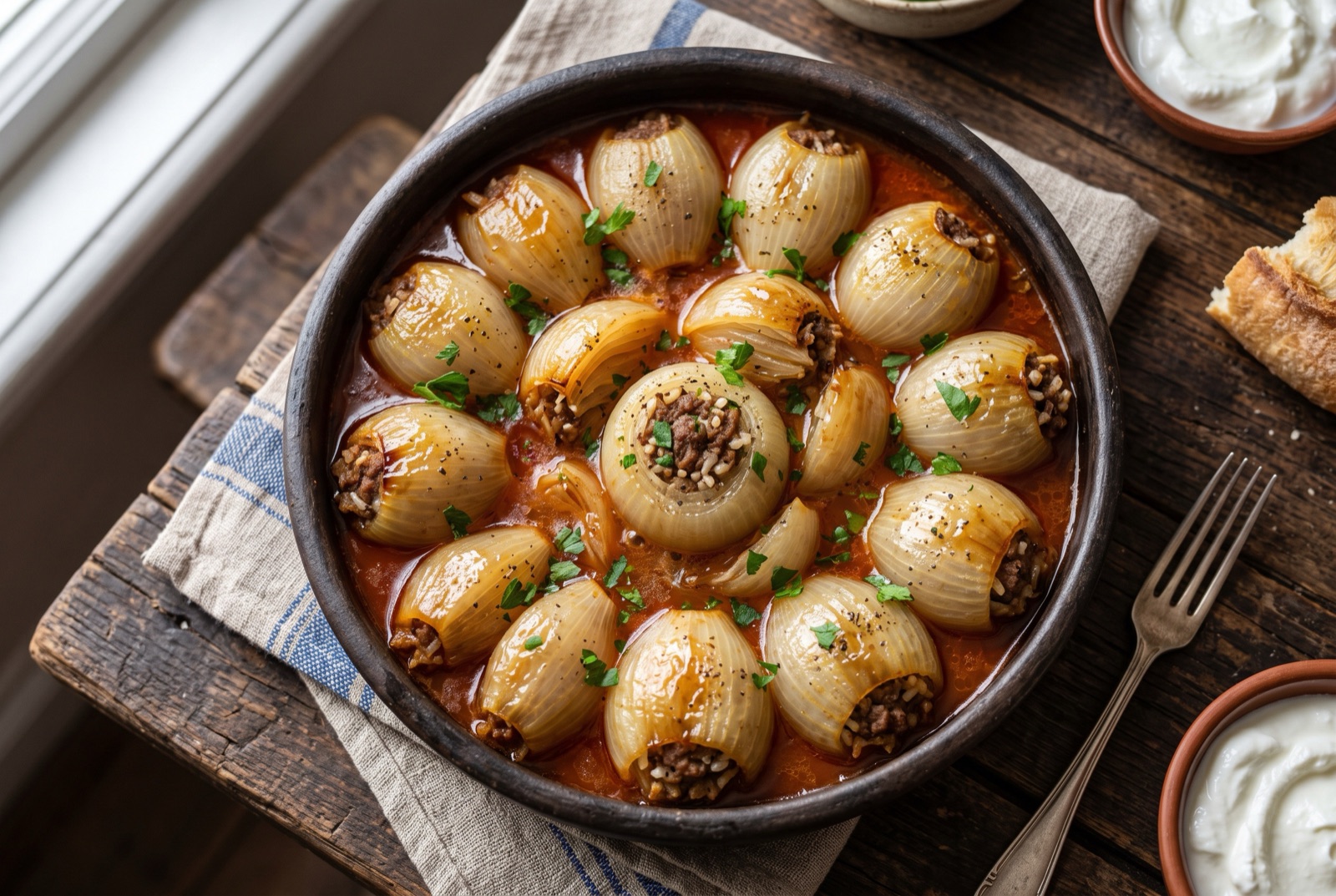
Bosnia and Herzegovina2 hr 15 min
Sogan-Dolma
Sarajevo Stuffed Onions in Tomato Broth
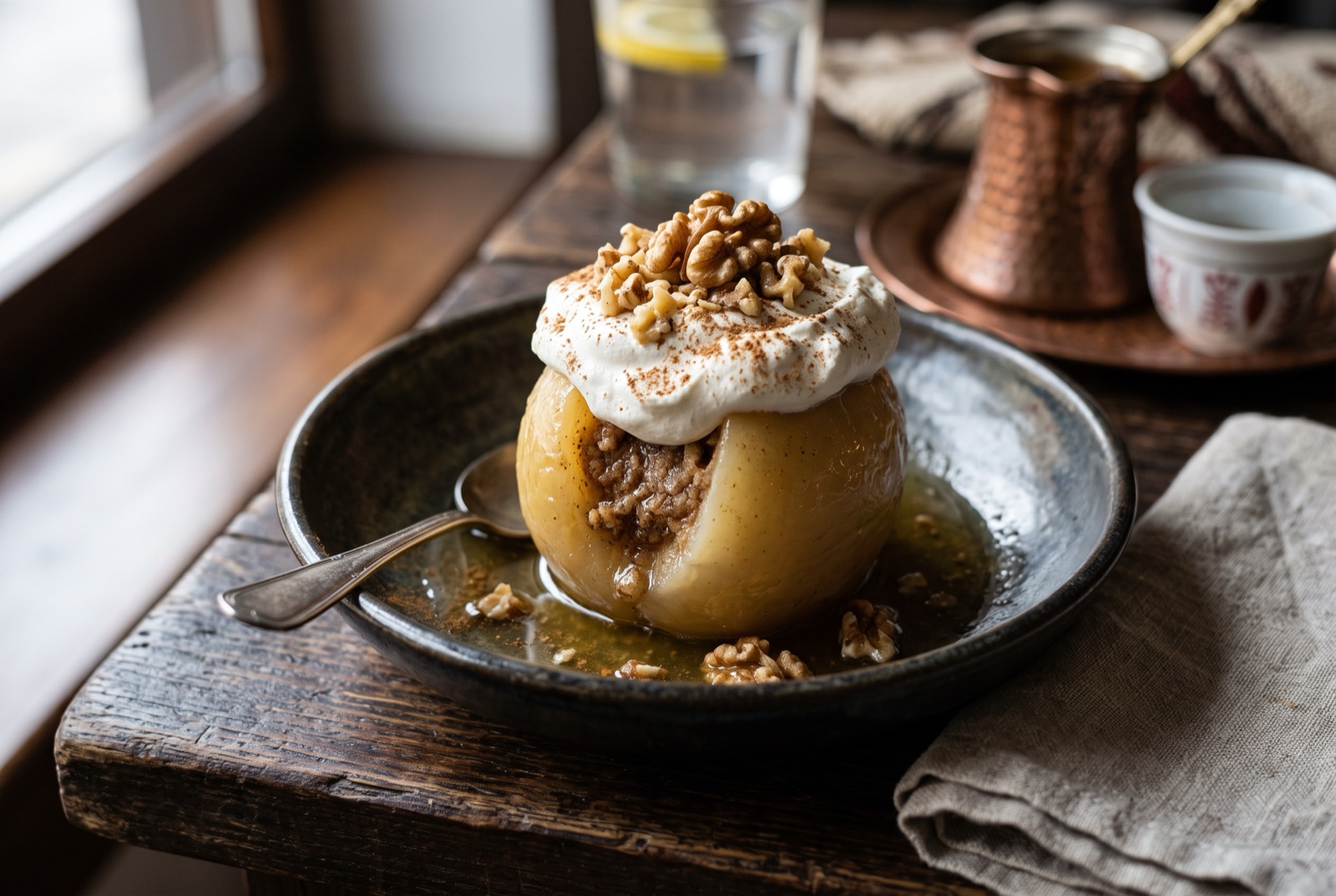
Bosnia and Herzegovina4 hr 55 min
Tufahije
Bosnian Walnut-Stuffed Poached Apples
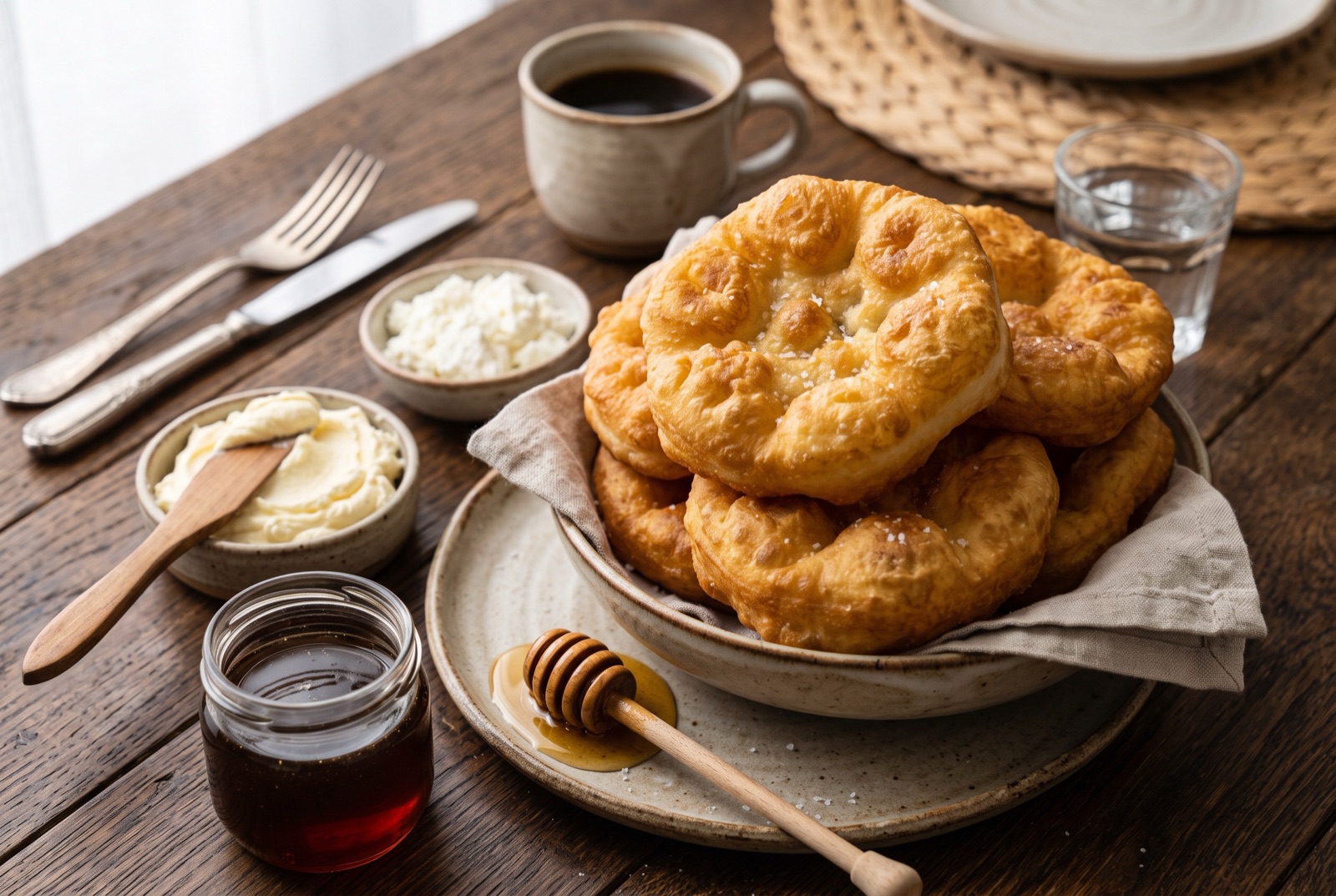
Bosnia and Herzegovina1 hr 35 min
Uštipci
Bosnian Fried Dough Puffs with Kajmak
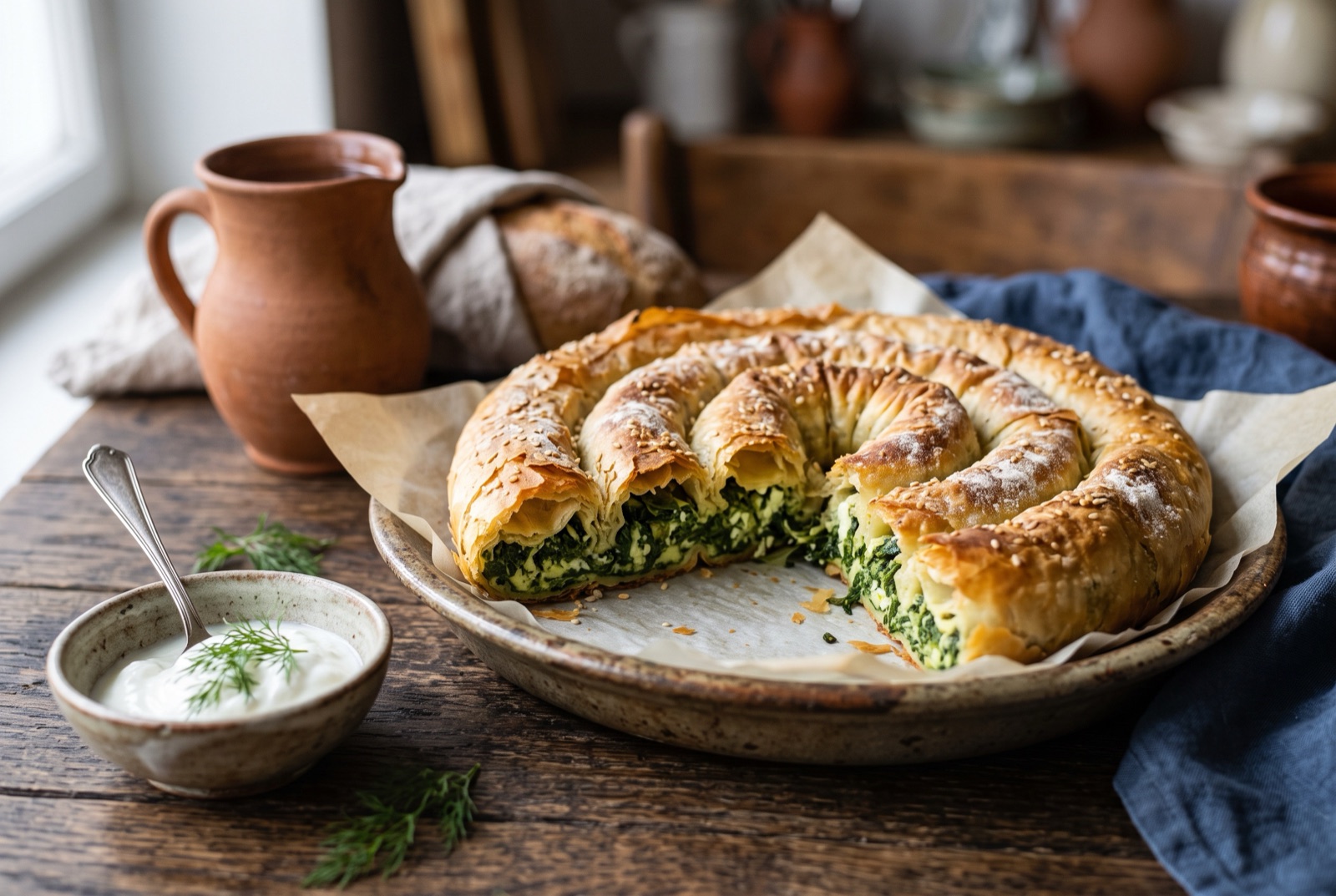
Bosnia and Herzegovina1 hr 25 min
Zeljanica
Bosnian Spinach and Curd Cheese Pie
Keep traveling.
Bosnia and Herzegovina sits in Balkans, and its kitchen shares borders as well as ingredients with Albania and Austria.
 Albania
 Austria