Uštipci.
Bosnian Fried Dough Puffs with Kajmak
Uštipci · say it: OOSH-tip-tsi
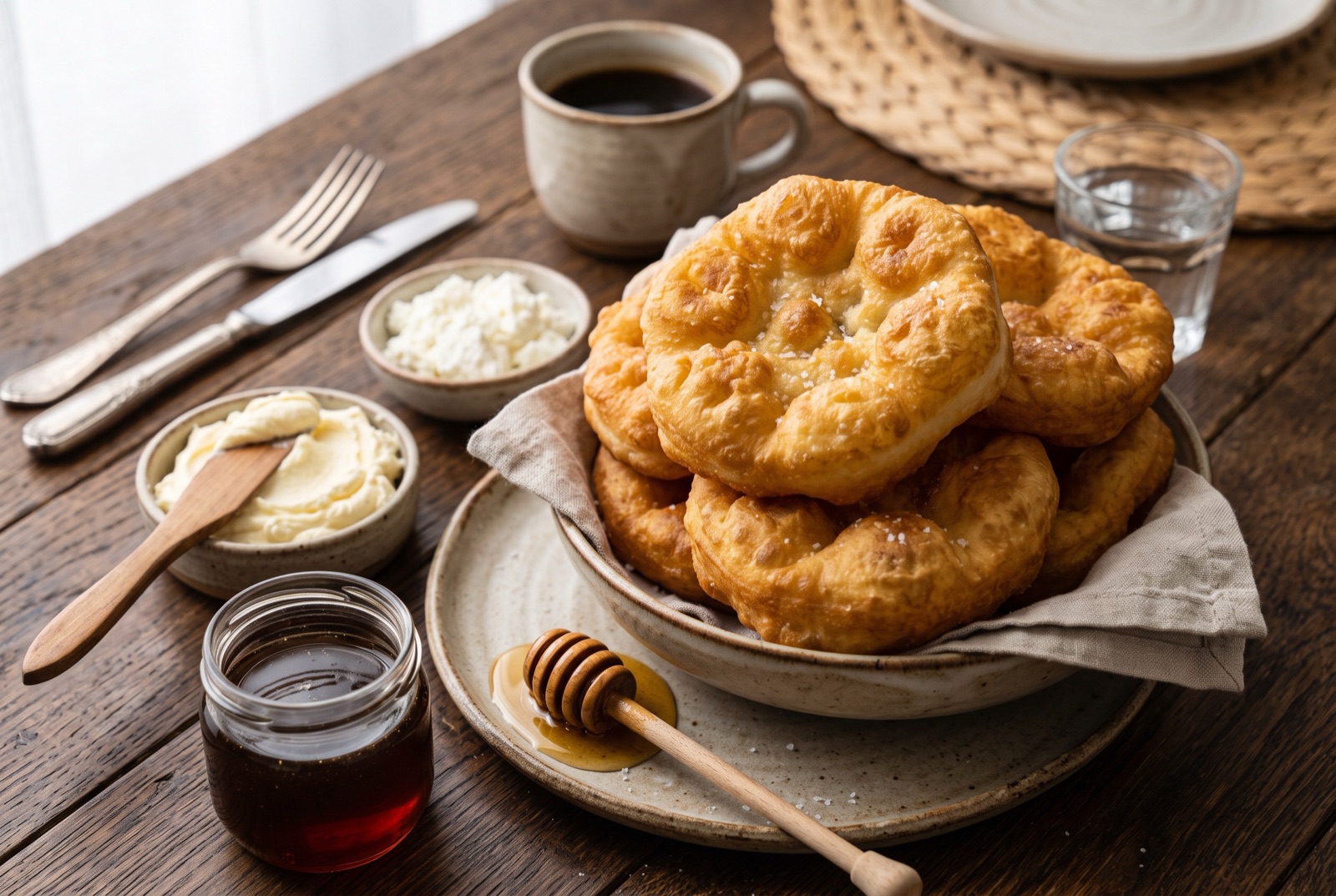
Uštipci are spoonfuls of soft, slack yeasted dough fried until they balloon into irregular golden puffs with a hollow, steamy interior and a slightly chewy crust. They are not sweet: the dough carries only salt and a little sugar to feed the yeast, so everything depends on what goes with them — a slab of kajmak melting on the hot surface, crumbled young cheese, a drizzle of honey, or all three on the same plate. Bosnians eat them for breakfast, for a late supper, at village fairs and any time there is a crowd and not much notice, because the dough takes ten minutes to mix and the frying is fast. They must be eaten hot; twenty minutes on a plate turns them from airy to leathery, which is the only real rule in the recipe.

- Prep
- 15 min
- Cook
- 20 min
- Total time
- 1 hr 35 min incl. 1 hr rest
- Serves
- 4
- Status
- Easy
- Nutrition / serving · estimated
- Calories 590 kcal
- Protein 16 g
- Carbs 60 g
- Fat 31 g
- Fiber 3 g
- Sugar 8 g
- Sodium 830 mg
Why this recipe works.
- A deliberately wet, slack dough — the reason uštipci puff hollow instead of frying into solid dumplings.
- Two-spoon dropping method that skips rolling and cutting entirely, so a batch takes minutes.
- Oil temperature explained by what you can see, not just by a thermometer reading.
- Both the classic sweet plate and the savoury grilled-meat pairing, since Bosnians serve them both ways.
Ingredients.
12 itemsFor the dough
For frying
To serve
Equipment
- Deep heavy pan or pot for frying
- Two tablespoons for shaping
- Slotted spoon
- Cooling rack
Instructions.
Wake the yeast
Stir the yeast and sugar into the lukewarm milk and leave for 10 minutes, until the surface is foamy and smells actively yeasty. If nothing happens, the yeast is dead and starting again now saves an hour of disappointment later.
Mix a slack dough
Whisk the egg, yoghurt and 2 tablespoons of oil into the yeast mixture, then beat in 400 g of flour and the salt. Work it with a wooden spoon for 2 minutes into a thick, sticky batter-dough that falls heavily off the spoon rather than holding a ball.
Tip Resist adding more flour. Sticky is correct here — it is what makes the puffs hollow.
Let it rise
Cover the bowl and leave in a warm place for about an hour, until the dough has roughly doubled, the surface is domed and full of bubbles, and it collapses slightly when you tap the bowl.
Heat the oil
Pour oil into a deep pan to a depth of about 5 cm and heat to 170°C. Test with a scrap of dough: it should surface within two seconds and bubble steadily around the edges without browning instantly.
Fry in batches
Dip two tablespoons in the hot oil, scoop up a walnut-sized piece of dough with one and push it into the oil with the other. Fry four or five at a time for about 90 seconds a side, turning once, until they have puffed up round and are an even deep gold all over.
Tip If they brown in under a minute, take the pan off the heat for a moment — the centres will still be raw dough.
Drain and serve hot
Lift them onto a rack to drain for a moment, then pile them on a board while still steaming and serve with kajmak, crumbled cheese and honey alongside. Fry the next batch while the first is being eaten.
Tips from our kitchen.
- Keep the dough wetter than bread dough — it should drop off a spoon rather than being lifted in a ball. Firm dough gives heavy, dense uštipci.
- Oil at about 170°C is right. Too hot and they brown before the middle sets; too cool and they drink oil and turn greasy.
- Fry in small batches. Crowding the pan drops the temperature and you end up with pale, soggy dough.
- Dip the spoons in the hot oil before each scoop so the dough slides off cleanly instead of clinging.
- Turn them once, when the underside is deep gold, and give them the same again on the other side — roughly 3 minutes total.
- Drain on a rack rather than paper towel. Paper traps steam and softens the crust you just made.
Substitutions.
- Fresh or dried yeast → 250 ml plain yoghurt plus 1 tsp bicarbonate of soda, and no rising time
- This is the other traditional method, not a compromise. The result is denser and tangier, and it goes from bowl to pan in five minutes.
- Kajmak → Clotted cream, thick sour cream, or mascarpone with a pinch of salt
- Nothing matches kajmak exactly, since it sits between cream and young cheese. Clotted cream is the closest in fat and texture; Balkan and Turkish shops sell the real thing.
- Plain flour → Half plain flour and half fine cornmeal
- A Herzegovinian variation. The cornmeal gives a grainier crust and a slightly sweet flavour, but the puffs rise less, so keep them small.
Variations.
- Cheese uštipci
- Cubes of young cheese or feta folded into the dough before frying, so each puff has a molten pocket inside. Best eaten immediately, while the cheese is still soft.
- Savoury with grilled meat
- Made slightly larger and served instead of bread alongside ćevapi or grilled lamb, with raw onion and kajmak on the same plate.
- Yoghurt uštipci
- The no-yeast version raised with soured milk and bicarbonate of soda — quicker, denser and noticeably tangier than the yeasted dough.
Storage & reheating.
They are at their best within fifteen minutes of leaving the pan and decline quickly after that. Leftovers keep a day in a paper bag and can be revived in a 180°C oven for 5 minutes, which brings back some of the crust but not the hollow lightness. The raw dough refrigerates overnight after its rise and fries straight from cold, which is the better way to get ahead. Frying and then freezing them is not worth it — thawed uštipci turn tough and oily.
Serve with
Kajmak, crumbled young cheese and honey on a wooden board, with strong coffee or a glass of cold soured milk.
The story behind Uštipci.
The word comes from štipati, to pinch, describing how the dough is pinched off rather than shaped. Versions of the same thing appear across the former Yugoslavia and beyond into the wider region under near-identical names, and there is nothing exclusive about the idea — fried dough is one of the oldest cheap foods in the world. What makes uštipci Bosnian is the company they keep: kajmak, young curd cheese and honey on a wooden board, or, in the savoury direction, served alongside grilled meat instead of bread.
There is a real split in method that Bosnian cooks feel strongly about. One camp uses yeast, giving a bread-like puff with a light, open crumb — that is the version below. The other uses yoghurt or soured milk with baking soda, which needs no rising time at all and produces something denser and tangier, closer to a scone that has been fried. Households tend to make one or the other and consider the alternative not quite the real thing. Both are traditional, and the yeast version is more common when there is time.
They also show up wherever Bosnian rural hospitality is on display. At mountain lodges, village fairs and roadside stops in the Krajina and around Travnik, a plate of uštipci with kajmak is the standard offering to a visitor, often before anyone has asked whether the visitor is hungry. Some places add a savoury variation with pieces of cheese or bits of smoked meat worked into the dough before frying, and in Herzegovina a version with cornmeal in the mix turns up. The frying itself is unfussy — a deep pan, hot oil, two spoons — and the traditional test for readiness is to drop in a small piece of dough and watch whether it comes back to the surface within a couple of seconds.
Questions, answered.
Why are my uštipci heavy instead of puffed?
Usually the dough was too stiff. It should be wet enough to slide off a spoon in a soft blob rather than hold a shape, because the trapped moisture turns to steam and blows the middle hollow. The other common cause is oil that is not hot enough, which lets the dough absorb fat and sink before it can rise. Aim for around 170°C and test with a scrap first.
What is kajmak and what can I use instead?
Kajmak is made by slowly simmering milk, skimming the thick skin that forms and letting it mature in layers until it sits somewhere between clotted cream and a soft young cheese — rich, faintly sour and slightly salty. Balkan and Turkish grocers stock it. The best substitutes are clotted cream, thick sour cream or salted mascarpone, in that order.
Are uštipci sweet or savoury?
The dough itself is essentially plain, with just enough sugar to get the yeast going, so they go either way depending on what is served with them. Kajmak, cheese and honey make a breakfast; the same puffs served next to grilled meat with raw onion make a savoury bread substitute. Bosnian tables commonly do both at once.
Can I make the dough in advance?
Yes. After the first rise, cover the bowl and refrigerate it for up to 24 hours — the slow cold fermentation actually improves the flavour. Fry straight from the fridge, allowing an extra minute in the oil since the dough is cold. Do not let it rise, deflate and rise again repeatedly, as the dough eventually turns slack and sour.
How do I know when the oil is ready without a thermometer?
Drop in a small piece of the dough. It should sink briefly, return to the surface within about two seconds and immediately start bubbling around its edges. If it browns instantly the oil is too hot; if it sits on the bottom doing nothing for several seconds, it needs more time. A wooden spoon handle dipped in should also fizz steadily.
You might also like.
All recipes →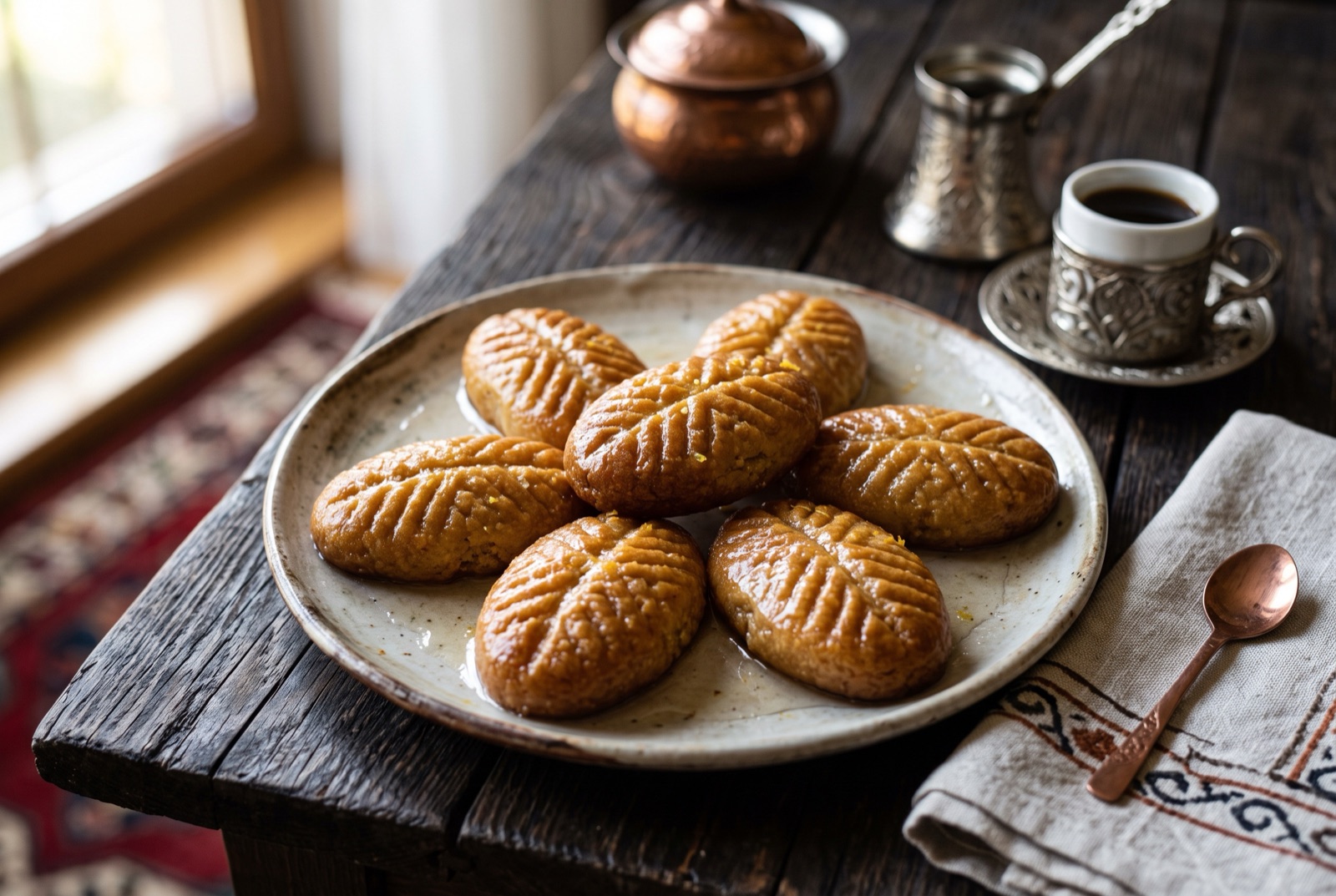
Bosnia and Herzegovina2 hr 55 min
Hurmašice
Bosnian Semolina Cookies in Lemon Syrup
Bosnia and Herzegovina2 hr 5 min
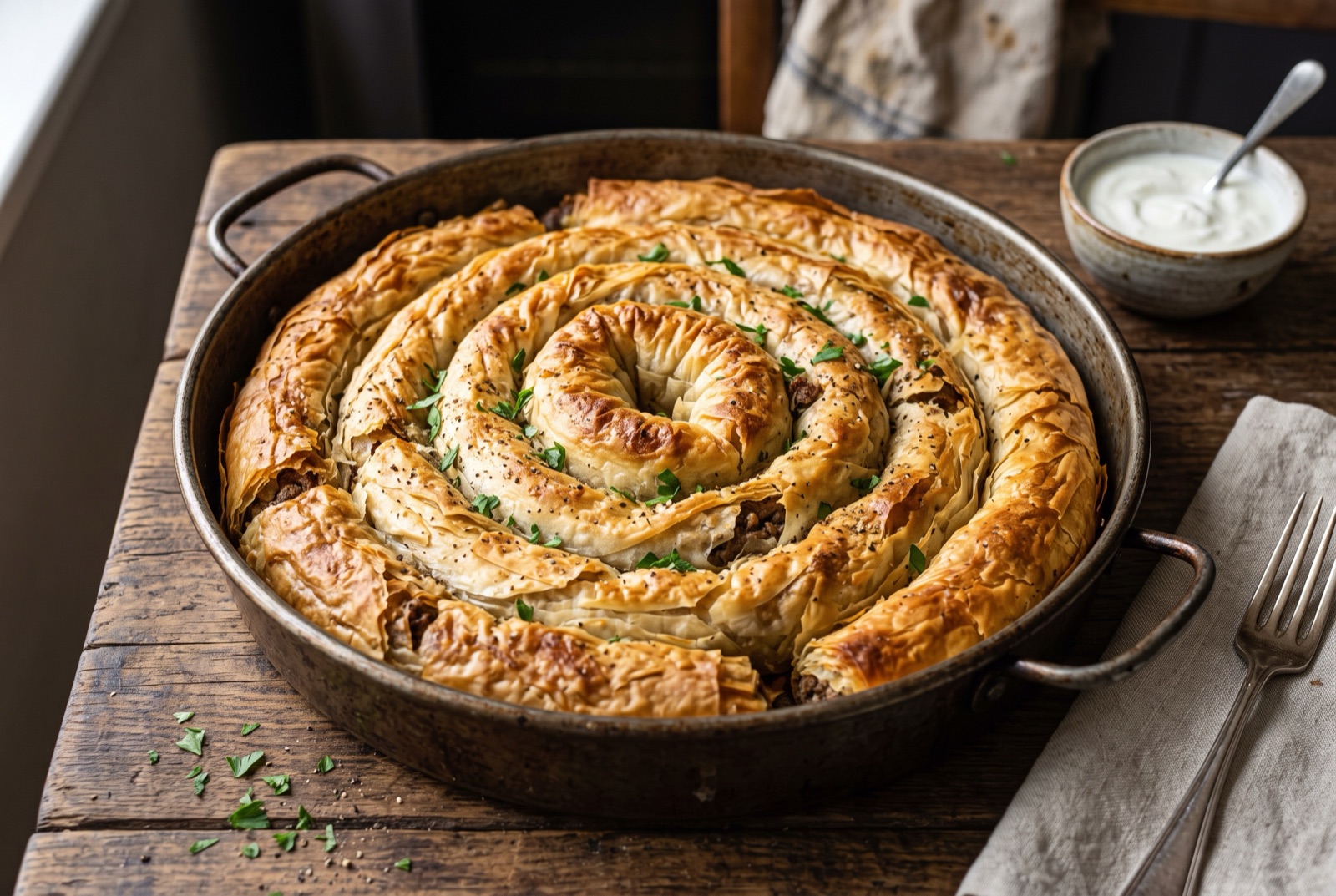
Burek
Bosnian Coiled Filo Pie with Minced Beef
Bosnia and Herzegovina1 hr 25 min
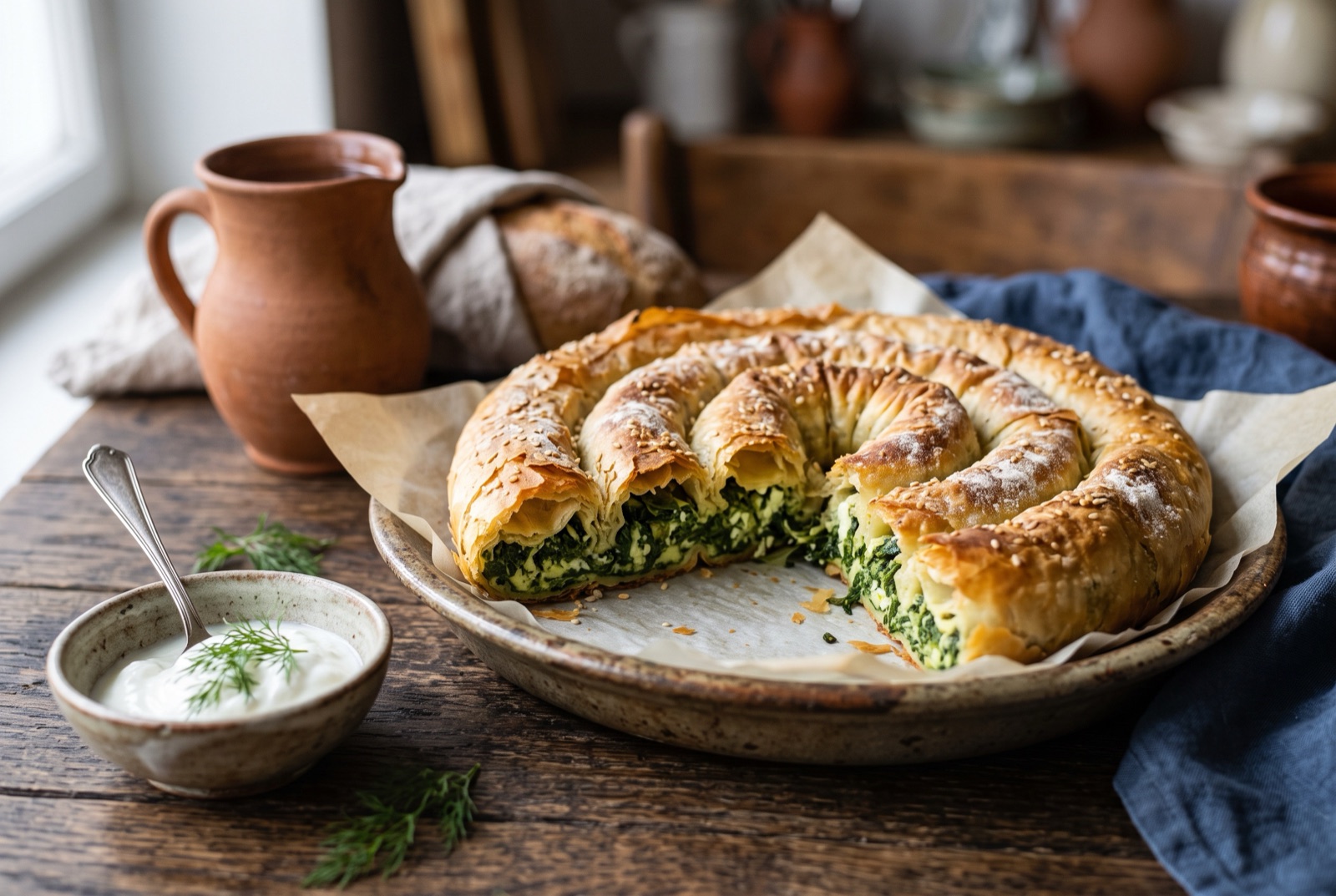
Zeljanica
Bosnian Spinach and Curd Cheese Pie
Bosnia and Herzegovina1 hr 45 min
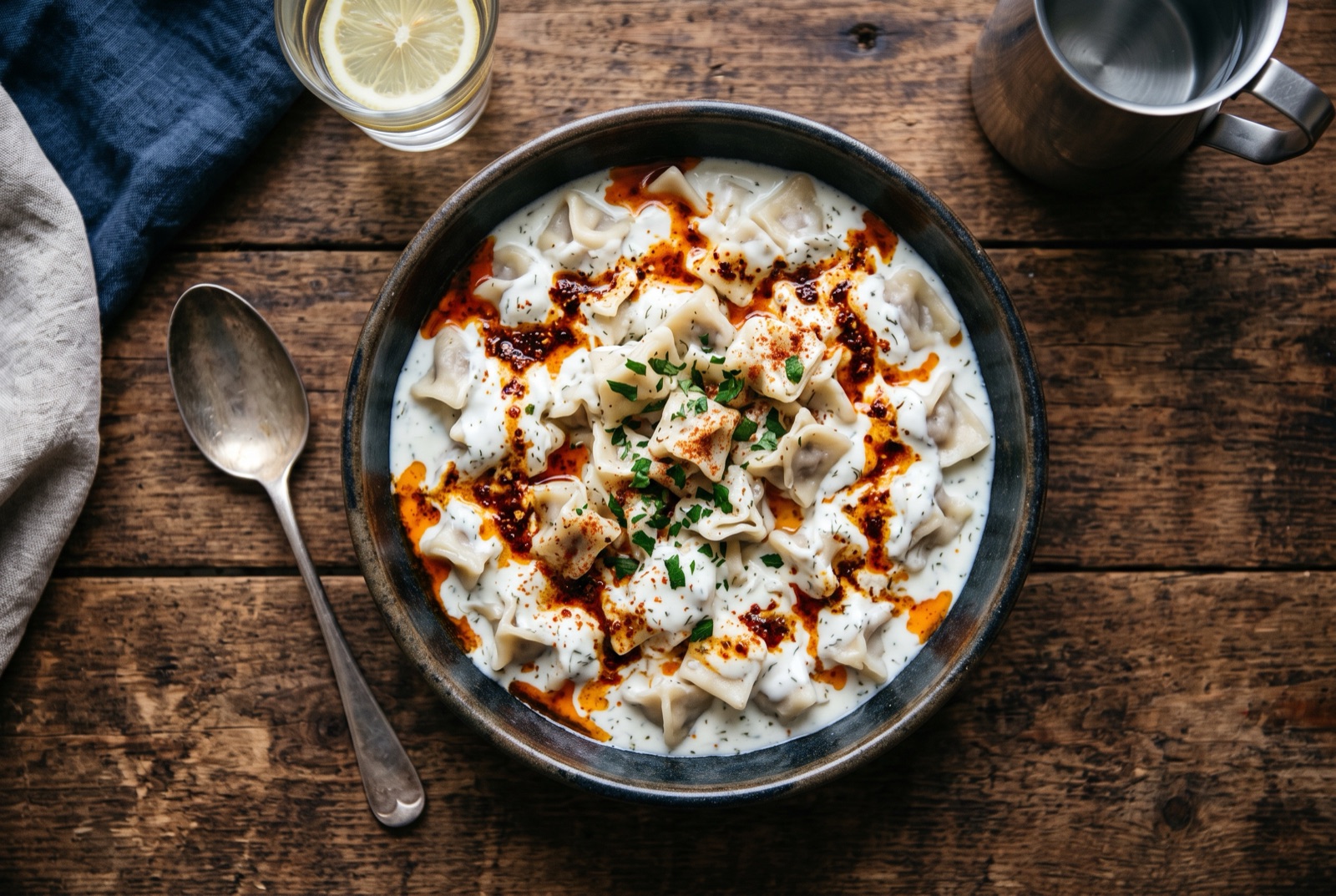
Klepe
Bosnian Beef Dumplings in Garlic Yoghurt
Keep exploring Bosnia and Herzegovina.
Bosnia and Herzegovina has 9 more dishes in the atlas — Begova Čorba and Bosanski Lonac, and 7 more.
All Bosnia and Herzegovina recipes Flour recipes Yeast recipes Eggs recipes breakfastsnackvegetarianRecipe by The DishRoute Kitchen · published August 20, 2026 · updated August 20, 2026