Klepe.
Bosnian Beef Dumplings in Garlic Yoghurt
Klepe · say it: KLEH-peh
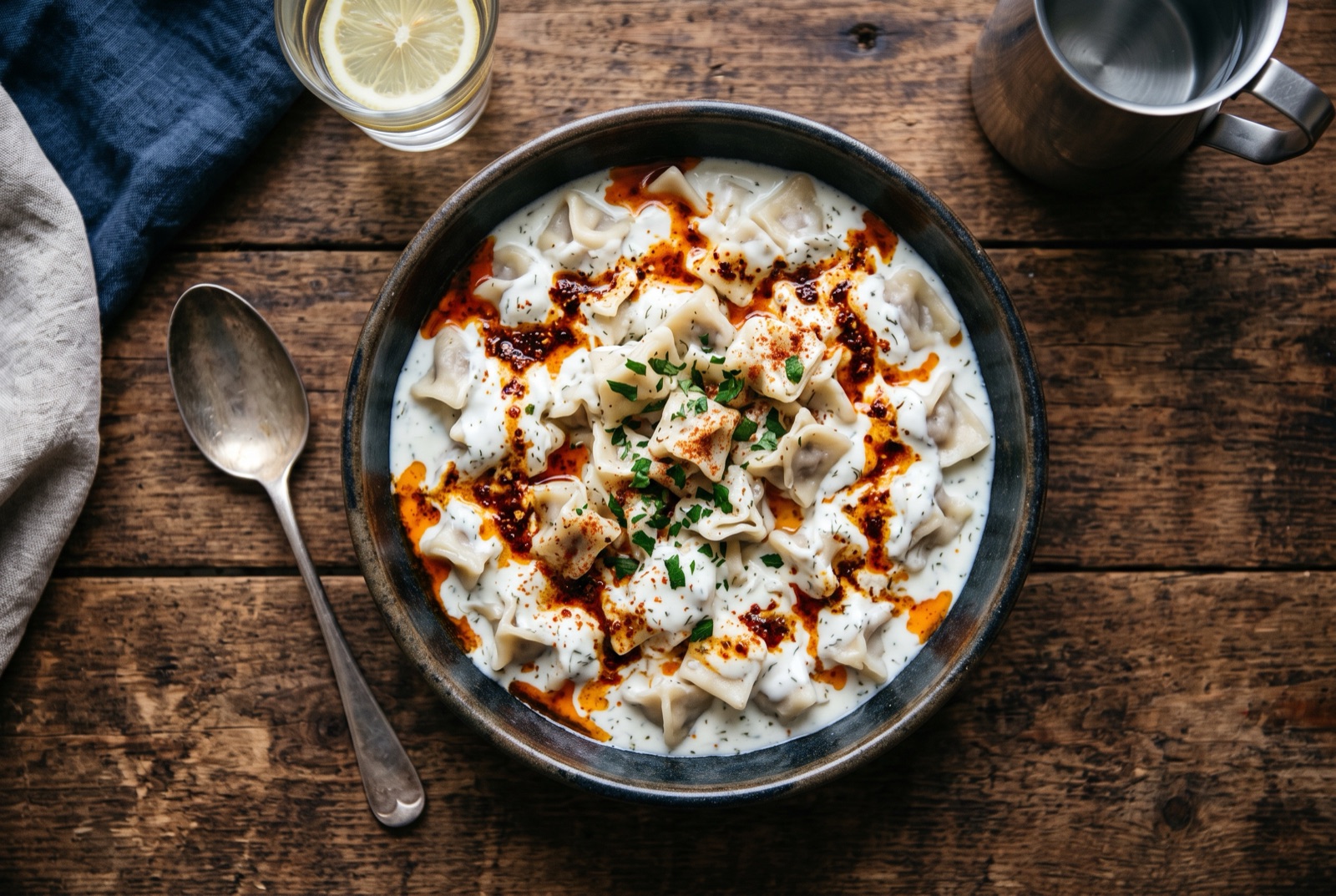
Klepe are little pinched dumplings — squares of thin egg dough sealed around a pinch of raw minced beef and onion — boiled for a few minutes and served swimming in garlicky yoghurt with hot paprika butter poured over. The contrast is the whole dish: dumplings straight out of the water, yoghurt cold and sharp with raw garlic, then a spoonful of sizzling butter that half-melts into the sauce and leaves orange pools on the surface. They are small on purpose, a couple of centimetres square, so that a spoonful catches several at once along with the sauce. Bosnians make them by the hundred and freeze trays of them raw, which tells you both how good they are and how long they take to fold.

- Prep
- 1 hr
- Cook
- 15 min
- Total time
- 1 hr 45 min incl. 30 min rest
- Serves
- 4
- Status
- Medium
- Nutrition / serving · estimated
- Calories 640 kcal
- Protein 34 g
- Carbs 60 g
- Fat 28 g
- Fiber 3 g
- Sodium 1100 mg
Why this recipe works.
- Raw filling and small parcels sized so the beef cooks through in the same minutes as the dough.
- Cooking water stirred into the yoghurt, which keeps the sauce loose and stops it splitting on contact with hot dumplings.
- Paprika butter bloomed off the heat so it colours the sauce instead of turning bitter and burnt.
- A folding method that stays fast enough to actually finish a batch, with freezing instructions for the rest.
Ingredients.
14 itemsFor the dough
For the filling
For the sauce
To finish
Equipment
- Rolling pin or pasta machine
- Large pot
- Slotted spoon
- Small pan for the butter
Instructions.
Make the dough
Work 300 g of flour with the eggs, water and salt into a firm, smooth dough, kneading 8 minutes until it springs back slowly when pressed. Wrap it and rest at room temperature for 30 minutes so it rolls without fighting you.
Mix the raw filling
Combine the minced beef, grated onion, salt, pepper and parsley, mixing just until uniform. Squeeze the onion first — excess juice makes the filling wet and the dumplings hard to seal.
Roll and cut
Divide the dough in three and roll each piece out to about 1 mm, thin enough to see the shadow of your hand through it. Cut into squares of roughly 4 cm, keeping the sheets you are not working on under a cloth.
Fill and seal
Put a hazelnut-sized pinch of filling in the centre of each square, fold it over into a triangle or bring the four corners up to meet, and press the edges firmly closed. Set the finished dumplings on a well-floured tray without letting them touch.
Tip If the edges will not stick, dab them with water — but dough that is still fresh should seal on its own.
Mix the garlic yoghurt
Whisk the room-temperature yoghurt with the grated garlic and salt until smooth and pourable, and divide it between four wide bowls. Leave it to sit while the water comes to the boil so the garlic infuses.
Boil the klepe
Cook the dumplings in plenty of well-salted, gently boiling water for 4–5 minutes: they rise to the surface after about a minute, and need another three after that until the dough is tender and the filling shows no pink when one is cut open. Reserve a ladle of the cloudy water.
Sauce and finish
Loosen the yoghurt with a few spoonfuls of the hot cooking water, lift the drained dumplings into the bowls with a slotted spoon and turn them through the sauce. Melt the butter until it foams, take it off the heat, stir in the paprika until it turns deep orange, and pour it over each bowl. Serve immediately.
Tip Add the paprika off the heat. In hot butter it scorches in seconds and turns bitter.
Tips from our kitchen.
- Roll the dough as thin as you can still lift without tearing — around 1 mm. Thick dough turns the dish gluey.
- Work with one strip of dough at a time and keep the rest covered; dried edges refuse to seal and the dumplings open in the water.
- Use a pinch of filling no bigger than a hazelnut. Overstuffed klepe burst and cloud the cooking water.
- Bring the yoghurt to room temperature before mixing. Fridge-cold yoghurt seizes and goes grainy when it meets hot dumplings.
- Boil in plenty of well-salted water at a gentle rolling boil, and lift the dumplings out with a slotted spoon rather than tipping them into a colander.
- Grate the garlic rather than chopping it, so it disperses through the yoghurt instead of ambushing one person with a whole piece.
Substitutions.
- Minced beef → Minced lamb, or half beef and half veal
- Lamb makes a heavier, more fragrant dumpling. Avoid very lean mince — with only a few minutes of cooking, fat is what keeps the filling from turning to dry pellets.
- Homemade dough → Fresh wonton wrappers, cut down to size
- Not traditional, but genuinely workable and it removes the longest step. The wrappers are thinner and more fragile, so lower them into the water gently and cook for barely 2 minutes.
- Sweet paprika in the butter → A pinch of dried mint, or chilli flakes
- Mint is the Turkish-leaning option and tastes lighter against the yoghurt; chilli flakes give heat that Bosnian cooking normally avoids but nobody will object to.
Variations.
- Klepe u čorbi
- Served in their broth as a soup instead of with yoghurt — the dumplings boiled directly in light beef stock and ladled out with it.
- Baked klepe
- Dried dumplings baked until lightly browned before boiling briefly, which gives a nuttier flavour and a firmer bite. A trick borrowed from Anatolian mantı.
- Meat-free klepe
- Filled with young curd cheese and chopped spinach instead of beef, boiled the same way and served under the same garlic yoghurt.
Storage & reheating.
Cooked klepe do not keep well once sauced, since the dough softens into the yoghurt within an hour or two. Boiled plain dumplings hold a day in the fridge, tossed in a little butter to stop them sticking, and are best refreshed in simmering water for 30 seconds. Raw klepe are the ones to store: freeze them in a single layer on a floured tray, then bag them once solid, and boil straight from frozen with 2 extra minutes. They keep 3 months.
Serve with
Nothing complicated — a plain tomato and cucumber salad, and bread to wipe the yoghurt out of the bowl.
The story behind Klepe.
Klepe belong to the wide Central Asian and Turkic dumpling family that reached the Balkans with the Ottomans, and their nearest relative is Turkish mantı — the same idea of tiny meat parcels under garlic yoghurt and spiced butter. The Bosnian version has drifted in its own direction. Where Kayseri mantı is famously miniature, folded into pouches so small that a mother-in-law is said to judge a bride by how many fit on a spoon, klepe are usually left as flat squares or simple triangles, a little larger and quicker to make, and the sauce leans more heavily on plain yoghurt than on tomato-tinged butter.
The method also shows the Bosnian habit of filling things raw. The beef goes in uncooked, mixed with grated onion and pepper, and cooks through in the two or three minutes the dumplings spend in boiling water. That short cooking is why the mince must be finely ground and reasonably fatty, and why cooks keep the parcels small: a thick dumpling leaves you with raw meat in the middle and overcooked dough outside.
The garlic yoghurt on top is not sauce in the French sense but a cold dressing, and the amount of raw garlic is a genuine household variable — some families use one clove, others four, and it is one of the few Bosnian dishes where a strong garlic hit is expected rather than restrained. Nobody drains klepe fully dry either; a little of the starchy cooking water goes into the bowl to loosen the yoghurt and stop it seizing. The final pour of butter with paprika, and often a pinch of dried mint, comes from the same Ottoman playbook that gives Turkish and Levantine cooking their finishing fats, and it is done at the table more often than at the stove because everyone wants to hear it hit the yoghurt.
Questions, answered.
What is the difference between klepe and Turkish mantı?
They are close relatives from the same Ottoman dumpling tradition and both arrive under garlic yoghurt with spiced butter. Bosnian klepe are usually flat squares or triangles, somewhat larger and quicker to fold, with a plain yoghurt sauce and a raw beef and onion filling. Kayseri mantı are folded into tiny pouches, often much smaller, and are more likely to be finished with tomato-tinted butter and dried mint.
Why did my yoghurt sauce split?
Yoghurt curdles when cold thick dairy meets sudden heat. Let it come to room temperature, whisk in a few spoonfuls of the starchy dumpling water to loosen it, and pour the melted butter over the assembled bowl rather than heating the yoghurt itself. If you want a warm sauce, warm it very gently and stir constantly.
Can I make klepe ahead of time?
Fold them ahead and freeze them raw — that is what Bosnian households do, usually making several hundred at once. Spread them on a floured tray so they do not touch, freeze until firm, then transfer to a bag. Boil from frozen, adding a couple of minutes. Assembling them with yoghurt in advance does not work, since the dough goes soft and the sauce thins.
How do I know when the dumplings are cooked?
They float within about a minute, which means the dough is set, not that the filling is done. Give them another two to three minutes at a gentle boil after they rise. Test one by cutting it open: the beef should be evenly brown-grey with no pink centre, and the dough should be tender rather than chalky where it is sealed.
How much garlic is normal?
Two to four cloves for four servings, grated raw into the yoghurt, and the amount is genuinely contested between households. Start with two if you are unsure — the garlic sharpens as the sauce sits, so a bowl that tastes mild when mixed will be noticeably stronger fifteen minutes later.
You might also like.
All recipes →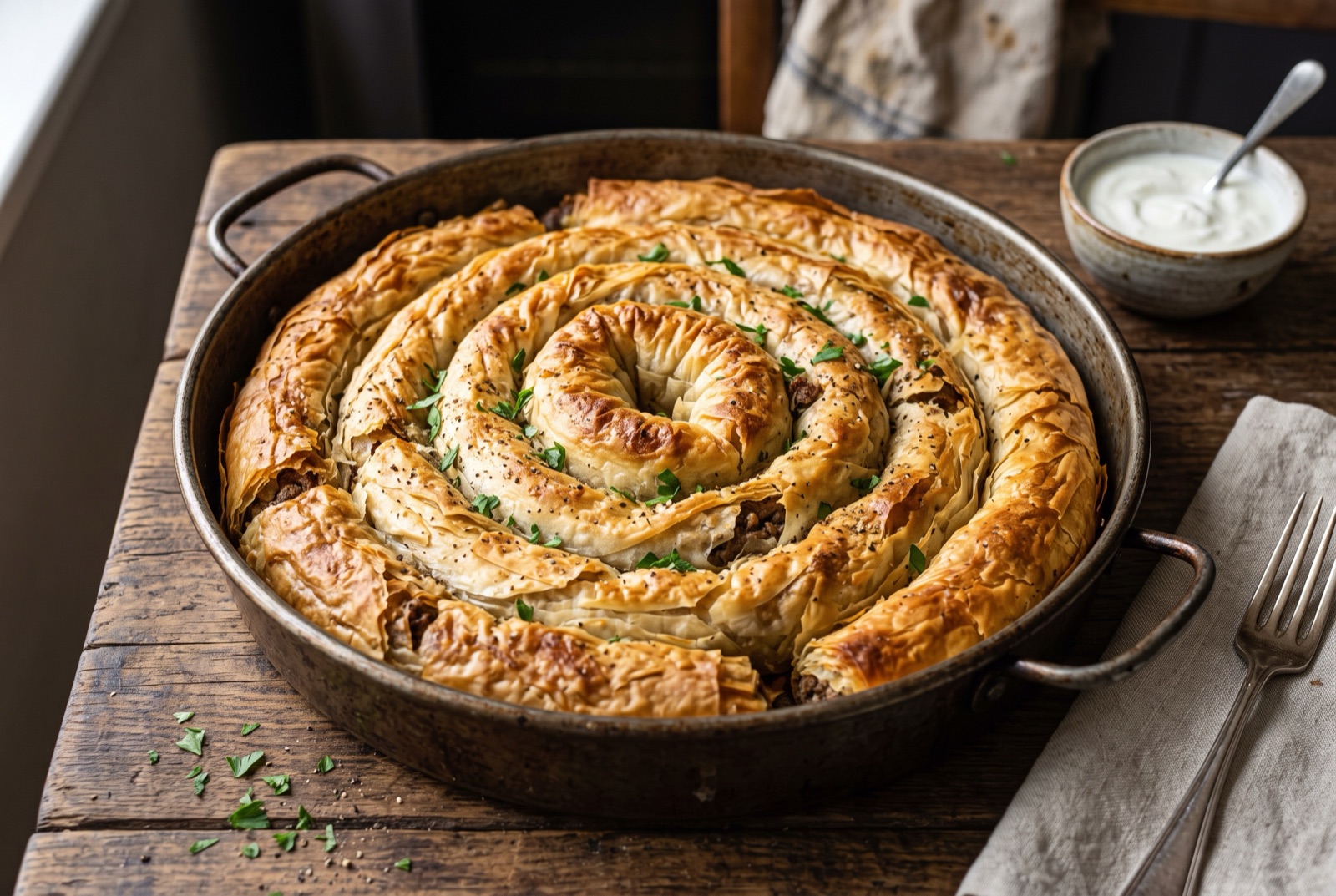
Bosnia and Herzegovina2 hr 5 min
Burek
Bosnian Coiled Filo Pie with Minced Beef
Bosnia and Herzegovina1 hr 10 min
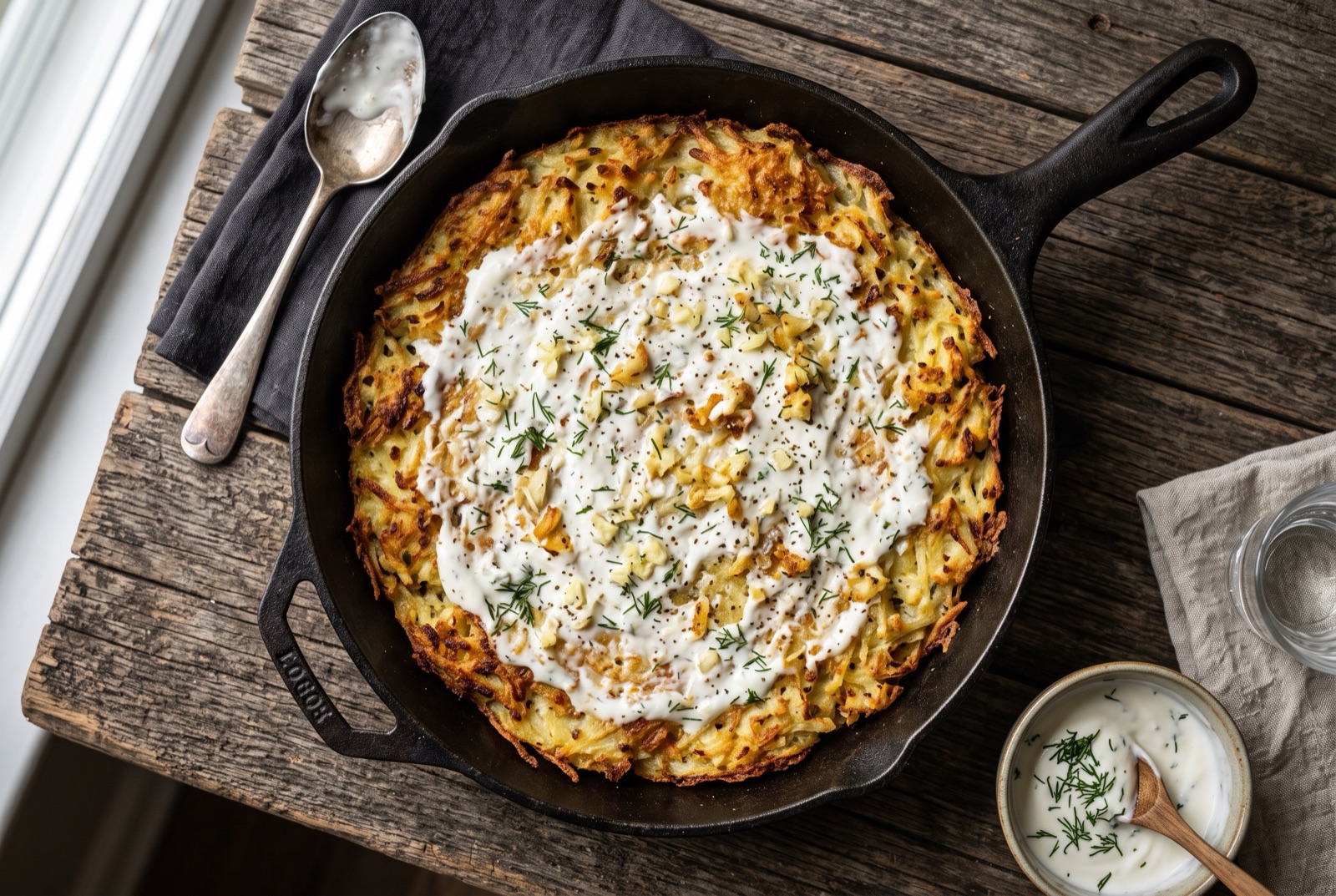
Kljukuša
Bosnian Grated Potato Bake with Garlic Cream
Bosnia and Herzegovina2 hr 15 min
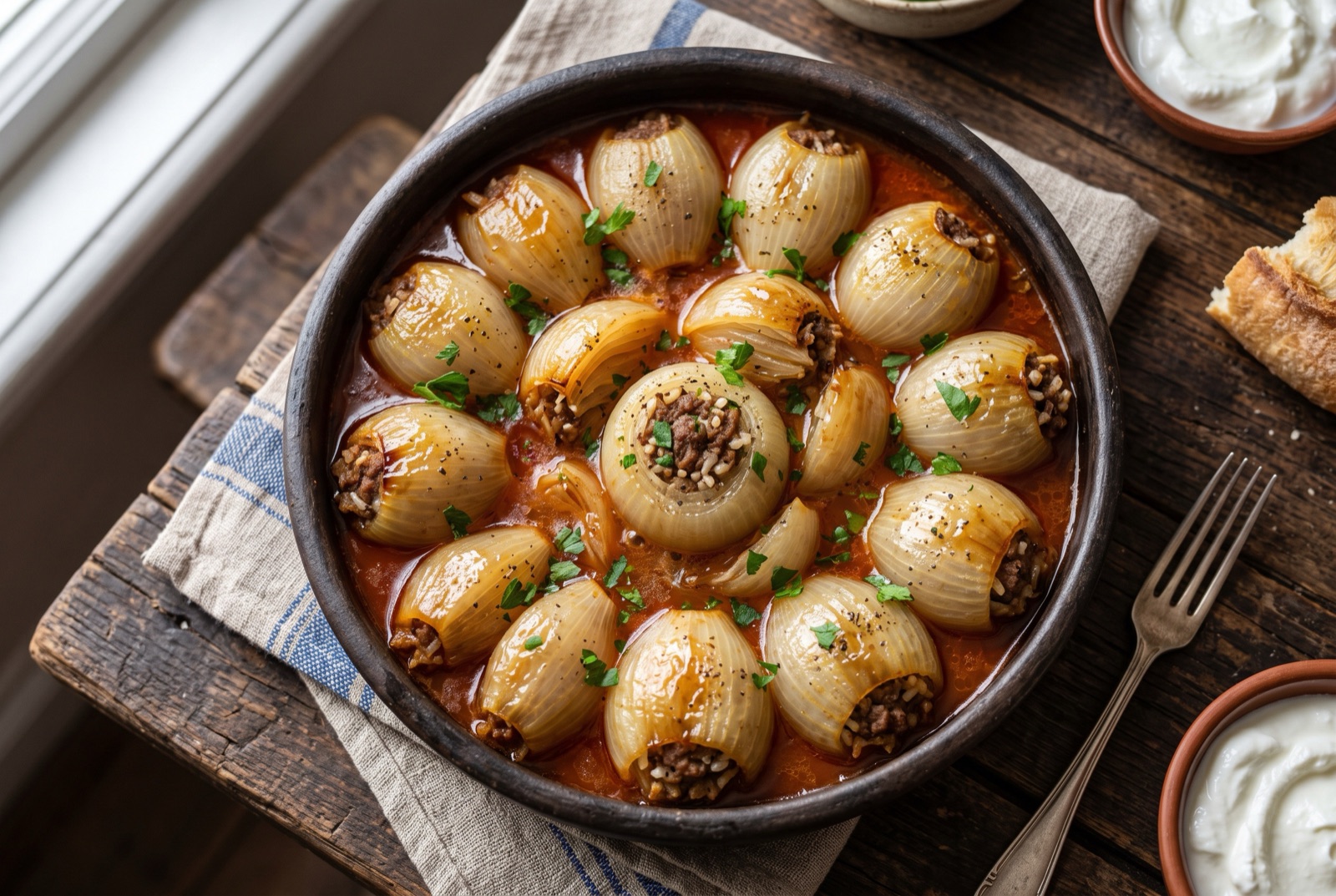
Sogan-Dolma
Sarajevo Stuffed Onions in Tomato Broth
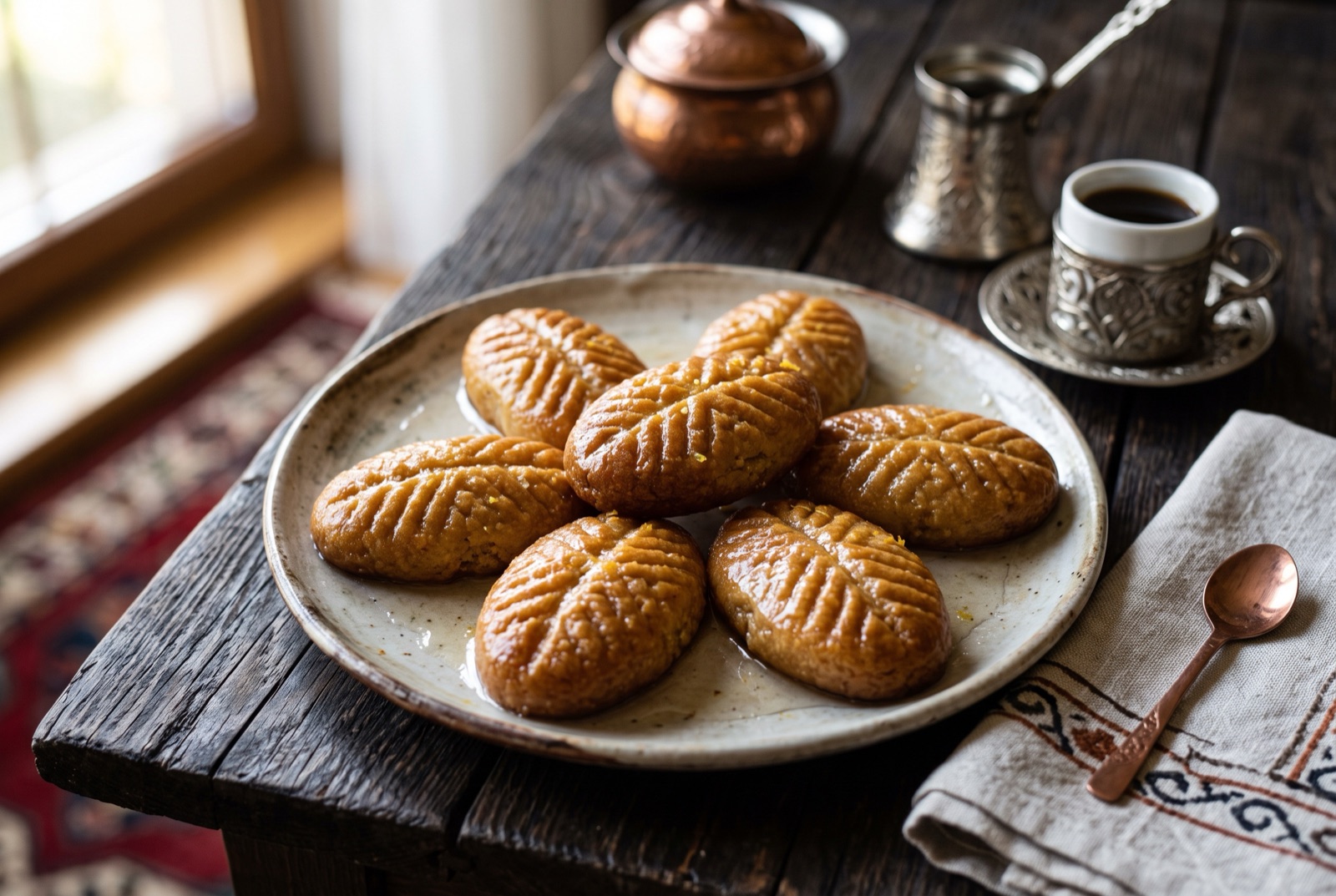
Bosnia and Herzegovina2 hr 55 min
Hurmašice
Bosnian Semolina Cookies in Lemon Syrup
Keep exploring Bosnia and Herzegovina.
Bosnia and Herzegovina has 9 more dishes in the atlas — Begova Čorba and Bosanski Lonac, and 7 more.
Recipe by The DishRoute Kitchen · published August 20, 2026 · updated August 20, 2026