Belgium.
België / Belgique
Belgian cooking is French technique running on Flemish fuel. The sauces are built with the patience of a Paris kitchen, but the liquid in the pot is beer rather than wine, the fat is butter rather than olive oil, and the portions are frankly enormous. It is a cuisine of brown, glossy, deeply savoury things — braises darkened with abbey ale, cream sauces thickened with egg yolk, endive baked under a blistered béchamel — served with an absurd quantity of hot fried potatoes. Belgians take ingredients seriously in a quiet, unshowy way: the shrimp must be North Sea grey shrimp peeled by hand, the potatoes must be Bintje, the mussels must come from the cold months. There is almost no chilli and very little garlic-forward heat. Instead the seasoning axis runs bitter to sweet — hops, chicory, dark sugar, mustard, nutmeg, clove — and that push-pull is what makes the food taste Belgian rather than merely northern European.

- Continent
- EuropeBenelux
- Recipes in atlas
- 10
- Must-try dishes
- 3
- Pantry staples
- 10
Start with the classics.
Must tryThe dishes that explain the Belgium kitchen fastest — if you cook only a few things from this page, cook these.
Inside the Belgium kitchen.
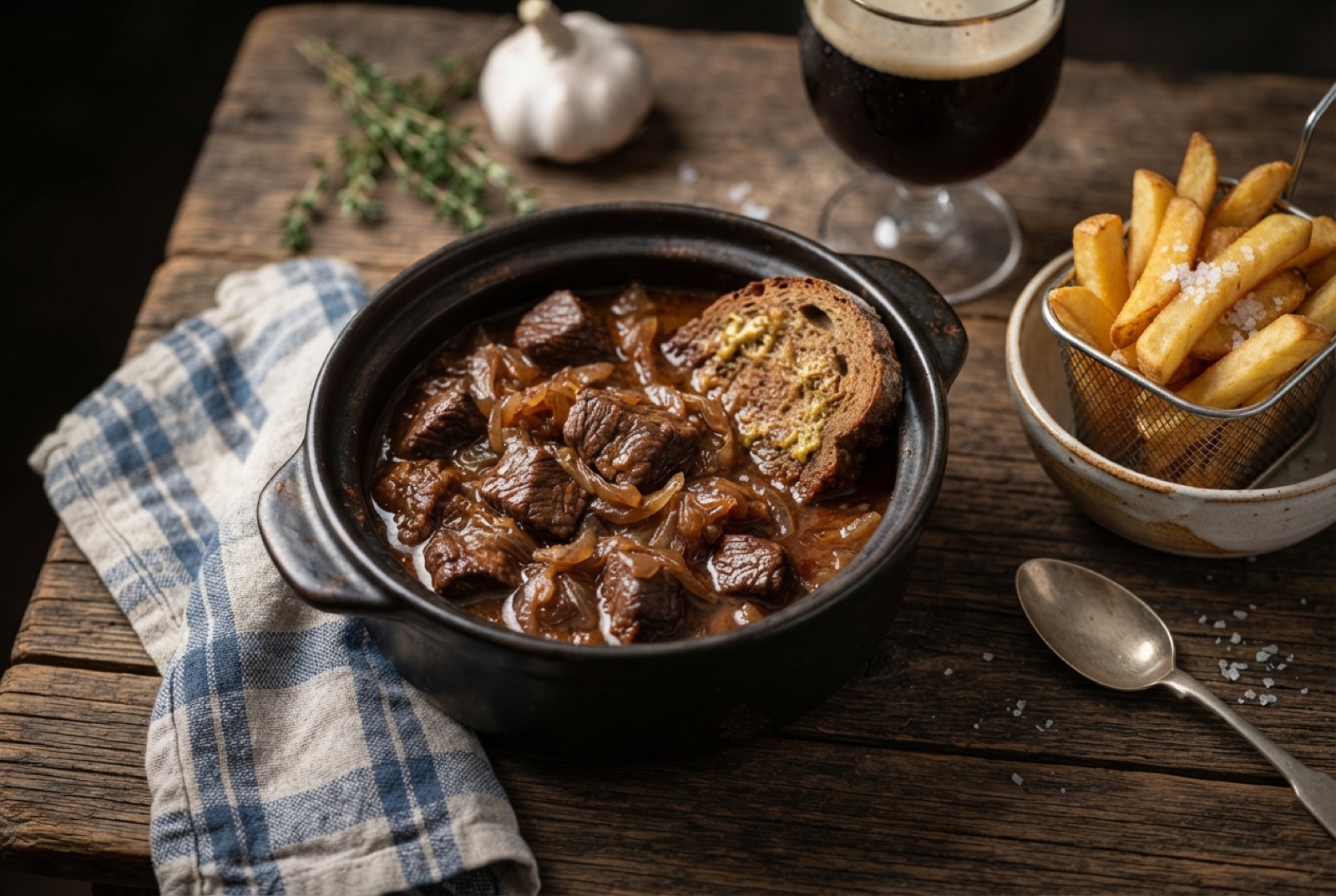
Beer is not a drink alongside Belgian food; it is a cooking liquid with a job to do. A Flemish carbonnade uses a dark abbey ale or a brown Oud Bruin for malt sweetness and a faint sourness that cuts through beef fat, and the cook balances it with brown sugar and a slice of mustard-smeared bread stirred into the pot to thicken and sharpen the sauce. Lambic and gueuze, spontaneously fermented in the Zenne valley outside Brussels, turn up in kidney and duck dishes where their acidity does the work vinegar would elsewhere. Cook with a hoppy modern IPA and the sauce turns aggressively bitter — this is the one substitution Belgians will genuinely argue about.
The second pillar is the potato, and specifically the frite. Belgium invented the double fry as a matter of routine: a first bath around 150°C to cook the potato through without colour, a rest, then a second bath at 175–185°C to blister the outside into glass. Traditionally the fat is beef tallow (ossewit or blanc de boeuf), which gives the savoury note that distinguishes a Belgian frite from a French fry, and the potato is a Bintje — floury enough to go fluffy inside. Frites are not a side dish so much as the default accompaniment to everything: mussels, vol-au-vent, steak, stoemp, even a stew that already has potatoes in it.
Dairy and eggs do the thickening. Waterzooi is finished off the heat with egg yolk beaten into cream, added after the boil is over so the broth turns silky rather than scrambled. Vol-au-vent leans on a butter-and-flour roux enriched the same way. Stoemp is potato crushed with vegetables and enough butter to make it glossy. Cheese appears mostly as a gratin topping — aged Gouda-style cheese, Emmental or a local abbey cheese melted over endive and ham.
The vegetable canon is small, seasonal and northern: witloof (Belgian endive, forced in the dark so it stays pale and only faintly bitter), leeks, carrots, celeriac, Brussels sprouts, salsify, white asparagus in spring served à la flamande with crushed egg and butter. Bitterness is not hidden but softened, usually with sugar, ham or fat.
Regionally the country splits. Flanders cooks in butter and beer and looks to the North Sea for shrimp, sole and mussels. Wallonia is closer to French country cooking with cured Ardennes ham, game, trout and pungent washed-rind cheeses. Brussels sits between them and claims both, plus its own street food and the sugar-heavy pastry tradition — speculoos, cramique, and two entirely different waffles that outsiders insist on treating as one.
Signature pantry.
10 staplesThe ingredients this cuisine cannot function without.
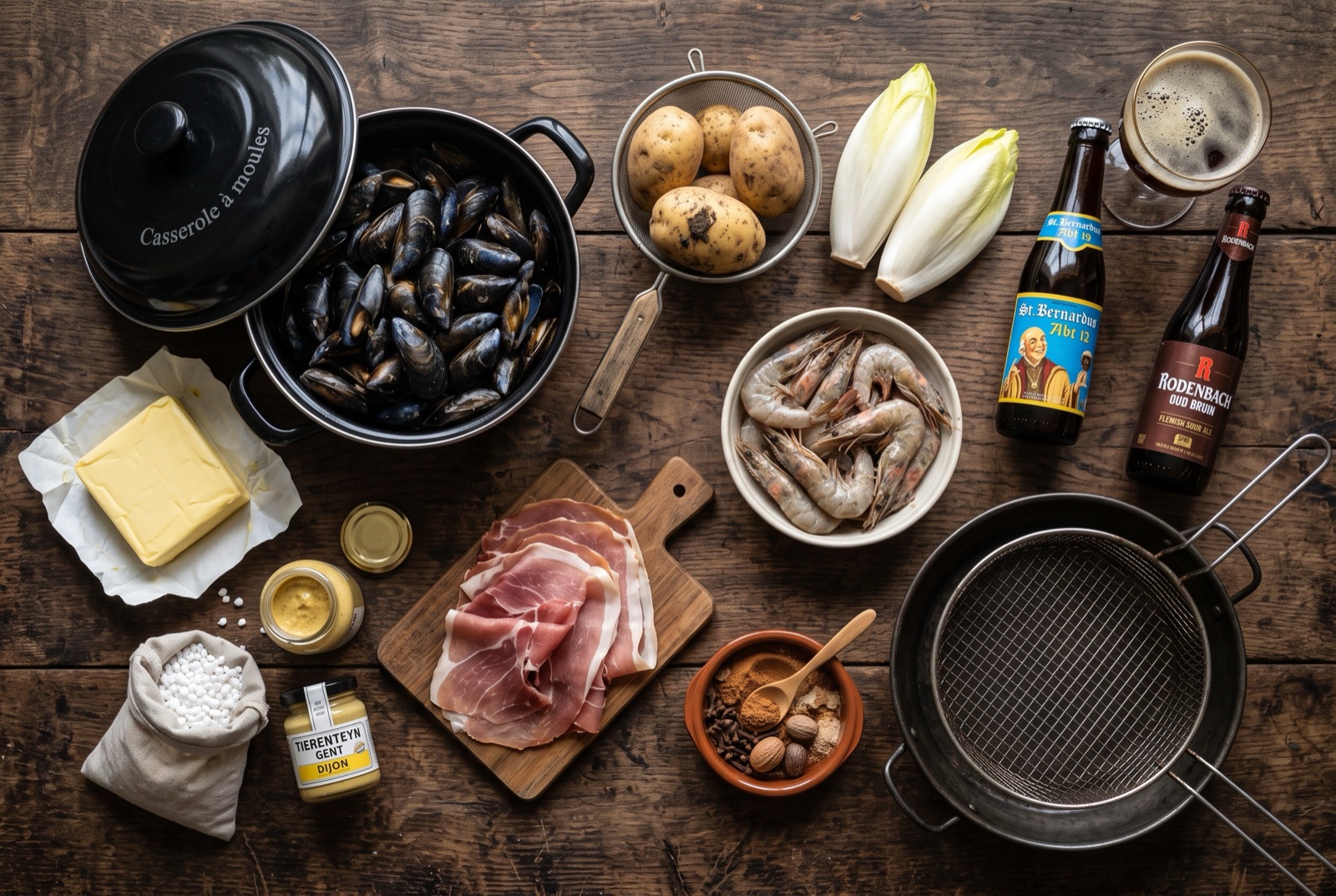
- dark abbey and Oud Bruin beer
- Bintje potatoes
- witloof (Belgian endive)
- butter
- North Sea grey shrimp
- mussels
- Dijon and Tierenteyn mustard
- speculoos spice (cinnamon and clove)
- pearl sugar
- Ardennes ham
How people eat in Belgium.
Lunch is the serious meal in older households, but the brasserie sets the national rhythm: you sit down, order a beer chosen for the dish rather than the mood, and eat a single large plate rather than a sequence of courses. Frites arrive in their own metal cup or paper cone so they never sit in sauce and go soft. Mussels come in the black pot they were steamed in, and the empty shells become the tongs you eat the rest with — locals rarely touch a fork. Bread is for the sauce, not for the start of the meal. Nothing is shared off a communal platter; Belgians order their own plate and finish it. Coffee always arrives with a speculoos biscuit on the saucer, which is treated as part of the coffee rather than a dessert.
Regional kitchens.
Belgium cooks 4 distinctly different ways depending on where you stand — here is what changes between them.
- R1Flanders
- The Dutch-speaking north, where beer is a cooking ingredient and the North Sea supplies grey shrimp, sole and mussels. Home of carbonnade, Ghent waterzooi and the beef-fat frite.
- R2Brussels
- A brasserie city that borrows from both language communities and adds its own: stoemp with sausage, vol-au-vent, chicons au gratin, and the light yeasted waffle sold from vans.
- R3Wallonia and the Ardennes
- French-speaking hill country with cured Ardennes ham, game, river trout and washed-rind abbey cheeses. Liège contributes the dense pearl-sugar waffle and a sweet-sour meatball in syrup sauce.
- R4The Coast and Zeeland border
- Ostend, Nieuwpoort and the fishing ports, where grey shrimp are still boiled on board and peeled by hand for tomate crevette, shrimp croquettes and cold seafood platters.
All Belgium recipes.
10 recipes and counting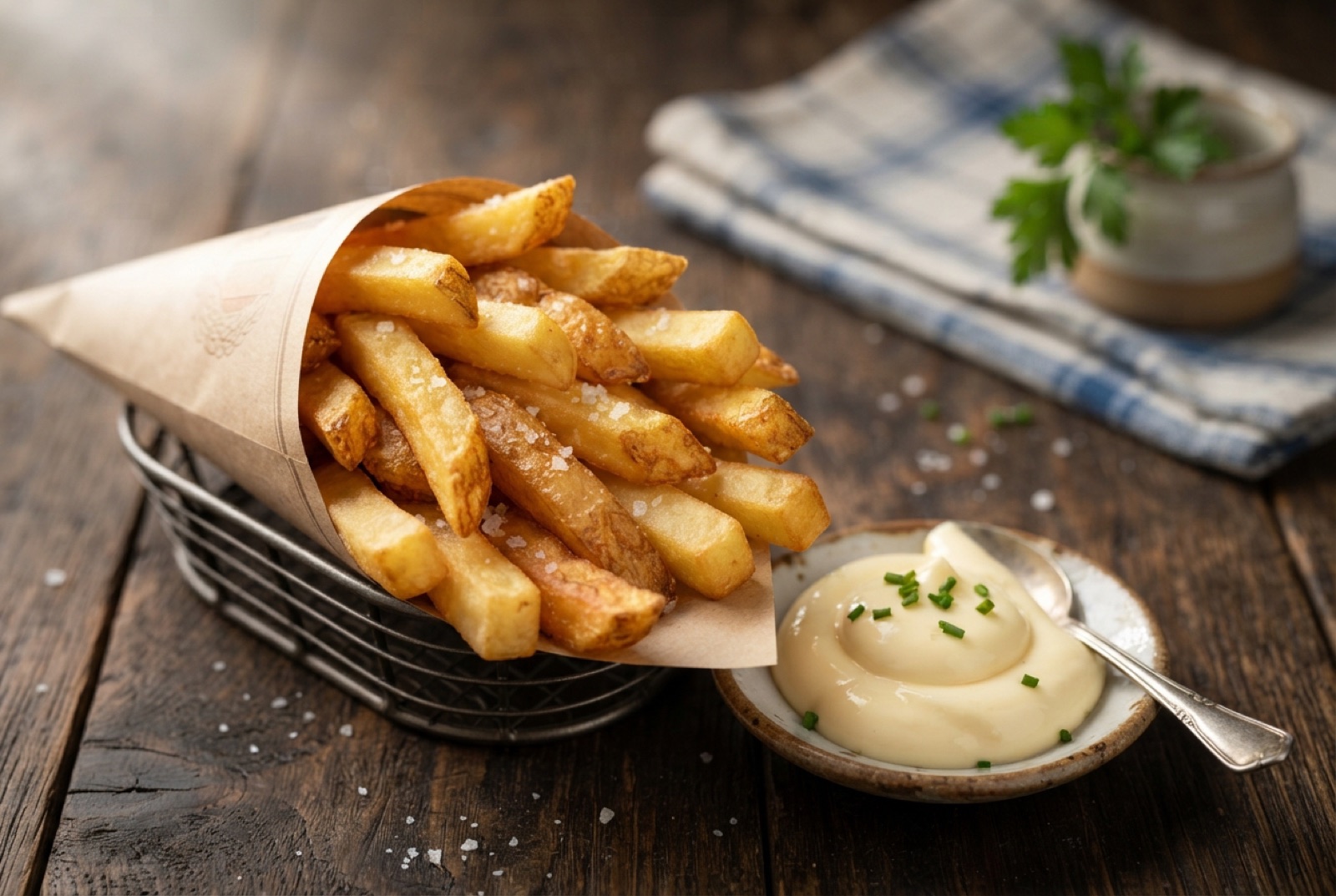
Belgium1 hr 15 min
Belgische Frieten
Twice-Fried Belgian Chips with Mayonnaise
Belgium3 hr 30 min
Carbonnade Flamande
Flemish Beef Braised in Dark Beer
Belgium1 hr 15 min
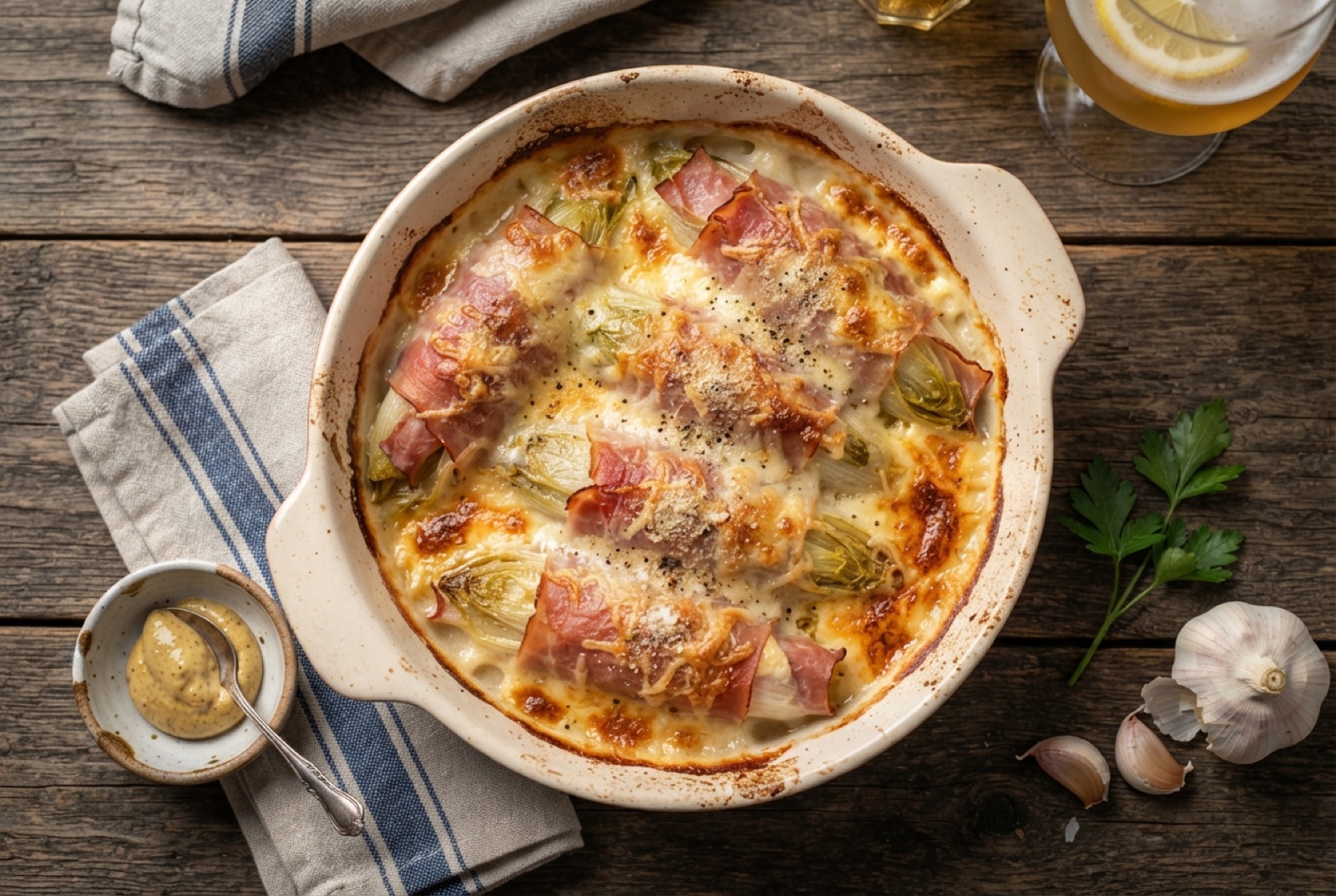
Chicons au Gratin
Belgian Endive Baked in Ham and Béchamel
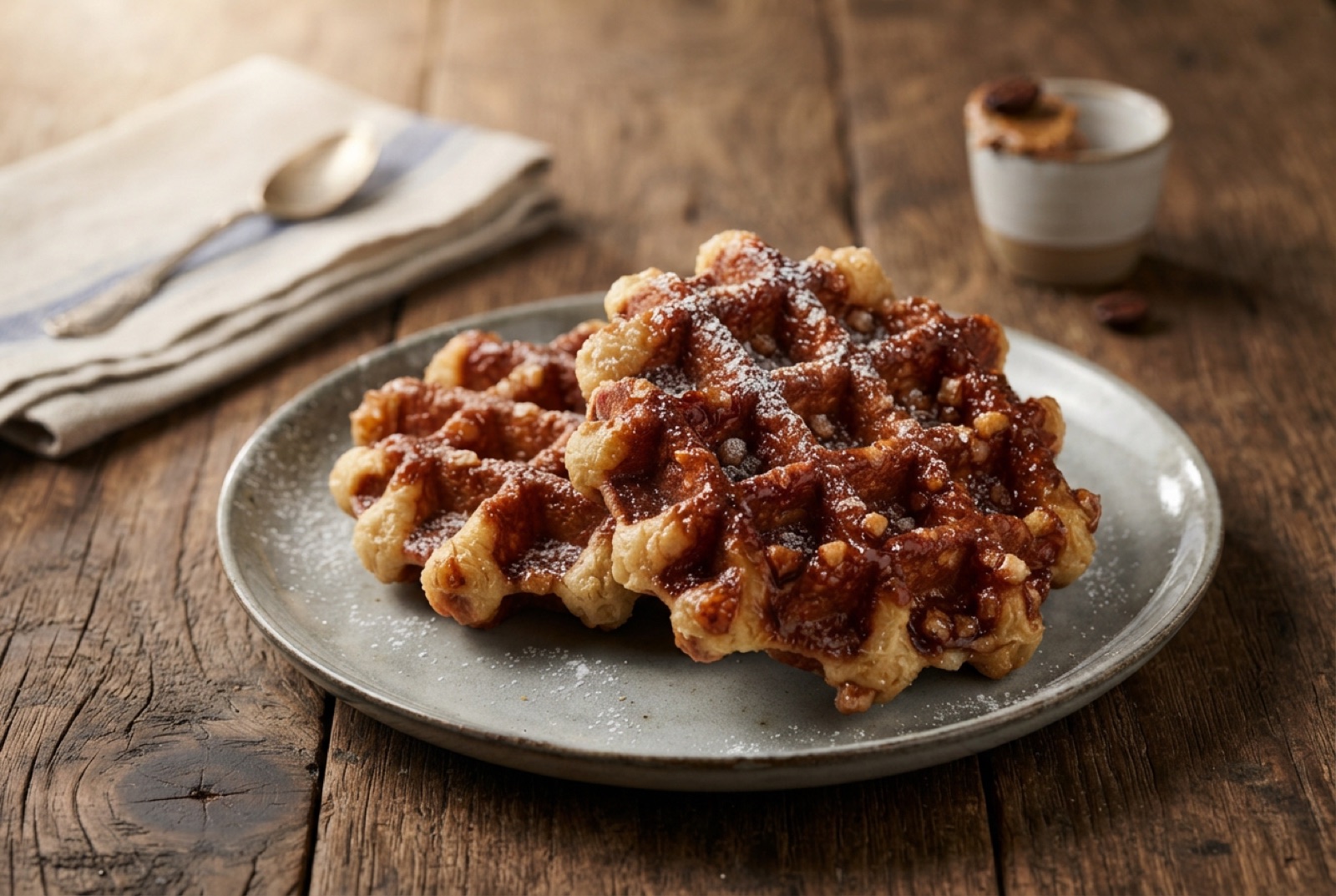
Belgium3 hr 40 min
Gaufres de Liège
Yeasted Pearl Sugar Waffles
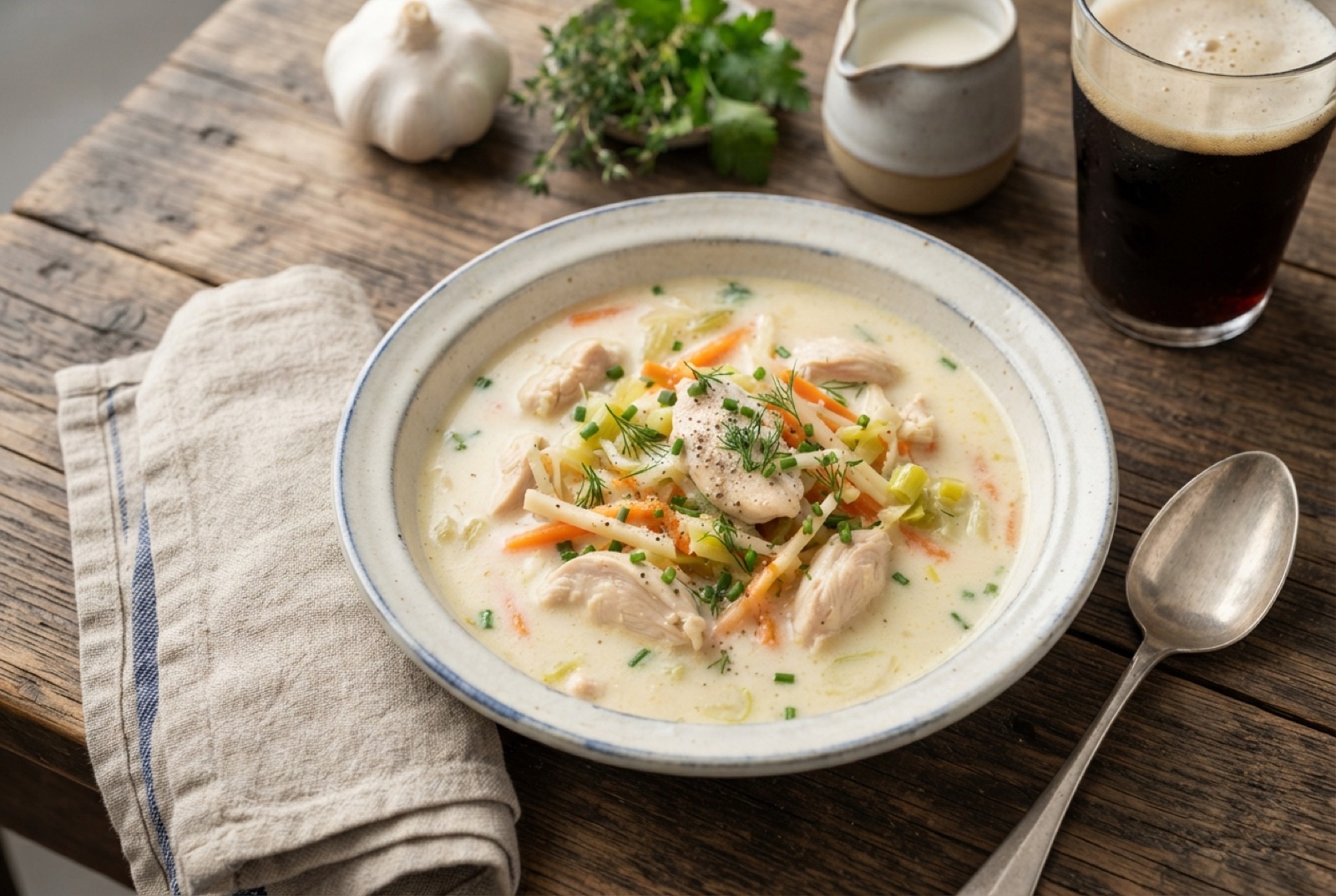
Belgium1 hr 15 min
Gentse Waterzooi
Ghent Creamy Chicken Stew
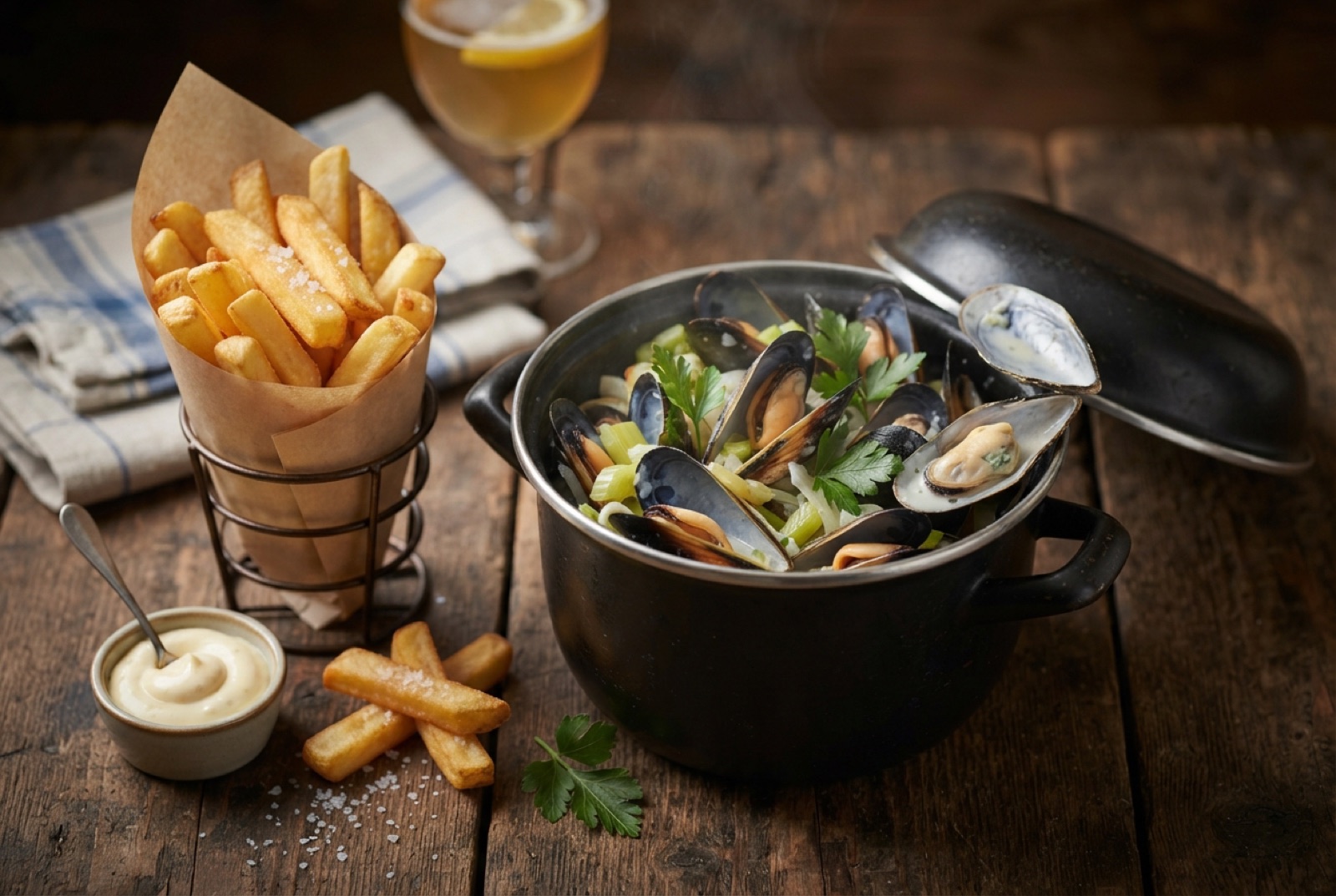
Belgium40 min
Moules-Frites
Belgian Mussels Steamed with Chips
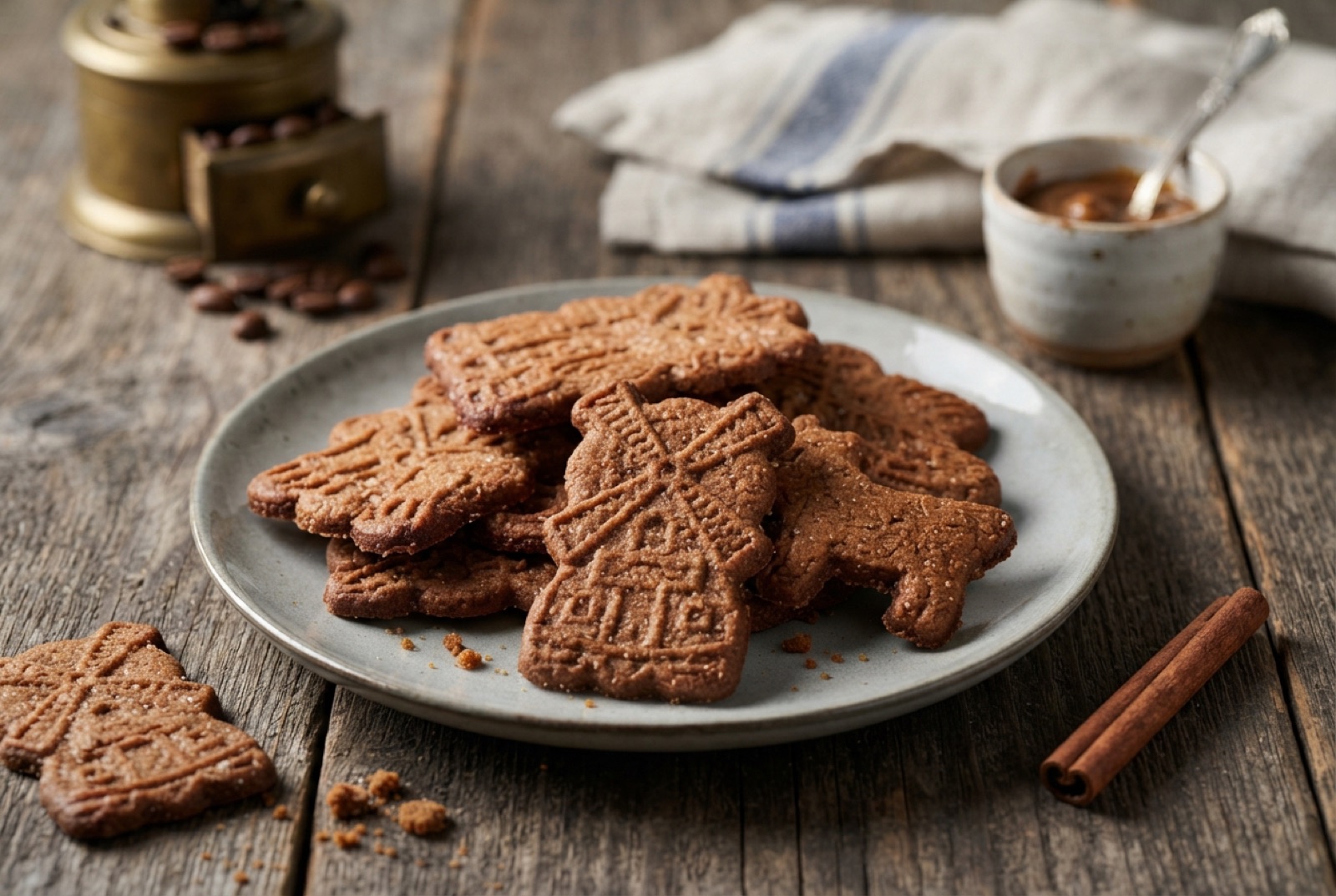
Belgium12 hr 39 min
Speculoos
Belgian Spiced Brown Sugar Biscuits
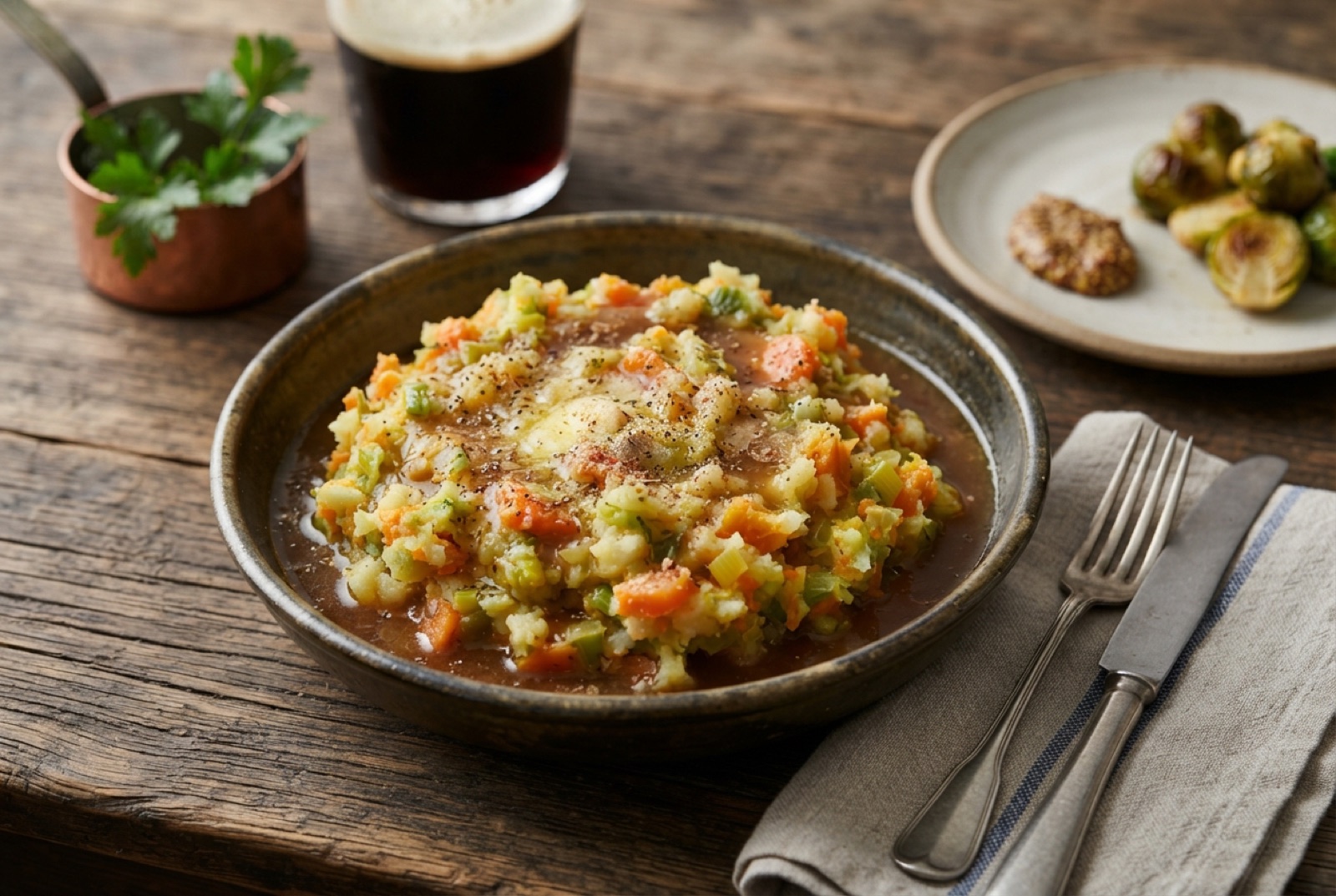
Belgium45 min
Stoemp
Brussels Lumpy Mash with Root Vegetables
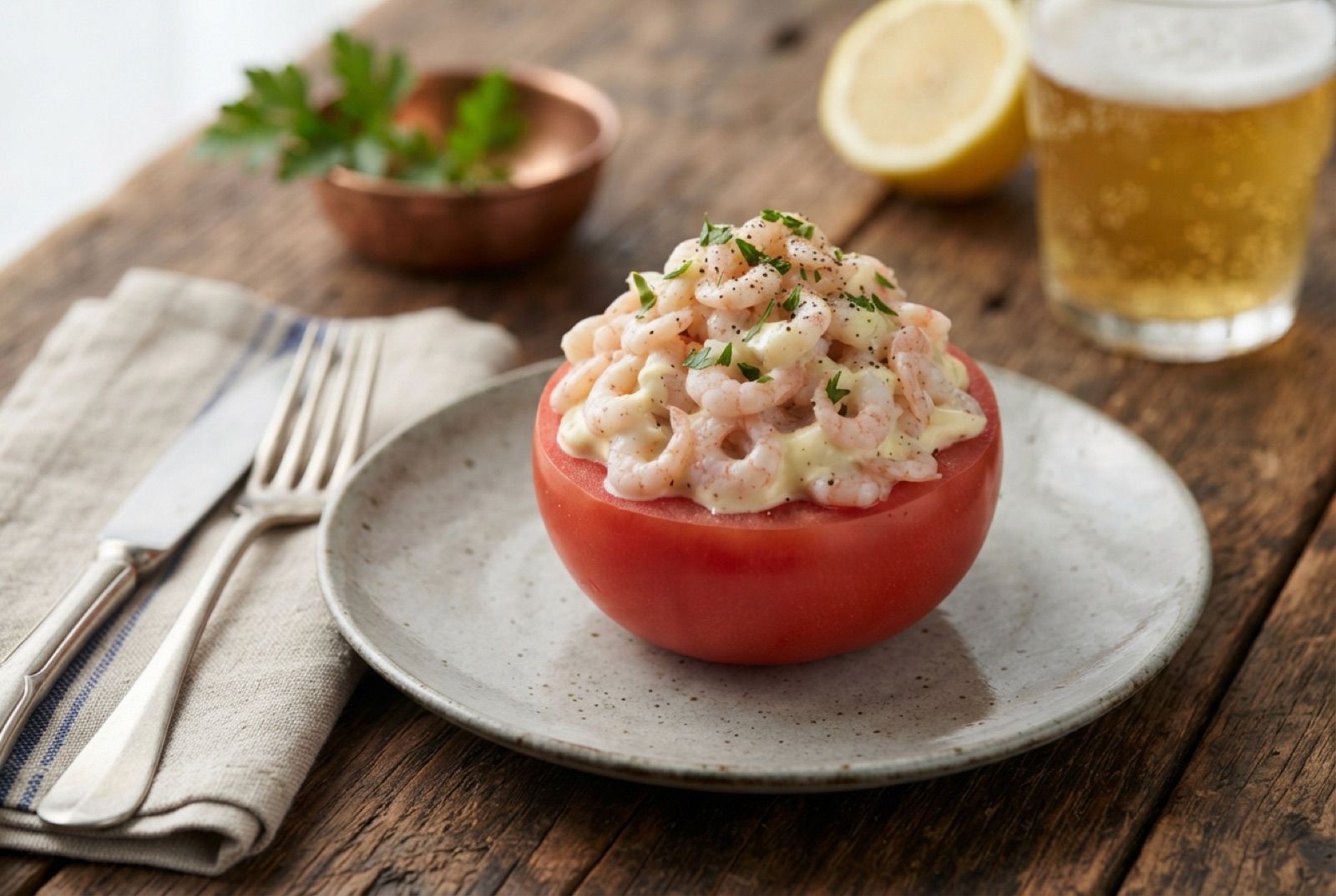
Belgium40 min
Tomate Crevette
Tomato Stuffed with North Sea Shrimp
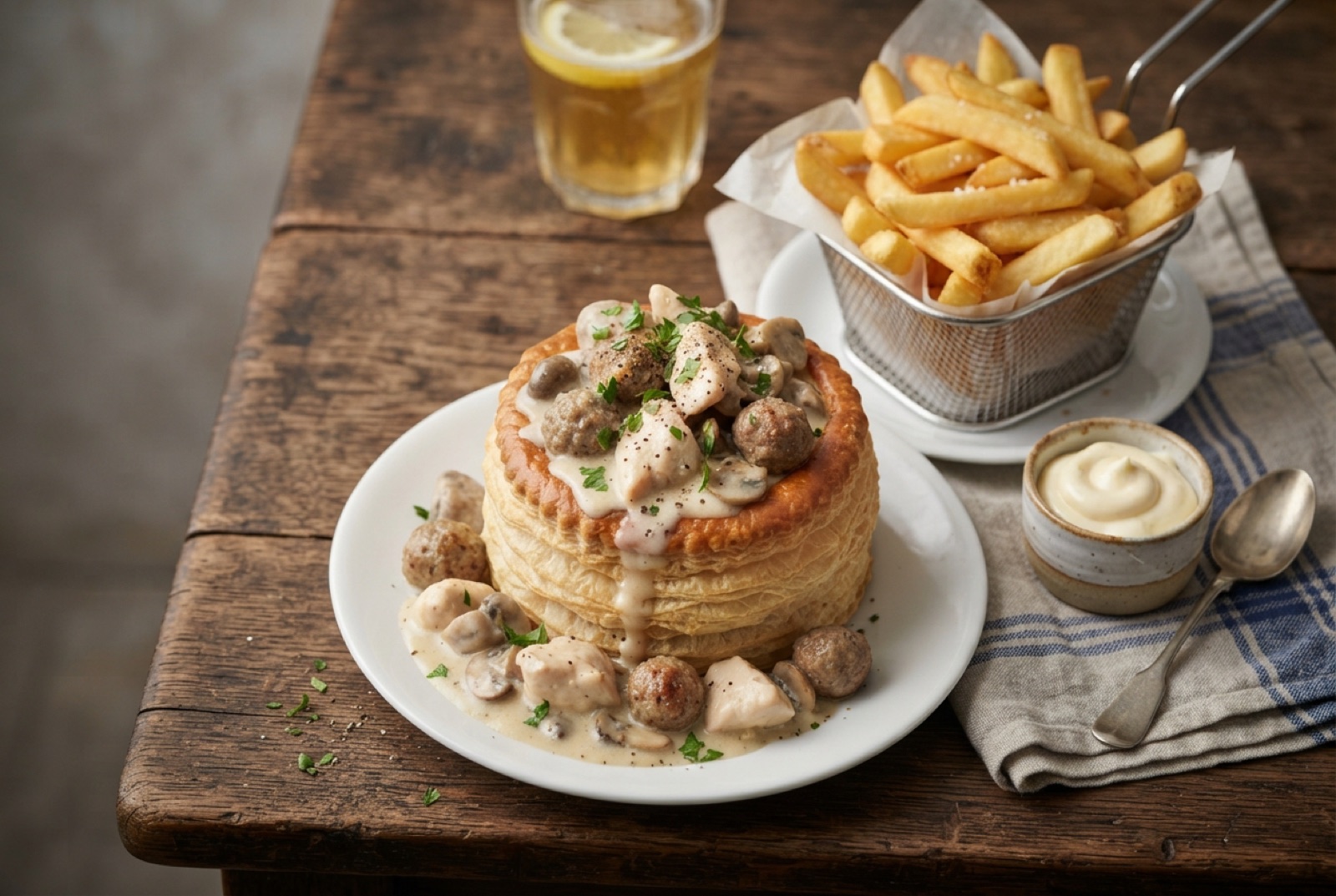
Belgium1 hr 15 min
Vol-au-Vent
Belgian Chicken and Meatball Pastry Case
Keep traveling.
Belgium sits in Benelux, and its kitchen shares borders as well as ingredients with Albania and Austria.
 Albania
 Austria