Sancocho de Gallina.
Hen and Yam Soup with Culantro
Sancocho de gallina panameño · say it: sahn-KOH-choh deh gah-YEE-nah
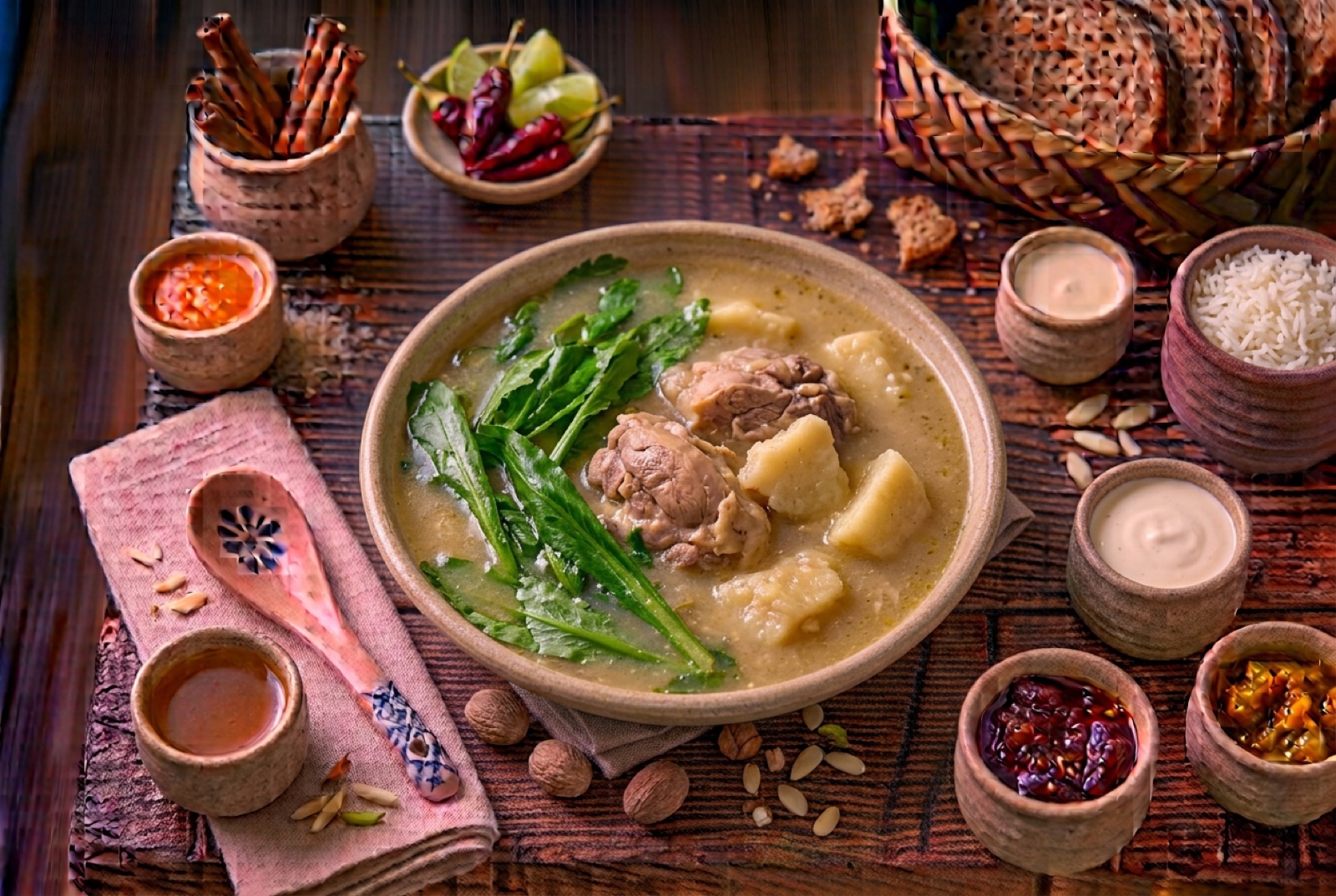
Sancocho de gallina is a soup with only four things in it that matter — hen, ñame yam, culantro and onion — and it depends entirely on time. The hen is an old laying bird, tough and full of flavour, and it needs a long simmer before it gives anything up. As it cooks, the yam dissolves at the edges and thickens the broth into something cloudy and slightly viscous that coats the spoon. The taste is deeply chicken-forward, herbal from all that culantro, and salty enough to feel like it is doing you good. Panamanians eat it at lunch, at fairs, at four in the morning after a long night, and it carries a national reputation as the definitive hangover cure. Rice is served alongside in its own bowl, to be spooned in or eaten separately.

- Gate
- PanamaAzuero Peninsula
- Prep
- 25 min
- Cook
- 2 hr 30 min
- Total time
- 2 hr 55 min
- Serves
- 6
- Status
- Medium
- Nutrition / serving · estimated
- Calories 480 kcal
- Protein 42 g
- Carbs 40 g
- Fat 16 g
- Fiber 5 g
- Sodium 940 mg
Why this recipe works.
- Sticks to the minimal Panamanian formula instead of loading the pot like a Colombian sancocho.
- Explains what ñame actually is and how to buy and cut it without ruining the broth.
- Two-stage culantro so the soup tastes both deeply herbal and freshly green.
- Realistic timing for both a true stewing hen and the supermarket chicken most cooks will use.
Ingredients.
10 itemsFor the pot
To serve
Equipment
- Large heavy stockpot
- Skimmer or slotted spoon
- Sturdy vegetable peeler or knife for the yam
Instructions.
Season the hen
Rub 1600 g of hen pieces with the crushed garlic, oregano and half the salt and leave 15 minutes at room temperature. Older birds benefit from this rest, which starts drawing seasoning into the dense muscle before it hits water.
Start the broth
Put the hen, quartered onion, whole culantro leaves and 3 litres of water in a large pot. Bring to a boil, then skim off the grey foam that rises in the first ten minutes until the surface runs clear.
Tip Skimming is the single difference between a clean-tasting broth and a muddy one.
Simmer long
Drop the heat until the surface only trembles and cook uncovered for 2 hours, topping up with hot water if the level drops below the meat. The hen is ready when a leg separates from the body under light pressure from a spoon.
Tip A young chicken needs about 75 minutes here instead, not two hours.
Add the yam
Add the ñame chunks and the rest of the salt and simmer 30 minutes more. The pieces should stay recognisable while their edges fray, turning the broth from clear to cloudy and slightly thick — that cloudiness is the goal, not a fault.
Adjust the body
If the broth still looks thin, press two chunks of yam against the side of the pot with a spoon and stir them in. Taste and correct the salt now, when the volume has stopped reducing.
Finish and serve
Stir in the remaining chopped culantro off the heat so it stays green and fragrant. Ladle into deep bowls with a piece of hen and several chunks of yam in each, and serve with a separate bowl of white rice and lime wedges.
Tips from our kitchen.
- A stewing hen makes a completely different soup from a young chicken. Ask a butcher or a Latin or Asian grocer for one and give it two and a half hours.
- Peel ñame under running water and rinse the cut pieces — the raw surface is slippery and can irritate the skin of sensitive cooks.
- Cut the yam in large 4 cm chunks. Small pieces disintegrate completely instead of half-dissolving.
- Skim the foam during the first fifteen minutes and the broth stays clean-tasting rather than muddy.
- Salt in stages and taste at the end. As the broth reduces, an early over-salting becomes irreversible.
- If the broth is still thin at the end, mash two chunks of yam against the side of the pot — that is the traditional fix, not flour.
Substitutions.
- Stewing hen → A whole chicken, bone-in, simmered 75 minutes instead
- The soup will be lighter and less gelatinous. Adding two chicken feet or a handful of wings gives back some of the body a real hen would supply.
- Ñame yam → Malanga, taro, or half potato and half cassava
- Ñame is sold at Caribbean, African and Latin grocers, often in cut sections. Potato alone will not cloud the broth the same way, so use cassava alongside it.
- Culantro → A large bunch of cilantro with stems, added in two stages
- You will need roughly three times the volume, and the flavour will be milder. Add half early and half in the final two minutes.
Variations.
- With corn and plantain
- A looser, more Colombian-influenced pot with corn cobs and green plantain added alongside the yam. Sweeter, chunkier, and considered heretical by Azuero purists.
- Sancocho de rabo
- Made with oxtail rather than hen, simmered three hours. Darker, richer and heavier, and often served as a fair-day dish.
- Overnight sancocho
- Cooked the day before and reheated, which many cooks insist is when the flavour peaks. The yam thickens the broth further overnight.
Storage & reheating.
Sancocho keeps 3 days refrigerated and genuinely improves after one night, as the yam continues to thicken the broth. Reheat to a full simmer in a covered pot, thinning with water or stock, since it sets almost solid when cold. It freezes for 2 months, but expect the yam chunks to soften into the broth on thawing — if that matters to you, freeze the broth and meat separately and cook fresh yam when you reheat.
Serve with
A separate bowl of plain white rice, lime wedges and hot sauce — the rice is never cooked in the soup.
The story behind Sancocho de Gallina.
Sancocho exists in some form across the Spanish-speaking Americas — Colombia, Venezuela, the Dominican Republic and Puerto Rico all have their own, most of them loaded with several meats, corn, plantain and cassava. The Panamanian version is defiantly minimal. It is chicken, ñame, culantro and onion, and adding much beyond that invites correction from anyone from the Azuero Peninsula, the region in the country's southwest most closely identified with the dish.
The Azuero connection matters. This is cattle-and-farm country, home to Panama's most concentrated folk traditions, and sancocho is what gets cooked in enormous pots at the region's festivals and rodeos. The bird is traditionally gallina de patio — a backyard hen that has spent its life scratching around and laying eggs, with dark, sinewy meat that no supermarket broiler can imitate. Such a hen needs two hours or more to become tender, and it repays that with a broth of a depth young chicken cannot approach. Cooks who cannot get one use a whole chicken and accept a lighter result.
The yam is equally specific. Ñame is a true yam, a large starchy tuber with rough brown skin and dense white flesh, not the orange sweet potato sold as "yam" in American supermarkets. It is what gives Panamanian sancocho its characteristic cloudy body — chunks stay whole while their surfaces break down into the liquid. And the culantro goes in by the handful, stems included, at the start and again at the end. The result is a soup that manages to be both simple and unmistakably from one place.
Questions, answered.
What is ñame and can I substitute it?
Ñame is a true yam — a large, rough-skinned tropical tuber with dense white flesh — and it is what makes Panamanian sancocho cloudy and thick. It is not the orange sweet potato sold as "yam" in the United States. Malanga, taro, or a mix of potato and cassava are the best substitutes; potato on its own will not thicken the broth in the same way.
Why does my sancocho taste bland?
Two usual causes: a young supermarket chicken instead of a stewing hen, and not enough culantro or salt. The broth gets its depth from long cooking of an older bird, so if you are using a regular chicken, add wings, feet or backs for extra collagen, salt in stages, and be much more generous with the herb than feels reasonable.
Is rice cooked in the soup?
No. In Panama the white rice arrives in a separate bowl and each person either spoons soup over it or eats it alongside. Cooking the rice in the pot turns the sancocho into a different dish entirely and makes the broth gluey within minutes.
How long does a stewing hen actually need?
Between two and three hours at a bare simmer, depending on the age of the bird. It is done when a leg pulls away from the body with light pressure from a spoon. A young supermarket chicken reaches that point in about 75 minutes and will fall apart entirely if you cook it for the full hen time.
Can I make sancocho in a pressure cooker?
Yes for the hen — about 45 minutes at high pressure gets a tough bird tender. Add the yam afterwards and finish on the stove for 25 minutes uncovered, because under pressure the yam disintegrates completely and you lose the chunks entirely into the broth.
You might also like.
All recipes →
Keep exploring Panama.
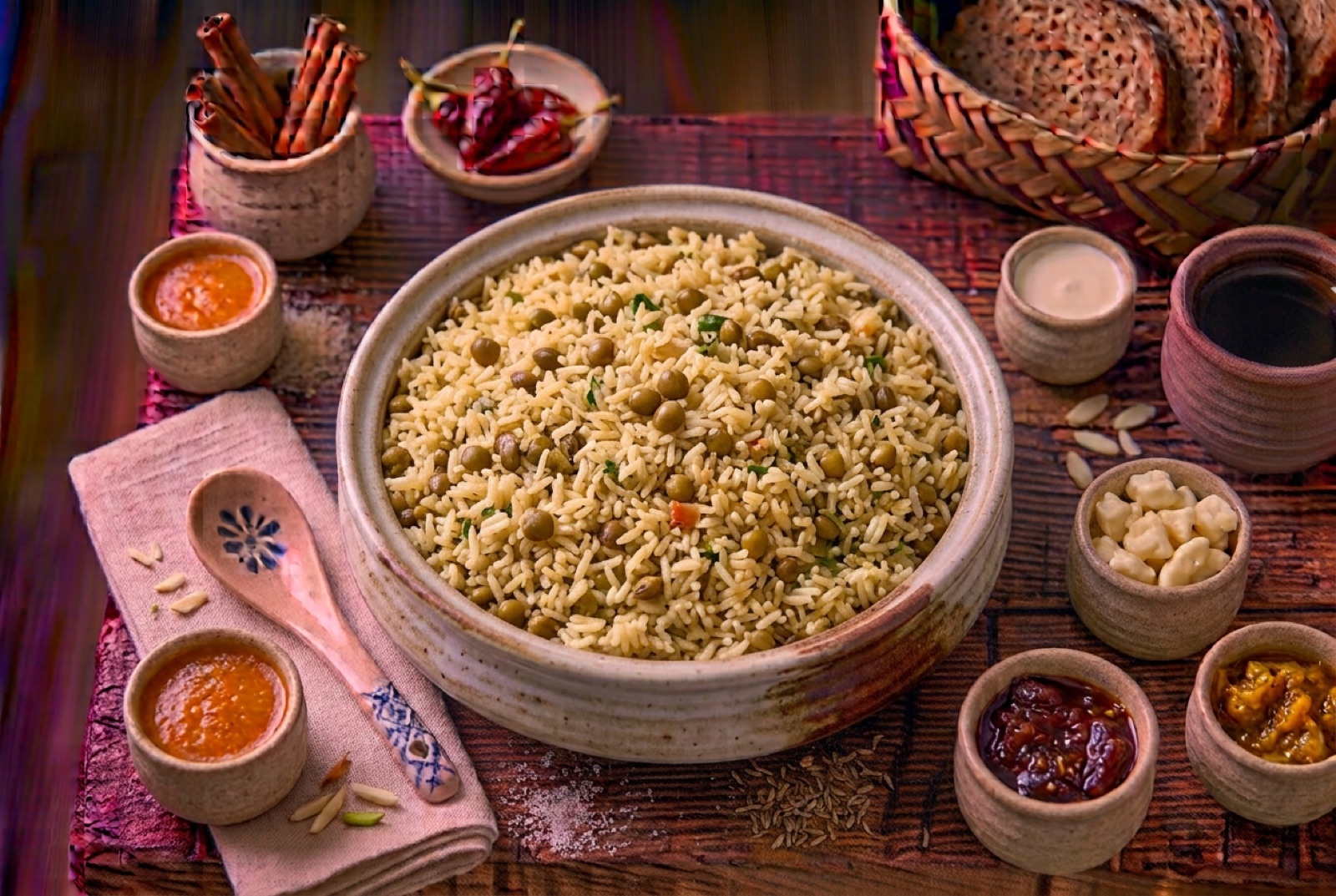
Panama has 9 more dishes in the atlas — Arroz con Guandú y Coco and Carimañolas, and 7 more.
All Panama recipes Chicken recipes Culantro recipes Onion recipes soupmaindairy freegluten freenut freeRecipe by The DishRoute Kitchen · published August 20, 2026 · updated August 20, 2026