Sausage Sizzle.
Barbecued Snag in White Bread
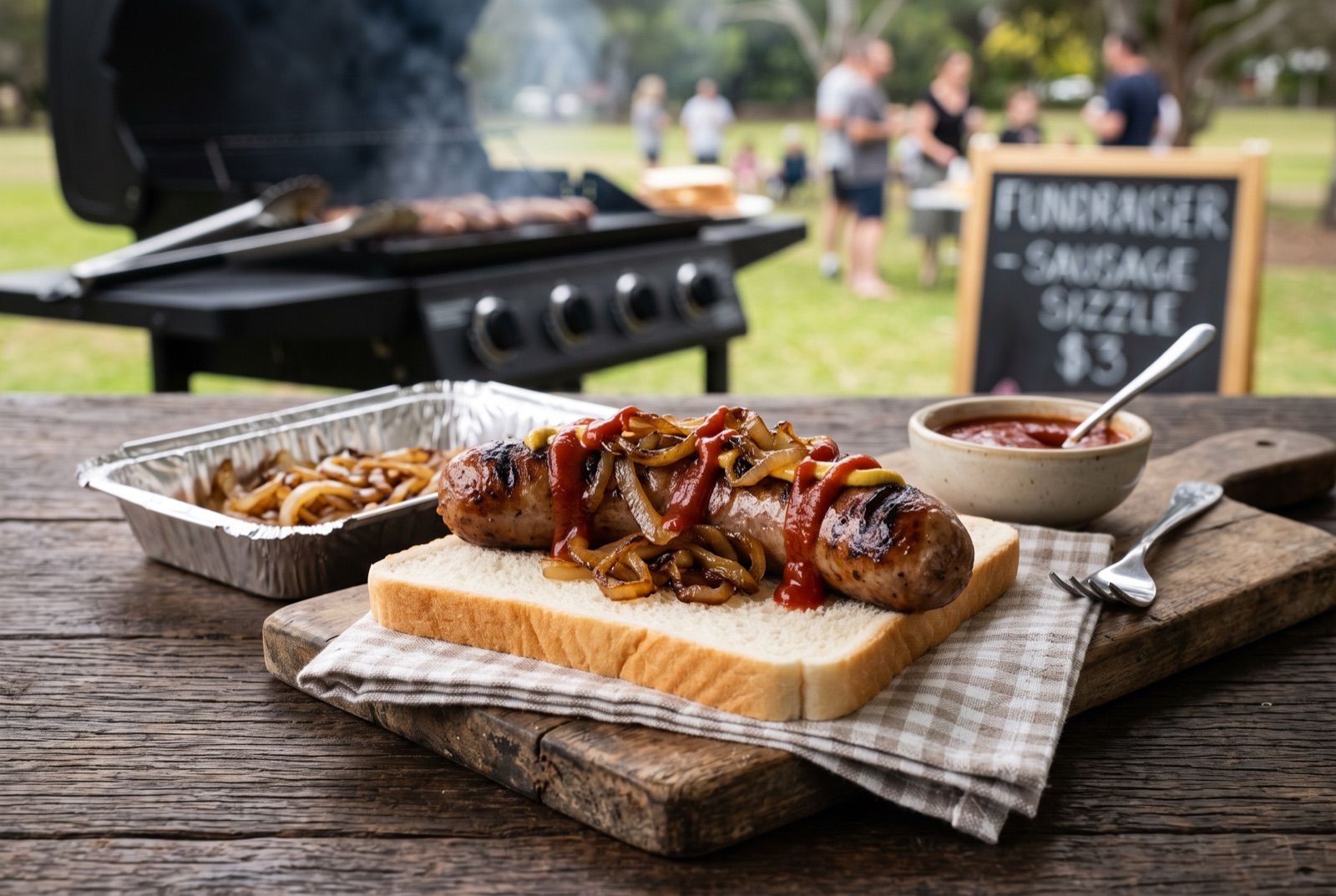
A sausage sizzle is one barbecued beef sausage, one slice of soft white bread, a tangle of onions cooked down on the same plate, and sauce. That is the entire construction. It works because of contrasts nobody planned: the sausage is hot, salty and slightly split from the heat, the bread is cool, sweet and floppy, and the onions bring sweetness and grease. You fold the bread around it and eat it standing up. Australians raise money with these outside hardware stores, at school fetes and on election day, and the two-dollar version eaten in a car park is genuinely better than most restaurant food.

- Gate
- Australia
- Prep
- 10 min
- Cook
- 25 min
- Total time
- 35 min
- Serves
- 6
- Status
- Easy
- Nutrition / serving · estimated
- Calories 420 kcal
- Protein 17 g
- Carbs 29 g
- Fat 26 g
- Fiber 2 g
- Sodium 1080 mg
Why this recipe works.
- Cooks the sausages slowly on moderate heat so the skins stay intact and the fat stays inside instead of feeding a flare-up.
- Uses the sausage fat to cook the onions on the same plate, which is where most of the flavour actually comes from.
- Warms the bread briefly on the plate edge, the one small step that lifts a car-park snag into something you would serve deliberately.
- Feeds a crowd for very little money and scales to any number without changing anything.
Ingredients.
8 itemsFor the sizzle
To assemble
Equipment
- Barbecue flat plate or heavy frying pan
- Tongs
- Wide spatula for the onions
Instructions.
Start the onions first
Heat the barbecue plate or pan to medium and add the oil and butter. Tip on the sliced onions with a pinch of salt and spread them across one half of the plate, leaving the other half clear for the sausages.
Cook the onions down slowly
Turn the onions every few minutes with a wide spatula for about 20 minutes, until they collapse from sharp white strands into a soft, glossy, deep golden tangle that smells sweet rather than raw. Push them to the coolest corner of the plate to hold.
Tip If they start to catch and blacken, the plate is too hot — move them and lower the heat rather than adding more oil.
Lay on the sausages
Set the sausages on the clear half of the plate over moderate heat, spaced apart so they brown rather than steam. Leave them undisturbed for 2 minutes before the first turn so a crust forms and they release cleanly.
Turn often and cook through
Roll the sausages a quarter turn every 2 minutes for 15–18 minutes total, until the skins are evenly bronzed and taut, the sausages feel firm and springy when pressed with tongs, and no pink juice runs when you nick one at the end.
Warm the bread
Lay the bread slices on the cool edge of the plate for about 30 seconds a side, just until warmed through and faintly toasted at the corners but still completely soft. Warm bread folds; cold bread splits.
Assemble corner to corner
Put a slice of bread on a paper napkin, spread a spoonful of onions across the middle, lay the sausage diagonally from corner to corner, add a squiggle of tomato sauce and fold the bread over. Eat immediately, over the napkin.
Tips from our kitchen.
- Keep the plate at medium, not high. Sausages that spit and split in the first three minutes have already lost their juice.
- Turn the sausages every couple of minutes rather than leaving them to sit, so they brown evenly instead of striping.
- Never prick the skins. Every hole is an escape route for the fat that is keeping the inside moist.
- Start the onions before the sausages and cook them low and long — twenty minutes takes them from harsh and raw to soft, sweet and golden.
- Lay the bread slices on the cool edge of the plate for thirty seconds a side; slightly warm bread folds without tearing.
- Set the sausage diagonally, corner to corner, so the ends sit inside the bread rather than poking out at both ends.
Substitutions.
- Beef sausages → Pork, lamb or chicken sausages, or vegetarian sausages
- Beef is the default at Australian fundraisers, but the method is the same for any fresh sausage. Vegetarian sausages need slightly less time and a little oil on the plate.
- White sandwich bread → A soft hot dog roll
- Common at home, but purists will tell you it is not a sausage sizzle any more. The bread slice is the defining feature.
- Tomato sauce → Barbecue sauce, or mustard for the minority who prefer it
- Tomato sauce is the standard and slightly sweeter than American ketchup. Offering both is the diplomatic option.
Variations.
- The democracy sausage
- The election-day version sold at polling booths across the country. Identical in construction, considerably more emotionally significant.
- Cheese and bacon snag
- A cheese-filled sausage with a rasher of bacon cooked on the plate alongside — the upgraded version sold at some fetes and footy clubs.
- Onions on the bottom
- Not a flavour variation but a construction one: onions laid under the sausage rather than over it, mandated by one hardware chain on safety grounds and argued about ever since.
Storage & reheating.
This is not make-ahead food, but the components behave well. Cooked sausages keep 3 days refrigerated and reheat fine in a pan or air fryer, and cooked onions keep 5 days and improve overnight. Cook the onions in advance for a crowd and simply reheat them on the plate. Never assemble a sausage sizzle ahead of time — the bread goes translucent and soggy within minutes of meeting hot sausage and sauce.
Serve with
Nothing at all, ideally, eaten standing in a car park. At home, a bowl of chips and a cold drink.
The story behind Sausage Sizzle.
The sausage sizzle is a fundraising machine before it is a recipe. Community groups run them outside hardware stores on weekends, and on federal election days polling booths across the country turn into barbecue stalls — a phenomenon Australians call the democracy sausage, which now has its own crowdsourced maps so voters can find a booth that serves one. The connection between civic duty and a sausage in bread is treated with genuine, slightly performative national affection.
A few conventions are fixed and taken seriously. The bread is a single slice of plain white sandwich bread, never a hot dog roll, because a roll costs more and does not fold. The sausage lies diagonally across the slice, corner to corner, so the ends do not stick out. And in 2018 the hardware chain Bunnings moved the onions to underneath the sausage rather than on top, on the stated grounds that loose onions on top slide off and cause slips — a decision that produced days of national news coverage and remains a live topic of complaint.
The cooking itself has one rule that separates a good snag from a burst grey one: low heat and patience. Australian barbecue sausages are fresh, high-moisture and finely emulsified, so blasting them on high makes the skins split and the fat run out in the first two minutes, leaving something dry inside a blackened case. Cooked slowly on a moderate plate for fifteen to twenty minutes, turning often, they colour evenly, stay juicy and pick up the onions frying beside them. Any decent barbecue operator keeps one cool zone and one hot zone for exactly this reason.
Questions, answered.
Why do my sausages split open on the barbecue?
The heat is too high. Fresh sausages are full of water and fat, and when they heat quickly that moisture turns to steam faster than the casing can stretch, so the skin bursts and the juices drain out. Cook at a moderate temperature for fifteen to twenty minutes, turning regularly. Never prick the sausages, which people do believing it prevents bursting — it just drains them.
Do the onions go on top of the sausage or underneath?
Both are done, and the question is a genuine Australian argument. Traditionally onions sit on top of the sausage. In 2018 the Bunnings hardware chain instructed its charity operators to place them underneath, saying loose onions falling from the top created a slipping hazard in car parks. The change was national news and is still resented by a substantial number of people.
Why a slice of bread rather than a bun?
Cost and practicality. A loaf of sliced white bread is far cheaper per serve than rolls, which matters when the whole point is fundraising, and a soft slice folds around a sausage without needing to be cut. The result also eats differently — the bread is thin enough to let the sausage dominate, which a dense bun does not.
How many sausages per person should I plan for?
For a fundraiser, one sausage per serve is standard and people buy a second if they want it. For a home barbecue as a meal, plan two per adult and one per child, plus a couple of spares — sausages are the cheapest item on the table and running out is worse than leftovers. One large onion serves about six sausages.
Can I cook these in a frying pan indoors?
Yes, and it works well. Use a heavy pan over medium-low heat with a teaspoon of oil, cover it loosely for the first five minutes to help the sausages cook through, then uncover and turn them until browned all over — about eighteen minutes total. Cook the onions in the same pan afterwards so they pick up the rendered fat.
You might also like.
All recipes →
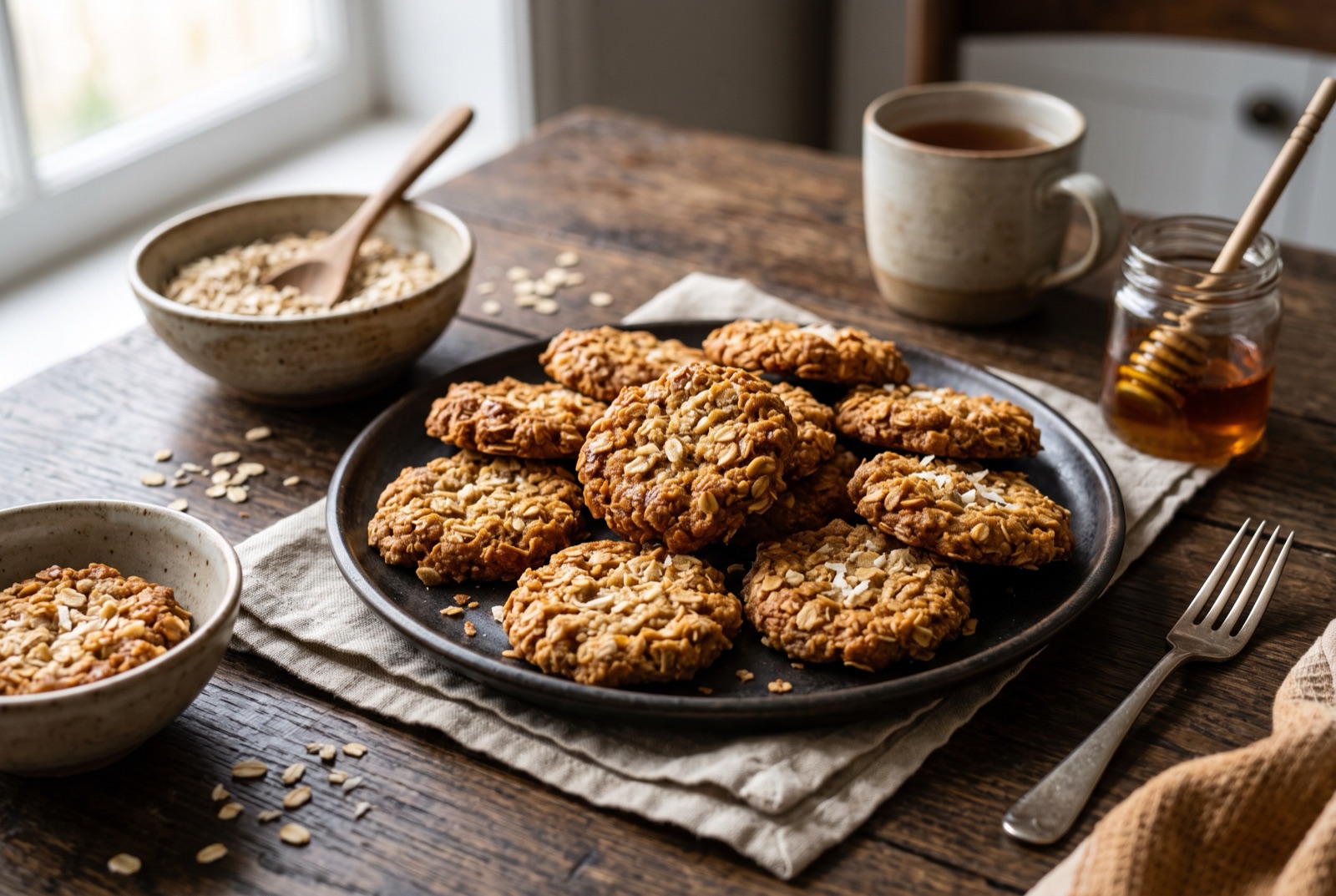
Keep exploring Australia.
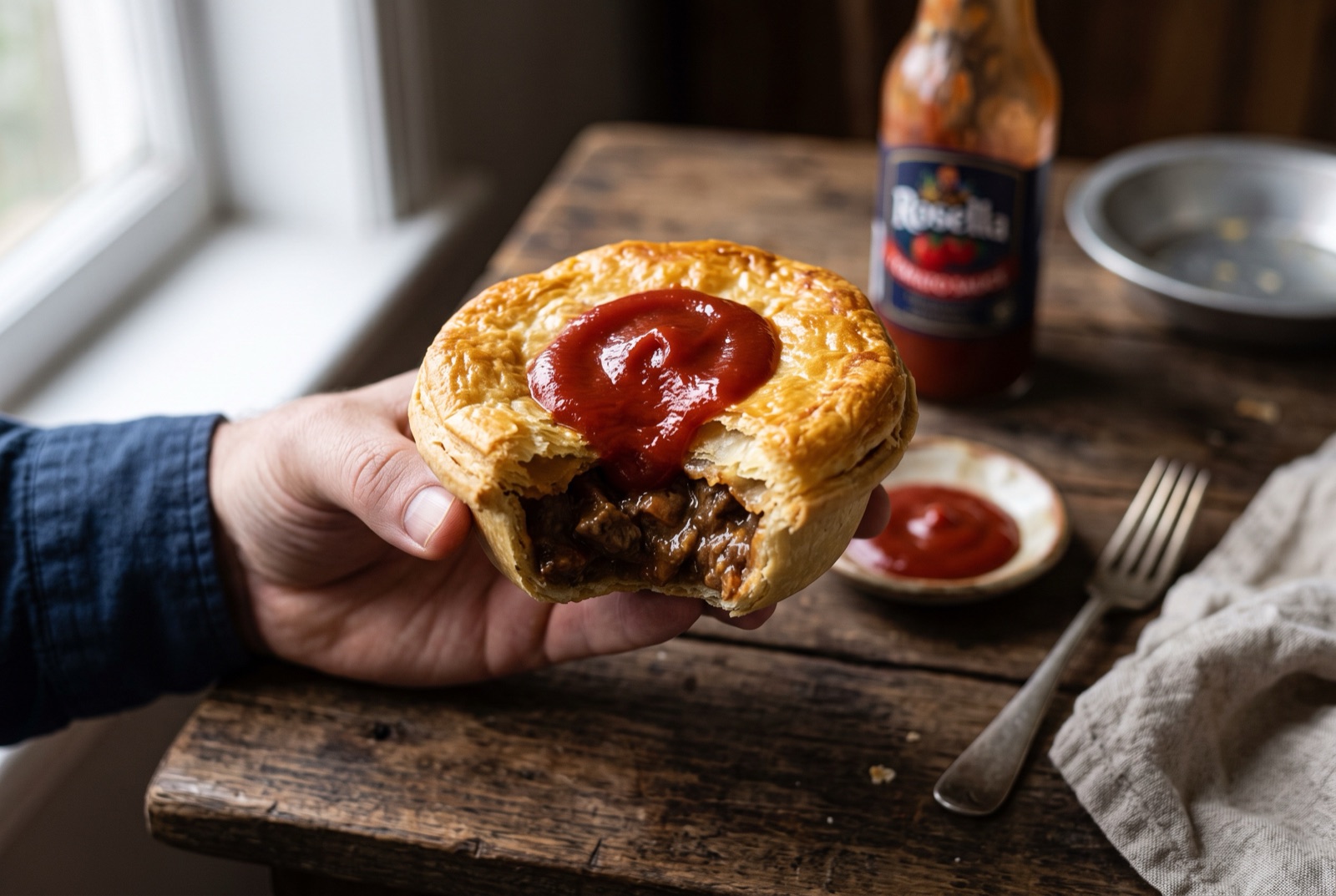
Australia has 9 more dishes in the atlas — ANZAC Biscuits and Aussie Meat Pie, and 7 more.
Recipe by The DishRoute Kitchen · published August 20, 2026 · updated August 20, 2026