Puff Puff.
Nigerian Sweet Fried Dough Balls
Puff-puff · say it: puff puff
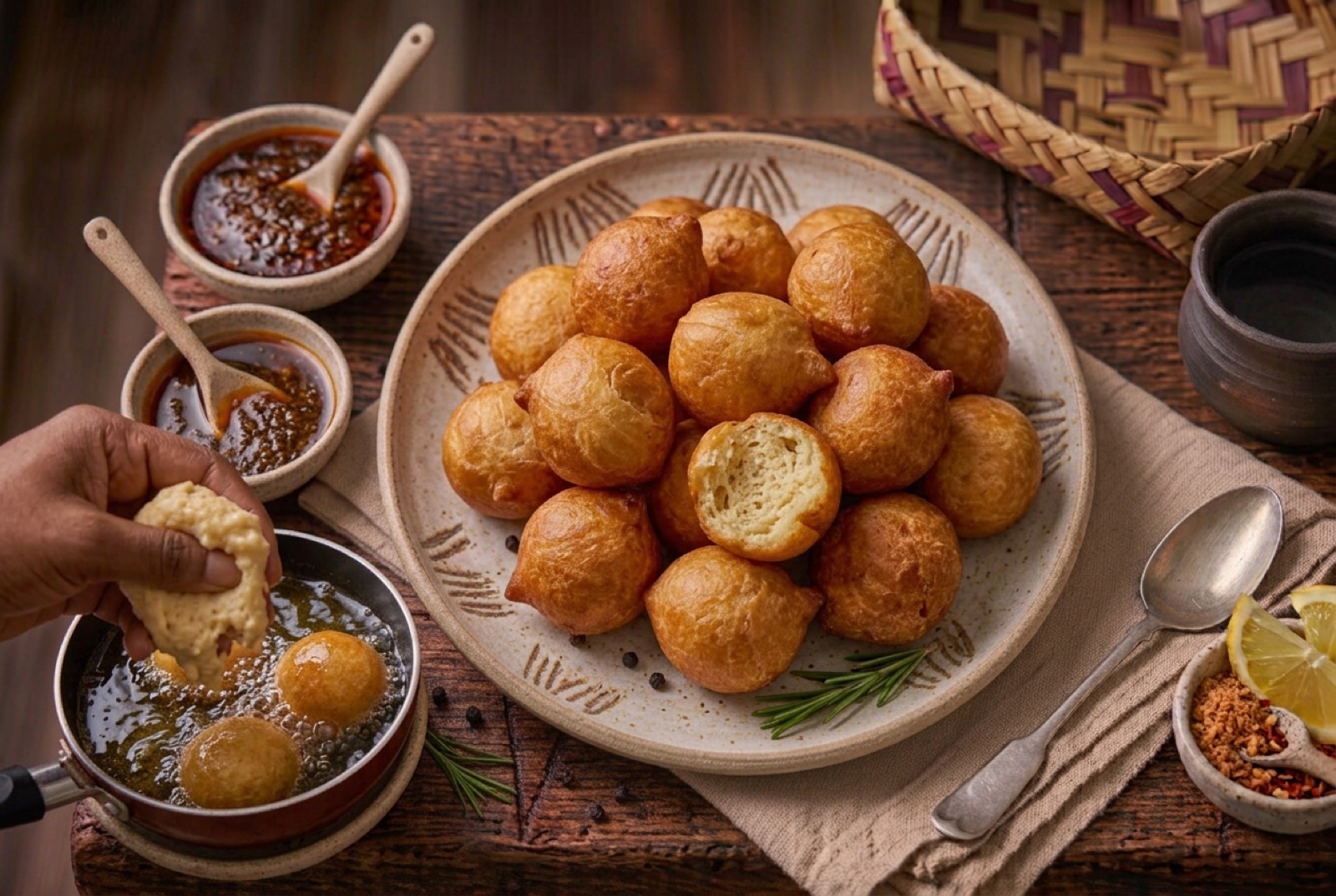
Puff puff is a sweet fried dough made from a batter too slack to knead: flour, sugar, yeast, nutmeg and enough warm water to make it pourable, left to rise until it smells of bread and bubbles like a sponge. Squeezed into deep hot oil it turns itself over as it cooks and sets into a round ball with a thin, slightly chewy skin and an interior that stays moist and almost custardy rather than cakey. The sweetness is mild, the nutmeg is what people recognise it by, and it is eaten hot, by the handful, from a paper bag or a party tray. Nigerians will tell you the good ones are round; the flat ones mean the batter was wrong.

- Gate
- Nigeria
- Prep
- 15 min
- Cook
- 25 min
- Total time
- 2 hr 10 min incl. 1 hr 30 min rest
- Serves
- 6
- Status
- Easy
- Nutrition / serving · estimated
- Calories 380 kcal
- Protein 7 g
- Carbs 58 g
- Fat 14 g
- Fiber 2 g
- Sugar 18 g
- Sodium 200 mg
Why this recipe works.
- A hydration level given by feel as well as by weight, since flours drink differently and the batter is the entire recipe.
- The hand-squeeze method described step by step, which is what produces round puff puff instead of flat ones.
- A moderate frying temperature so the middle sets fully — undercooked centres are the most common failure.
- Says honestly how long they stay good, because puff puff is not a make-ahead food.
Ingredients.
8 itemsFor the batter
To fry
To finish
Equipment
- Deep heavy pot or wok
- Slotted spoon
- Wire rack
- Kitchen thermometer (helpful, not essential)
Instructions.
Mix the batter
Whisk the flour, yeast, sugar, nutmeg and salt together in a large bowl, then pour in the warm water and beat hard with a wooden spoon for a minute. You want a smooth, thick batter with no dry pockets, loose enough to fall from the spoon in a slow ribbon.
Tip If it holds a peak or feels kneadable, splash in more warm water. Puff puff batter is closer to a thick pancake mix than to bread dough.
Prove until bubbling
Cover the bowl with a cloth and leave it somewhere warm for 60 to 90 minutes. It is ready when the volume has roughly doubled, the surface domes and is pitted with burst bubbles, and it smells yeasty and faintly sweet.
Heat deep oil
Pour the oil into a heavy pot to a depth of at least 7 cm and bring it to 165 to 170°C. Test with a small drop of batter: it should sink briefly, then rise and start bubbling steadily within two or three seconds without browning on contact.
Squeeze and drop
Wet one hand, scoop up a fistful of batter and close your fingers so a ball about the size of a walnut pushes up between thumb and forefinger. Flick it into the oil from just above the surface, and repeat until the pot is comfortably full without the balls touching.
Tip Dropping from height splashes hot oil and gives you teardrops instead of spheres. Work close to the surface.
Fry until even gold
Fry for 4 to 6 minutes, nudging any that stay stubbornly one-sided so they roll over. Properly proved batter turns on its own; the finished balls should be an even deep gold all round with no pale belt around the middle.
Test one before continuing
Lift out the first ball, let it cool for a minute and tear it open. The inside should be soft, open-crumbed and fully set, not wet or gluey. If it is still raw at the core, lower the heat slightly and give the rest an extra minute.
Drain and serve hot
Drain the balls on a wire rack rather than paper, which traps steam and softens the crust. Toss them in caster sugar while still hot if you want a sweet coat, and serve them straight away with pepper sauce alongside.
Tips from our kitchen.
- The batter should fall from a spoon in a thick, slow ribbon that sinks back into itself. Stiff enough to hold a shape means it will fry dense.
- Grate the nutmeg fresh if you can. Pre-ground loses the warm top note within months, and nutmeg is the flavour people are looking for.
- Prove until the surface is domed and pocked with bubbles and the volume has roughly doubled, then use it. Batter left hours past its peak collapses and fries greasy.
- Pour the oil at least 7 cm deep. A shallow pan makes the balls sit on the bottom and set with a flat, pale face.
- Keep a bowl of water beside you and wet your hand between every ball, or the batter clings to your fingers and tears.
- Fry a single test ball first and break it open. If the centre is still wet batter, drop the heat and give the next batch longer rather than darker.
Substitutions.
- Instant yeast → 15 g fresh yeast, or 9 g active dry yeast bloomed in the warm water first
- Active dry needs 10 minutes in the sweetened warm water until it foams before the flour goes in. Baking powder does not work here — you lose the yeasted flavour and the open middle.
- Warm water → Warm whole milk, or half milk and half water
- Richer and softer, browning a shade faster. Not the street version, but common in home kitchens and popular with children.
- Nutmeg → Ground cinnamon, or the seeds of two cardamom pods, crushed
- Both are pleasant and both make it taste like a different country. Nutmeg is what makes it read as Nigerian.
Variations.
- Peppered puff puff
- Blend a small habanero into the water before mixing. The heat sits under the sweetness and turns them into something you can serve with drinks rather than tea.
- Sugared puff puff
- Toss the hot balls in caster sugar, or in sugar mixed with a little cinnamon, so the crust takes on a fine grainy coat. Common at parties and with children.
- Filled puff puff
- Press a small cube of chocolate or a spoon of thick jam into the centre of each ball as you squeeze it out. A modern bakery idea rather than a street one, and it works.
Storage & reheating.
Puff puff is at its best within the first hour and noticeably worse the next day, when the crust has gone soft and leathery and the inside has tightened. If you must keep them, store in a paper bag rather than plastic, which traps steam, and refresh in a 180°C oven for 4 to 5 minutes to bring the crust back — a microwave makes them rubbery. Raw batter holds better than fried balls: it can rest in the fridge for up to 12 hours after the first rise, and needs 45 minutes back at room temperature before frying. Fried puff puff freezes poorly.
Serve with
Hot pepper sauce for dipping, or a bottle of cold malt drink — the standard Nigerian party pairing.
The story behind Puff Puff.
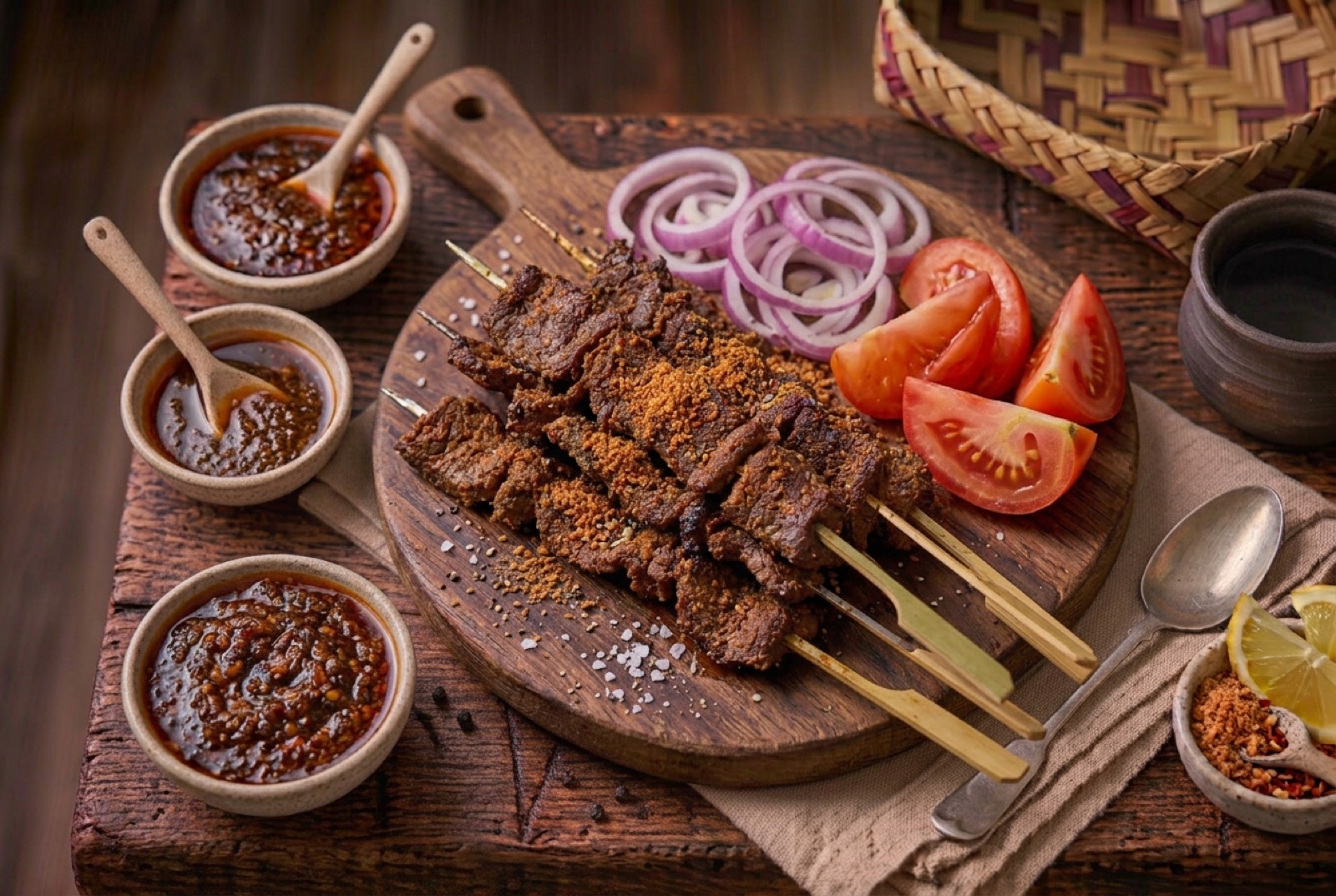
Puff puff is party food and roadside food at once. It appears on every Nigerian celebration table beside small chops — the fried spread of samosas, spring rolls and peppered meat that circulates before the main food — and it is sold all day from glass-front stands and plastic bowls carried on the head, wrapped in newspaper or a small bag, sometimes tossed in sugar. Nobody makes six of them. The batter is cheap, it scales without effort, and a bowl of it goes from mixing to eating in under two hours.
The same dough exists all along the West African coast under different names — bofrot or togbei in Ghana, mikate in Congo, beignets in the francophone countries, kala in parts of the north — and the family relationship is obvious the moment you see one fried. What is specifically Nigerian is the nutmeg, the pronounced roundness, and the fact that it stays firmly on the sweet side of the line while a dish like akara, made from the same frying pan on the same street, goes savoury with peppers and beans.
The technique that gives puff puff its shape is worth learning properly, because it is the whole difference between a sphere and a pancake. Cooks scoop the batter with a wet hand, close their fist, and let a ball squeeze up between thumb and forefinger, flicking it into the oil from just above the surface. The oil has to be deep enough that the ball floats without touching the base, otherwise it flattens on the hot metal and cooks into a lopsided disc. Watch a vendor and the hand movement looks careless; it is not, and your first five will be ugly. They will still taste right.
Questions, answered.
Why is my puff puff flat instead of round?
Two usual causes. The oil is too shallow, so the ball settles on the base of the pan and sets with a flattened face before it can float, or the batter is over-proved and has collapsed, losing the structure that holds a sphere. Pour the oil at least 7 cm deep and use the batter while it is still domed and actively bubbling.
Why are the centres still raw when the outside is brown?
The oil is too hot. At high heat the sugar in the batter browns the crust within a minute while the inside is still liquid. Aim for around 165 to 170°C, where a ball takes roughly 4 to 6 minutes and turns a steady even gold — if you do not have a thermometer, a small drop of batter should rise to the surface after two or three seconds rather than instantly.
Can I use baking powder instead of yeast?
You can fry the result, but it is not puff puff. Yeast gives both the slightly tangy bread flavour and the open, custardy interior that defines the snack; baking powder produces a denser, cakier ball closer to a doughnut hole. If time is the problem, use warm water and a slightly larger dose of yeast to shorten the rise to about 45 minutes.
How is puff puff different from akara or mandazi?
Akara is savoury and made from ground skinned black-eyed peas, not flour, so it fries into a crisp-shelled bean fritter. Mandazi is Kenyan, rolled and cut into triangles, and enriched with coconut milk and cardamom. Puff puff is a wheat-flour yeast batter, mildly sweet, scented with nutmeg, and shaped by hand into balls rather than cut.
Can I make the batter in advance?
Yes, within limits. After the first rise you can refrigerate the batter covered for up to 12 hours, which slows the yeast and actually deepens the flavour. Bring it back to room temperature for about 45 minutes before frying so it is lively again — cold batter fries heavy and greasy.
You might also like.
All recipes →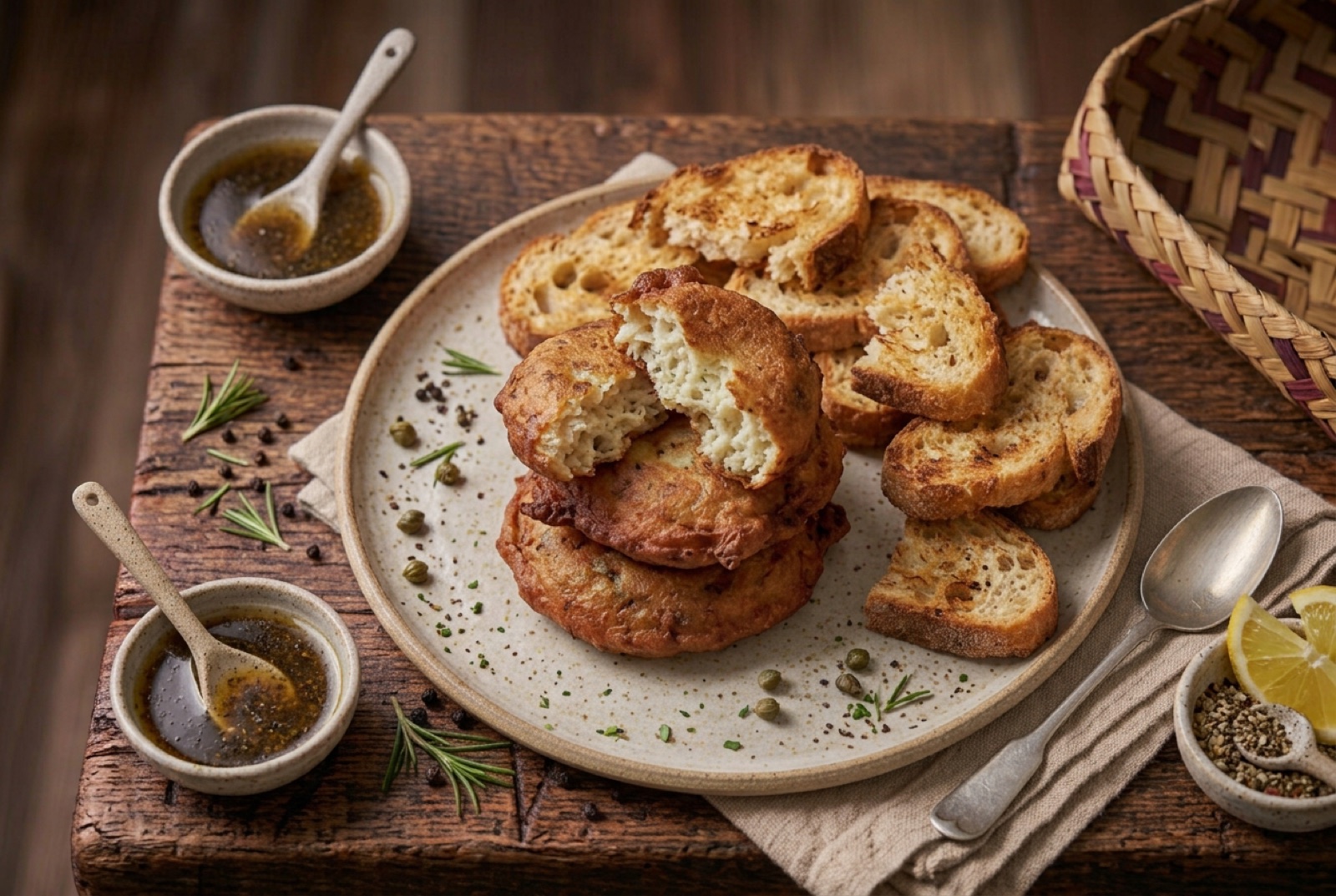
Keep exploring Nigeria.
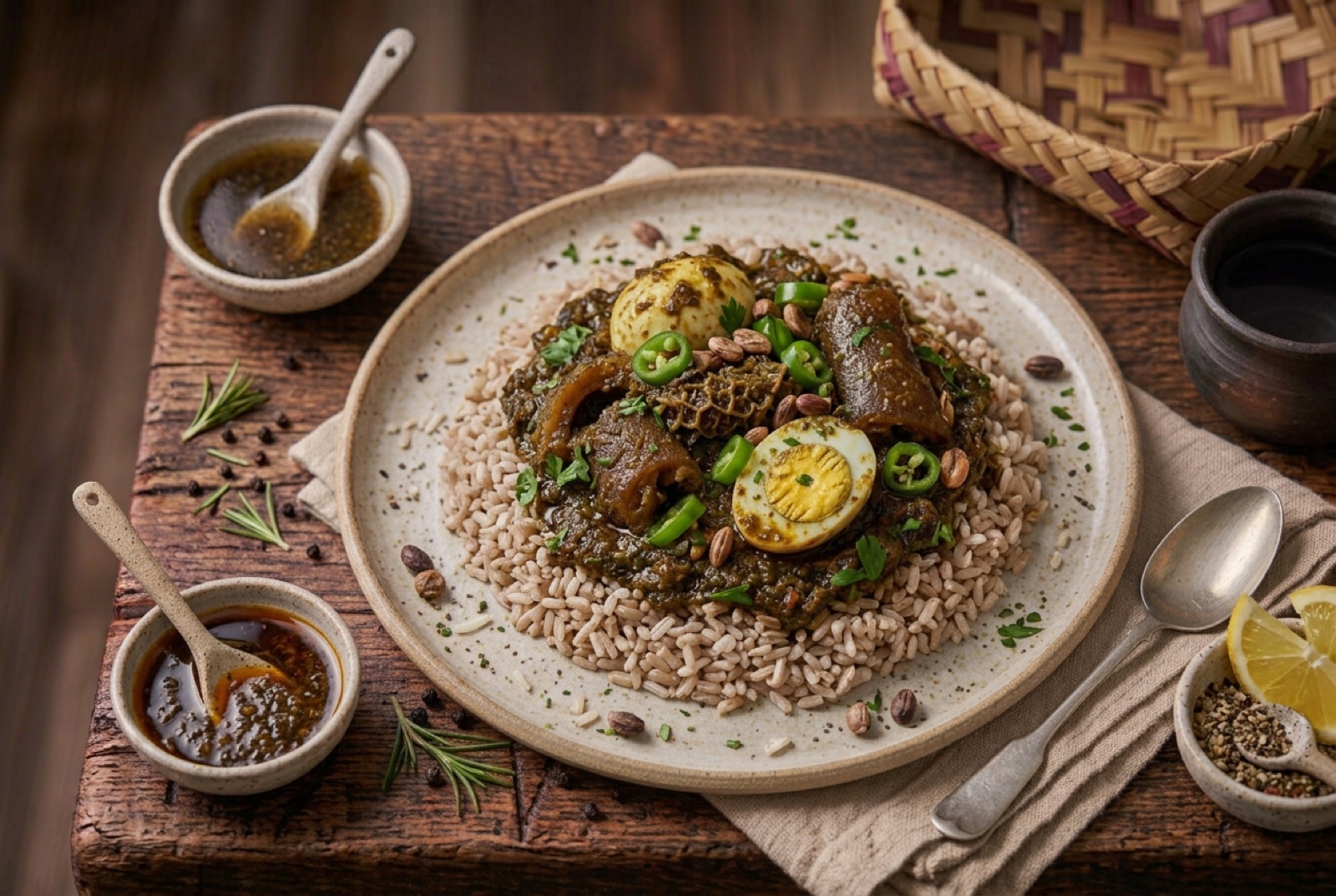
Nigeria has 9 more dishes in the atlas — Akara and Ayamase, and 7 more.
Recipe by The DishRoute Kitchen · published August 20, 2026 · updated August 20, 2026