Horchata de Morro.
Toasted Morro Seed Drink
Horchata de morro · say it: or-CHAH-tah deh MOH-rroh
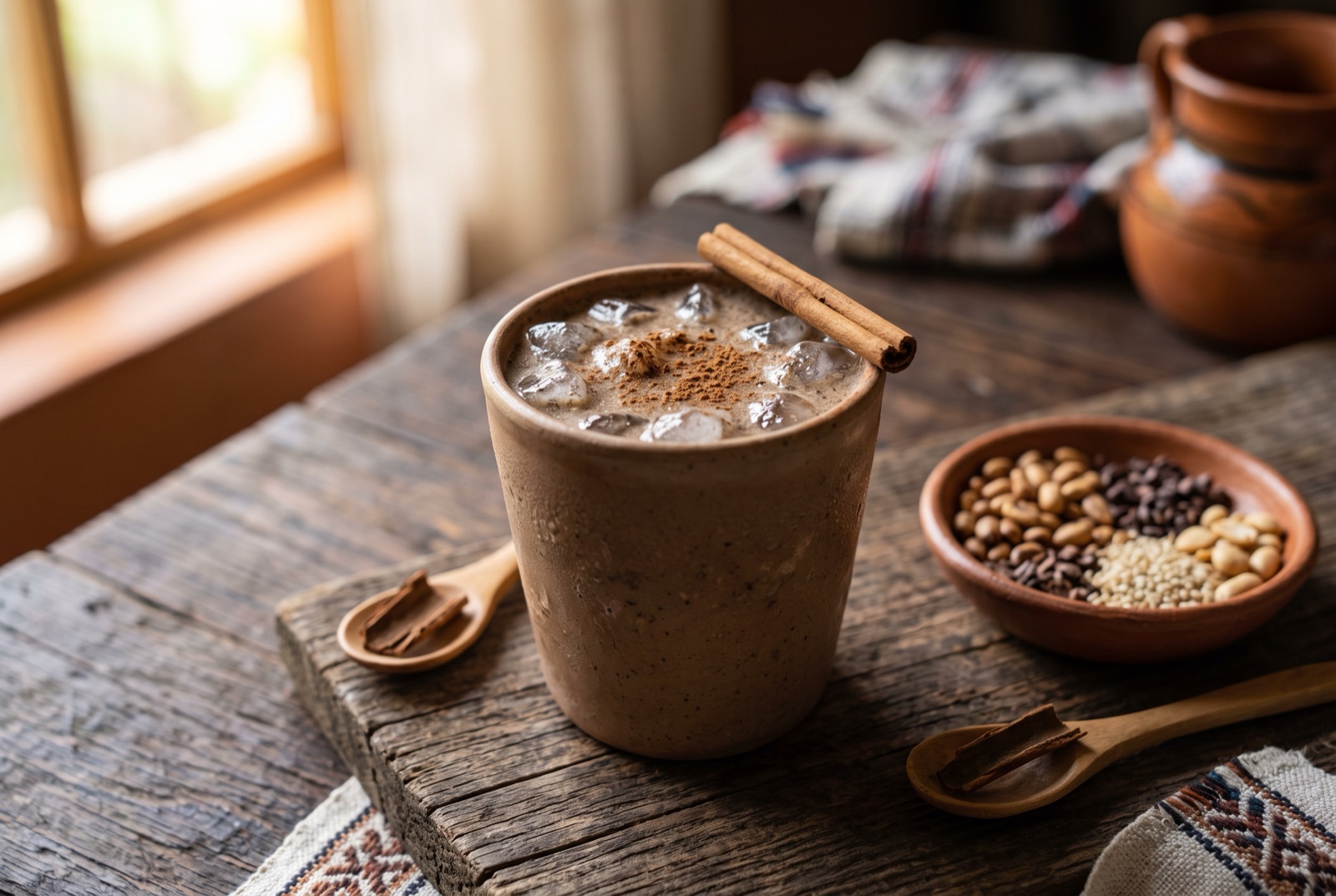
Salvadoran horchata is a toasted-seed drink, not a rice drink, and the difference is immediate — it is beige-brown rather than white, tastes strongly of toasted nuts and cacao with cinnamon behind it, and has a faint grainy body that settles in the glass if you leave it standing. The base is morro, the seed of the calabash tree, roasted until dark and ground with cacao, sesame, peanuts and spices into a powder that gets steeped in water or milk and strained. Served cold over ice, it is the default drink at any Salvadoran comedor and the standard partner to pupusas.

- Gate
- El SalvadorNationwide
- Prep
- 20 min
- Cook
- 15 min
- Total time
- 2 hr 35 min incl. 2 hr rest
- Serves
- 6
- Status
- Easy
- Nutrition / serving · estimated
- Calories 210 kcal
- Protein 5 g
- Carbs 30 g
- Fat 8 g
- Fiber 3 g
- Sugar 21 g
Why this recipe works.
- Toasts every component separately, because sesame, rice, cacao and peanuts all reach the right point at different speeds.
- Gives a soaking and straining routine that extracts real flavour instead of leaving a gritty, thin drink.
- Explains the water versus milk choice honestly rather than presenting one as the authentic version.
- The ground powder keeps for weeks, so one session of toasting supplies a fortnight of cold drinks.
Ingredients.
12 itemsTo toast
Spices
To finish
Equipment
- Dry frying pan
- Spice grinder or powerful blender
- Fine sieve and muslin or a nut-milk bag
- Large jug
Instructions.
Toast everything separately
Working one ingredient at a time in a dry pan over medium heat, toast the morro seeds, rice, sesame, peanuts and pumpkin seeds until each smells nutty and turns a shade or two darker. The rice needs about 5 minutes and the sesame under 2, so never combine them in the pan.
Tip Tip each batch onto a cold plate the moment it is ready — residual heat in the pan keeps cooking anything left in it.
Toast the cacao last and briefly
Warm the cacao nibs, cinnamon sticks and allspice in the same pan for barely a minute, just until you can smell chocolate and spice. Cacao scorches faster than anything else here and turns the whole batch bitter if you look away.
Grind to a powder
Once everything is completely cool, grind the toasted mixture with the nutmeg in short bursts until it is a fine, even powder with no whole seeds left. Let the grinder rest between bursts so the oils do not warm and clump.
Soak the powder
Whisk the powder into the cold water with the sugar and salt in a large jug and refrigerate for at least 2 hours, or overnight. The mixture will thicken slightly and the liquid will turn opaque milky brown.
Strain twice
Pour the mixture through a fine sieve, pressing the solids with the back of a ladle to extract everything, then strain again through muslin or a nut-milk bag until only very fine sediment remains.
Tip One pass leaves it noticeably gritty. The second strain is what gives the smooth commercial texture.
Chill, stir and serve
Taste the cold horchata and adjust the sugar, remembering that cold blunts sweetness. Stir the jug thoroughly right before pouring over plenty of ice, since the solids settle within minutes.
Tips from our kitchen.
- Toast each ingredient on its own in a dry pan. Sesame seeds are done in ninety seconds while rice takes five minutes, and toasting them together guarantees something burns.
- Take the cacao off the heat early — it scorches faster than anything else in the mix and turns the whole batch bitter.
- Grind in short bursts and let the machine cool between them. Overheating the seeds makes the mixture clump into a paste instead of a powder.
- Soak the ground mixture for at least two hours, and overnight if you can. That is where the body of the drink comes from.
- Strain twice: once through a fine sieve, then through muslin or a nut-milk bag. One pass leaves it noticeably gritty.
- Always stir the jug before pouring. The solids settle within a few minutes and the bottom is where the flavour concentrates.
Substitutions.
- Morro seeds → Ready-made Salvadoran horchata powder from a Latin grocer
- By far the easiest route and what most Salvadoran households actually use. Follow the packet ratio, then soak and strain as below for a better texture.
- Morro seeds, if truly unavailable → Extra sesame seeds plus pumpkin seeds in equal measure
- This gets you a toasted-seed drink in the same family. It is genuinely not the same flavour — morro has a distinctive slightly bitter, resinous edge.
- Water → Whole milk, or half milk and half water
- Milk makes a richer, thicker horchata of the kind served in restaurants. Water is the traditional everyday version and far more refreshing in heat.
- Peanuts → Pumpkin seeds or cashews
- Useful if you are cooking for a nut allergy — pumpkin seeds keep the toasted depth without any tree nut or peanut.
Variations.
- Horchata con leche
- Made with whole milk instead of water, giving a thicker, sweeter drink closer to a milkshake. The restaurant standard, and what most visitors are served.
- Horchata de arroz
- The rice-only version familiar from Mexico, pale and light. Sold in El Salvador too, and clearly distinguished from morro horchata by name.
- Fresco de cacao
- A related market drink where cacao dominates and morro is minor, producing something closer to a cold, thin, spiced chocolate.
Storage & reheating.
The ground toasted powder keeps 6 weeks in an airtight jar in a dark cupboard, or 4 months in the freezer, and both are better than storing it in a warm kitchen where the oils turn rancid. Mixed horchata keeps 3 days refrigerated in a sealed jug; expect it to separate completely and stir it hard before each pour. Do not freeze the made-up drink — the solids clump on thawing and never redisperse properly. Adjust the sugar after chilling, since cold blunts sweetness.
Serve with
Pupusas, yuca frita or anything fried and salty — this is a savoury-meal drink in El Salvador, not a dessert.
The story behind Horchata de Morro.
The name is borrowed and the drink underneath it is not. Horchata in Spain is made from tiger nuts, and in Mexico from rice steeped with cinnamon; both are pale, sweet and light. When the word travelled to El Salvador it attached itself to something entirely local: a preparation built on the seeds of the morro or jícaro tree, Crescentia alata, whose hard gourds are also dried and carved into the bowls that traditional drinks are served in. The seeds are scraped from the pulp, washed, dried and toasted, and they produce a flavour closer to sesame paste than to anything in the Spanish or Mexican versions.
The blend around the morro is where family and vendor recipes diverge. Almost every mix includes cacao, sesame seeds, cinnamon and rice; most add peanuts or pumpkin seeds; many add allspice, nutmeg, cloves, or the aromatic seed known locally as pepita de zapote. Markets sell horchata powder ready-ground in bags, and in practice most Salvadoran households buy it rather than roasting and grinding seeds themselves. Making it from scratch is a Sunday project, and worth doing once to understand how much toasting contributes.
How it is served says something about the country's eating habits. Horchata is not a dessert drink or an occasional treat — it is an everyday beverage that appears alongside savoury food, poured from a plastic jug at lunch, sold in bags with a straw from street coolers, and drunk by children and adults alike. Traditional versions are made with water, which keeps them refreshing; the richer restaurant version uses milk and comes out thicker and sweeter. Either way it is stirred before pouring, because the ground seeds sink within minutes and the bottom of the jug is where all the flavour has gone.
Questions, answered.
How is Salvadoran horchata different from Mexican horchata?
Almost entirely. Mexican horchata is rice steeped with cinnamon, strained and sweetened, and it is white and light. Salvadoran horchata is built on toasted morro seeds with cacao, sesame, peanuts and spices, making it brown, nutty and much fuller in flavour. Ordering horchata in the two countries gets you two completely different drinks.
What are morro seeds?
They are the seeds of the morro or jícaro tree, Crescentia alata, a Central American tree whose hard round gourds are dried and carved into drinking bowls. The seeds are scraped from the pulp, washed, dried and toasted, and they taste nutty with a faint resinous bitterness. Latin American grocers sell them whole or already ground into horchata powder.
Where can I buy morro or horchata powder?
Latin American grocers, particularly those serving Salvadoran and Honduran communities, and many online Central American food shops. Look for bags labelled horchata de morro or simply horchata salvadoreña. Ready-ground powder is the normal purchase even in El Salvador, so using it is not cutting a corner.
Why is my horchata gritty?
It was not ground finely enough or not strained enough. Grind the toasted mixture to a genuine powder in short bursts, soak it for at least two hours so the particles soften, then strain twice — through a fine sieve first and then through muslin or a nut-milk bag. Some very fine sediment is normal and is why you stir before pouring.
Can I make it without sugar?
Yes, and the unsweetened version is pleasant in a savoury, toasted way, though it will taste unfamiliar to anyone expecting the usual sweetness. Salvadoran horchata is normally quite sweet. Add sugar gradually after the drink is chilled, since cold suppresses sweetness and a mixture that tasted right warm will seem flat over ice.
You might also like.
All recipes →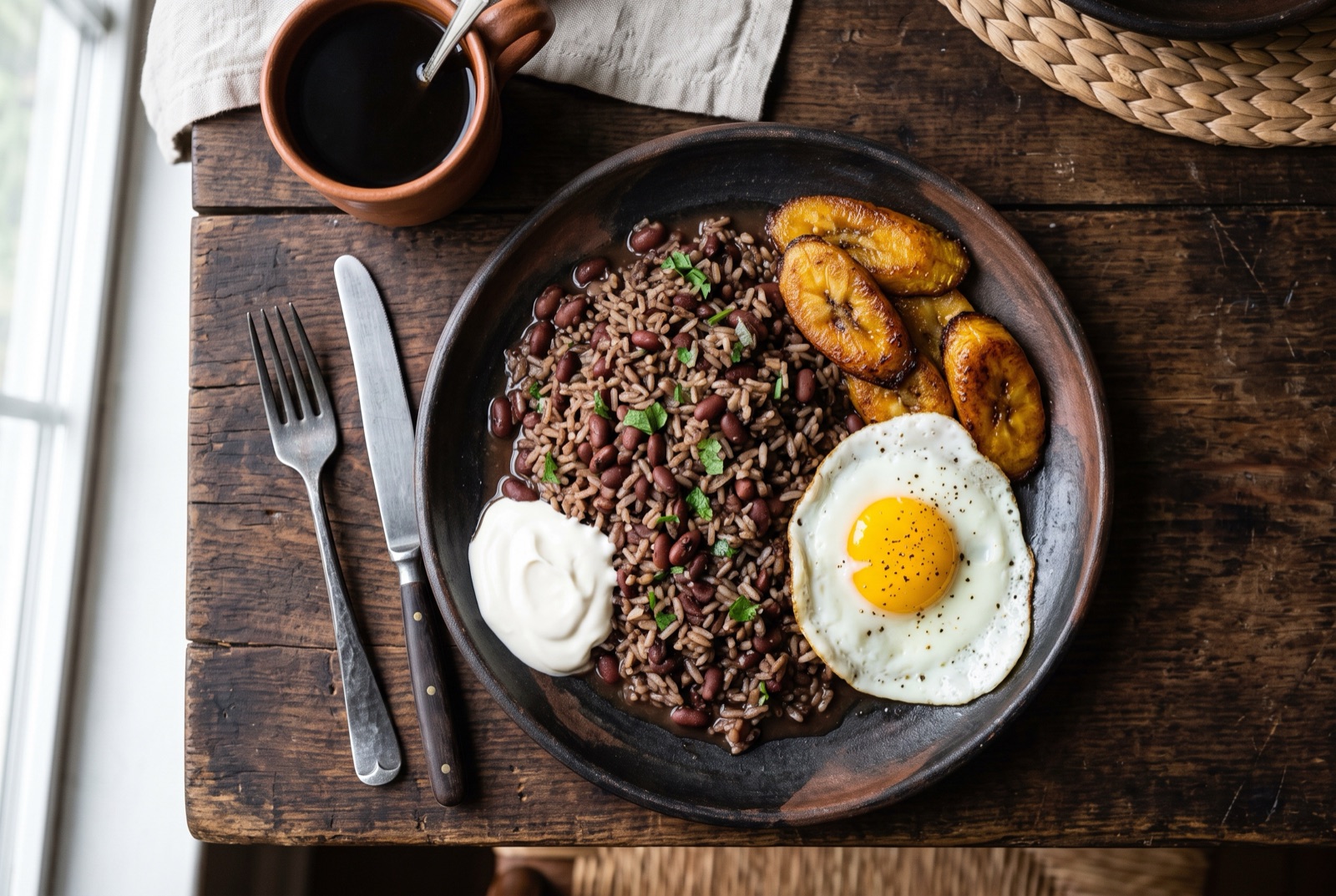
El Salvador25 min
Casamiento
Salvadoran Rice Married with Red Beans
El Salvador1 hr 35 min
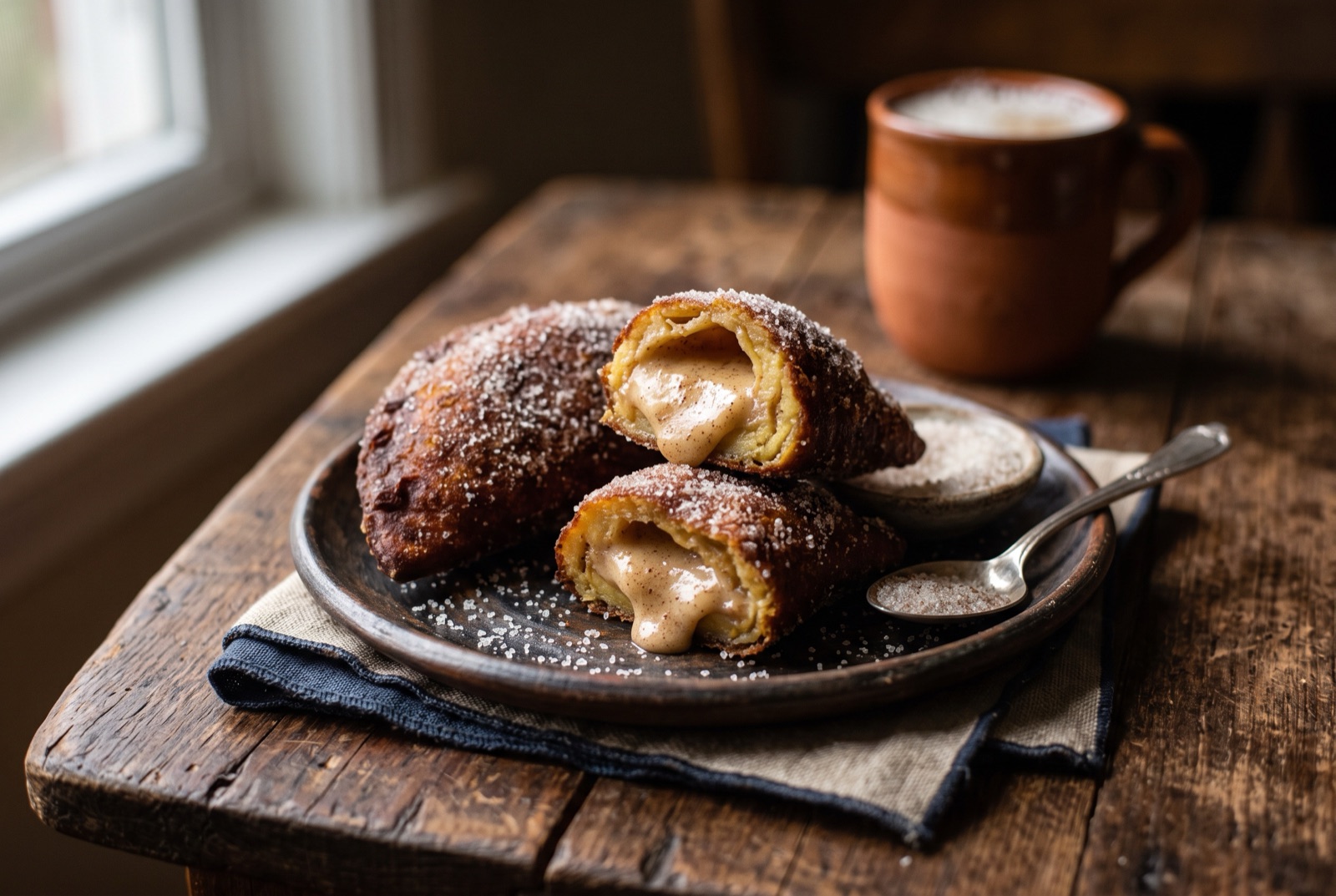
Empanadas de Plátano
Plantain Parcels with Milk Custard
El Salvador14 hr 40 min
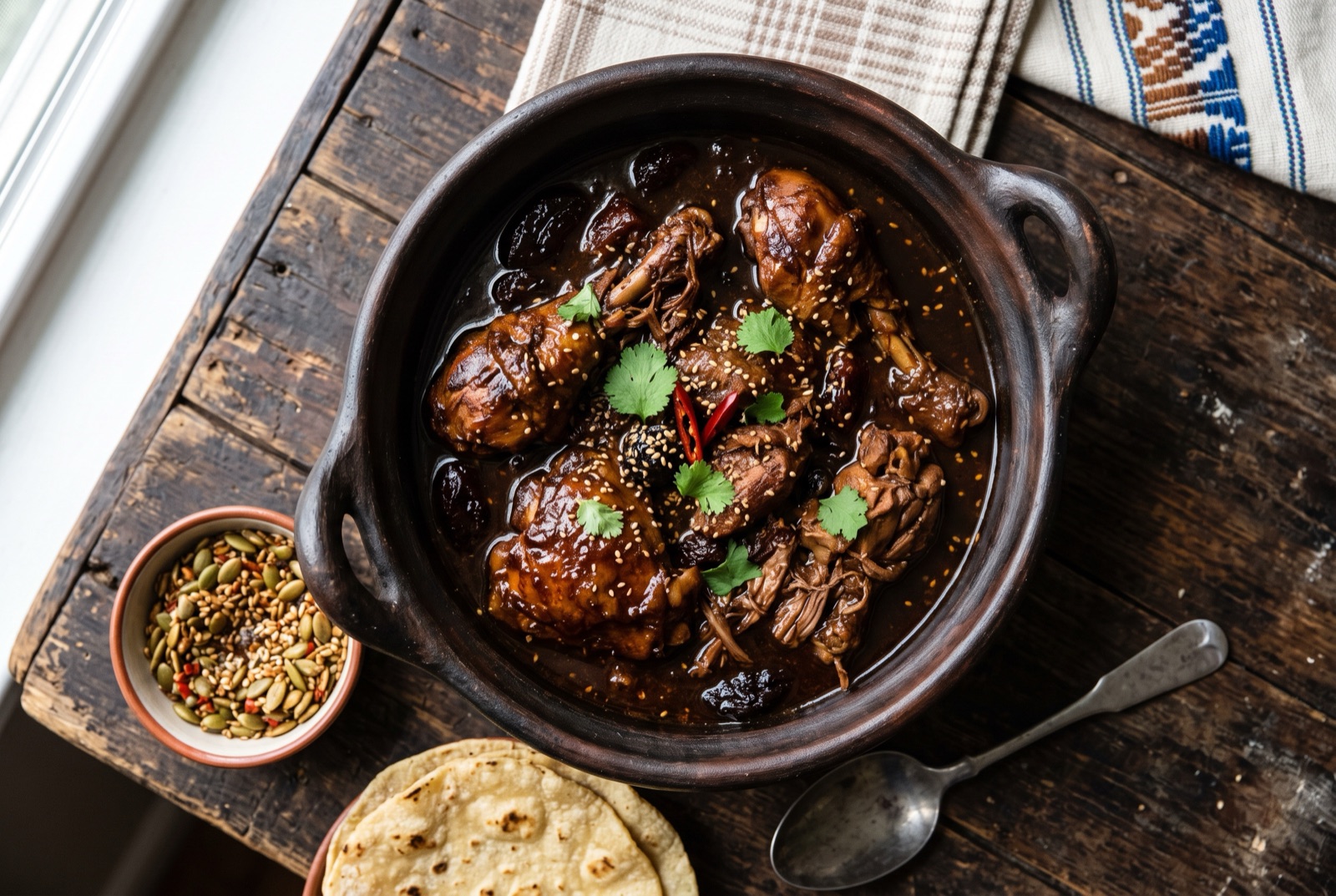
Gallo en Chicha
Rooster Stewed in Fermented Corn Wine
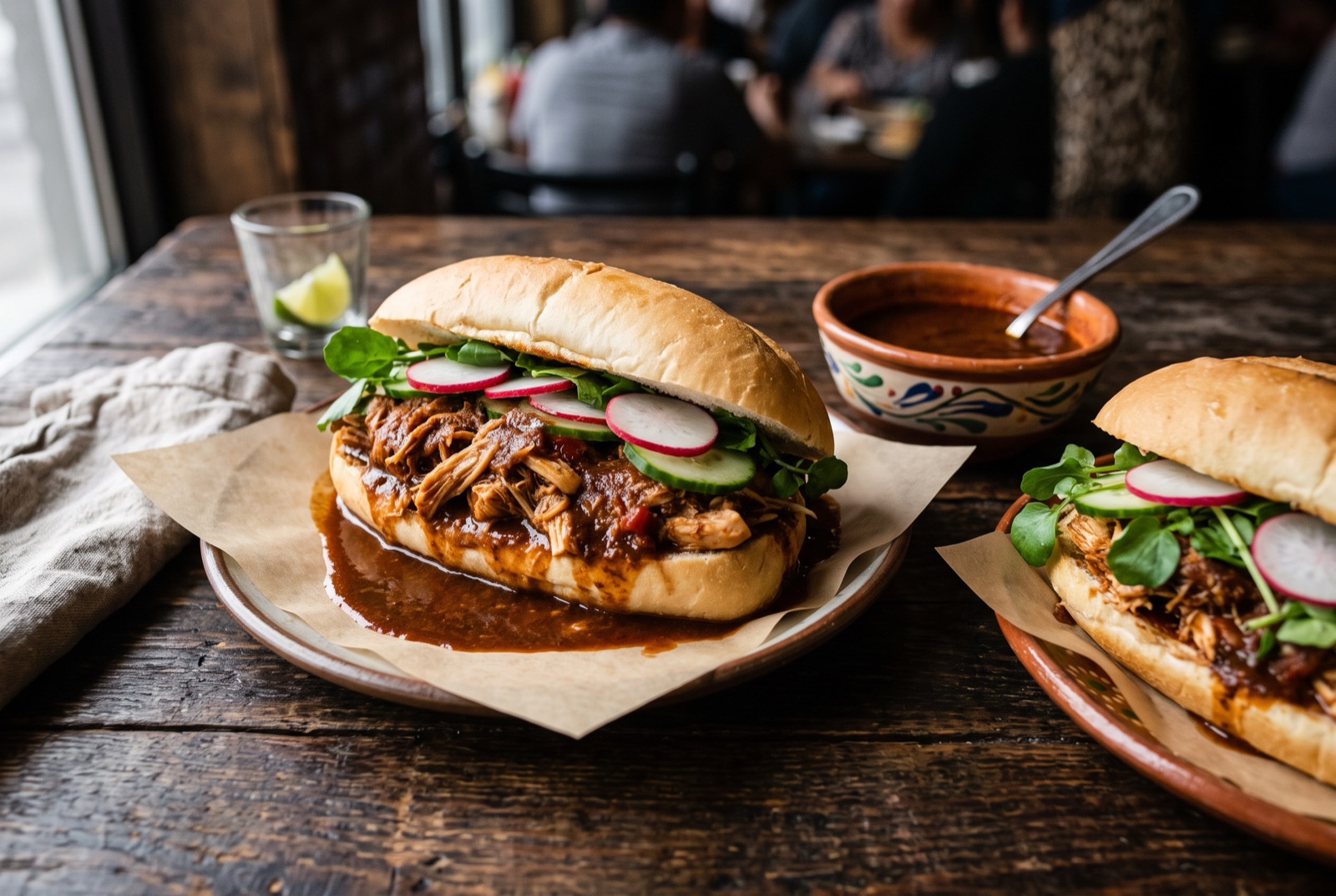
El Salvador1 hr 25 min
Panes con Pollo
Salvadoran Braised Chicken Sandwiches
Keep exploring El Salvador.
El Salvador has 9 more dishes in the atlas — Casamiento and Curtido, and 7 more.
All El Salvador recipes Sesame seeds recipes Cocoa recipes Rice recipes drinkvegetarianvegangluten freedairy freeRecipe by The DishRoute Kitchen · published August 20, 2026 · updated August 20, 2026