Lamingtons.
Chocolate and Coconut Sponge Squares
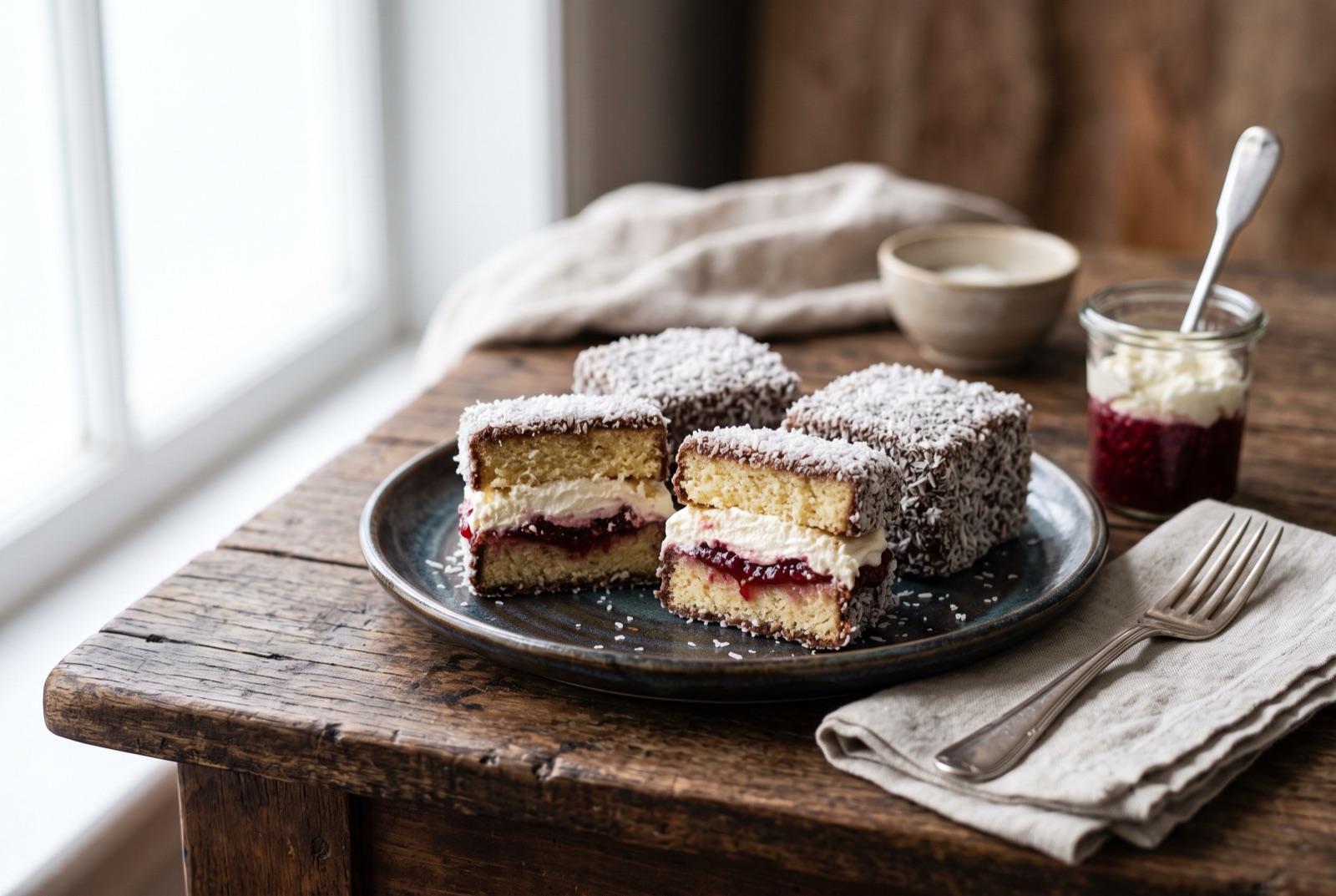
A lamington is a cube of plain sponge cake, dunked in a runny chocolate icing thin enough to soak just past the surface, then rolled in desiccated coconut and left to set. Bite through and you get three distinct textures in order: dry sandy coconut, a thin damp chocolate layer, then light dry sponge. It is not a rich cake and is not meant to be — the icing does the sweetening and the coconut does the work of keeping your fingers clean. Australians make them by the tray for school fundraisers, and the version split and filled with raspberry jam and cream is the one people actually queue for.

- Gate
- Australia
- Prep
- 45 min
- Cook
- 35 min
- Total time
- 13 hr 20 min incl. 12 hr rest
- Serves
- 16
- Status
- Medium
- Nutrition / serving · estimated
- Calories 410 kcal
- Protein 5 g
- Carbs 58 g
- Fat 18 g
- Fiber 3 g
- Sugar 44 g
Why this recipe works.
- Insists on day-old, chilled sponge — the single reason home lamingtons fall apart in the icing bowl.
- The icing is set at a genuinely thin, pourable consistency and kept warm over water so the last dozen coat as well as the first.
- Bakes a firm butter sponge rather than a fatless one, which holds up to dipping without turning to mush.
- Covers both the plain and the jam-and-cream filled version, with the timing that keeps the filled ones from going soggy.
Ingredients.
13 itemsFor the sponge
For the chocolate icing
To coat
To fill (optional)
Equipment
- 20 x 30 cm slab tin
- Electric mixer
- Two forks or a dipping fork
- Wire rack set over a tray
- Wide shallow dish for the coconut
Instructions.
Bake the sponge a day ahead
Heat the oven to 180°C and line a 20 x 30 cm slab tin. Beat the butter and caster sugar for 5 minutes until visibly pale and fluffy, then add the eggs one at a time, beating well after each, and the vanilla. Fold in the flour and milk alternately in three additions until just smooth.
Bake and cool completely
Spread the batter level and bake for 30–35 minutes, until the top springs back when pressed and a skewer comes out with a few dry crumbs. Cool in the tin for 10 minutes, turn out onto a rack, then leave uncovered overnight — the cake must be a day old before it meets icing.
Trim, cut and chill
Slice the browned top and the four sides off the cake so all faces are open crumb, then cut it into 16 squares of about 5 cm. Spread the squares on a tray and freeze for 20 minutes until firm and cold to the touch.
Tip Cold cake is the whole trick. Warm or fresh sponge disintegrates the moment it goes in the bowl.
Mix the icing and keep it warm
Whisk the icing sugar, cocoa, melted butter and hot milk in a heatproof bowl until completely smooth, then set the bowl over a pan of barely simmering water. It should run off a spoon in a steady stream like pouring cream — add hot milk a teaspoon at a time until it does.
Dip fast, roll immediately
Working with one square at a time on two forks, lower it into the icing and turn it for 2–3 seconds a side until coated, lift and let the excess drip off, then drop it straight into the dish of coconut and roll until covered on all sides.
Tip If the icing starts to thicken or the coconut stops sticking, reheat the bowl and loosen with a splash of hot milk.
Set on a rack
Transfer each finished lamington to a wire rack set over a tray and leave uncovered for at least 2 hours, until the icing has dried to a firm, matte shell that no longer marks when touched.
Fill, if you are filling them
On the day of serving, split each lamington horizontally with a serrated knife, spread the bottom half with raspberry jam, pipe or spoon on whipped cream and replace the top. Serve within a few hours — cream softens the sponge quickly.
Tips from our kitchen.
- Bake the cake a day ahead, then chill it for an hour or freeze it for twenty minutes before cutting. Cold firm cake dips cleanly; fresh warm cake shreds.
- Trim the browned top and sides off the cake before cutting into squares so the icing soaks in evenly on all six faces.
- Keep the icing bowl over a pan of barely simmering water. As it cools it thickens, and thick icing tears the sponge instead of coating it.
- Dip fast — two or three seconds a side with two forks. Any longer and the cake drinks icing until it collapses.
- Have the coconut in a separate wide dish and roll each square immediately, before the icing skins over.
- Set the finished lamingtons on a wire rack over a tray and leave them uncovered for at least two hours so the icing dries to a firm shell.
Substitutions.
- Desiccated coconut → Fine shredded coconut
- Desiccated is finer and clings better. Shredded coconut works but gives a shaggier finish and falls off more readily.
- Homemade sponge → A bought plain butter cake or madeira loaf, left out overnight
- Widely done and perfectly respectable. Avoid anything filled, iced or very soft — it will not survive the dipping.
- Cocoa icing → Melted dark chocolate thinned with hot milk
- Richer and glossier, but it sets harder and faster, so work in smaller batches and keep it over warm water.
Variations.
- Jam and cream lamingtons
- Each square split horizontally and filled with raspberry jam and whipped cream after the coconut has set. Fill on the day of serving only.
- Pink lamingtons
- Strawberry or raspberry icing instead of chocolate — common at country shows and children's parties, and identical in method.
- Lemon lamingtons
- A lemon juice and icing sugar coating with the coconut, giving a sharp version that suits the plain sponge unexpectedly well.
Storage & reheating.
Plain lamingtons keep 4 days in an airtight container at room temperature, and the coconut protects the sponge from drying out. They freeze well unfilled for 2 months — freeze on a tray first, then layer with baking paper. Filled lamingtons are a different matter: cream makes them a same-day proposition, refrigerated and eaten within about six hours before the sponge starts to go damp from the inside.
Serve with
Strong tea, and whipped cream on the side if you have not filled them.
The story behind Lamingtons.
Lamingtons are firmly associated with Queensland and with Lord Lamington, governor of the colony from 1896 to 1901, whose household is usually credited with the cake — most commonly through a story about a cook improvising a way to use up stale sponge. The details of that origin story vary depending on who tells it and are not well documented, so it is best treated as tradition rather than established fact. What is documented is that recipes for lamingtons appear in Queensland publications from the very early 1900s and spread rapidly from there.
What matters more is the role the cake plays. The lamington drive — a fundraiser where families order lamingtons by the dozen from a school, church or sporting club — is a genuine Australian institution, and for decades it has been one of the standard ways community groups raise money. That commercial-scale production is also why the classic recipe is built around day-old cake: you cannot dip fresh sponge without it disintegrating, and using yesterday's cake is not a compromise but a requirement.
The technical demands are modest but unforgiving. The sponge must be at least a day old and preferably chilled or briefly frozen, because firm cold cake survives a dunk. The icing must be thin — closer to pouring cream than to buttercream — so it coats rather than clings, and it must be kept warm and fluid or it thickens and drags the cake apart halfway through the tray. And the coconut must go on immediately, while the icing is still wet, since icing that has started to set will not hold it. Work with two forks, a rack and a tray, accept that your hands will end up brown, and do not attempt this with a cake that came out of the oven this morning.
Questions, answered.
Why does my cake fall apart when I dip it?
The cake is too fresh, too warm or too soft. Sponge needs to be at least a day old and thoroughly chilled — twenty minutes in the freezer before cutting makes an enormous difference. Also check the icing: if it has thickened as it cooled it will grab and tear the surface. Keep it warm and thin, and dip for no more than three seconds a side.
How thin should the chocolate icing be?
About the consistency of pouring cream — it should run off a spoon in a continuous stream, not drop in blobs. Too thick and it sits in a heavy layer that drags the cake apart and the coconut clumps; too thin and it soaks straight through and the lamington goes soggy. Set the consistency with hot milk or water, a teaspoon at a time.
Can I make lamingtons ahead of time?
Yes, if they are unfilled. Plain lamingtons keep four days in an airtight container and freeze for two months, which is exactly how fundraising lamington drives operate. If you want the jam and cream version, freeze or store them plain and split and fill them on the day, since cream turns the sponge damp within hours.
What kind of cake should I use?
A firm butter sponge or plain butter cake, baked in a slab and left overnight. A fatless genoise is too fragile and disintegrates in the icing, while anything very rich — mud cake, pound cake — is heavy and dulls the point of the coconut and chocolate. If buying, a plain madeira or vanilla slab cake is the safest choice.
Are lamingtons Australian or from somewhere else?
They are strongly associated with Queensland and named after Lord Lamington, its governor from 1896 to 1901, with early recipes appearing in Queensland publications in the first years of the twentieth century. The usual origin anecdote about a cook using up stale sponge is repeated everywhere but poorly documented, so it is better treated as folklore than as fact. New Zealand also makes lamingtons, often with a pink raspberry coating.
You might also like.
All recipes →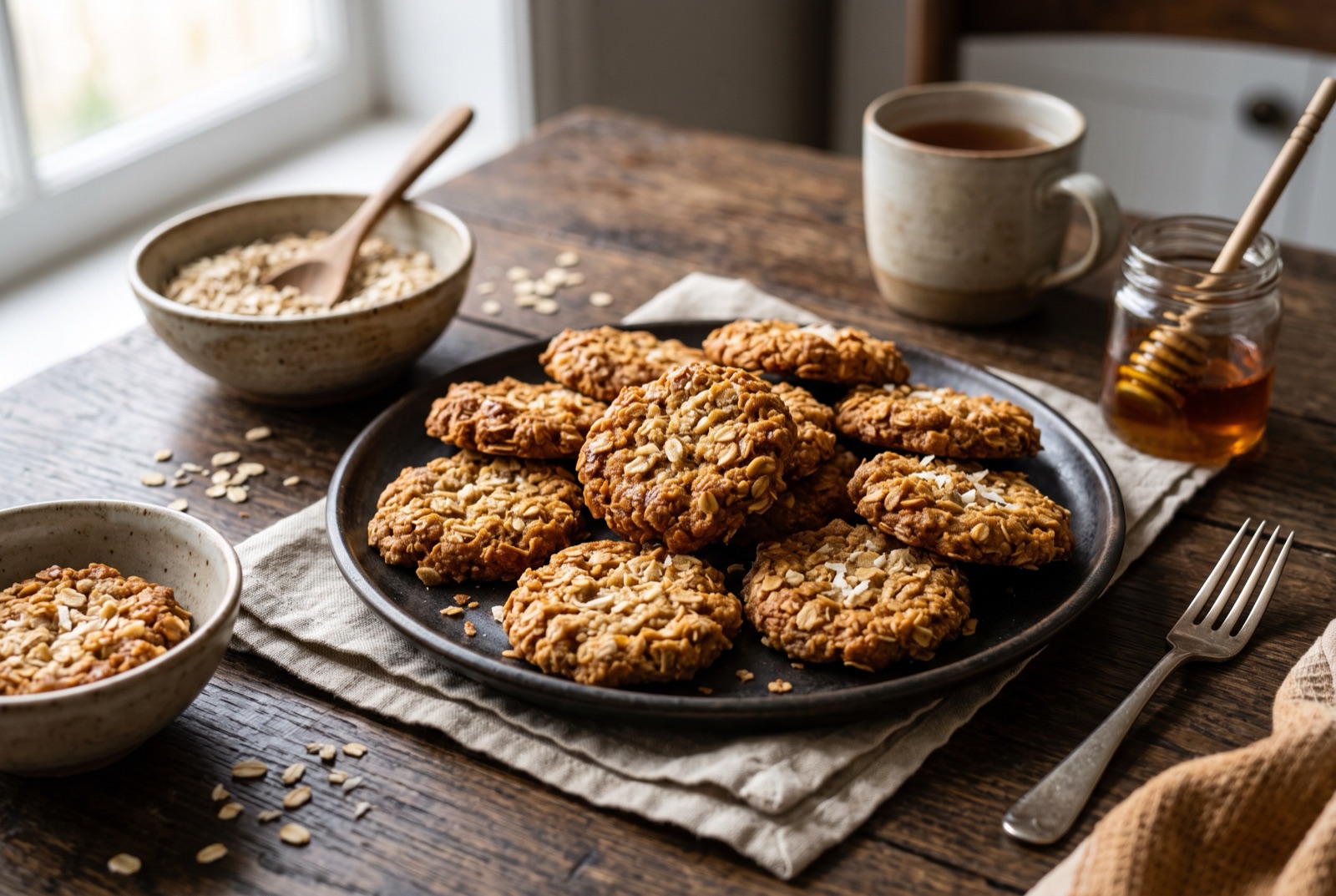
Keep exploring Australia.
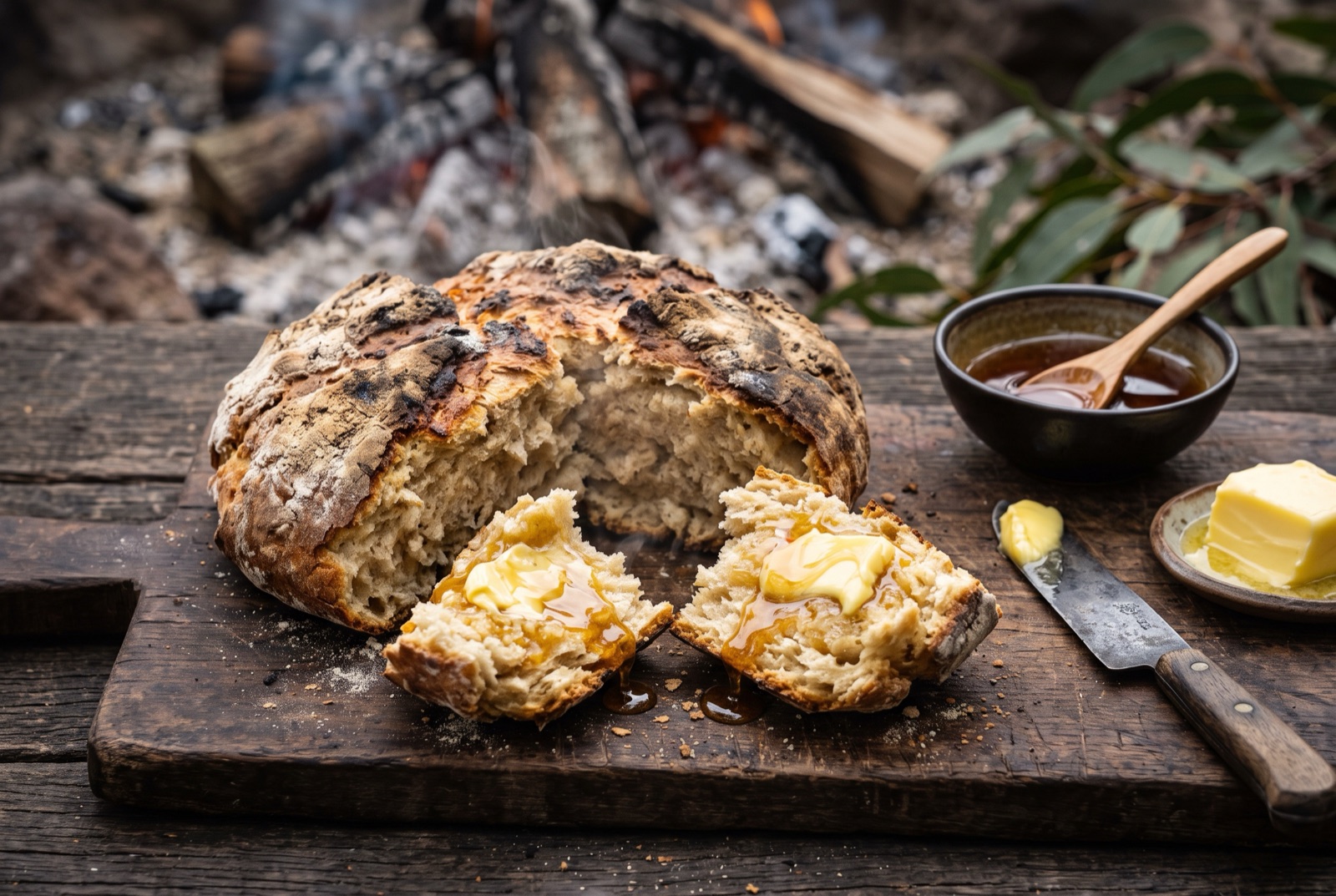
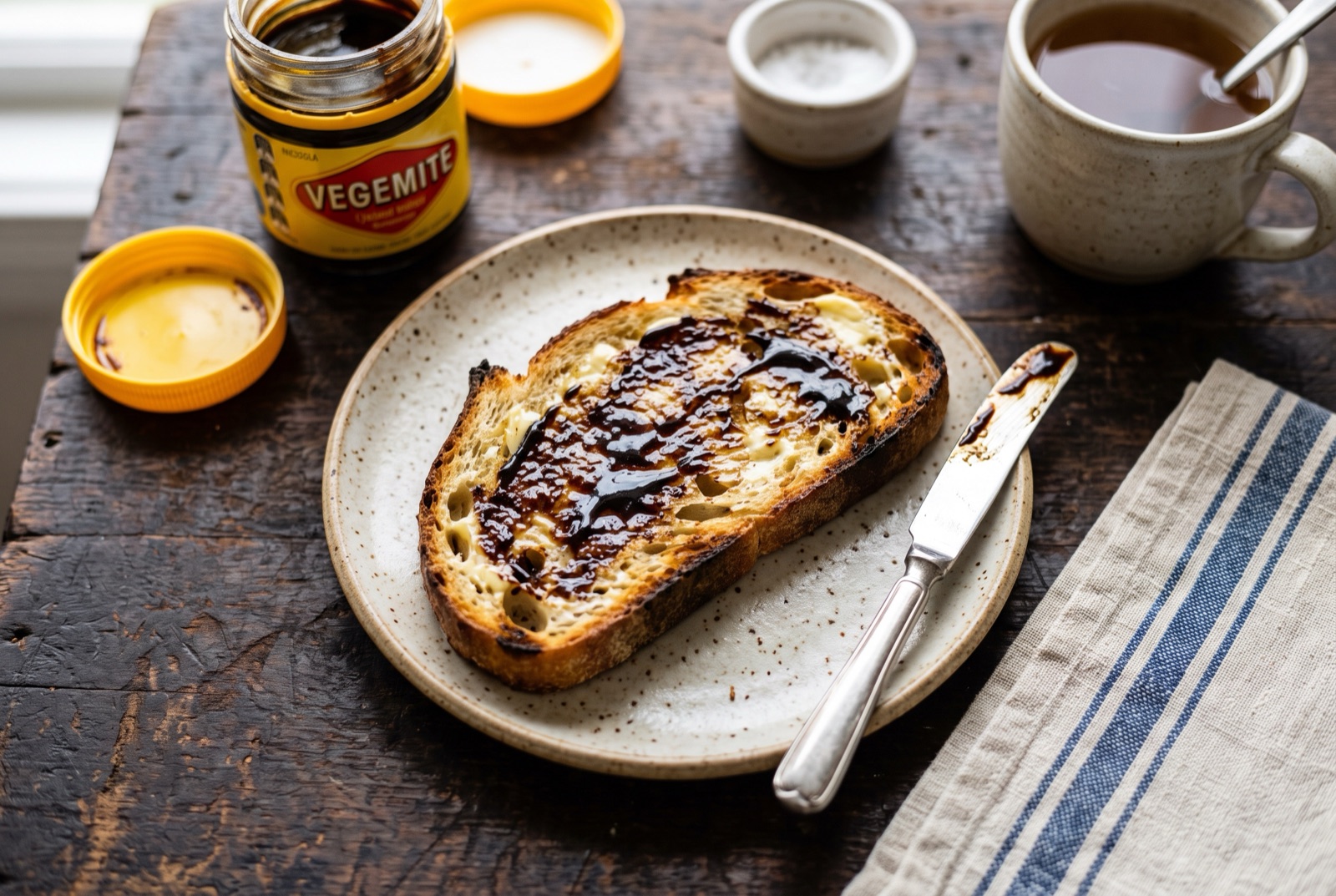
Australia has 9 more dishes in the atlas — ANZAC Biscuits and Aussie Meat Pie, and 7 more.
Recipe by The DishRoute Kitchen · published August 20, 2026 · updated August 20, 2026