Changua.
Bogotá Milk and Egg Breakfast Soup
Changua · say it: CHAHN-gwah
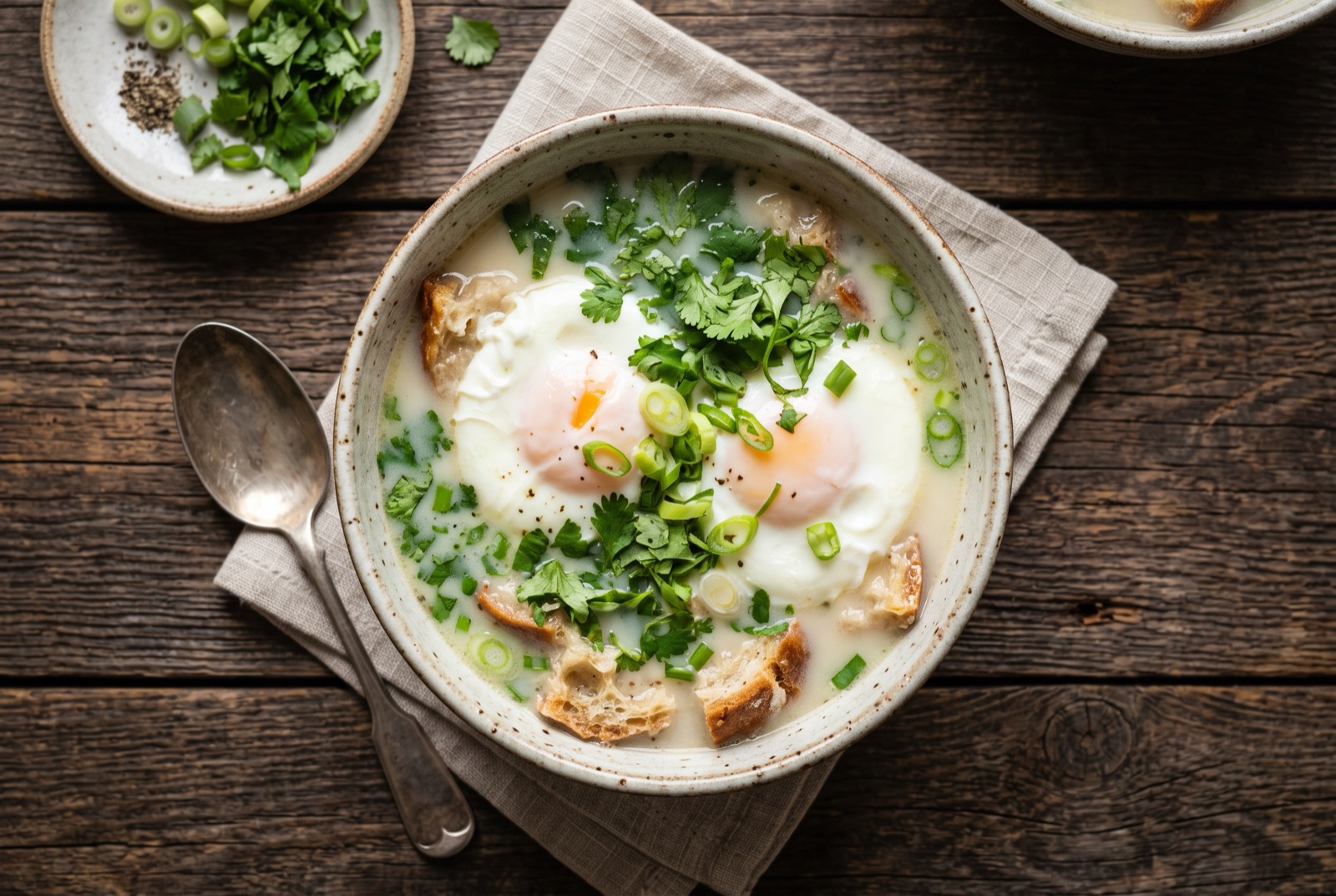
Changua is a hot breakfast soup of milk, water and scallion with a whole egg poached directly in the pot, ladled over stale bread that softens as it sits. It tastes gentle and savoury — sweet cooked milk, the green onion edge of cebolla larga, and a bright hit of cilantro added off the heat — and it is one of very few egg breakfasts in the world where the egg is neither fried nor scrambled but suspended in liquid. On a cold Bogotá morning at 2,600 metres it is eaten for exactly the reason it looks like it should be: it is hot, it is fast, and it costs almost nothing.

- Gate
- ColombiaBogotá and the Boyacá highlands
- Prep
- 10 min
- Cook
- 12 min
- Total time
- 22 min
- Serves
- 4
- Status
- Easy
- Nutrition / serving · estimated
- Calories 285 kcal
- Protein 16 g
- Carbs 26 g
- Fat 13 g
- Fiber 1 g
- Sugar 9 g
- Sodium 720 mg
Why this recipe works.
- Milk cut with water in the traditional proportion, so the soup stays a broth instead of turning into a heavy custard.
- The eggs are poached in the pot the proper way, with a doneness cue you can actually see through the surface.
- Explains what calados are and how to make them from ordinary bread the night before.
- Cilantro and scallion greens go in off the heat, which is where their flavour survives.
Ingredients.
9 itemsFor the soup
For the bowls
Equipment
- Wide shallow saucepan or sauté pan
- Slotted spoon
- Small cup for cracking eggs
Instructions.
Dry the bread
If your bread is soft, spread the slices on a tray and bake at 140 °C for 15 minutes, turning once, until they are dry through and snap cleanly instead of bending. Leave them out to cool — they can be done a week ahead.
Tip Overnight on a rack in a dry kitchen does the same job with no oven at all.
Start the liquid
Put the milk, water, sliced scallion whites and salt into a wide shallow pan. Bring it up over medium heat until the surface trembles and a ring of small bubbles forms at the edge, about 5 minutes. Do not let it reach a rolling boil.
Taste before the eggs
Taste the liquid now and correct the salt while you still can stir freely. It should taste like a light savoury broth, clearly seasoned — under-salted hot milk reads as sweet and flat, and you cannot fix that once the eggs are floating in it.
Poach the eggs
Crack each egg into a cup and slide it in close to the surface, spacing them well apart. Simmer gently without stirring for 3 to 4 minutes, until the whites are opaque all the way to the yolk and the yolk still wobbles when you nudge the pan.
Tip Cover the pan for the final 2 minutes if you prefer a set yolk with a filmed-over top.
Build the bowls
Break a slice of dry bread into large pieces in the base of each warm bowl and scatter over the cilantro, the reserved scallion greens and the cheese if using. Lift an egg on top of each with a slotted spoon.
Pour and serve immediately
Ladle the hot milk broth over each bowl until the bread is submerged, grind over black pepper and take them straight to the table. The bread should be soft but still in recognisable pieces when the first spoon goes in.
Tips from our kitchen.
- Dry the bread out yourself: slice it thick, leave it uncovered overnight or bake it at 140 °C for 15 minutes until it snaps rather than bends.
- Keep the pot at a lazy simmer once the eggs are in. A rolling boil tears the whites into rags and scorches milk onto the base of the pan.
- Salt the liquid before the eggs go in, not after — once the egg is set, seasoning sits on the surface instead of running through the broth.
- Whole milk only. Skimmed milk tastes thin and watery here because there is nothing else in the pot to carry flavour.
- Assemble the bowls with bread and cilantro first and pour the hot soup over the top, so the bread softens for the thirty seconds it takes to reach the table.
- If you want a firm yolk, cover the pot for the last two minutes; the trapped steam sets the top without overcooking the white.
Substitutions.
- Cebolla larga (long Colombian scallion) → Regular scallions, using twice as many, greens included
- Cebolla larga is thicker and sweeter than a supermarket spring onion. Doubling the count gets you close; the white parts go in the pot, the green on top.
- Calados (dried bread) → Any sturdy white bread dried in a low oven, or plain crackers
- Sourdough and rye are too assertive and fight the milk. You want something bland whose only job is to soak.
- Whole milk → Half milk, half single cream for a richer version
- Some Boyacá households enrich it this way. Avoid plant milks — they split when they hit a simmer with acid from the scallion.
Variations.
- Changua con papa
- A boiled waxy potato, sliced, added to each bowl before the soup is poured — the Boyacá version, and closer to a full meal than a breakfast.
- Changua con queso
- Crumbled fresh white cheese stirred into the hot bowl so it softens but does not melt. Common wherever the household makes its own cheese.
- Changua sin huevo
- The soup without the egg, for people who like everything about it except the part that floats. Perfectly normal in Bogotá households with divided opinions.
Storage & reheating.
Changua does not keep and is not meant to. The egg firms into rubber on reheating and the bread turns to sludge within the hour. What you can prepare ahead is the dry bread, which lasts a fortnight in a paper bag, and the sliced scallion, which holds two days in the fridge. From those, the soup itself is a ten-minute job from a cold pan, which is the whole reason it survives as breakfast food.
Serve with
Hot chocolate on the same table, or an almojábana torn open beside the bowl — a Bogotá breakfast rarely has just one hot thing on it.
The story behind Changua.
Changua belongs to the Andean highlands around Bogotá and Boyacá, and its name comes from the Chibcha language of the Muisca people who farmed the savanna before the Spanish arrived. The soup as it is eaten now, though, is a colonial hybrid: the Muisca had no cattle and therefore no milk, and no wheat and therefore no bread. What survived from the older kitchen is the shape of the thing — a hot thin broth to start the day in a cold place — and what the Spanish added is what fills it.
The bread matters more than it looks like it should. Bogotá bakeries sell calados, slices of bread dried out hard specifically so they can be drowned in something hot, and changua is one of their main destinations. Using them is not thrift dressed up as tradition; dry bread absorbs the milk without instantly collapsing into paste, which is precisely what fresh bread does. Households that skip the bread eat the soup with an almojábana or a slice of cheese instead, and on the Boyacá side it is common to find crumbled fresh cheese or a spoonful of cooked potato in the bowl.
Colombians are divided about it, and openly so. It is a dish people either grew up on and defend with real warmth, or find genuinely difficult — hot milk with a whole egg floating in it is not a neutral proposition, and plenty of Bogotanos will tell you they have never touched it. It carries a reputation as a hangover cure and as grandmother food, both of which are polite ways of saying it is old-fashioned. That is fair. It is a peasant breakfast from a cold plateau, made from whatever was in the house, and it has never pretended otherwise.
Questions, answered.
Why does the milk curdle or split?
Almost always heat. Milk boiled hard will separate, and it splits faster once salt and the mild acidity of the scallion are in the pot. Bring the liquid up over medium heat until it barely trembles at the edges, then hold it there. Diluting the milk with water, as this recipe does, also makes splitting far less likely than using milk alone.
Can I use fresh bread instead of dried?
You can, but add it to the bowl at the very last second and eat quickly. Fresh bread has no structure left once hot liquid hits it and turns to paste within a minute. Dried bread, called calado in Colombia, holds its shape long enough to be eaten with a spoon, which is the reason the tradition exists.
How do I keep the egg whites from spreading into threads?
Crack each egg into a small cup first and lower it close to the surface rather than dropping it in from height. Keep the liquid at a bare simmer with no rolling bubbles, and do not stir once the eggs are in. Very fresh eggs hold together noticeably better than older ones because the white is still tight.
Is changua supposed to be sweet?
No, it is a savoury soup. The sweetness people notice comes from the milk itself and from cooked scallion, not from added sugar. If it tastes flat, the fix is more salt rather than anything else — under-salted hot milk tastes cloying, and the difference between bland and correct is often half a teaspoon.
Can I make changua for a crowd?
Yes, but poach the eggs in batches rather than crowding the pan, since eggs dropped in all at once stick to each other and drop the temperature of the liquid. Use a wide, shallow pan instead of a deep pot, cook four eggs at a time, and lift them into the waiting bowls with a slotted spoon before pouring the soup over.
You might also like.
All recipes →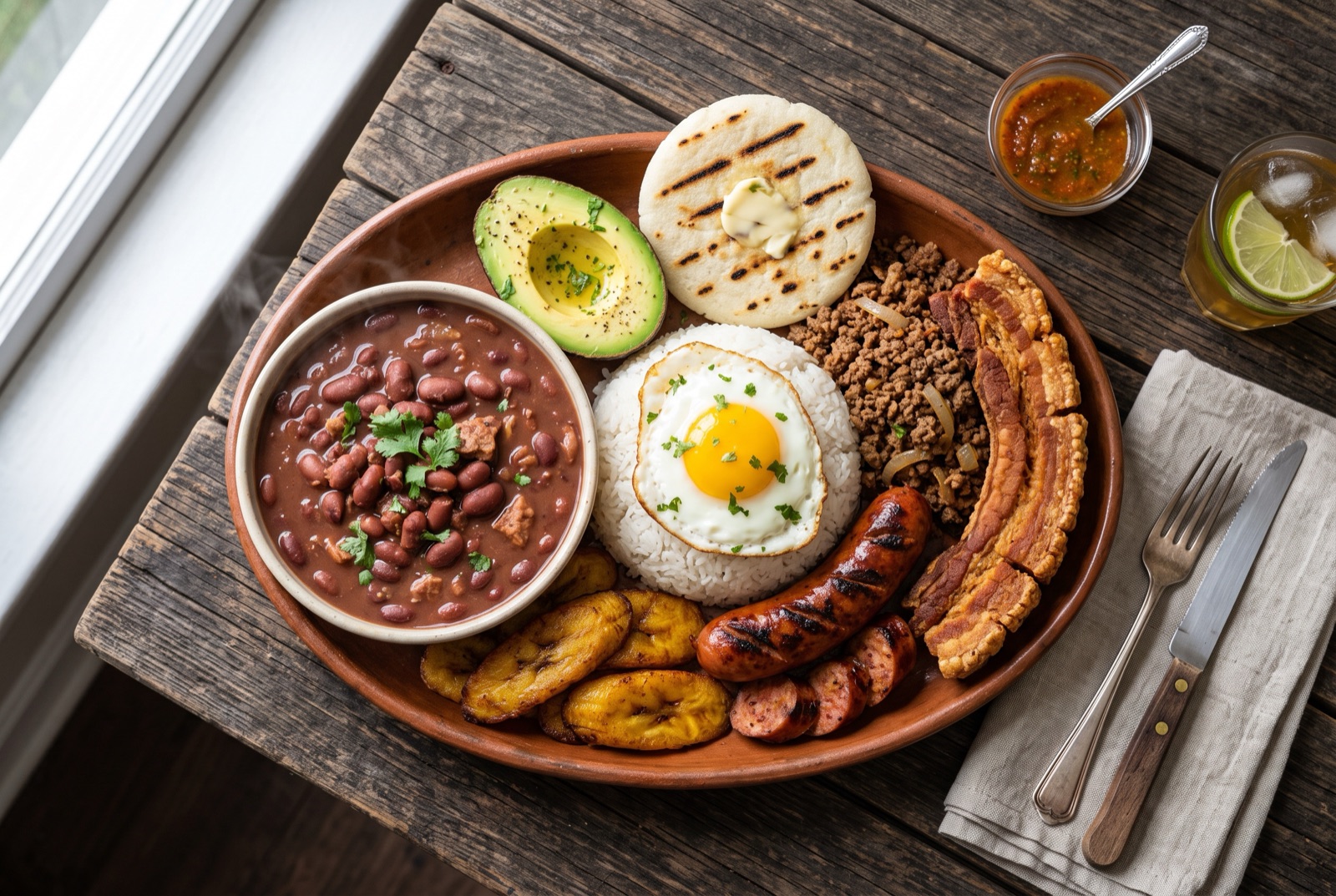
Colombia11 hr 10 min
Bandeja Paisa
Antioquian Mixed Platter
Colombia16 hr 55 min
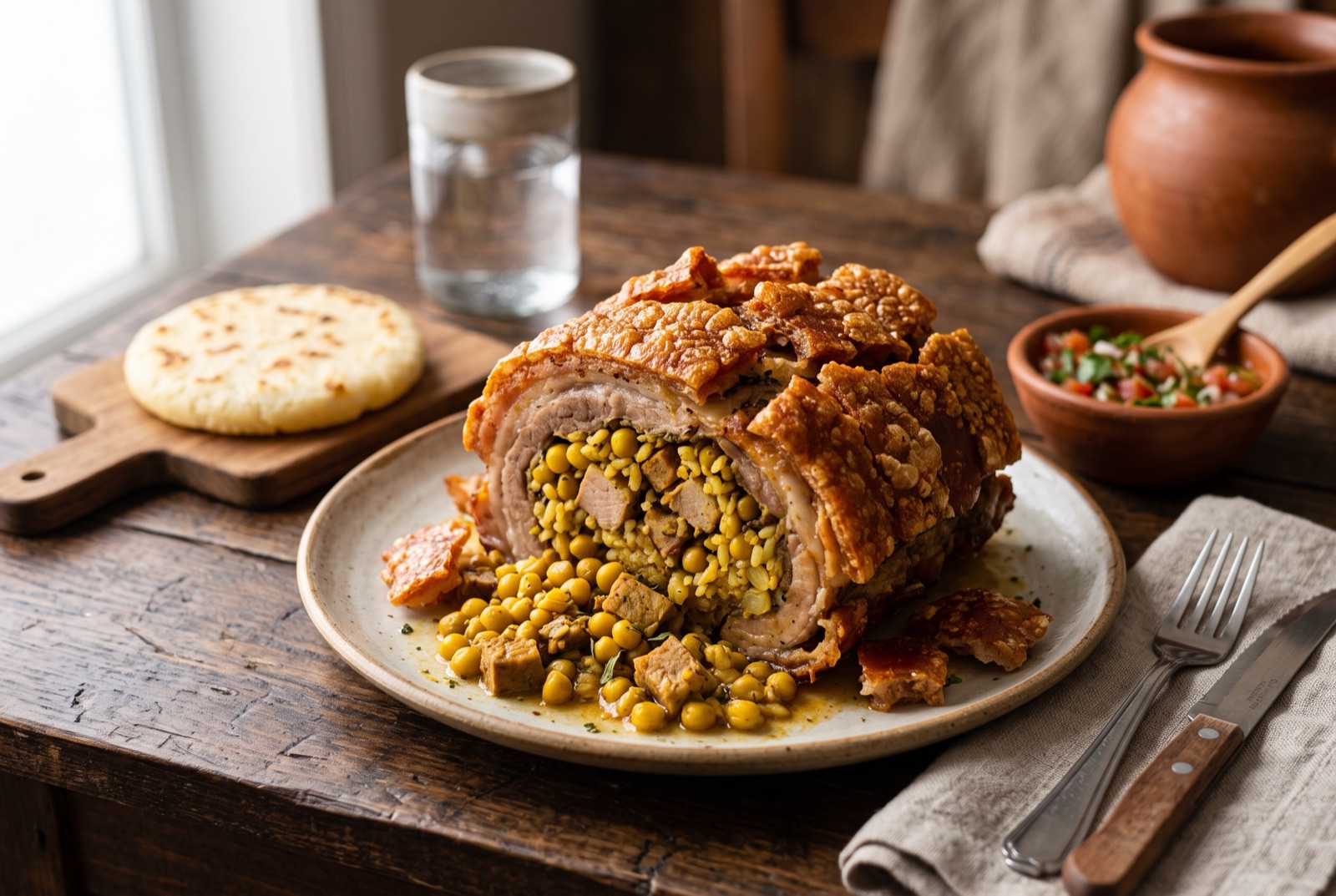
Lechona Tolimense
Stuffed Roast Pork with Yellow Peas
Colombia3 hr 40 min
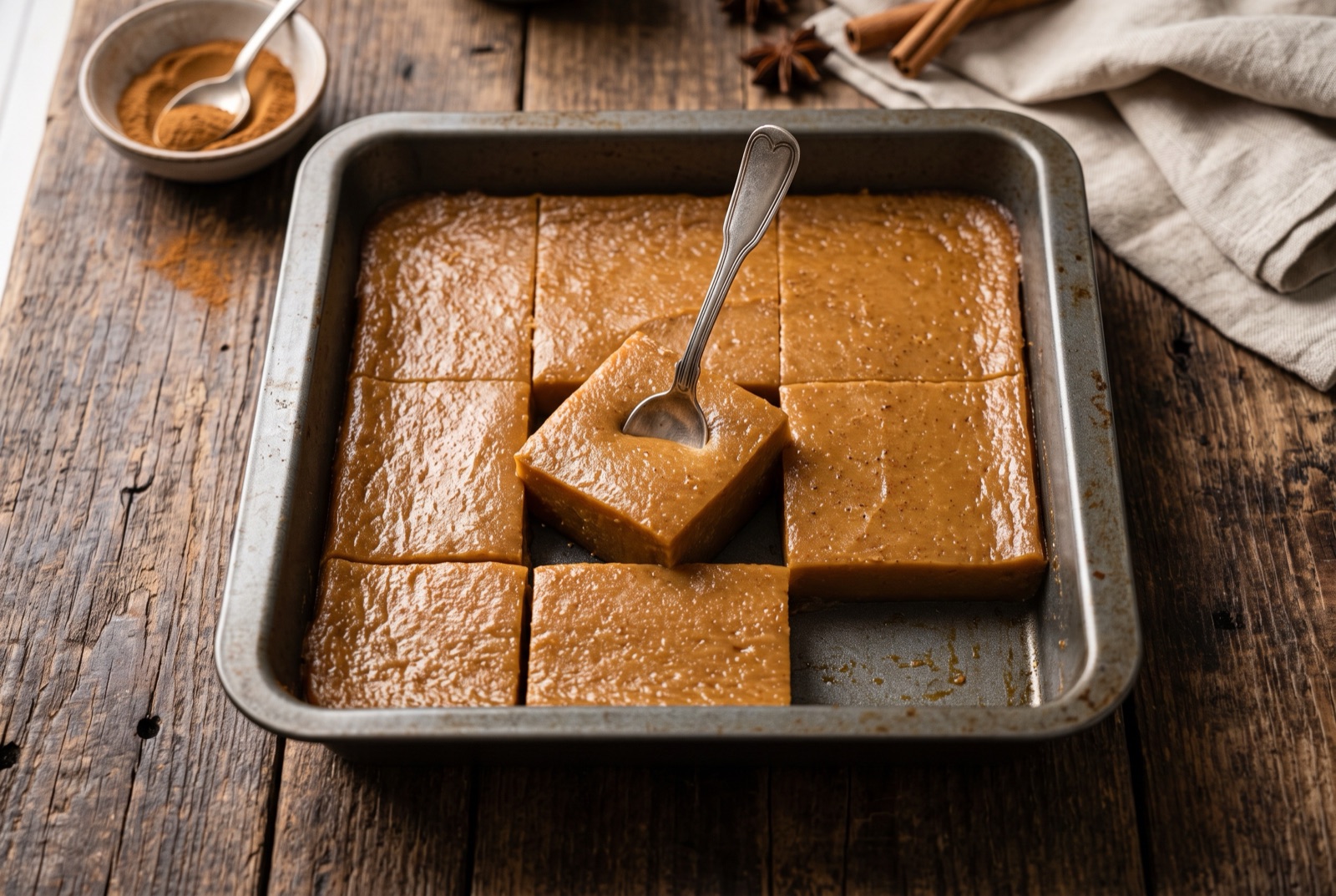
Natilla Colombiana
Christmas Panela and Cinnamon Pudding
Colombia1 hr 35 min
Ajiaco Santafereño
Bogotá Chicken and Three-Potato Soup
Keep exploring Colombia.
Colombia has 9 more dishes in the atlas — Ajiaco Santafereño and Arepa de Maíz, and 7 more.
Recipe by The DishRoute Kitchen · published August 20, 2026 · updated August 20, 2026