Chraime.
Holiday Fish in Sweet-Hot Pepper Sauce
חריימה · Chraime · say it: khry-EE-meh
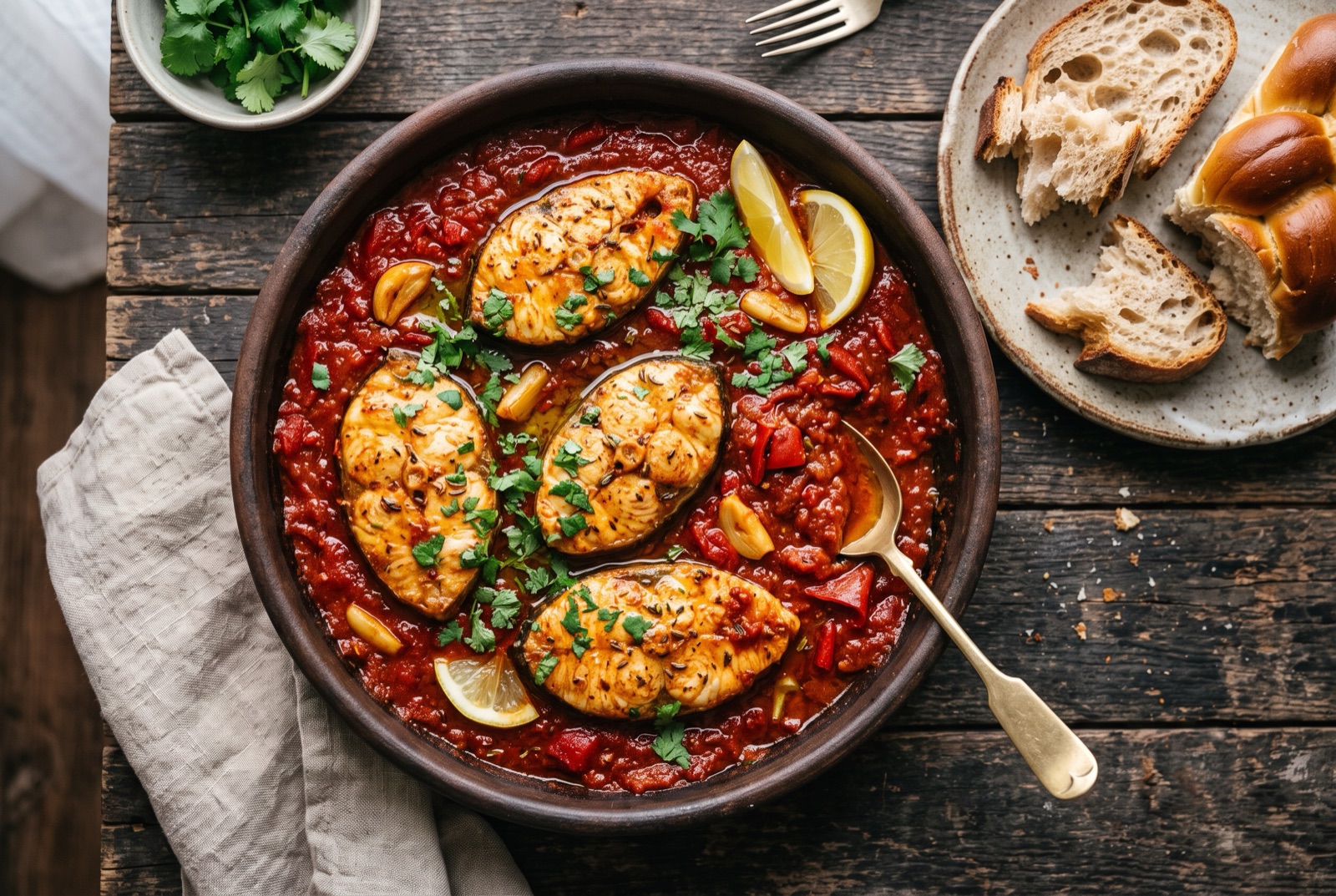
Chraime is fish laid into a red sauce and left alone until it is done. The sauce goes together first — a great deal of garlic softened in olive oil, sweet paprika and caraway bloomed until the pan smells nutty, roasted red pepper and tomato cooked down to a thick, glossy base sharpened with chilli and rounded with a spoon of sugar. Then the fish steaks go in flat, get spooned over rather than turned, and poach for ten minutes. The taste is sweet, sour and hot at once, with the caraway giving it a slightly bitter, aniseed edge that separates it from every other tomato fish stew. It is served warm on Friday night or cool from the fridge on a holiday afternoon, and it is always eaten with bread rather than a fork.

- Gate
- IsraelNorth African communities, Negev and the coast
- Prep
- 20 min
- Cook
- 35 min
- Total time
- 55 min
- Serves
- 4
- Status
- Medium
- Nutrition / serving · estimated
- Calories 420 kcal
- Protein 41 g
- Carbs 16 g
- Fat 22 g
- Fiber 4 g
- Sugar 9 g
- Sodium 890 mg
Why this recipe works.
- Builds the sauce completely before the fish arrives, so the poaching time is set by the fish rather than by the sauce.
- Roasted red pepper gives the sweet, thick body that distinguishes the Israeli holiday version from its sharper Libyan parent.
- Caraway alongside cumin — the coastal North African signature that most tomato fish recipes leave out.
- Works served hot, warm or cold, which is how it is actually eaten on a holiday table.
Ingredients.
17 itemsFor the fish
For the sauce
To finish
Equipment
- Wide shallow pan or sauté pan with a lid
- Box grater
- Fish slice or wide spatula
Instructions.
Salt the fish
Pat 800 g of fish steaks dry, salt them on both sides and leave them on a plate at room temperature while you make the sauce. The surface will bead and then firm slightly, which helps the flesh hold together in the pan.
Soften the garlic
Warm the olive oil in a wide shallow pan over medium-low heat and cook the sliced garlic for 3–4 minutes, stirring, until it turns pale gold at the edges and smells sweet. Do not let it brown properly — dark garlic will make the whole sauce bitter.
Bloom the spices off the heat
Pull the pan off the burner and stir in the paprika, caraway, cumin, chilli flakes and harissa. Keep the spoon moving for 20–30 seconds in the residual heat until the oil turns deep red and the pan smells nutty and toasted rather than dusty.
Tip Off the heat, always. Paprika burns in the time it takes to reach for the tomato.
Build the sauce
Return the pan to medium heat, add the tomato paste and fry for a minute until it darkens, then add the roasted peppers, grated tomato, sugar and water. Simmer uncovered for 12–15 minutes until the sauce thickens enough to coat a spoon and a slick of red oil pools at the edges.
Balance before the fish
Taste the sauce and correct it now: it should hit sweet first, then sour, then heat. Adjust with a pinch more sugar, a squeeze of lemon or extra chilli, and season with salt and black pepper until it tastes slightly too bold on its own — the fish will mute it.
Poach the fish flat
Lower the steaks into the sauce in a single layer, spooning sauce over the tops so they are half submerged. Cover and cook at a bare tremble for 10–12 minutes, until the flesh turns opaque all the way through and pulls cleanly away from the bone when nudged. Never turn the fish.
Tip The surface should barely move. A rolling simmer breaks the steaks apart and squeezes them dry.
Rest and serve
Squeeze over the lemon juice, scatter the cilantro and let the pan stand off the heat for 10 minutes so the sauce settles into the fish. Bring the pan to the table with bread and lemon wedges, or refrigerate it overnight and serve it cool the next day.
Tips from our kitchen.
- Use bone-in steaks 3 cm thick. Thin boneless fillets overcook in half the time and break into the sauce when you serve them.
- Fry the paprika and caraway for no more than 30 seconds in the oil off the heat. Paprika scorches almost instantly and goes bitter with no way back.
- Do not turn the fish. Spoon sauce over the top instead, and it will cook evenly while staying in whole pieces.
- The sauce should be loose enough to spoon but thick enough to cling — if it looks like soup after the fish is in, lift the fish out and reduce it separately.
- Taste and balance before the fish goes in: it should read sweet first, then sour, then hot. Adjust with sugar, lemon and chilli in that order.
- Make it a day ahead if you can. The sauce firms slightly overnight and the flavours settle, which is why holiday cooks prefer it that way.
Substitutions.
- Grouper or sea bream steaks → Cod loin, hake, halibut or salmon, cut thick
- Salmon is untraditional but very common in Israeli home kitchens now and holds together beautifully. Reduce the poaching time by two minutes.
- Fresh roasted red peppers → Jarred roasted peppers, drained
- Saves half an hour with almost no loss. Rinse them if they were packed in vinegar, which would throw the sweet-sour balance off.
- Ground caraway → Half caraway seeds crushed in a mortar, or an extra half teaspoon of cumin
- Cumin alone gives a rounder, less distinctive sauce. Caraway is what makes the dish recognisable, so it is worth buying.
Variations.
- Rosh Hashanah head-on chraime
- Cook a whole fish head in the sauce alongside the steaks and set it at the head of the table. The symbolism of the head at the New Year is the reason many families make this dish at all.
- Chraime with chickpeas
- Add a drained tin of chickpeas to the sauce ten minutes before the fish. They soak up the sauce and turn the dish into a full one-pot meal.
- Tripoli-style, hotter and thinner
- Skip the peppers and the sugar, double the garlic and lean on harissa and chilli with a looser, water-based sauce — much closer to how it is made in Libya.
Storage & reheating.
Chraime keeps 3 days refrigerated in its sauce and genuinely improves on the second day, which is why it is such a common make-ahead holiday dish. Serve it cold, at room temperature, or reheated very gently in a covered pan over low heat — never at a boil, which tightens the fish into rubber. It does not freeze well: the flesh turns woolly on thawing and the sauce weeps. If you need to work further ahead, freeze the sauce alone for up to 3 months and poach fresh fish in it on the day.
Serve with
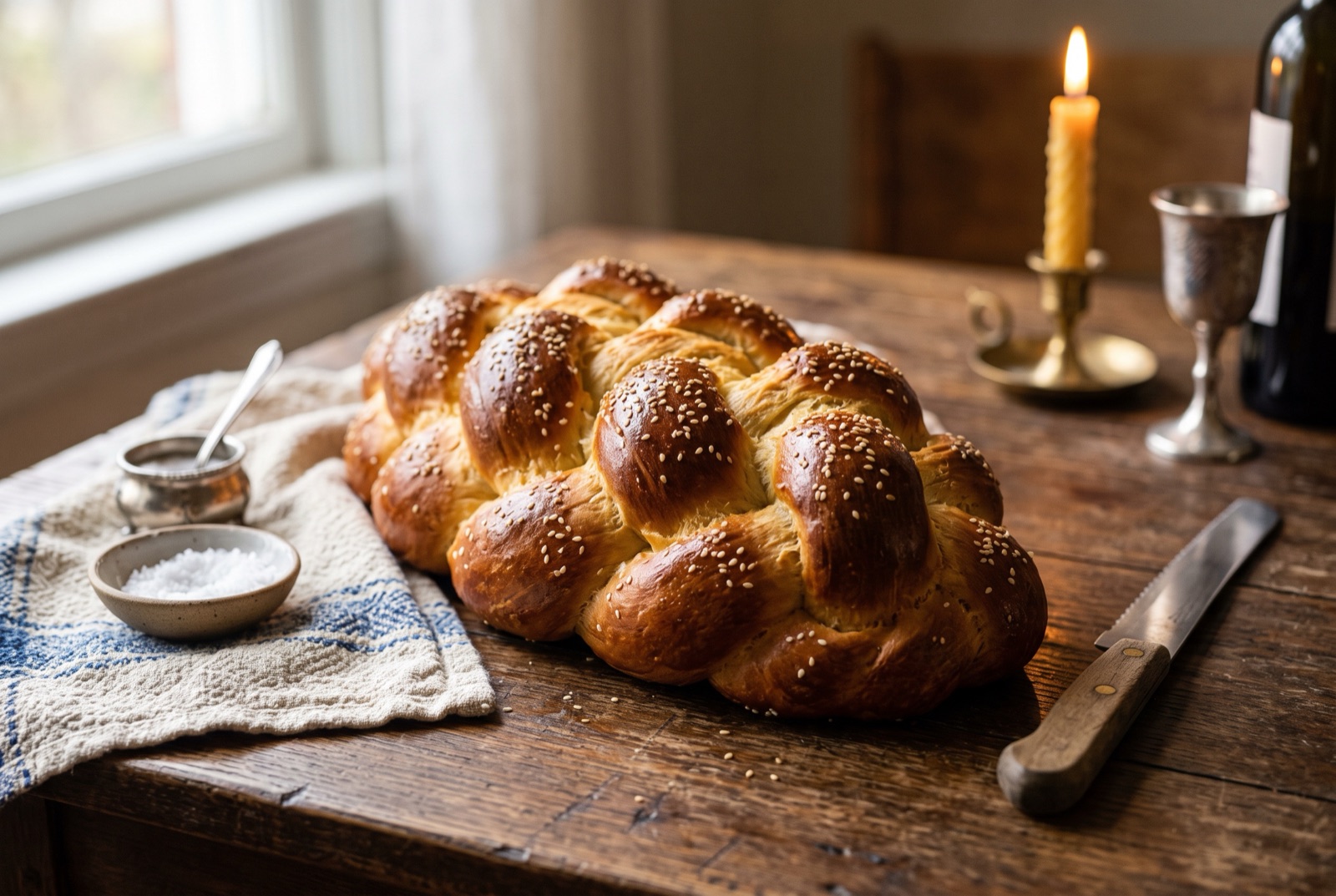
Plenty of fresh challah or crusty bread, plain couscous, and a plate of salatim — matbucha, pickles and olives.
The story behind Chraime.
This is a Libyan Jewish dish that became an Israeli holiday standard. In Tripoli and Benghazi it is called hraimi, from an Arabic root meaning hot, and it was cooked on Fridays and for festivals by Jewish and Muslim families alike along the Libyan coast. When the Libyan Jewish community left in the middle of the twentieth century, the dish travelled with them to Israel, where the spelling settled as chraime and the recipe spread far beyond the community that brought it. Today it appears on tables that have no Libyan connection at all, particularly at Rosh Hashanah, where a fish course carries traditional symbolism and a head-on fish is considered especially auspicious.
The Israeli versions have drifted from the Libyan original in a few visible ways. Roasted red pepper is far more common here, giving a sweeter, thicker and less fiery sauce than the garlic-and-chilli intensity of Tripoli cooking. Sugar or a little honey often goes in, especially for the New Year. And because holiday cooking has to be done in advance, chraime is frequently made a day ahead and served at room temperature or straight from the fridge — which suits it, since the sauce sets slightly and the flavour deepens overnight. None of this makes the Israeli version more correct than the Libyan one; they are the same dish at different points on the same road, and Tunisian and Moroccan kitchens have close relatives of their own.
The fish is whatever is firm, fresh and cut across the bone into thick steaks. Grouper is the prestige choice and drum, sea bream, sea bass and even salmon all turn up in home kitchens. Bone-in cuts are strongly preferred, because the bone keeps the flesh from tightening and gives the sauce body — and because a chraime made with neat boneless fillets tends to fall apart into the pan.
Questions, answered.
What fish should I use for chraime?
Any firm white fish cut across the bone into steaks about 3 cm thick — grouper, sea bream, sea bass, drum, cod loin or hake. Bone-in cuts are strongly preferred because the bone protects the flesh from tightening and gives the sauce body. Salmon has become common in home kitchens and works well, though it is not traditional.
Is chraime the same as Libyan hraimi?
It is the same dish under two spellings. Hraimi is the Libyan name, from an Arabic root meaning hot, and the dish was cooked along the Libyan coast by Jewish and Muslim families alike. Libyan Jews brought it to Israel in the mid-twentieth century, where chraime became a holiday standard and drifted towards a sweeter, thicker, pepper-based sauce. Tunisian and Moroccan kitchens have close relatives too.
Can I make chraime ahead of time?
Yes, and most people do. It is a Friday and holiday dish specifically because it can be cooked a day early and served cold or at room temperature without any reheating — useful when cooking is not possible on the day. The sauce sets a little in the fridge and the spices settle, so day-two chraime is arguably better than day-one.
My sauce turned bitter — what went wrong?
Almost certainly burnt paprika. Ground paprika contains sugars that scorch within seconds in hot oil, and once burnt the bitterness cannot be corrected. Pull the pan off the heat before the paprika goes in, stir it through the warm oil for no more than half a minute, and add the tomato immediately to bring the temperature down.
How spicy should it be?
That depends on whose kitchen you are in. Libyan versions can be genuinely fierce, while the Israeli holiday version most families cook is warm rather than punishing, with the sweetness of roasted pepper and a spoon of sugar balancing the chilli. Start with one chilli or a teaspoon of harissa, taste the sauce before the fish goes in, and adjust from there.
You might also like.
All recipes →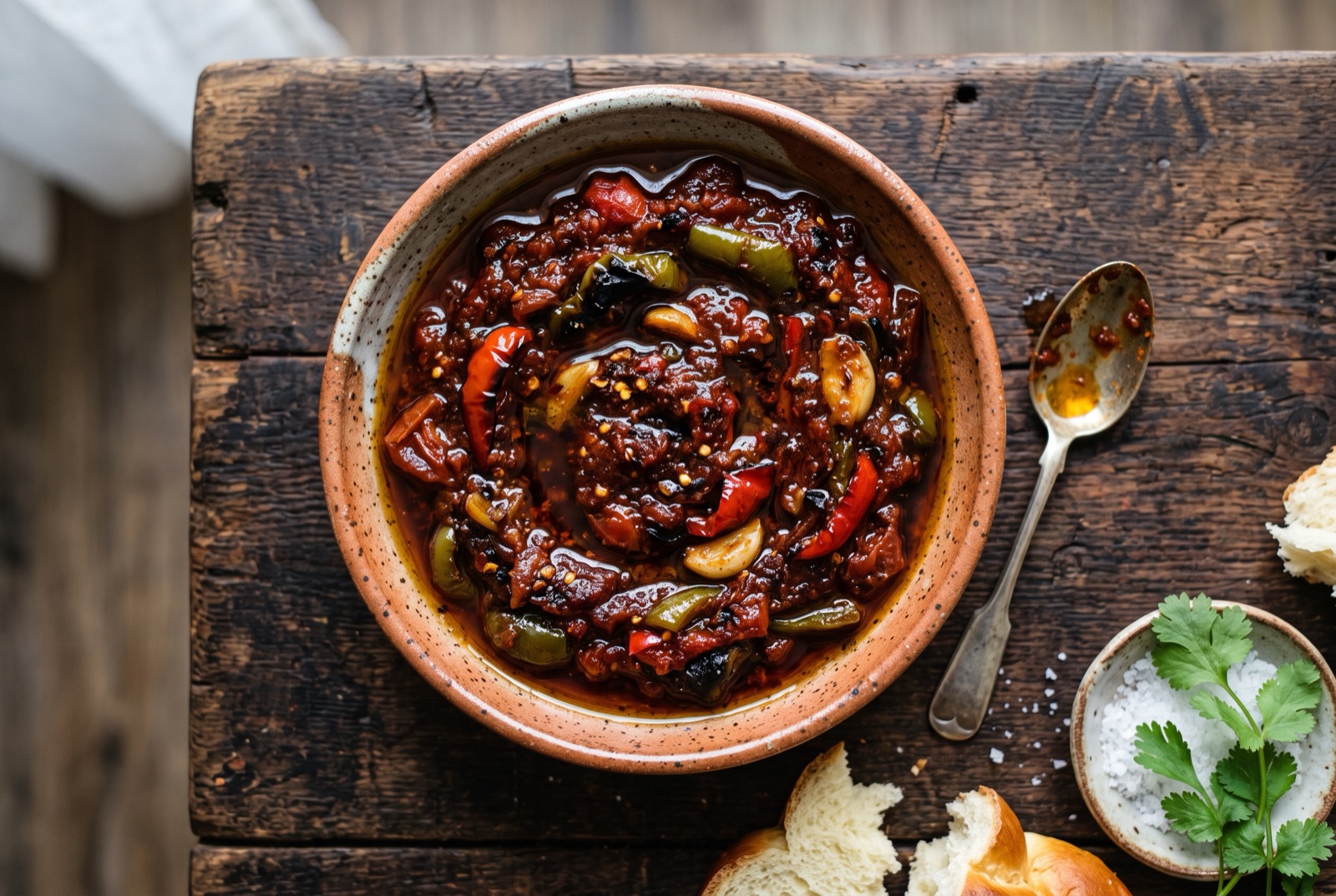

Keep exploring Israel.
Israel has 9 more dishes in the atlas — Challah and Cholent, and 7 more.
All Israel recipes White fish recipes Paprika recipes Garlic recipes mainappetizerpescatariandairy freegluten freeRecipe by The DishRoute Kitchen · published August 20, 2026 · updated August 20, 2026