Israel.
ישראל
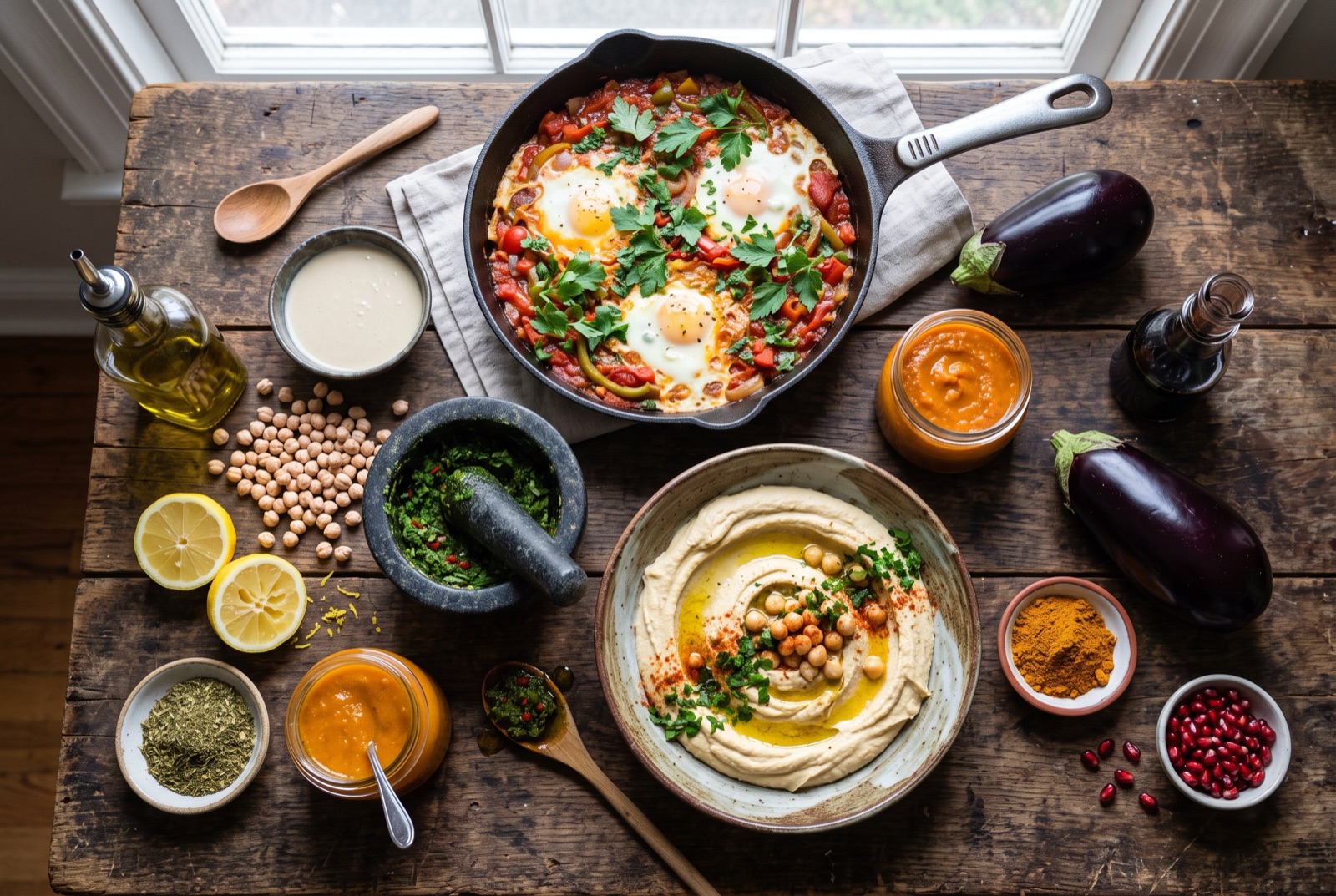
Israeli food is what happens when a dozen kitchens land in the same small country within a couple of generations and start borrowing from each other and from the Levantine cooking already rooted there. A Yemenite soup, a Moroccan fish, an Iraqi sandwich, a Polish braided loaf and a Palestinian salad can share one table without anybody finding that strange. The common thread is not a spice blend but a set of habits: vegetables treated as the main event rather than the garnish, tahini used the way other cuisines use butter, olive oil poured with a heavy hand, lemon and garlic in almost everything savoury, and long slow cooking reserved for the Sabbath when the stove cannot be touched. Dishes like hummus, falafel and tabbouleh belong to the wider Levant and are claimed by several peoples — the honest description is shared, not owned. What is genuinely local is the mixing itself, and the salad-heavy, bread-first way of eating that came out of it.

- Continent
- AsiaMiddle East
- Recipes in atlas
- 10
- Must-try dishes
- 3
- Pantry staples
- 10
Start with the classics.
Must tryThe dishes that explain the Israel kitchen fastest — if you cook only a few things from this page, cook these.
Inside the Israel kitchen.
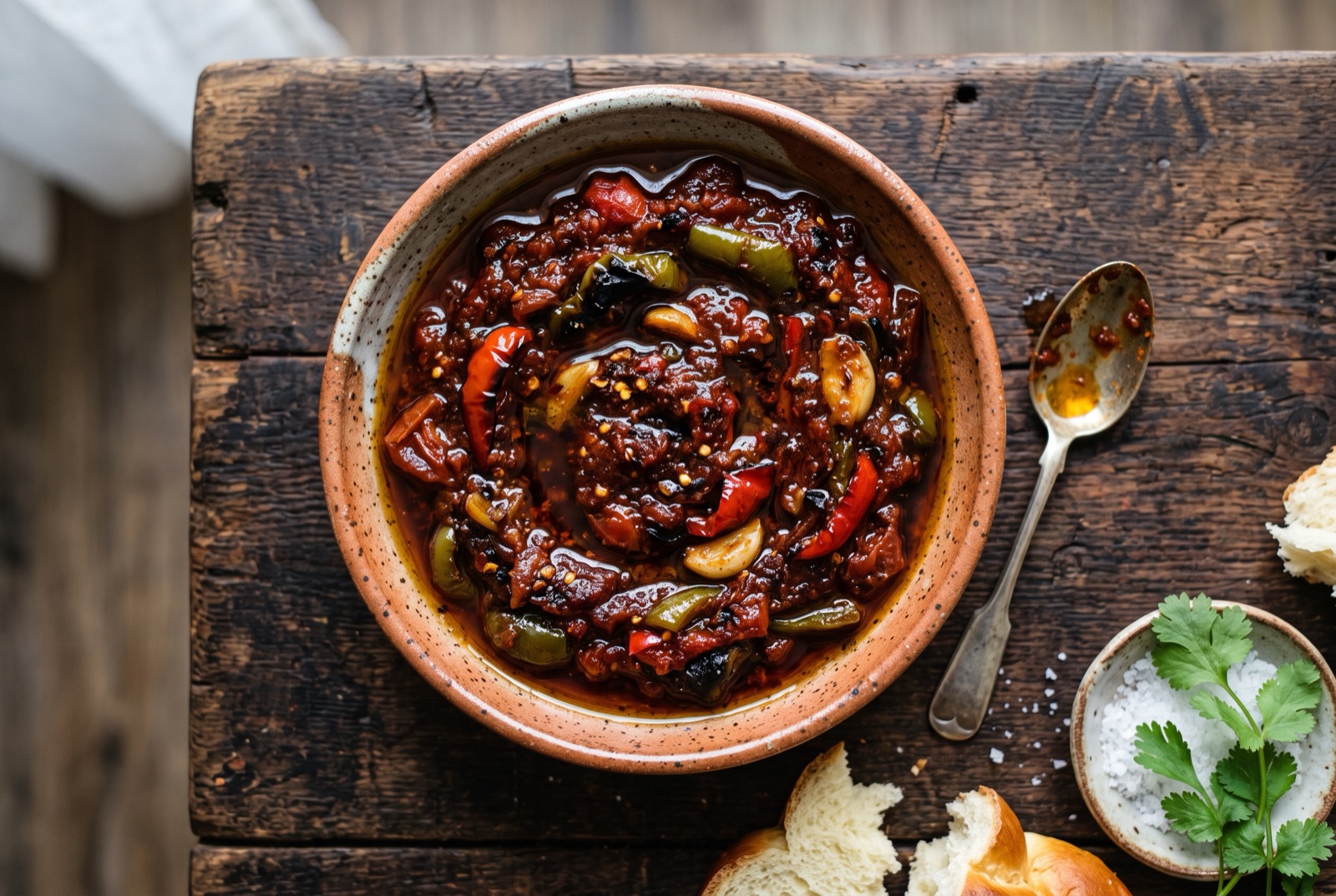
Start with the vegetable table. Almost every restaurant meal opens with salatim — a scatter of small plates that arrive unasked: matbucha cooked down for hours, roasted aubergine with tahini, pickled turnips stained pink with beetroot, cabbage with lemon, shredded carrot with cumin, olives. They are not appetisers in the European sense but the frame of the meal, refilled while you eat, and they explain why Israeli cooking reads as vegetable-forward even when a lamb skewer is on the way.
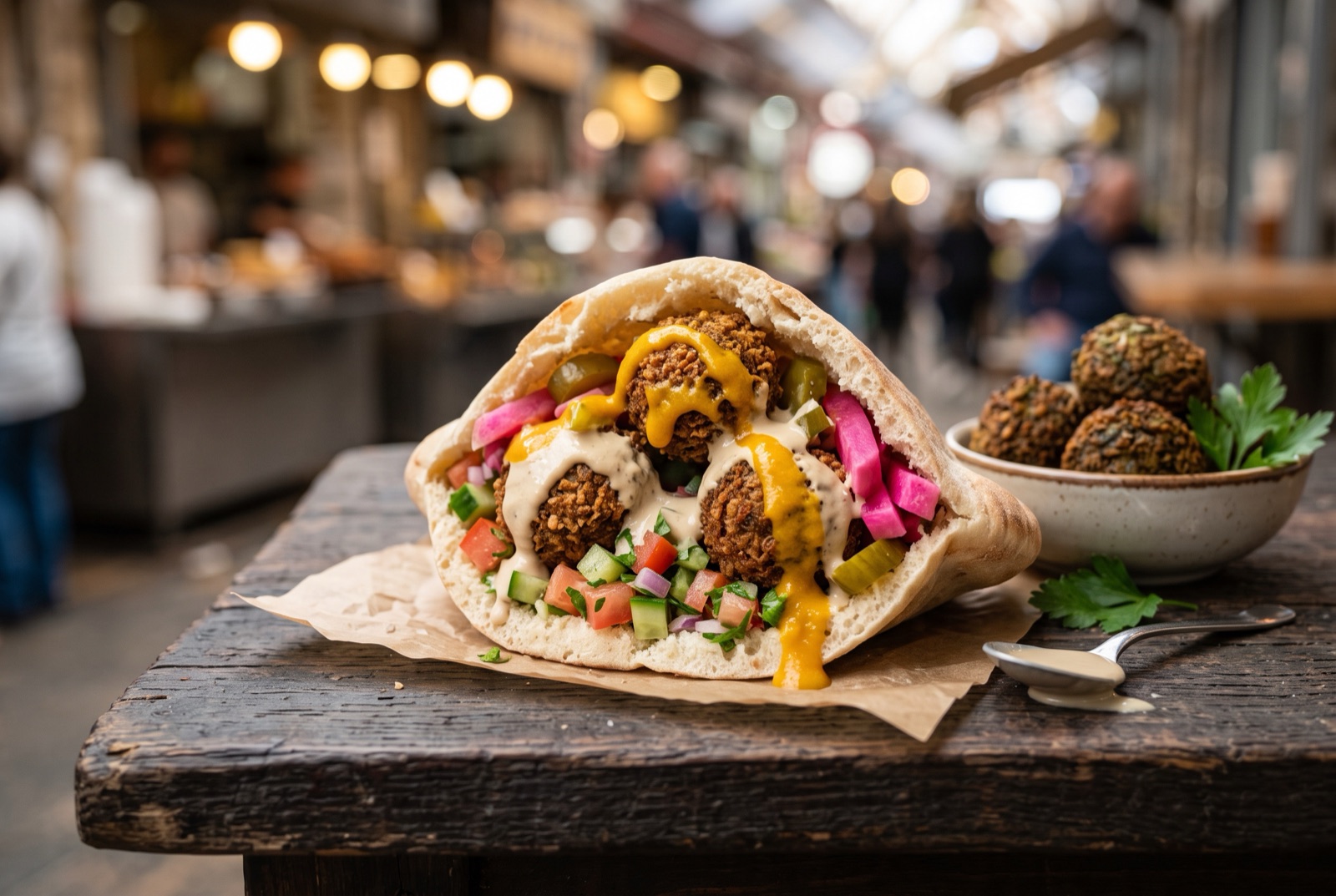
Tahini is the structural ingredient. Raw sesame paste thinned with ice water, lemon and garlic turns pale and fluffy and becomes a sauce for everything — poured into pita over falafel, spooned over roast aubergine, whisked into soups, sweetened into halva and desserts. Learning that tahini seizes into cement before it loosens into cream is the first real technique a cook picks up here. Chickpeas run a close second: soaked, boiled soft for hummus, or ground raw for falafel, which is the whole difference between a good fritter and a dense one.
The spice map splits along migration lines. North African kitchens brought paprika, caraway, preserved lemon and harissa, and with them chraime and matbucha. Yemenite cooks brought hawaij, a warming blend of cumin, turmeric, black pepper and cardamom, plus the fiery green relish zhug and slow-baked breads like kubaneh and the crisp fried malawach. Iraqi families brought amba, the tart pickled mango sauce that ended up on half the country's sandwiches, plus rice cooked with meat and dried fruit. Ashkenazi kitchens from Central and Eastern Europe brought the braided challah, brined herring, chicken soup and the overnight stew cholent.
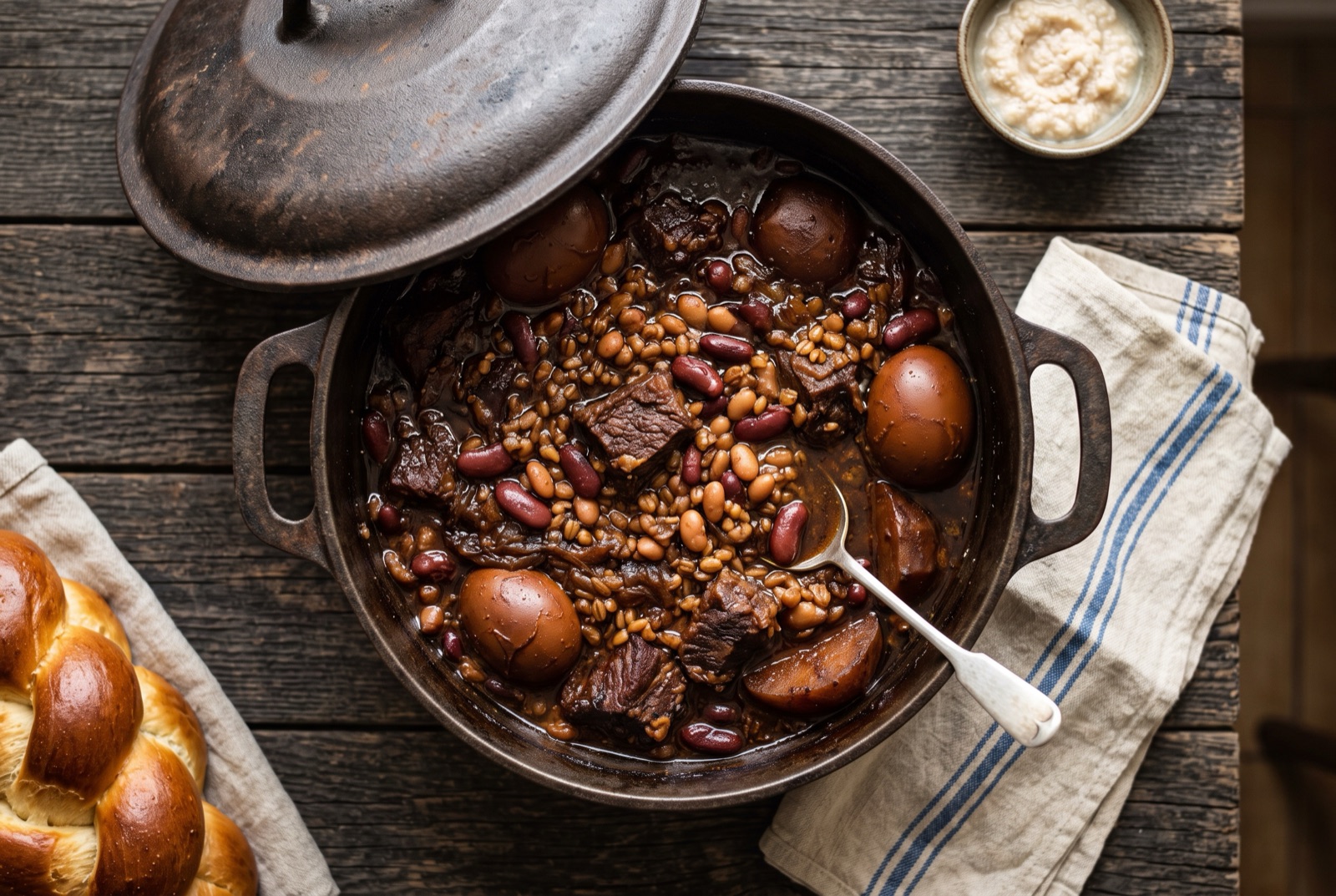
The religious calendar shapes technique more than any chef does. Kosher law separates meat from dairy, so a meat meal ends without cheese or cream and vegetable cooking gets more attention than in comparable Mediterranean cuisines. Because cooking is prohibited on the Sabbath, the great slow dishes exist: cholent among Ashkenazim, hamin and its Sephardi and Yemenite cousins, all built on Friday afternoon and left on a low flame or a hotplate until Saturday lunch, which is why they taste of eighteen hours rather than two. Holidays carry their own foods — honey and round challah for Rosh Hashanah, fried food for Hanukkah, unleavened cooking for Passover.
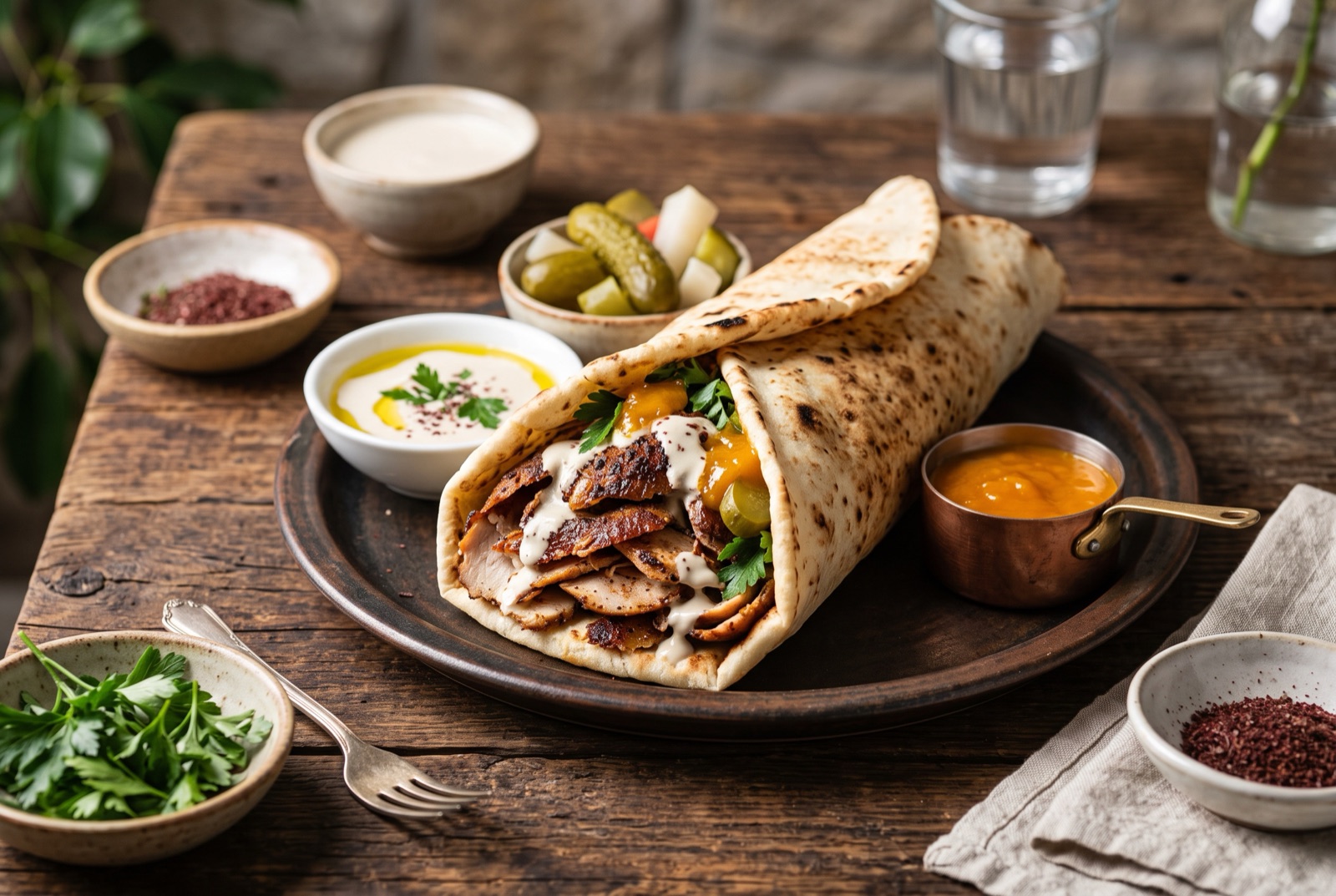
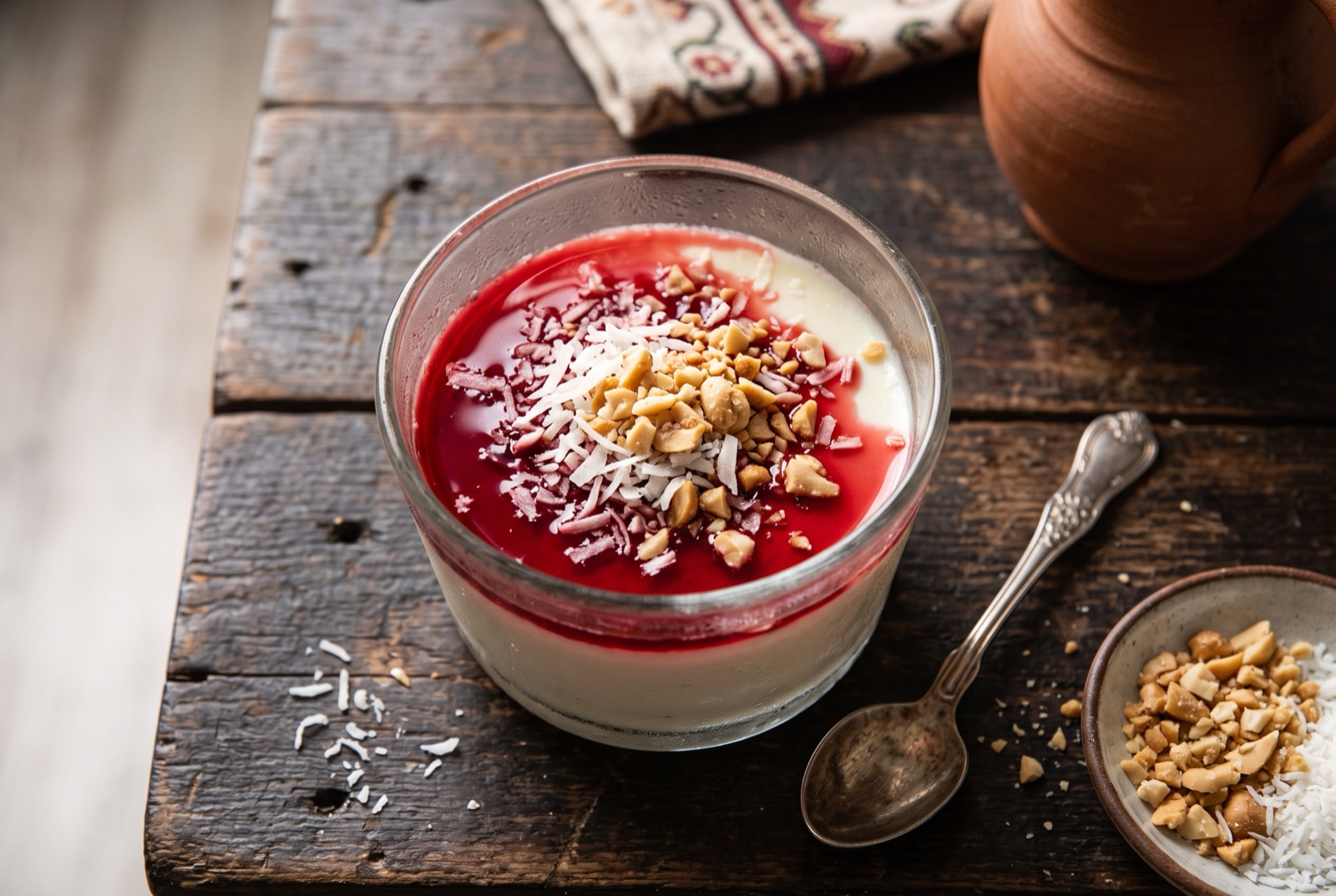
The street canon is short and very good: falafel and shawarma in pita or the wider laffa, sabich with its aubergine and brown egg, hummus eaten hot with a spoon in the morning at a dedicated hummusiya, and malabi under red syrup from a kiosk. Modern restaurant cooking in Tel Aviv and Jerusalem has pushed all of this further, with wood-fired vegetables, sourdough pita and a great deal of tahini in places it has never been, but the base has stayed the same: bread, salad, something grilled, something dipped.
Signature pantry.
10 staplesThe ingredients this cuisine cannot function without.
- tahini
- chickpeas
- olive oil
- lemon
- zaatar
- amba (pickled mango sauce)
- zhug (green chilli relish)
- hawaij spice blend
- aubergine
- pomegranate molasses
How people eat in Israel.
Bread is the utensil and the timer. A meal starts when the pita and salatim hit the table and everyone begins tearing and dipping, and nobody waits for a plate of their own. Hummus is breakfast or lunch food, not dinner, and it is eaten hot, wiped from a shallow bowl in a circular motion, never spread on a cracker. Friday evening is the fixed point of the week: the table is laid, challah is blessed and torn, and the meal runs long. Saturday lunch is whatever spent the night on the flame. Portions are generous and refusing a second helping takes at least two attempts. Coffee is drunk after the food, not with it, and dessert is often just fruit, seeds and something sticky with sesame.
Regional kitchens.
Israel cooks 4 distinctly different ways depending on where you stand — here is what changes between them.
- R1Jerusalem
- Market cooking around Mahane Yehuda, where the grills work through the night and the mixed grill of chicken offal was invented. The most Ashkenazi and the most Iraqi city at once — kugel and kubbeh soup sold on the same street.
- R2Tel Aviv and the coastal plain
- The restaurant engine: hummus counters, sabich stands, sourdough bakeries and a vegetable-heavy modern kitchen that treats tahini and charred aubergine as fine-dining material.
- R3The Galilee and the north
- Olive groves, za'atar, labneh and wood ovens. Druze and Arab villages set the standard for flatbread, stuffed vegetables and freshwater fish from the Sea of Galilee.
- R4The Negev and the south
- Desert cooking with Bedouin roots — bread baked in embers, slow-simmered lamb, strong cardamom coffee — alongside the North African kitchens of the development towns, home to the best chraime and couscous.
All Israel recipes.
10 recipes and counting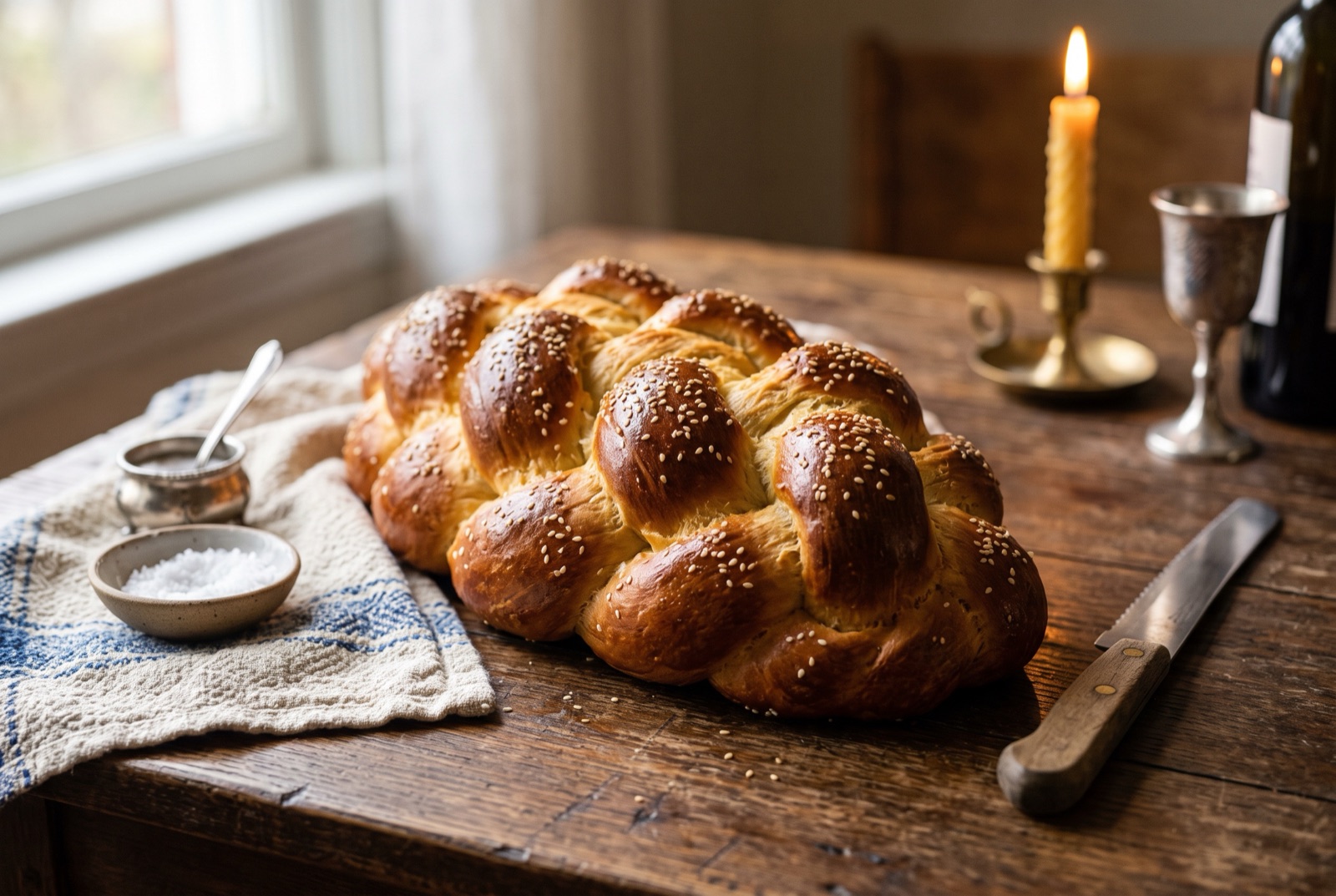
Israel3 hr 40 min
Challah
Braided Egg Bread for Shabbat
Israel21 hr 35 min
Cholent
Overnight Sabbath Beef and Barley Stew
Israel55 min
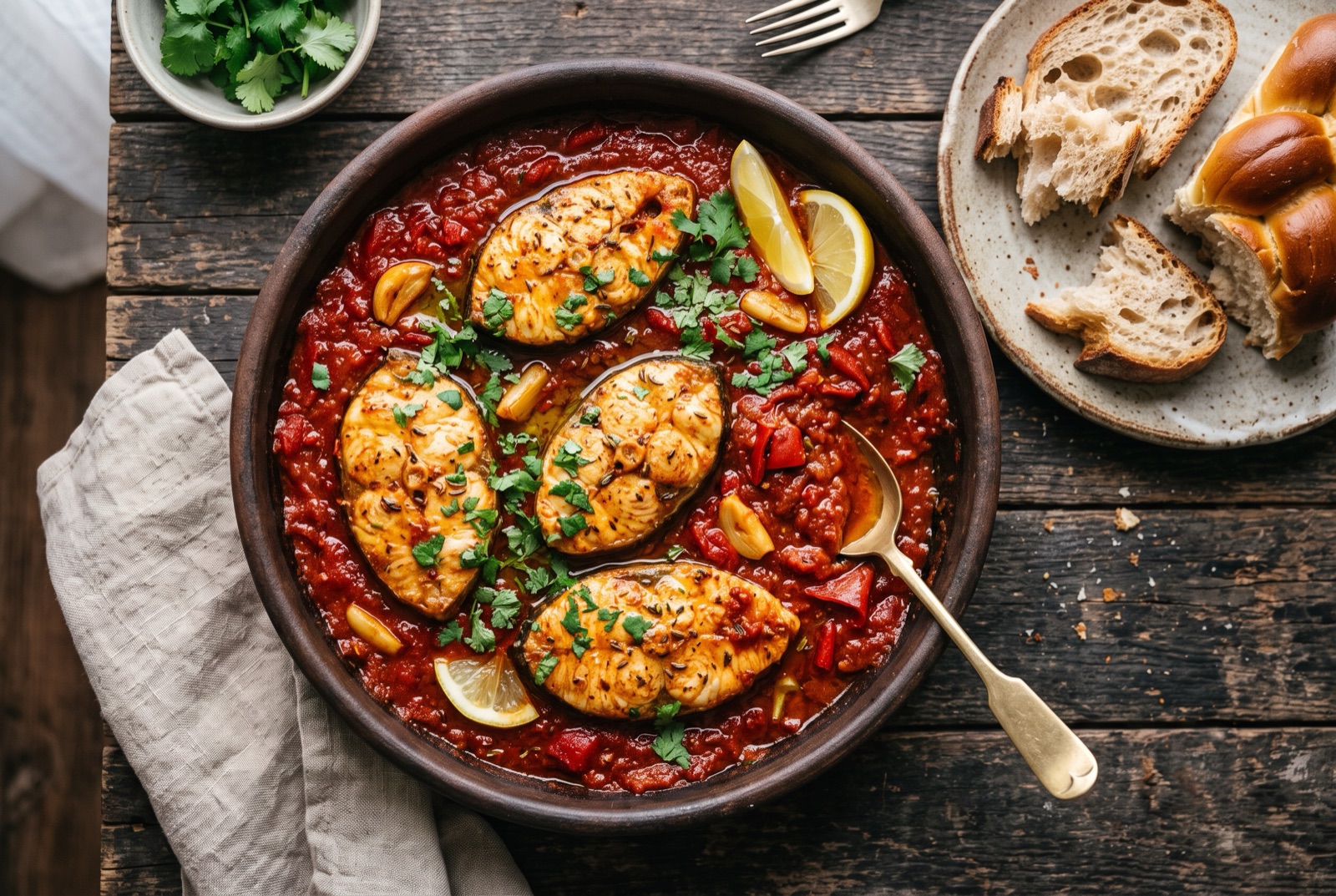
Chraime
Holiday Fish in Sweet-Hot Pepper Sauce
Israel12 hr 50 min
Israeli Falafel
Chickpea Fritters in Pita with Amba
Israel5 hr 40 min
Israeli Shawarma
Spit-Roast Turkey Thigh in Laffa
Israel3 hr 30 min
Malabi
Rosewater Milk Pudding with Red Syrup
Israel2 hr 15 min
Matbucha
Slow-Cooked Tomato and Roasted Pepper Salad
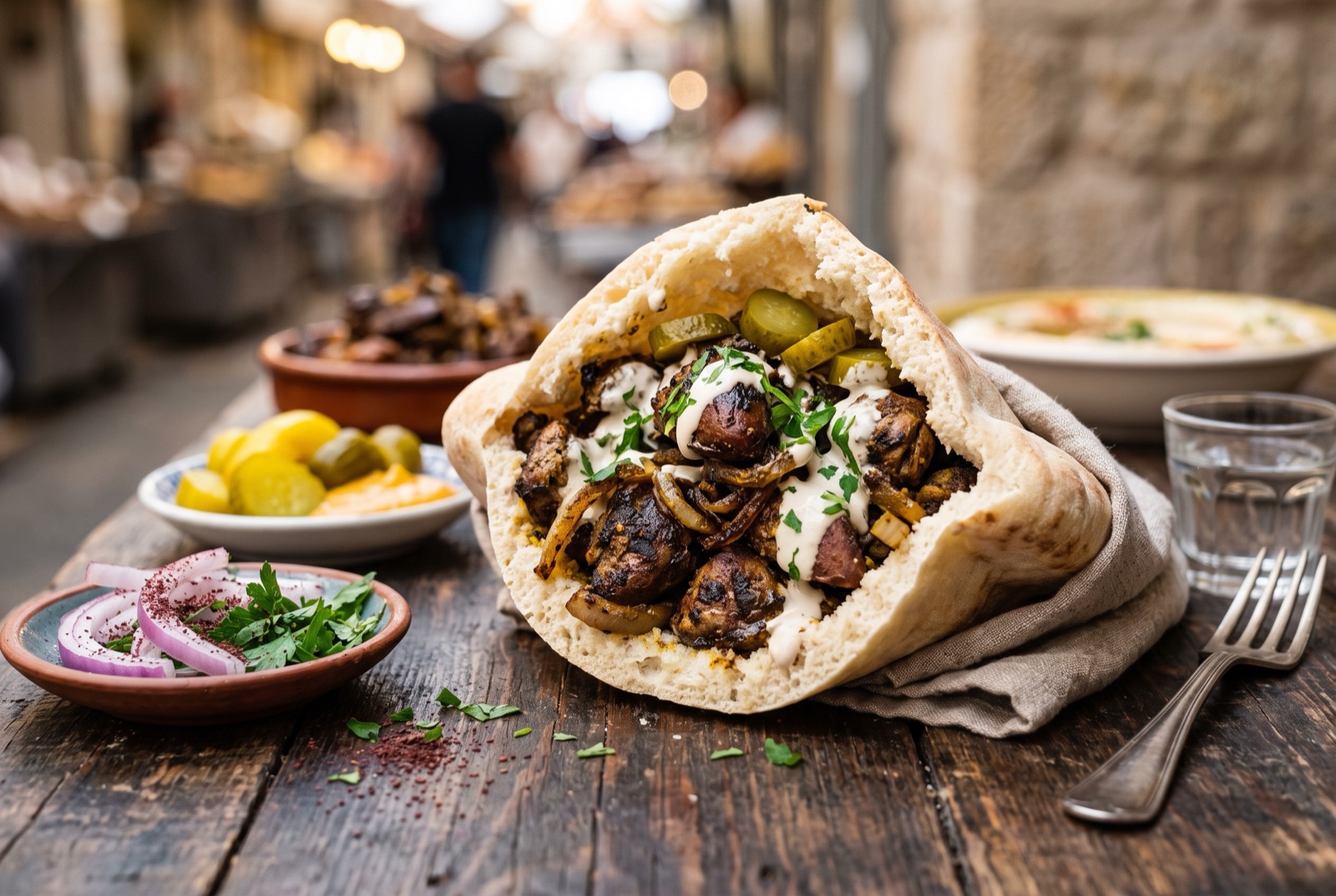
Israel1 hr 45 min
Meorav Yerushalmi
Jerusalem Mixed Grill
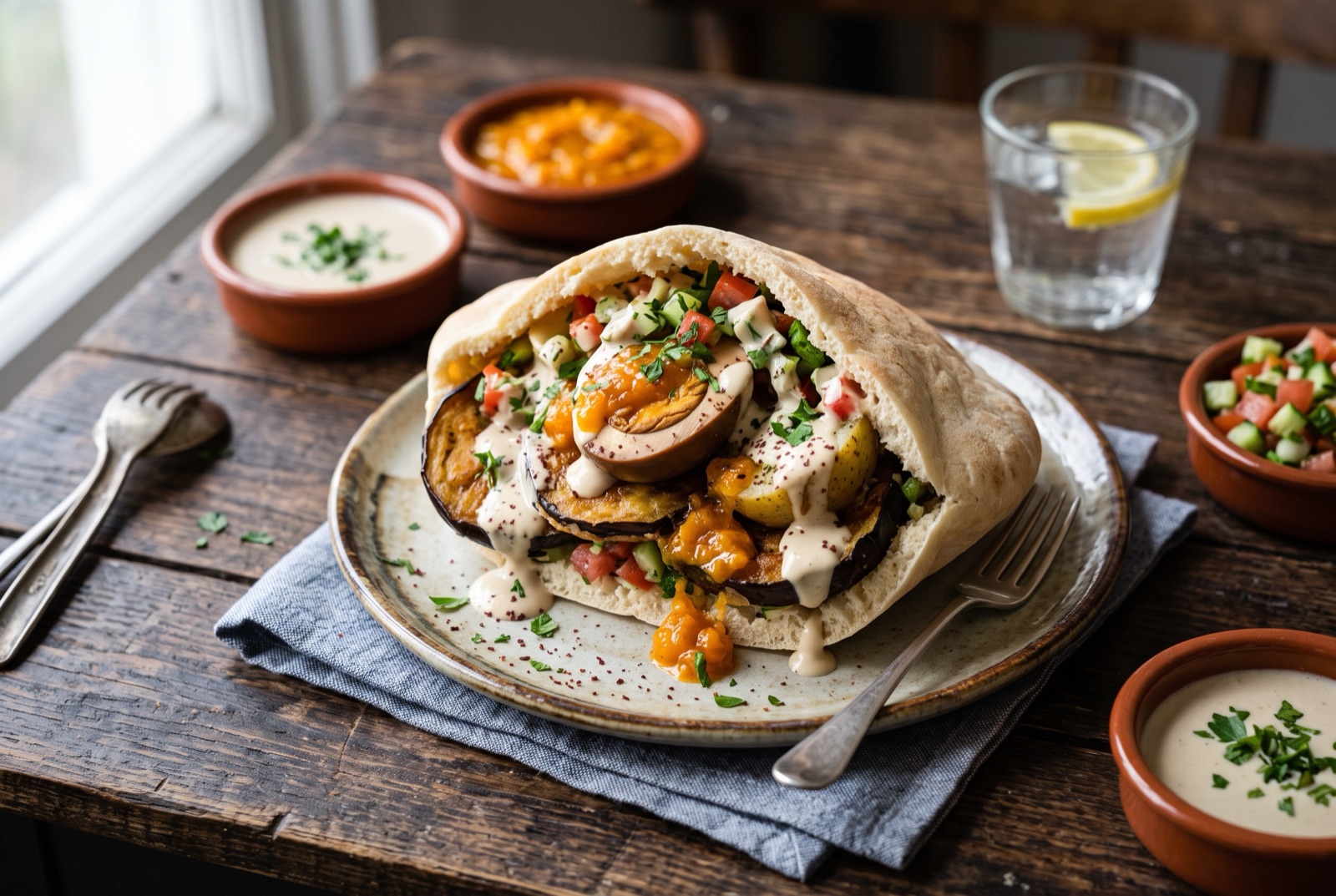
Israel4 hr 15 min
Sabich
Iraqi-Jewish Aubergine and Egg Pita
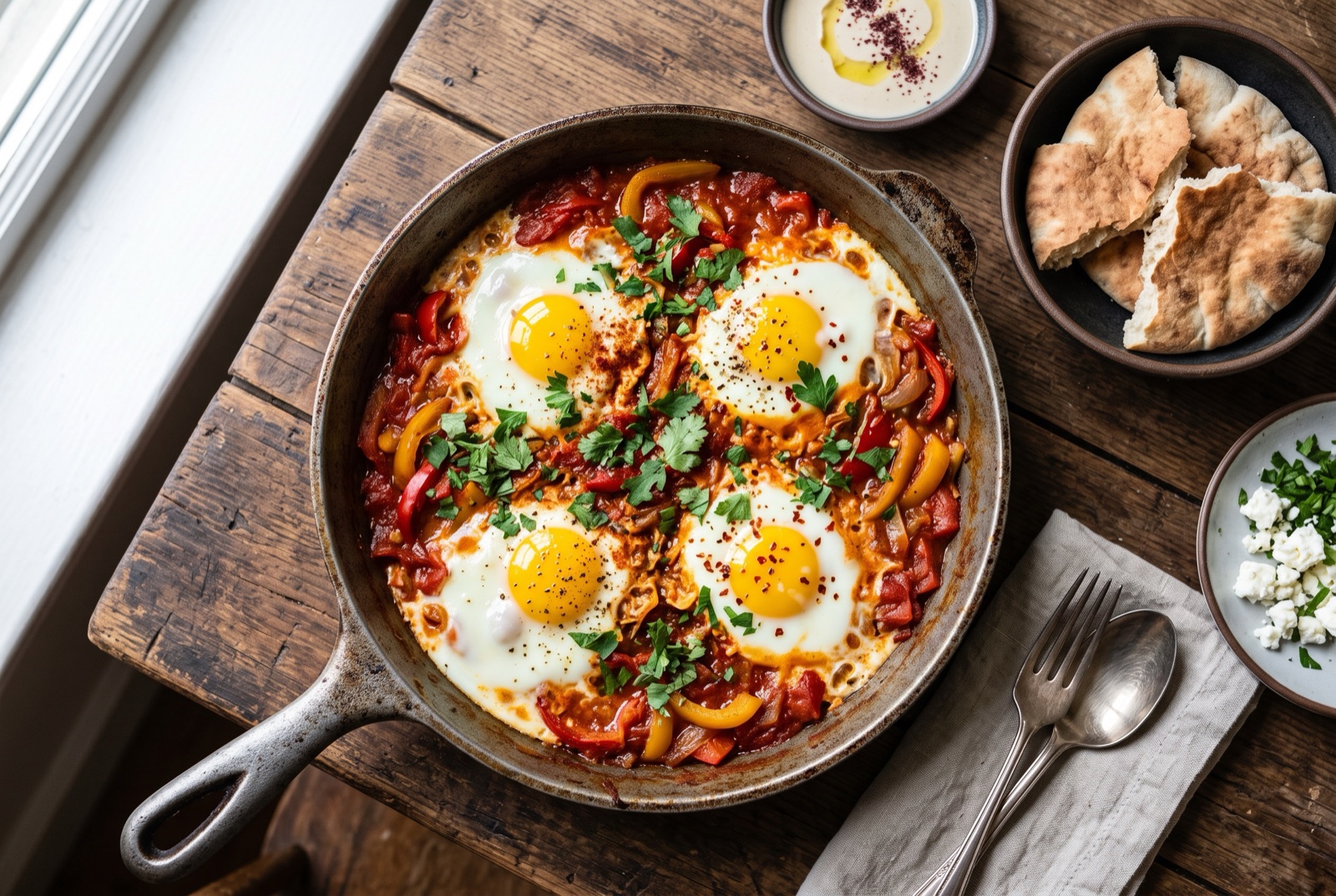
Israel50 min
Shakshuka
Eggs Poached in Spiced Pepper and Tomato
Keep traveling.
Israel sits in Middle East, and its kitchen shares borders as well as ingredients with Armenia and Bangladesh.
 Armenia
 Bangladesh