Ilish Bhapa.
Hilsa Steamed in Mustard Paste
ইলিশ ভাপা · say it: ee-LEESH BHA-pah
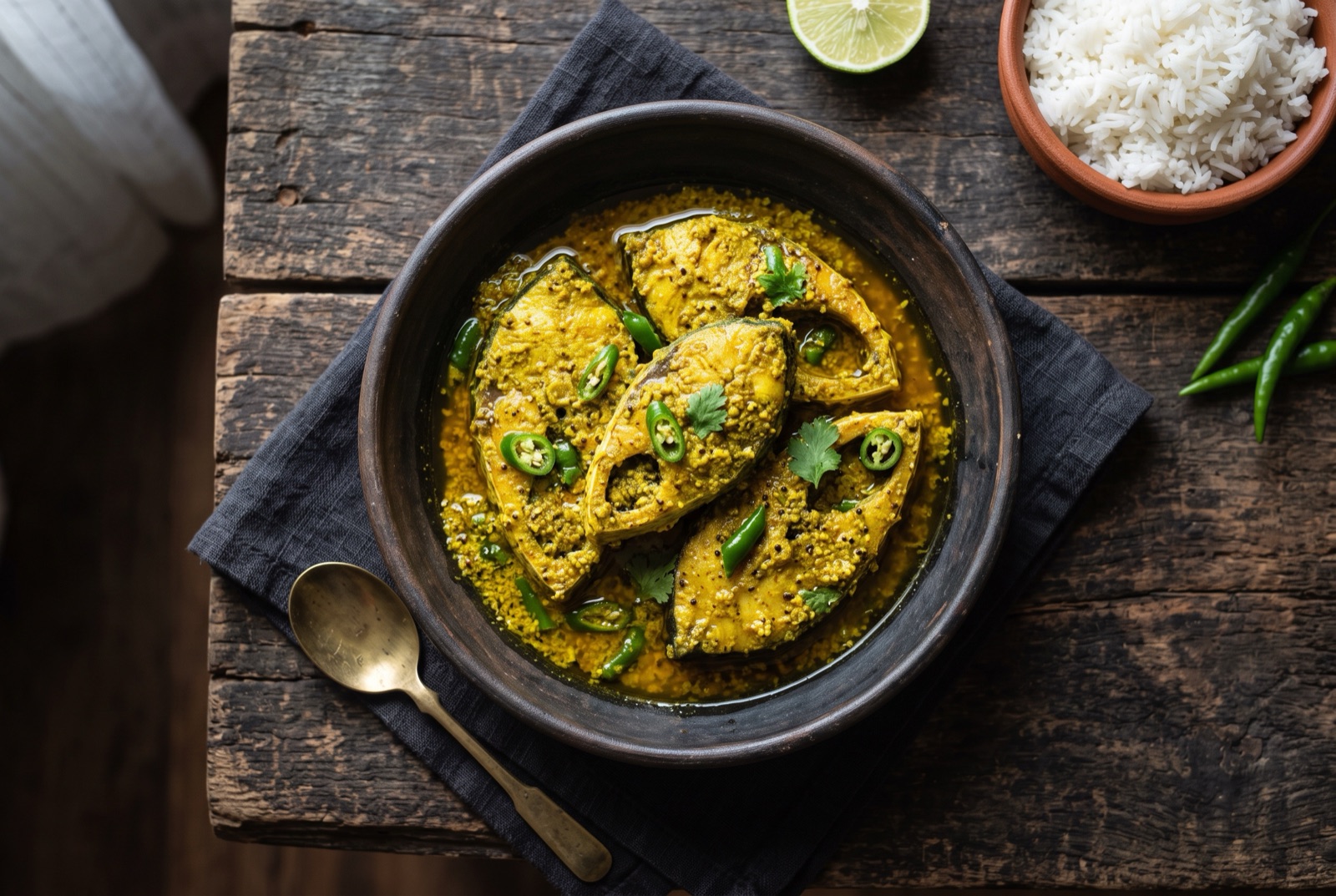
Ilish bhapa is hilsa fish steamed in a wet paste of ground mustard, green chile, turmeric and raw mustard oil, and it is the least interfering way anyone in Bengal cooks their favourite fish. Nothing is browned and no onion, garlic or garam masala goes near it. The mustard paste is aggressive — nose-prickling, faintly bitter, hot in a way that is felt in the sinuses rather than the mouth — and hilsa is fat enough to absorb all of it and still taste like itself. What comes out of the steamer is a thick yellow sauce clinging to soft steaks, with fish oil beading on the surface. It is eaten with plain white rice and nothing else, and Bangladeshis will happily spend twenty minutes at the table dealing with the bones because the flavour is worth it.

- Gate
- BangladeshThe Padma and Meghna delta
- Prep
- 20 min
- Cook
- 25 min
- Total time
- 1 hr 5 min incl. 20 min rest
- Serves
- 4
- Status
- Medium
- Nutrition / serving · estimated
- Calories 420 kcal
- Protein 32 g
- Carbs 5 g
- Fat 30 g
- Fiber 2 g
- Sodium 780 mg
Why this recipe works.
- Soaks and grinds the mustard the correct way, which is the difference between sharp and unbearably bitter.
- Steams rather than fries, so the hilsa keeps the oil that makes it worth cooking in the first place.
- Works in an ordinary pan with a bowl and a lid — no banana leaf or steamer basket needed.
- Gives a workable substitute fish and says plainly what changes when you use it.
Ingredients.
10 itemsFor the fish
For the mustard paste
Equipment
- Lidded steel tiffin container or heatproof bowl with foil
- Large lidded pot with a trivet
- Small blender or stone grinder
Instructions.
Salt the fish
Rub 700 g of fish steaks all over with the turmeric and salt and leave them on a plate for 20 minutes. The surface will bead with moisture and turn a deeper yellow — this seasons the flesh and firms it enough to survive the steam.
Tip Do not rinse the turmeric off afterwards. It is doing the seasoning work, not just colouring the fish.
Soak the mustard
Cover both kinds of mustard seed with cold water and leave to soak for at least 20 minutes, until the seeds look swollen and the water is slightly cloudy. This is the step that decides whether the finished dish is pungent or bitter.
Grind the paste
Drain the seeds and grind them with two green chiles, a pinch of salt and 4 tablespoons of cold water in short bursts until you have a thick, slightly grainy paste the texture of wet sand. Stop before it becomes completely smooth — long grinding heats the mustard and makes it acrid.
Tip Taste a tiny amount on a fingertip. It should sting the nose sharply. If it tastes flatly bitter instead, start again with a fresh soak.
Dress the fish
Stir the mustard oil and the optional yogurt into the paste until it looks glossy and emulsified. Lay the fish steaks in a lidded steel container, spoon the paste over and under each one, tuck in the whole slit green chiles, and close the lid.
Steam
Stand the container on a trivet in a large pot, pour boiling water a third of the way up its sides, cover the pot and steam over medium heat for 18–20 minutes without opening it. The fish is ready when the flesh has turned opaque to the bone and oil has risen in orange beads on the surface of the sauce.
Tip Thicker sea-caught steaks can need 3–4 minutes more. Check the thickest piece at the bone, not the edge.
Rest and finish
Lift the container out and let it stand closed for 5 minutes so the sauce thickens around the fish. Open it, drizzle over a final teaspoon of raw mustard oil, and take it to the table in the same container with plain white rice.
Tips from our kitchen.
- Soak the mustard seeds in cold water for at least 20 minutes before grinding, with a pinch of salt and one green chile in the grinder. Dry-ground or hot-ground mustard turns harshly bitter and cannot be fixed.
- Buy hilsa cut into thick steaks across the body, about 2.5 cm. Thin slices fall apart in the steam and the bones become impossible to navigate.
- Use raw, unheated mustard oil for the paste. Its pungency is part of the dish, and heating it first burns off exactly what you want.
- Slit the whole green chiles rather than chopping them. They perfume the sauce without shredding into it, and anyone who wants real heat can eat one.
- Do not lift the lid during steaming. Every peek drops the temperature inside the bowl and the fish ends up unevenly cooked at the edges.
- Let the dish sit five minutes off the heat before serving so the sauce thickens and the raw edge of the mustard mellows slightly.
Substitutions.
- Hilsa (ilish) → Spanish mackerel, shad, or small bluefish steaks
- You need an oily fish with firm flesh — the sauce depends on rendered fish fat. Cod, tilapia or any lean white fish gives a watery, sad version of the dish.
- Whole mustard seeds → Three tablespoons of ready-made English mustard powder mixed to a paste with cold water
- Faster and workable, but noticeably one-dimensional. Add a teaspoon of poppy seed paste if you have it to restore some body.
- Mustard oil → Neutral oil plus half a teaspoon of English mustard stirred in
- Mustard oil is sold in most South Asian shops and is worth buying — the raw drizzle at the end is a distinct flavour that no substitute reproduces.
Variations.
- Ilish bhapa with coconut
- Two tablespoons of grated fresh coconut ground into the mustard paste. Common in parts of the delta and in West Bengal, and it softens the mustard's edge considerably.
- Ilish paturi
- The same paste and fish, but wrapped in a banana leaf parcel and either steamed or seared in a dry pan so the leaf scorches and perfumes the fish.
- Shorshe bata diye chingri
- Prawns in the identical mustard paste, steamed the same way. They need only 8 minutes, so start checking early.
Storage & reheating.
Ilish bhapa is best eaten the day it is made. It keeps 2 days covered in the fridge and the sauce thickens as it sits; reheat gently in a covered pan with a tablespoon of water over low heat, or steam the container again for 5 minutes. Do not microwave on full power — the fish tightens and the mustard turns acrid. It does not freeze: the paste separates and the fish texture collapses on thawing.
Serve with
Plain steamed white rice, a spoonful of the sauce, and nothing competing on the plate — a wedge of lime and extra green chile at most.
The story behind Ilish Bhapa.
The hilsa, ilish in Bengali, is a shad that lives in the Bay of Bengal and swims up the Padma, Meghna and Jamuna rivers to spawn. It is the national fish of Bangladesh, and calling the country's attachment to it an obsession understates the case: prices are front-page news, the government enforces fishing bans during the spawning run, and the first ilish of the season is a matter of genuine competitive shopping. River-caught ilish from the Padma is prized far above sea-caught fish and priced accordingly. The fish is also famously bony — a fine, forked skeleton that defeats beginners — and Bengalis treat the ability to eat one cleanly as an ordinary life skill.
Bhapa, meaning steamed, is the treatment that respects the fish most. Hilsa carries so much of its own oil that frying it hard, as you would a leaner river fish, drives that oil out and wastes the point of the fish. Steaming it inside a sealed container instead traps everything: the fat renders into the mustard paste and makes a sauce that no added liquid could produce. Traditionally the fish and paste are packed into a lidded steel tiffin box or a heatproof bowl and set inside a pot of rice as it cooks, or inside a covered pan of simmering water — a technique that works on any hob anywhere.
Mustard is not incidental here. Bengal grows it, presses it into cooking oil, and grinds the seed into paste, and mustard is to this kitchen what garlic is to the Mediterranean. Yellow seed brings the flavour, black seed brings the heat, and both turn bitter if you grind them dry or with hot water — hence the soak in cold water with salt and a green chile, which is the one non-negotiable step in the recipe.
The dish also crosses a border. West Bengal in India cooks ilish bhapa in almost the same way, sometimes with a spoonful of poppy seed paste or coconut, and both sides claim to do it better. There is no settling this, and no need to: the ban on exporting Bangladeshi hilsa to India during some seasons has made the argument a diplomatic story more than once.
Questions, answered.
Why did my mustard paste turn bitter?
Mustard seeds release a bitter compound when they are ground dry, ground with hot water, or over-ground for a long time. Soak them in cold water for 20 minutes first, add a pinch of salt and a green chile to the grinder, and grind in short bursts with cold water. If it is already bitter, a teaspoon of yogurt or grated coconut mutes it, but prevention works better than rescue.
What fish can I use instead of hilsa?
Any oily fish with firm flesh and a fatty texture — Spanish mackerel, shad, small bluefish or even oily trout steaks. The mustard sauce relies on fish fat rendering into it during steaming, so lean white fish like cod or tilapia produces a thin, disappointing result. Cut whatever you use into thick 2.5 cm steaks.
How do I deal with all the bones in hilsa?
Hilsa has a fine forked skeleton with rows of small intramuscular bones and there is no way to remove them beforehand without destroying the steak. The practical method is to eat slowly, press each mouthful against the roof of your mouth to separate flesh from bone, and work along the grain of the fillet rather than across it. Serving it with plain rice rather than mixed dishes makes this much easier.
Can I steam this without a steamer?
Yes. Put the fish and paste into a lidded steel container or a heatproof bowl covered with foil, stand it on a trivet or a folded cloth inside a large pot, pour in enough boiling water to come a third of the way up the container, cover the pot and simmer. A pressure cooker with the weight removed works the same way.
Is ilish bhapa very spicy?
It is pungent rather than chile-hot. The dominant sensation comes from raw mustard, which hits the nose and sinuses like wasabi does, while the green chiles are usually left whole and slit so they add perfume and only moderate heat. You control the chile heat entirely by how many you add and whether anyone eats them.
You might also like.
All recipes →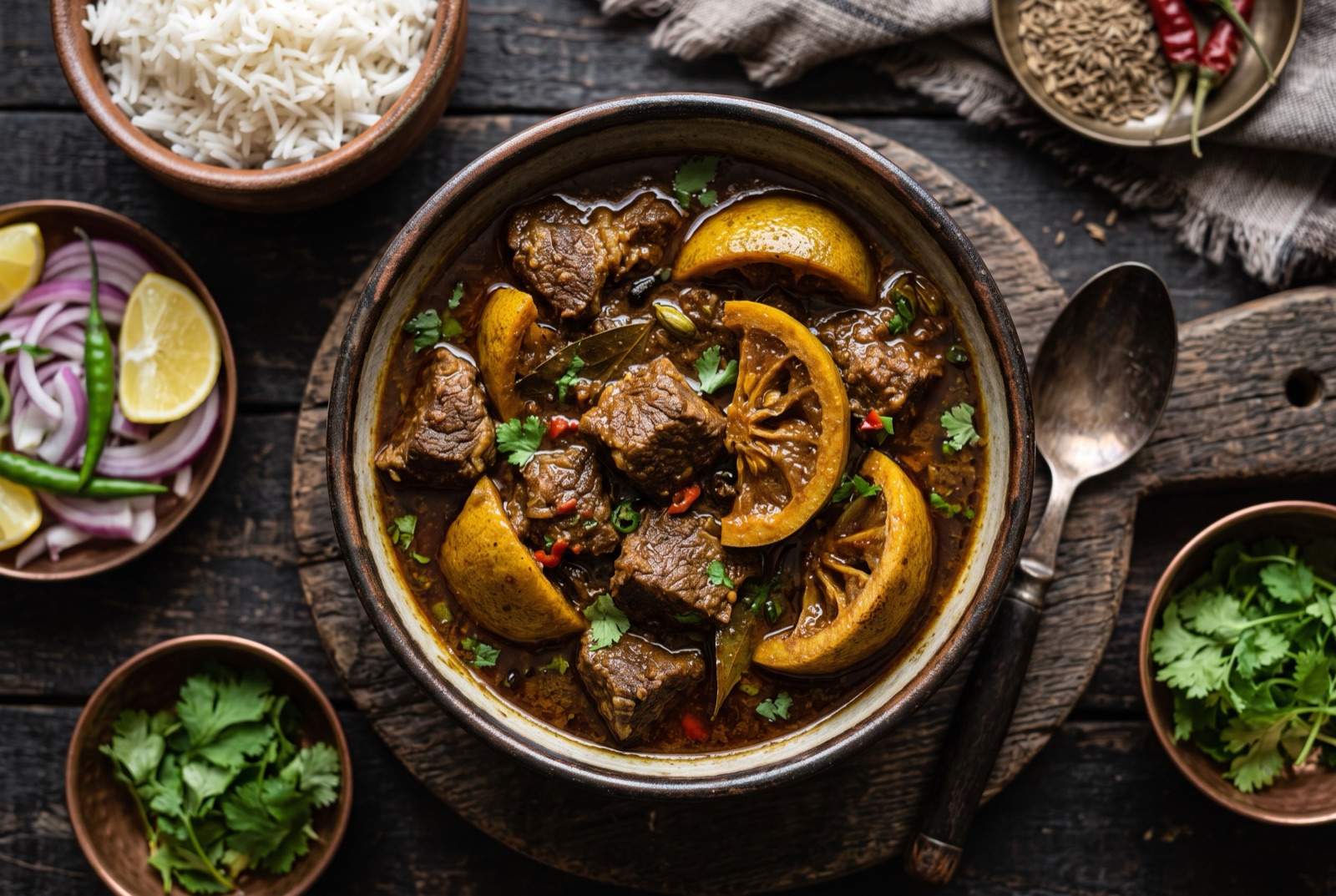
Keep exploring Bangladesh.
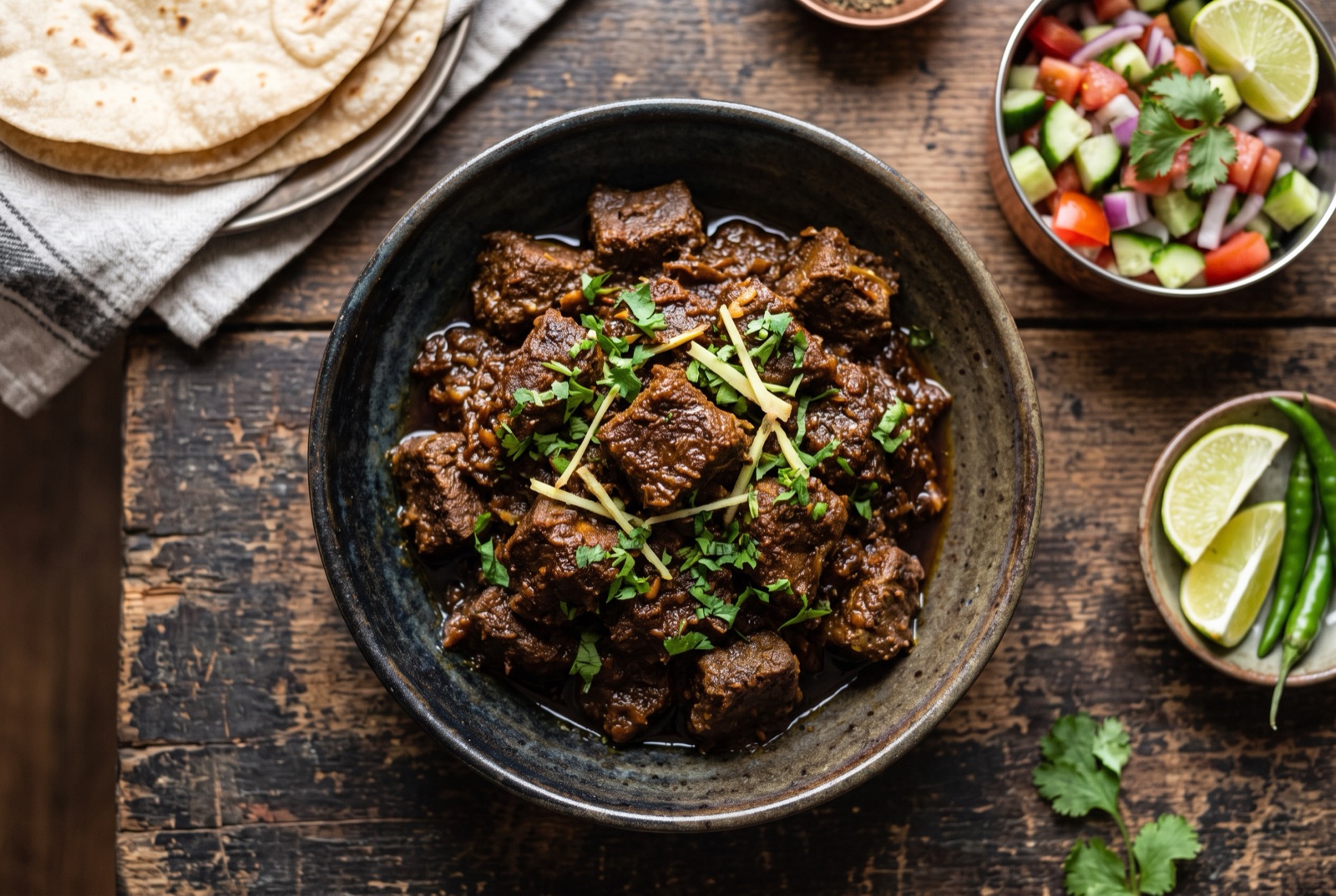
Bangladesh has 9 more dishes in the atlas — Beef Bhuna and Beef Shatkora, and 7 more.
All Bangladesh recipes Mustard seed recipes Green chili recipes Turmeric recipes mainpescatariangluten freedairy freeRecipe by The DishRoute Kitchen · published August 20, 2026 · updated August 20, 2026