Chicheme.
Panamanian Cracked Corn and Milk Drink
Chicheme chorrerano · say it: chee-CHEH-meh
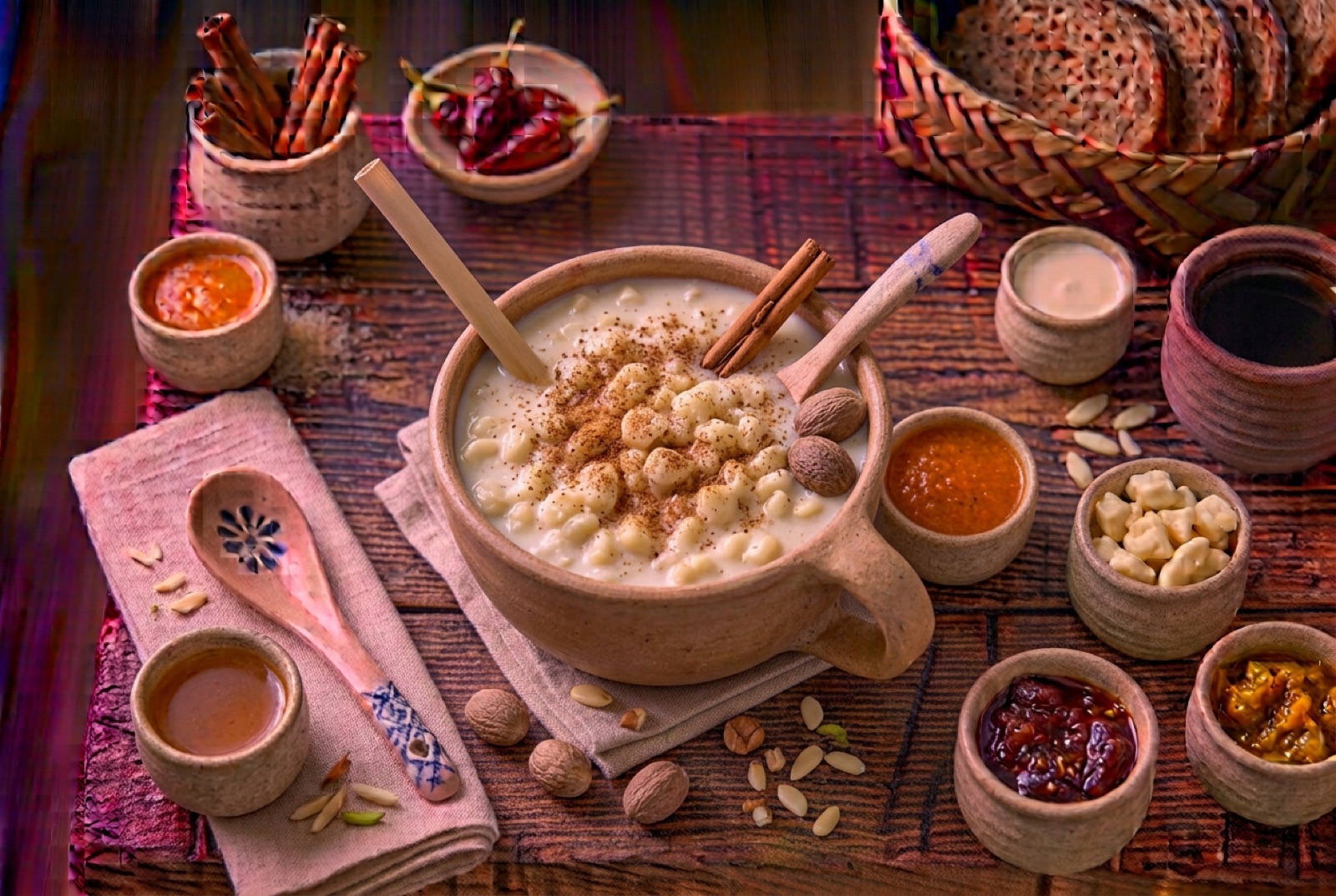
Chicheme sits somewhere between a drink and a pudding, and Panamanians are comfortable with that. Dried white corn is soaked overnight and simmered until the kernels split and go tender but still have a bite, then the pot is loosened with milk, sweetened with sugar and condensed milk, and spiced with cinnamon and a grating of nutmeg. It is chilled hard and served in a tall cup with a spoon, or in a plastic bag with a straw wide enough to pull the corn through. The flavour is mild, milky and faintly toasted, closer to a cold rice pudding than to anything you would call a soft drink, and it is filling enough that a large cup replaces a meal.

- Gate
- PanamaLa Chorrera, Panamá Oeste
- Prep
- 15 min
- Cook
- 1 hr 15 min
- Total time
- 4 hr 30 min incl. 3 hr rest
- Serves
- 6
- Status
- Easy
- Nutrition / serving · estimated
- Calories 340 kcal
- Protein 10 g
- Carbs 58 g
- Fat 8 g
- Fiber 3 g
- Sugar 38 g
- Sodium 250 mg
Why this recipe works.
- Overnight soaking plus a long simmer, which is the only way dried field corn goes properly tender.
- Salt goes into the corn water, so the finished drink tastes sweet rather than flat and cloying.
- Milk is added after the corn is soft, so it never sits over direct heat long enough to catch.
- Thickness is adjustable at the end, from drinkable to spoonable, without recooking anything.
Ingredients.
9 itemsFor the corn
To finish
Equipment
- Large heavy saucepan
- Bowl for soaking
- Wooden spoon
- Jug and cups for chilling
Instructions.
Soak the corn
Cover the dried corn with at least three times its volume of cold water and leave it overnight, or a minimum of 8 hours. Drain and rinse it before cooking. The kernels should have swelled visibly and feel slightly soft at the edges.
Tip In hot weather soak it in the fridge — corn left out in the tropics can start fermenting, which is a different drink entirely.
Simmer until tender
Put the drained corn in a heavy pan with the water, salt and cinnamon sticks. Bring to the boil, then drop the heat until the surface barely trembles and cook uncovered for 60 to 75 minutes, until the kernels have split open and are tender with a slight chew.
Tip Top up with hot water if the level drops below the corn. A hard boil bursts the kernels and turns the batch pasty.
Judge the corn
Crush a kernel between finger and thumb. It should collapse with no chalky core. If it resists, keep simmering in ten-minute stretches — there is no way to fix undercooked corn later, and the milk will not soften it further.
Add the dairy
Pull out the cinnamon sticks. Stir in the milk, condensed milk and sugar and bring the pot back to a bare simmer for 8 minutes, stirring often and scraping the base so the milk does not catch. Do not let it boil.
Season and cool
Take the pan off the heat and stir in the grated nutmeg and the vanilla if using. Taste for sweetness and salt, remembering that chilling will flatten the sugar noticeably. Cool to room temperature, stirring occasionally to stop a skin forming.
Chill and serve
Refrigerate for at least 3 hours until thoroughly cold. It will have thickened, so stir in cold milk until it pours the way you want it — loose for drinking, thick for a spoon. Serve in tall cups with a little more nutmeg grated over.
Tips from our kitchen.
- Soak the corn at least 8 hours in plenty of cold water. Under-soaked kernels stay chalky at the centre no matter how long you simmer them.
- Simmer the corn in water alone, not milk — milk added at the start scorches on the base of the pot and turns the whole batch bitter.
- Keep the pot at a bare tremble. A hard boil bursts the kernels into starch and gives you paste rather than a drink with texture.
- Add salt early. A quarter teaspoon in the corn water is what stops the finished chicheme tasting like sweetened milk.
- Chill it thoroughly before judging the sweetness — cold blunts sugar, and a mixture that tastes right warm will taste thin at fridge temperature.
- Expect it to thicken overnight as the corn keeps absorbing. Hold back some milk and stir it in just before serving.
Substitutions.
- Dried white field corn (maíz pilado) → Tinned white hominy, drained and rinsed
- Already cooked, so skip the soak and simmer it in water for only 15 minutes to soften further before adding the milk. The texture is softer and less nutty.
- Whole milk → Evaporated milk let down with water, or coconut milk
- Evaporated milk is what many Panamanian households actually use and gives a rounder, slightly caramelised flavour. Coconut milk makes a dairy-free version common on the Caribbean side.
- Condensed milk → An extra 60 g of sugar plus a splash more milk
- You lose some body along with the sweetness, so simmer the corn a few minutes longer or mash a spoonful of kernels against the side of the pot to thicken it.
Variations.
- Chicheme chorrerano espeso
- The thick roadside version, built with evaporated and condensed milk until it holds a spoon upright. Sold in large cups and eaten as a meal rather than sipped.
- Chicheme with coconut
- Coconut milk replacing part or all of the dairy, a Colón and Bocas del Toro habit that follows the Caribbean coast's general preference for coconut as a cooking liquid.
- Chicha de maíz
- The plainer relative: the same corn simmered and blended smooth with water and sugar, strained, and drunk thin and cold. No milk and no spice.
Storage & reheating.
Chicheme keeps 3 days covered in the fridge and is arguably better on day two, once the spice has spread through the milk. It thickens noticeably as it sits because the corn keeps taking up liquid, so stir in cold milk to loosen it back to the consistency you want before serving. Do not reheat it — it is meant to be cold, and warming dairy that has been sitting with starch tends to split. Freezing works badly: the corn turns mealy and the milk separates on thawing. If you want to prepare ahead, cook and refrigerate the corn in its liquid and add the dairy on the day.
Serve with
Drunk on its own, ice cold, or alongside hojaldras or a wedge of queso blanco at breakfast.
The story behind Chicheme.
Chicheme belongs to La Chorrera, the town on the highway west of Panama City, firmly enough that chorrerano is part of the name almost everywhere else in the country. Anyone driving out towards Coronado or the interior passes a run of roadside stands and small shops selling it by the cup, and the town holds an annual festival around it. That geography is not accidental — La Chorrera sits in a maize-growing stretch of Panamá Oeste, and the drink is built on maíz pilado, dried white field corn that has had its hull removed, which is a storable commodity rather than a perishable vegetable.
The wider family is Indigenous. Corn drinks called chicha exist across the whole of Latin America, and in Panama chicha can mean anything from a fruit squash to chicha fuerte, the fermented corn beer still made in Ngäbe and Guna communities and drunk at ceremonies. Chicheme is the sweet unfermented branch of that tree, and what makes it recognisably colonial-era rather than pre-Columbian is the dairy: milk, cane sugar and later condensed milk, all of which arrived with Spanish cattle and Spanish sugar. The cinnamon and nutmeg come from the same trade routes that made Panama a transshipment point for four centuries. So a cup of chicheme is a fairly literal record of the isthmus — Indigenous corn, European dairy, colonial spice.
Recipes disagree on almost everything except the corn. Some cooks use only fresh milk and sugar and keep it thin enough to drink from a bottle; others build it thick with evaporated and condensed milk until a spoon stands up in it, which is the version sold to travellers who want it to do the job of lunch. Vanilla is common, salt is essential and often forgotten, and a few households add a strip of lemon or orange peel to the simmering corn. The one thing every version shares is that it is drunk cold. Chicheme served warm is considered a mistake, and stands keep it in coolers packed with ice all day.
Questions, answered.
What kind of corn is used in chicheme?
Dried white field corn, known in Panama as maíz pilado — kernels that have had the hull removed by pounding but are not cooked in lime the way Mexican nixtamal is. Sold dried, it needs an overnight soak and a long simmer. Tinned white hominy is the closest widely available substitute and needs only a short simmer.
Is chicheme alcoholic?
No. Chicheme is an unfermented sweet corn and milk drink, served cold and safe for children. It is sometimes confused with chicha fuerte, a separate Panamanian drink made by fermenting corn, which is alcoholic and is traditionally made in Indigenous communities for ceremonies and celebrations.
Why is chicheme associated with La Chorrera?
La Chorrera is a maize-growing town on the highway west of Panama City, and the drink is so identified with it that Panamanians commonly call it chicheme chorrerano. Roadside stands along that stretch sell it by the cup to people driving to the beaches and the interior, and the town runs an annual festival in its honour.
Should chicheme be drunk or eaten with a spoon?
Both versions exist and both are traditional. A thinner chicheme is drunk from a bottle or a bag with a wide straw, while the thick roadside version is served in a cup with a spoon and eaten like a cold porridge. The difference is simply how much milk goes in at the end, so you can set the consistency yourself.
Can chicheme be made without dairy?
Yes. Replace the milk and condensed milk with full-fat coconut milk and a little more sugar, which is close to how it is often made on Panama's Caribbean coast where coconut milk is a standard cooking liquid. The result is slightly heavier and reads more tropical, but the method and the spicing are unchanged.
You might also like.
All recipes →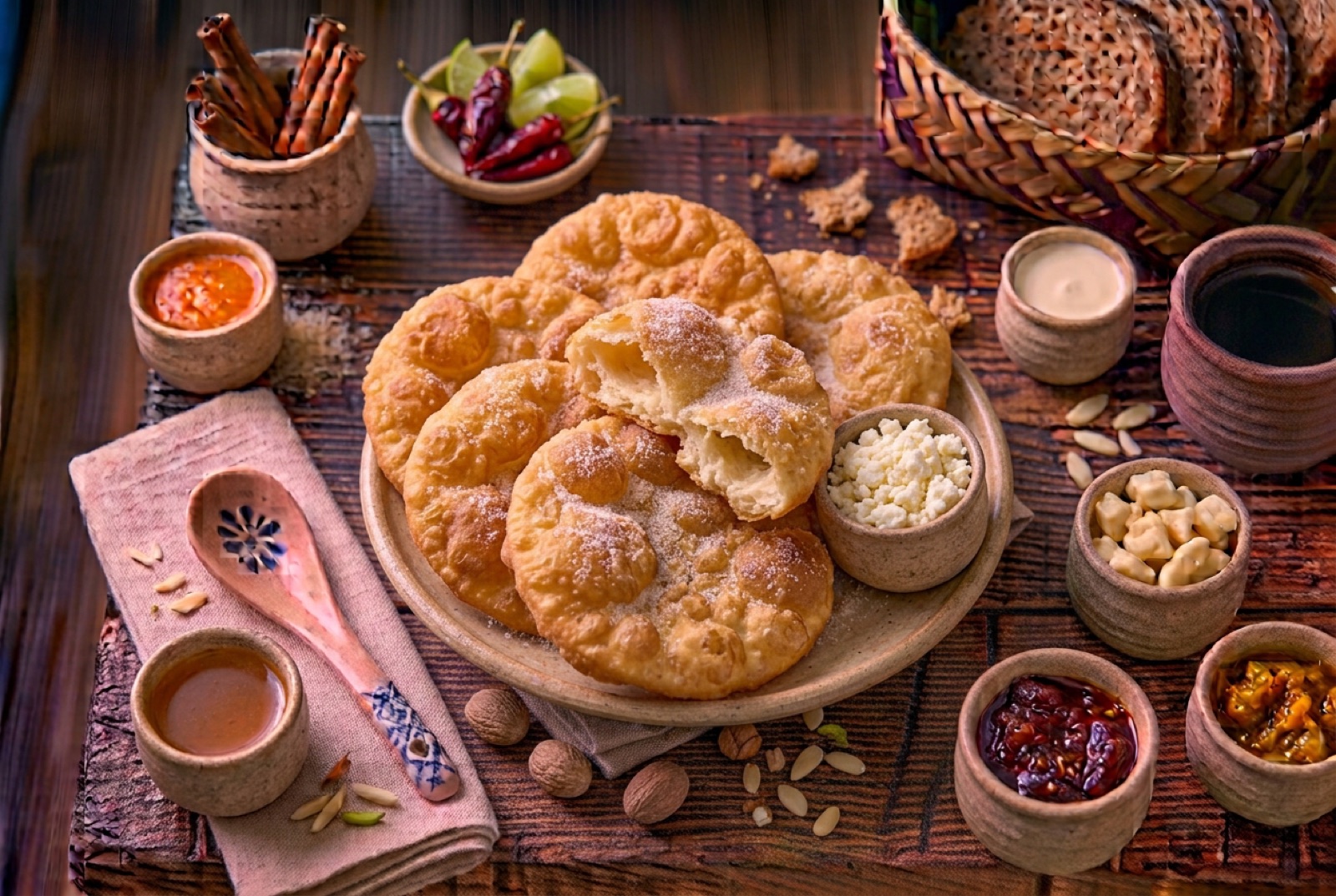
Keep exploring Panama.
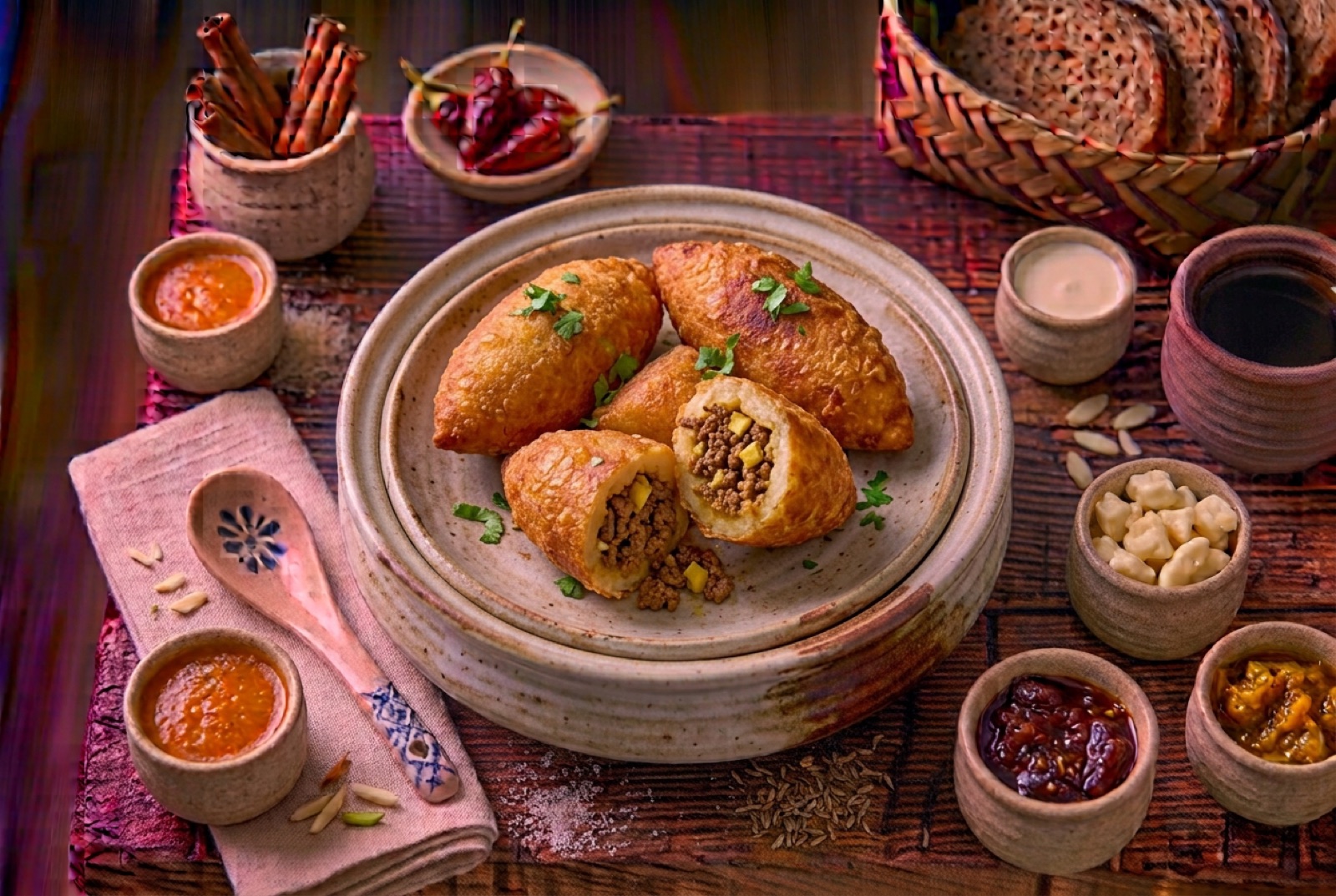
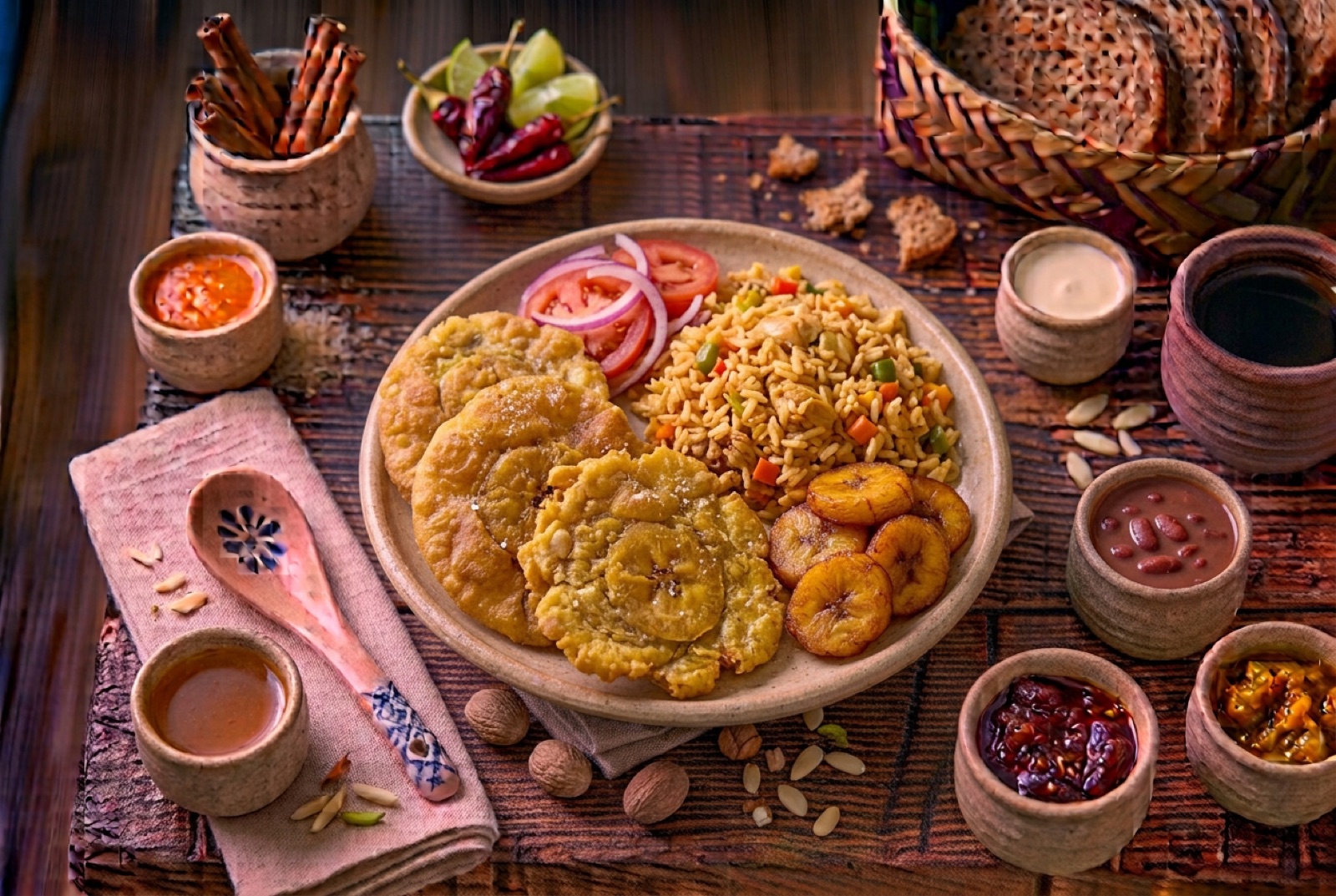
Panama has 9 more dishes in the atlas — Arroz con Guandú y Coco and Carimañolas, and 7 more.
Recipe by The DishRoute Kitchen · published August 21, 2026 · updated August 21, 2026