Provoleta.
Argentine Grilled Provolone with Oregano
Provoleta a la parrilla · say it: proh-voh-LEH-tah
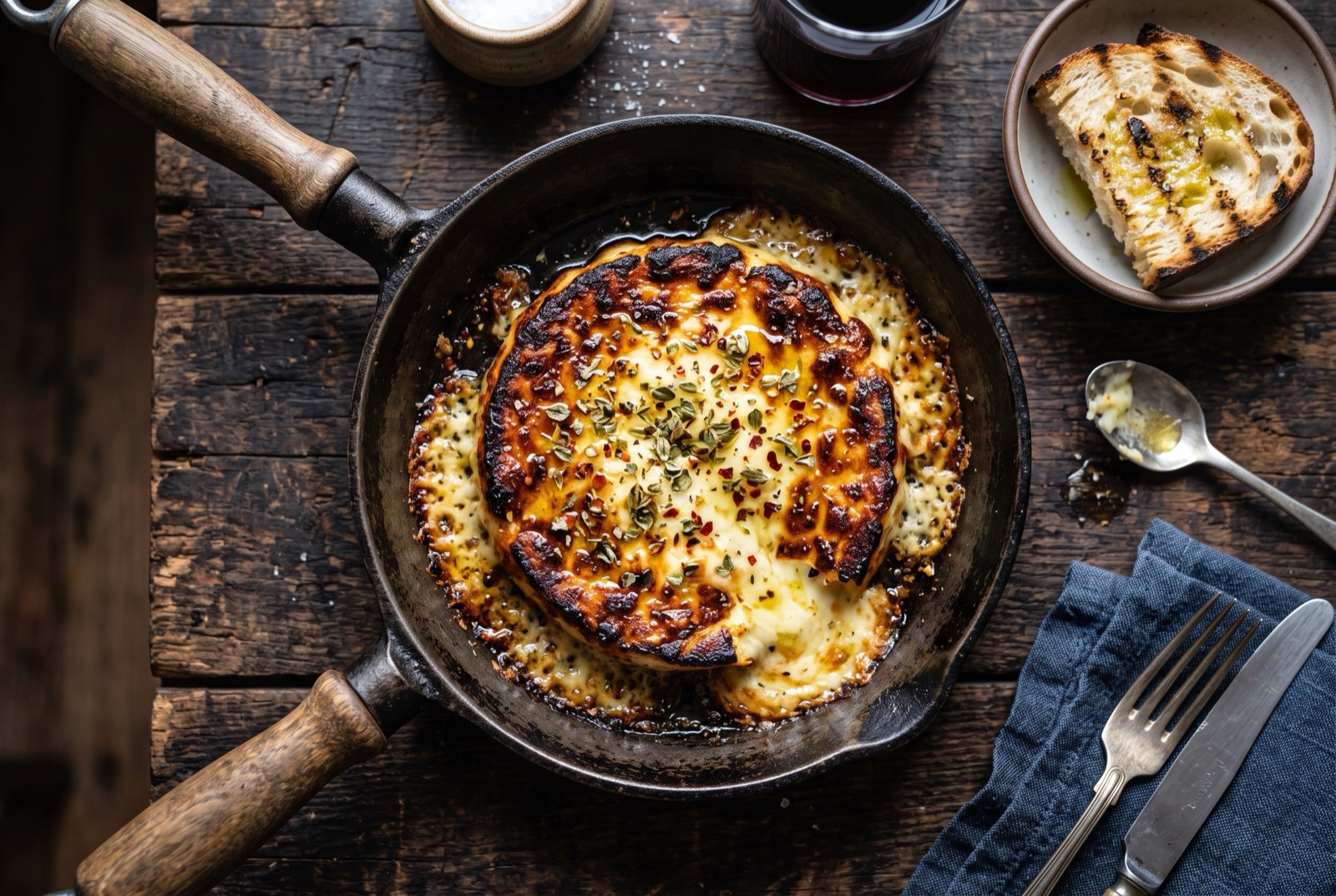
Provoleta is a single thick round of aged provolone cooked over fierce heat until the outside forms a brown, faintly bitter crust and the inside collapses into a molten pool that stretches when you pull a piece away. It is seasoned with dried oregano, chile flakes and olive oil, and eaten scooped straight from the dish onto bread while everyone stands around the grill. Sharp, salty, elastic and slightly smoky, it opens almost every Argentine asado, and the whole thing takes under ten minutes once the cheese is prepared. The preparation is the part people skip, and it is the part that decides whether it works.

- Gate
- ArgentinaBuenos Aires
- Prep
- 10 min
- Cook
- 8 min
- Total time
- 1 hr 18 min incl. 1 hr rest
- Serves
- 4
- Status
- Easy
- Nutrition / serving · estimated
- Calories 480 kcal
- Protein 29 g
- Carbs 3 g
- Fat 40 g
- Sodium 1180 mg
Why this recipe works.
- The overnight drying step is included, which is what stops the cheese running through the grate.
- Works on a grill or in a cast-iron pan indoors, with adjusted timings for each.
- Seasoning is toasted in oil first, so the oregano tastes cooked rather than dusty.
- Tells you what to look for at the edges, since ten seconds too long ruins it.
Ingredients.
6 itemsFor the cheese
To finish
Equipment
- Cast-iron pan or provoletera
- Grill or a hob that gets seriously hot
- Fish slice or wide spatula
Instructions.
Dry the cheese
Cut the provolone into discs 2 cm thick and stand them on a rack, uncovered, in the refrigerator for at least an hour and preferably overnight. The surface should end up dry and slightly waxy to the touch rather than damp or tacky.
Make the dressing
Warm the olive oil in a small pan or at the edge of the grill, take it off the heat and stir in the oregano, chile flakes and a generous grind of black pepper. Leave it to steep while you cook — the herbs will darken slightly and the oil will smell strongly of oregano.
Get the pan properly hot
Set a small cast-iron pan directly over the coals or on a high hob and leave it 4–5 minutes, until a drop of water flicked onto the surface skitters and vanishes instantly. A pan that is merely hot will let the cheese soften and spread before it browns.
Grill the first side
Lay a disc in the dry pan and do not touch it for 2–3 minutes. It is ready to turn when the edges have slumped outwards slightly, the top surface glistens with sweated fat and a spatula slid underneath meets a firm, browned skin instead of dragging.
Tip If it sticks, it is not ready. Give it another 30 seconds and it will release on its own.
Turn and finish
Flip the disc in one confident movement and cook 2 minutes more, until the second side has crusted and the centre bulges softly when you press it. Pull it off the heat while it still holds its round shape rather than waiting for it to go fully liquid.
Dress and serve at once
Spoon the oregano oil over the top so it runs into the cracks, add a squeeze of lemon if you like, and take the pan straight to the table. Tear into it with bread while the cheese still stretches into threads.
Tips from our kitchen.
- Cut the cheese 2 cm thick. Thinner and it melts through before a crust forms; thicker and the centre stays cold and rubbery.
- Dry the discs uncovered on a rack in the fridge for at least an hour, ideally overnight, until the surface feels dry and slightly waxy.
- Use a small cast-iron pan or provoletera rather than the bare grate unless the cheese is genuinely firm — it catches the melt.
- Do not move the cheese once it is down. Let the crust set completely before attempting to turn it, or it tears in half.
- Add the oregano and chile at the end in warm oil, not at the start; dried herbs burn to soot on direct heat in seconds.
- Have the bread cut and everyone standing by before you start. Provoleta is only good in the first three minutes.
Substitutions.
- Argentine provoleta cheese → Aged provolone piccante, cut thick and dried overnight
- Provolone dolce is too young and wet — it slumps rather than crusting. If only dolce is available, dry it for a full 24 hours uncovered in the fridge and cook it in a pan rather than on the grate.
- Provolone entirely → Halloumi, or a firm queso para freír
- Neither melts into a pool the way provolone does, so you get a different dish — a browned, squeaky slab rather than a molten one — but both take the same seasoning well and neither will run away from you.
- Ají molido → Chile flakes or crushed dried red pepper
- The point is a warm, mild pepper note against the salt of the cheese. Anything very hot dominates and turns the dish into a chile dish.
Variations.
- Provoleta con tomate y albahaca
- Finished with chopped fresh tomato and torn basil the moment it leaves the heat, so the residual warmth softens them. The acidity cuts through the fat and it is the most common restaurant version.
- Provoleta al horno
- Baked in the top of a very hot oven, in the dish, for about 8 minutes. The crust is paler and softer than a grilled one but the melt is identical, and it needs no grill at all.
- Provoleta rellena
- Two thinner discs sandwiched with something between them — roasted red pepper, jamón crudo, or a spoon of chimichurri — then grilled as one. Harder to turn, so cook it in a pan.
Storage & reheating.
Provoleta does not keep. Once it cools it sets into a firm, greasy disc and reheating gives you an oily puddle rather than a melt, so cook only as much as will be eaten immediately. The uncooked, dried cheese discs, on the other hand, keep well: wrapped loosely in paper in the fridge they hold for a week and improve as they dry further. Do not freeze them — freezing makes provolone crumbly and it never melts smoothly again.
Serve with
Crusty bread or grilled baguette slices, chimichurri, and whatever is next off the grill.
The story behind Provoleta.
Provoleta is Argentine, not Italian, although its raw material came with Italian immigrants. Provolone in Italy is a pulled-curd cheese usually eaten sliced or melted into cooked dishes, not set on a grill in one piece. In Argentina it was reworked into a firmer, drier, aged product moulded specifically as a thick disc for grilling — sold under that name, in that shape, ready for the parrilla. The word itself is the diminutive form of provolone, and it now refers to the format and the dish more than to the cheese type.
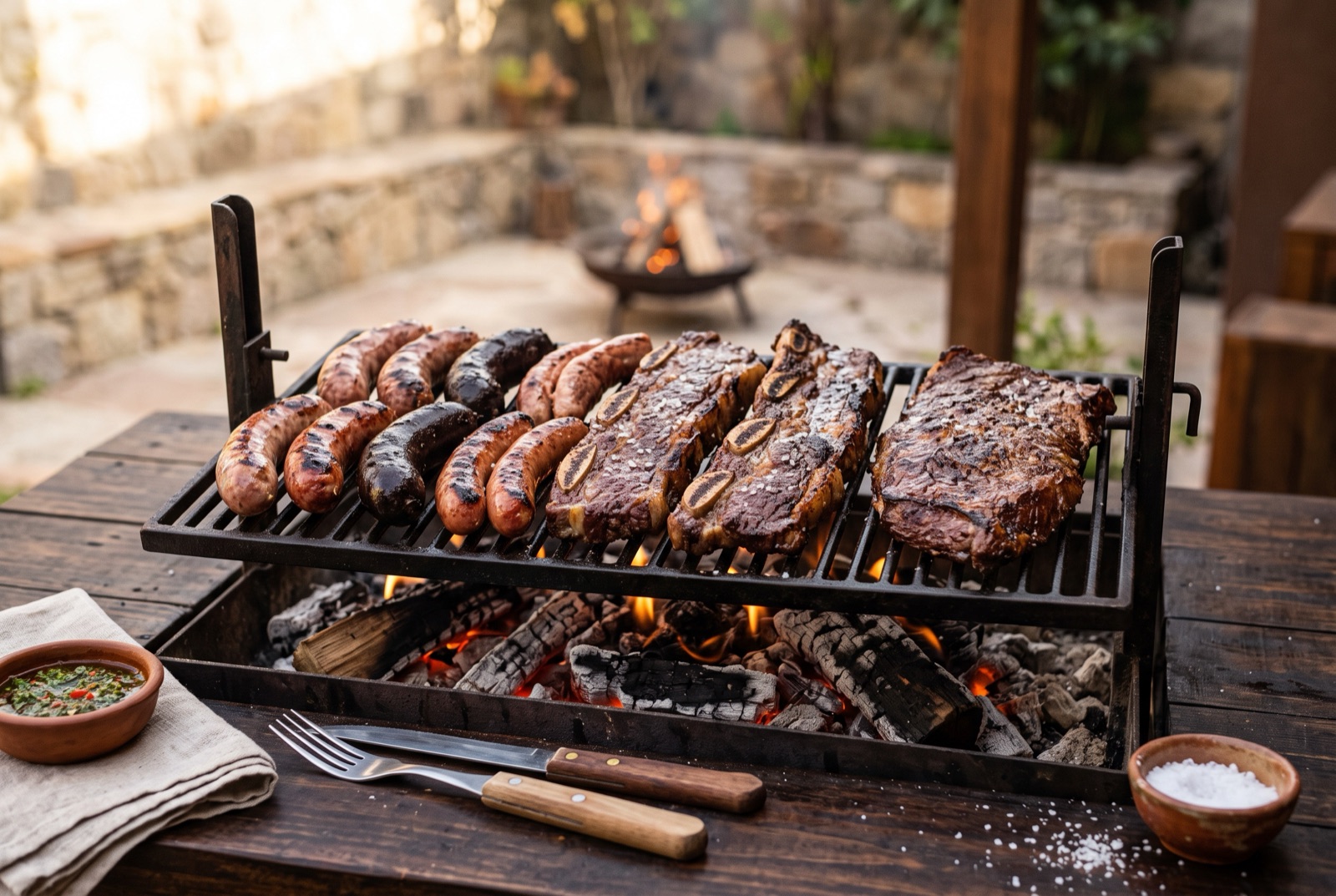
Its place in the meal is fixed. An asado runs for hours, and provoleta belongs to the opening stretch alongside chorizo and sweetbreads, cooked while the beef is still an hour from being ready and the guests need something to eat. It arrives in the small cast-iron dish it was cooked in, still bubbling, and gets torn at communally with bread rather than portioned onto plates. Because it is meatless, it also quietly does the work of a main course for vegetarians at an event otherwise organised entirely around beef.
The technical problem is water. A young, wet cheese hitting a hot grate simply loses its structure and runs through the bars, which is why provoleta cheese is aged and dried and why home cooks who substitute regular provolone dry the slices uncovered in the fridge overnight first. What you are after is a surface dry enough to form a skin the moment it meets heat, so the crust holds the melted interior like a shell. Get that right and a cast-iron pan on a domestic hob produces a genuinely close result — this is one Argentine grill dish that survives the move indoors.
Questions, answered.
What cheese should I use if I cannot find provoleta?
Aged provolone piccante is the closest and widely sold in Italian delis. Buy it in a piece rather than sliced, cut discs about 2 cm thick, and dry them uncovered in the fridge overnight. Avoid provolone dolce, which is too young and wet to hold its shape over heat.
Why did my cheese melt through the grill?
It was too wet, too thin, or both. Provoleta needs a dry surface that skins over instantly on contact with heat, which comes from ageing plus a night uncovered in the fridge. Cooking it in a small cast-iron pan instead of directly on the grate removes the risk entirely.
Can I make provoleta without a barbecue?
Yes. Heat a dry cast-iron pan over high heat until a drop of water skitters across it, cook the disc for about 3 minutes a side, then finish it under a hot oven grill if the centre needs another minute. You lose the smoke but keep the crust and the melt.
When is it served during an asado?
Early, in the first stretch of the meal alongside chorizo and offal, while the beef is still cooking and guests are standing around with a drink. It is not a dessert course or a side dish — it is eaten hot from the pan with bread, an hour or so before the main cuts arrive.
How do I stop it turning into an oily puddle?
Take it off the heat earlier than instinct says. The cheese should still hold its disc shape with a soft, bulging centre rather than being fully liquid, because it carries on melting off the fire. If it has separated into cheese and pooled oil, it has been cooked several minutes too long.
You might also like.
All recipes →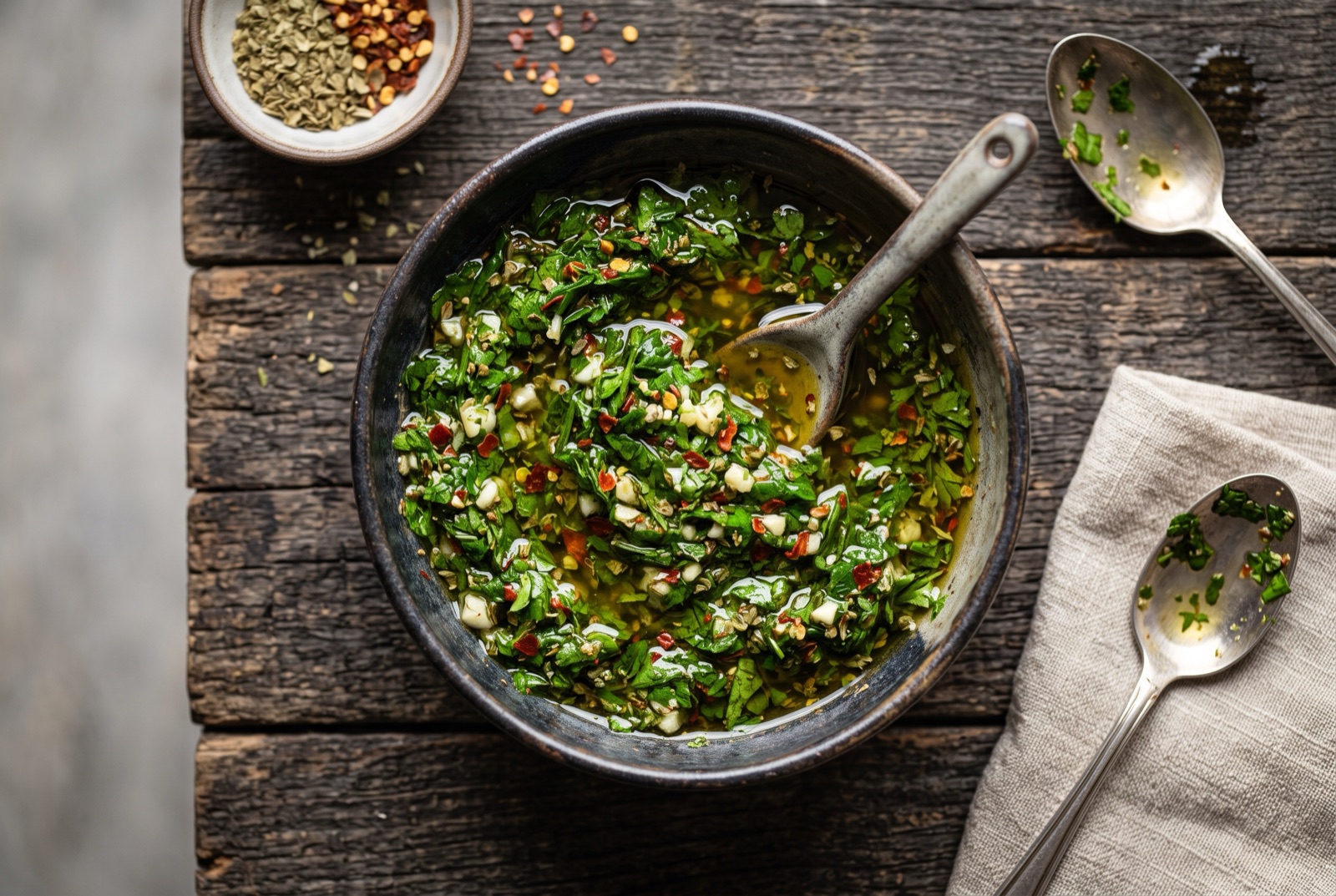
Keep exploring Argentina.
Argentina has 9 more dishes in the atlas — Alfajores de Maicena and Asado, and 7 more.
All Argentina recipes Oregano recipes Olive oil recipes Chili flakes recipes appetizervegetariangluten freeRecipe by The DishRoute Kitchen · published August 20, 2026 · updated August 20, 2026