Italy.
Italia
Italian cooking is less a national cuisine than a federation of fiercely local ones — Italy unified only in 1861, and the kitchens never quite did. A Roman pasta, a Neapolitan pizza and a Sicilian street snack belong to different traditions with different fats, cheeses and habits. What unites them is a philosophy: few ingredients, each one good enough to stand inspection, combined so that nothing hides anything else. A true carbonara has four components; a margherita has five. This restraint is not minimalism for its own sake — it is confidence, built on centuries of farmers, fishermen and home cooks working with what the land in front of them produced. The famous rule of Italian food is that the recipe matters less than the ingredients, and the ingredients matter less than knowing when to stop.

- Continent
- EuropeSouthern Europe
- Recipes in atlas
- 10
- Must-try dishes
- 3
- Pantry staples
- 8
Start with the classics.
Must tryThe dishes that explain the Italy kitchen fastest — if you cook only a few things from this page, cook these.
Inside the Italy kitchen.
The map explains almost everything. Northern Italy is butter, rice, corn and slow braises — risotto in the Po valley, polenta in the mountains, egg pasta rolled thin in Emilia-Romagna, where pigs and cows also give the country its two most exported treasures, Parmigiano-Reggiano and prosciutto di Parma. The south is olive oil, durum wheat, tomatoes and vegetables cooked with Greek and Arab echoes; the coasts eat fish simply, often just grilled with oil and lemon. Rome sits between the two worlds with a pantry of pecorino romano and cured pork jowl, spun into its canon of four pastas: gricia, cacio e pepe, amatriciana and carbonara.
Pasta itself divides into two families that Italians never confuse. Dried pasta (pasta secca) is durum semolina and water, extruded and dried — the everyday backbone of the center and south, always cooked al dente in violently salted water. Fresh egg pasta (pasta all'uovo) is the northern art: tagliatelle, tortellini and lasagne sheets kneaded from soft flour and yolks. The sauce is chosen to match the shape, not the other way round, and the final marriage happens in the pan — pasta is finished in its sauce with a splash of starchy cooking water, a technique that produces the glossy cohesion Italian pasta is famous for.
The meal has an architecture: antipasto, then primo (pasta, soup or risotto), then secondo (meat or fish) with contorni on the side, then fruit or dolce, then espresso — always after dessert, never with it. Almost nobody eats the full sequence daily, but the grammar survives even in a quick lunch. Bread is on every table, not for butter but for fare la scarpetta, wiping the plate clean.
Two more pillars: the bar and the market. The neighborhood bar supplies morning cappuccino and cornetto, midday espresso and the evening aperitivo, where a Campari or a spritz arrives with snacks. The market still sets the menu in much of the country — vegetables are bought for the day, and asking what is good this week is not small talk but the first step of cooking. Seasonality is enforced socially: serving a tomato salad in January invites open pity.
Signature pantry.
8 staplesThe ingredients this cuisine cannot function without.
- extra-virgin olive oil
- durum wheat pasta
- tomatoes (San Marzano)
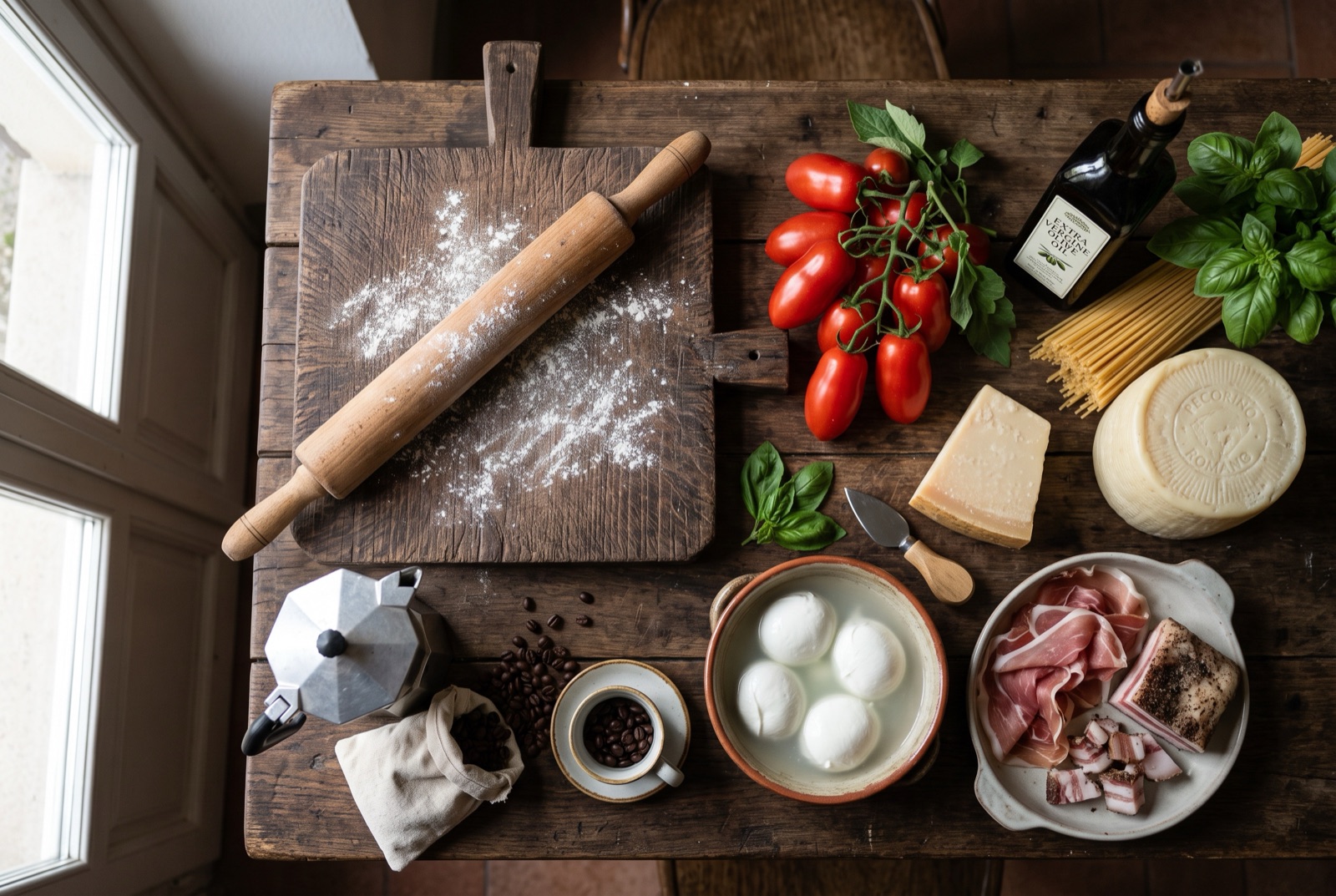
- Parmigiano-Reggiano and pecorino romano
- fresh mozzarella
- basil
- guanciale and prosciutto
- espresso coffee
How people eat in Italy.
Lunch was traditionally the main meal and in the south it can still stretch past two hours; dinner rarely starts before eight. Cappuccino is a breakfast drink — ordering one after 11 a.m., and especially after a meal, marks you instantly as a visitor; after eating, Italians drink espresso. Cheese is not offered on seafood pasta, pasta is a course of its own rather than a side dish, and spaghetti is twirled against the plate, never cut and never aided by a spoon. The aperitivo, an early-evening drink with snacks, is a social institution rather than a happy hour. Sunday lunch with family remains close to sacred, and arguing about whose grandmother made a dish correctly is a national sport played in perfect seriousness.
Regional kitchens.
Italy cooks 4 distinctly different ways depending on where you stand — here is what changes between them.
- R1Lazio (Rome)
- Home of the four canonical Roman pastas — gricia, cacio e pepe, amatriciana and carbonara — built on pecorino romano and guanciale, plus the offal-based quinto quarto cooking of the old slaughterhouse district.
- R2Campania (Naples)
- The birthplace of pizza and the spiritual home of the tomato: wood-fired margherita, mozzarella di bufala, ragù napoletano and the espresso culture that sets the standard for the whole country.
- R3Emilia-Romagna
- Italy's pantry: Parmigiano-Reggiano, prosciutto di Parma, balsamic vinegar of Modena, mortadella, and the hand-rolled egg pasta tradition of tagliatelle al ragù and tortellini in brodo.
- R4Sicily
- A crossroads kitchen with Greek, Arab and Norman layers — arancini, pasta alla Norma, caponata, swordfish and sardines, citrus and pistachios, and a pastry tradition (cannoli, cassata) unmatched in Italy.
All Italy recipes.
10 recipes and counting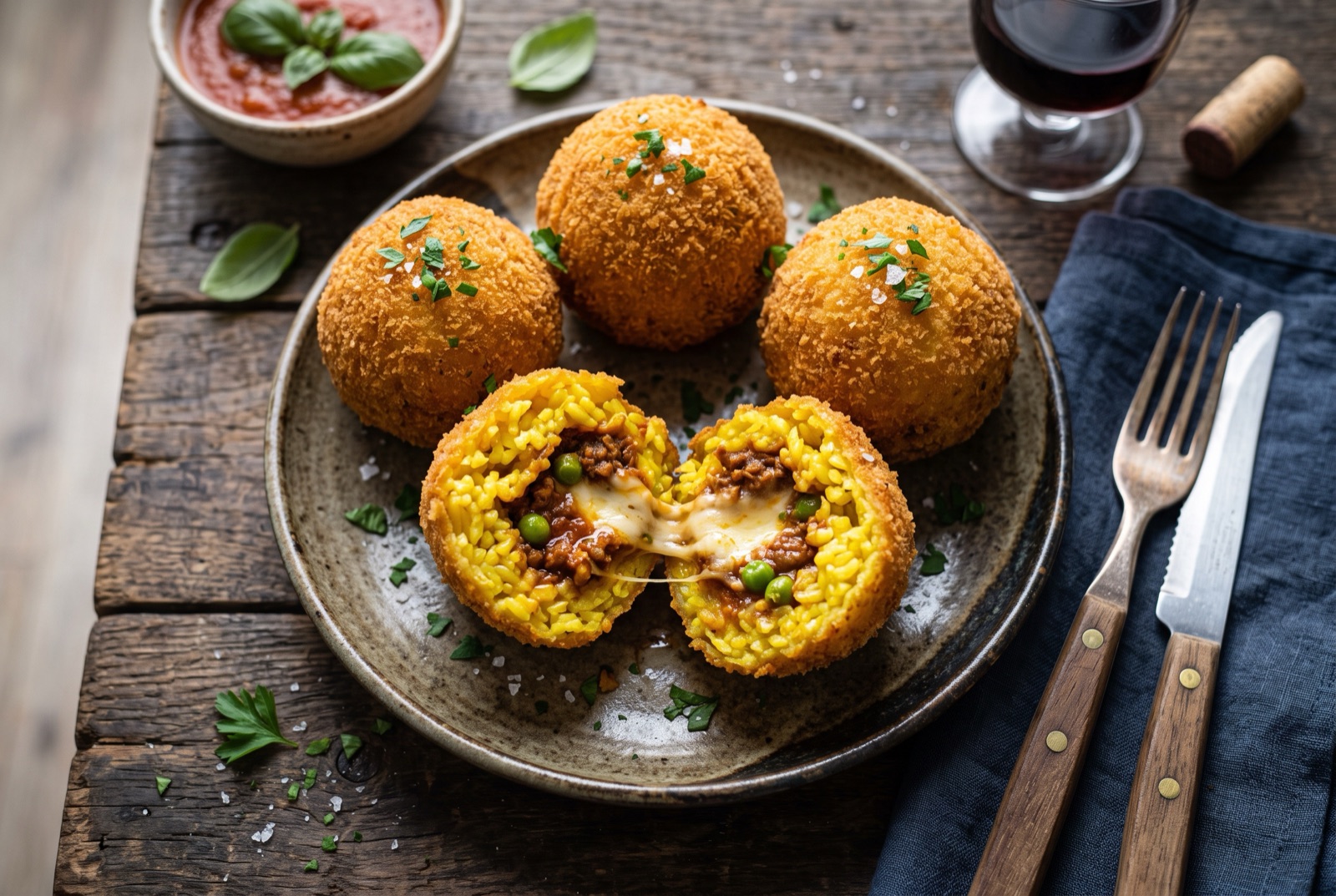
Italy6 hr 10 min
Arancini
Sicilian Fried Stuffed Rice Balls
Italy4 hr 50 min
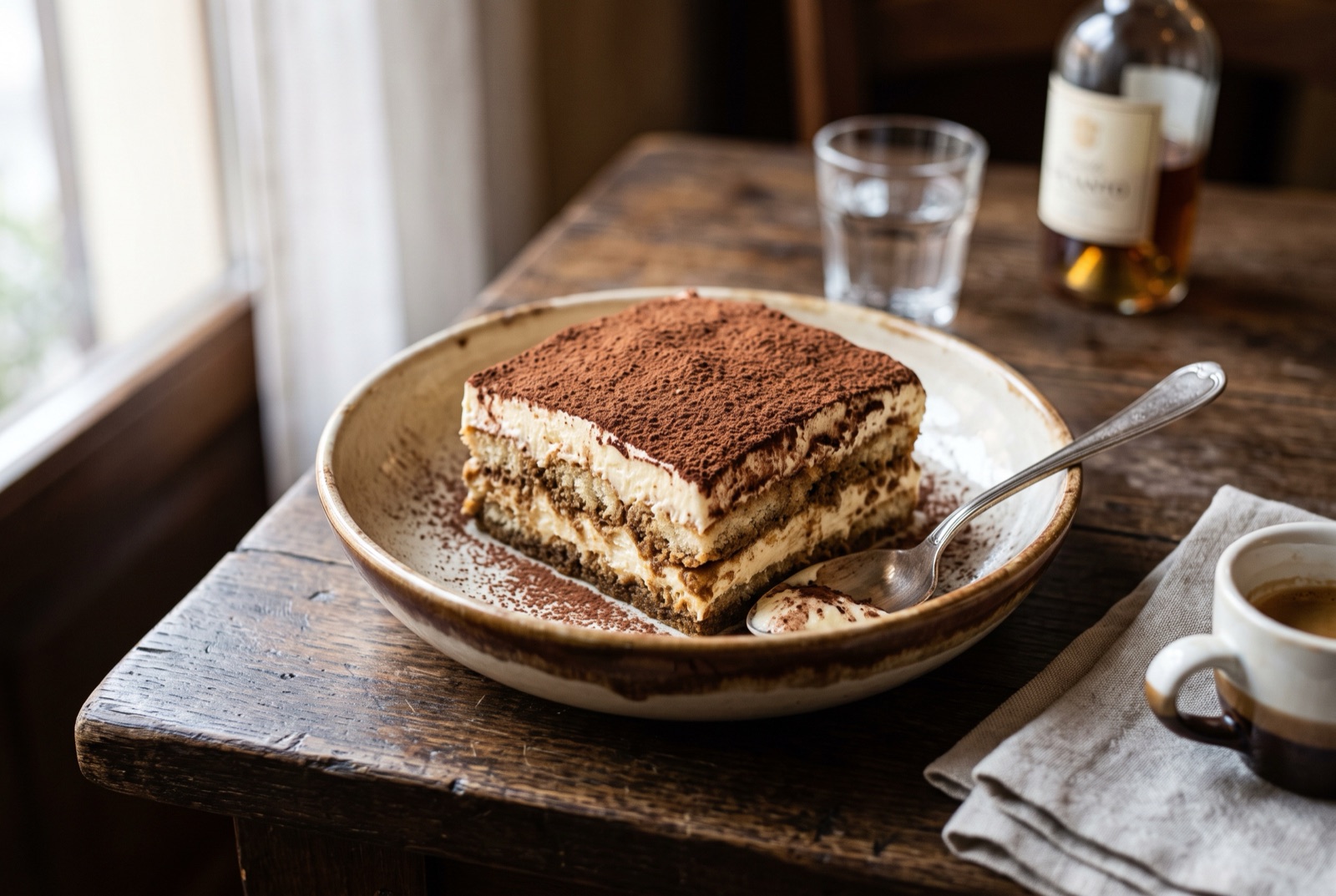
Classic Tiramisu
Italy3 hr 45 min
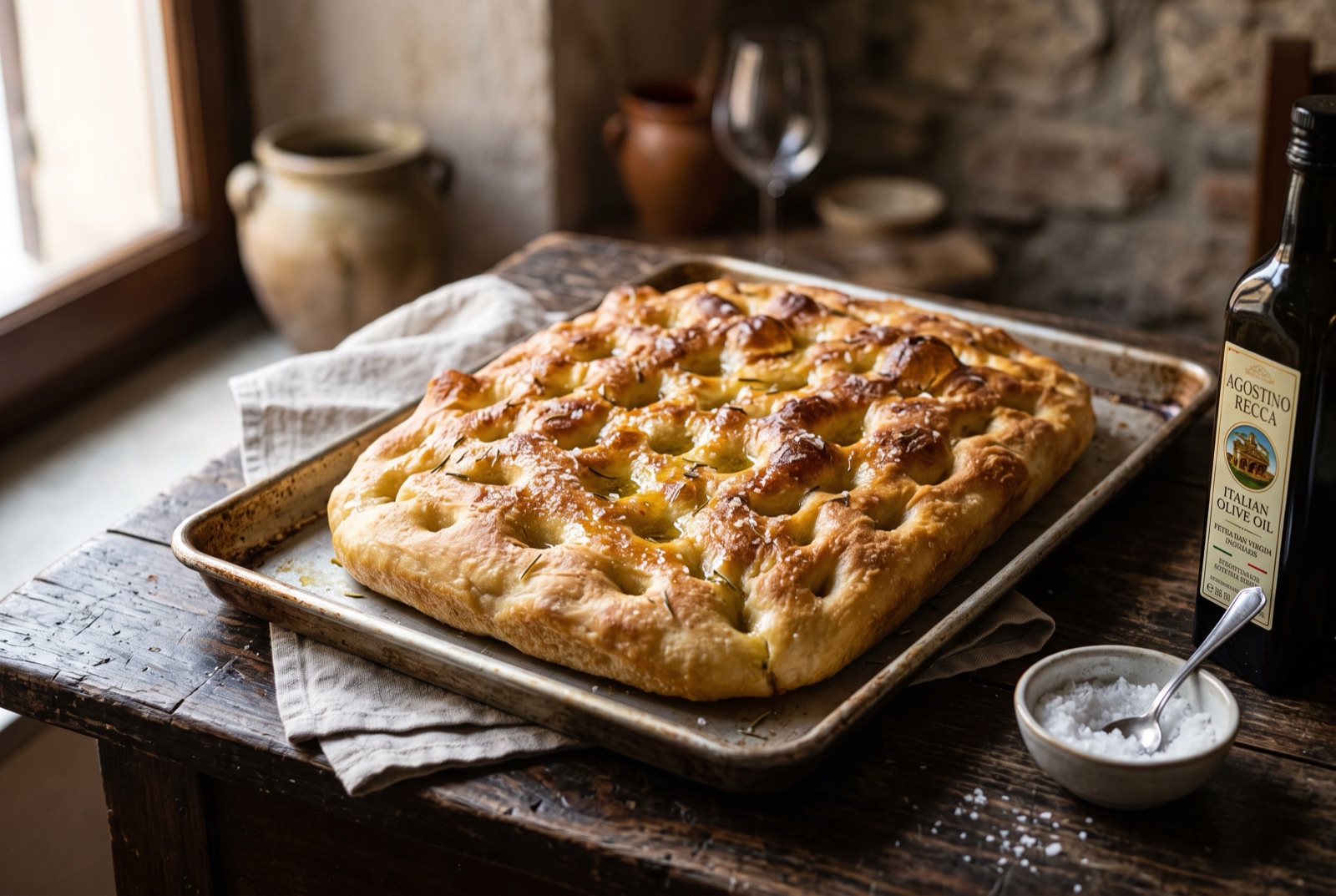
Focaccia Genovese
Dimpled Olive Oil Flatbread
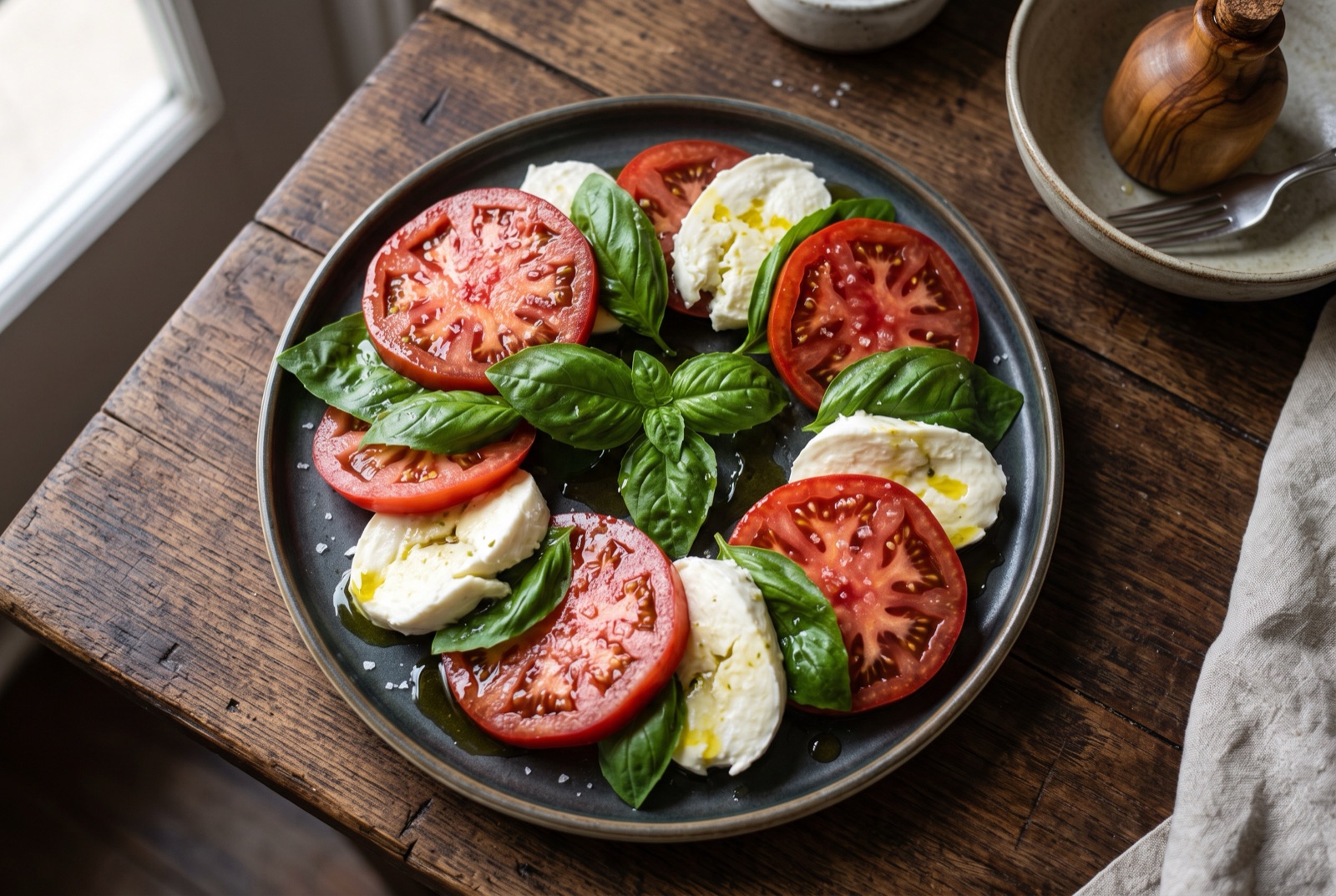
Italy25 min
Insalata Caprese
Tomato, Mozzarella and Basil Salad
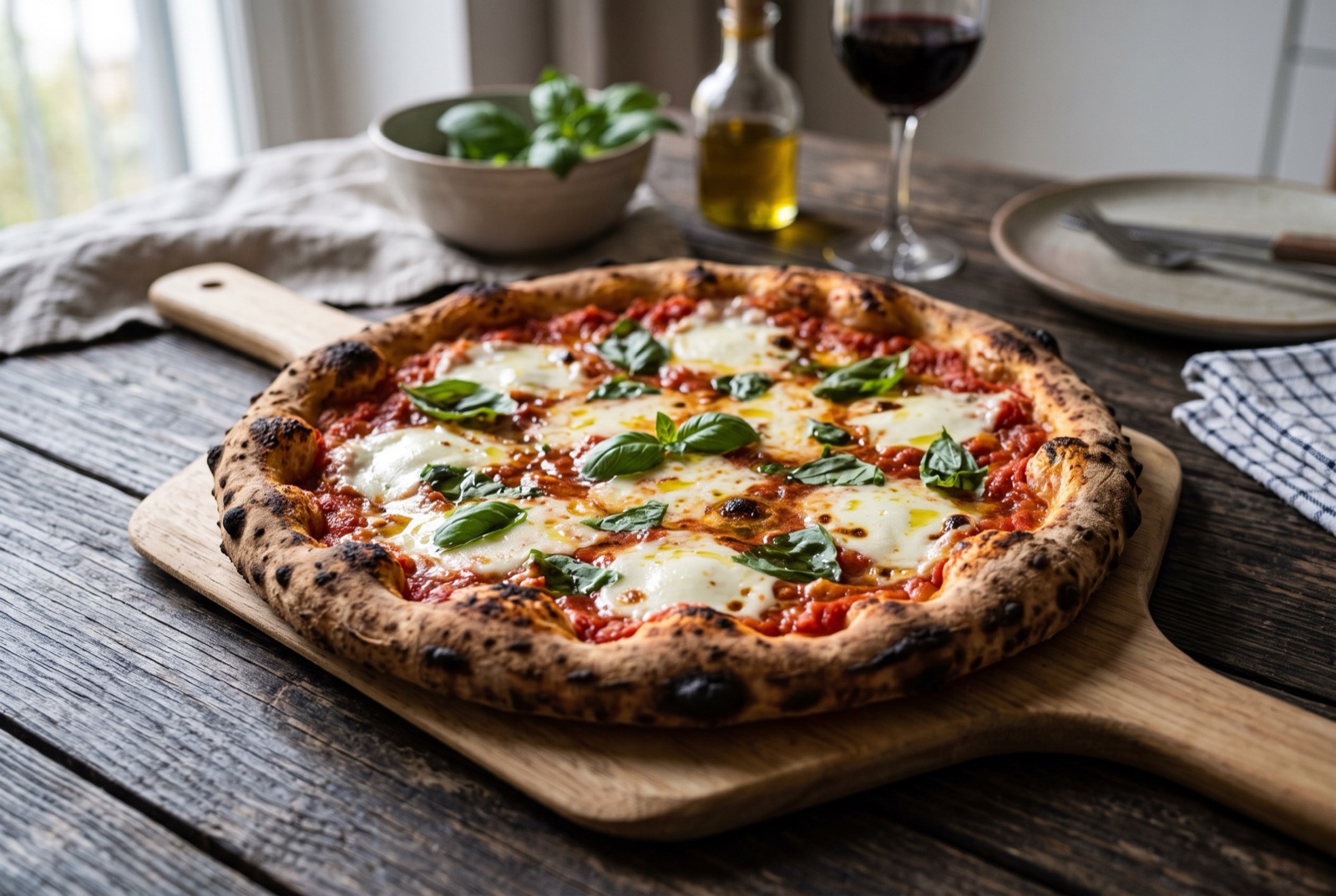
Italy8 hr 55 min
Margherita Pizza
Neapolitan Style in a Home Oven
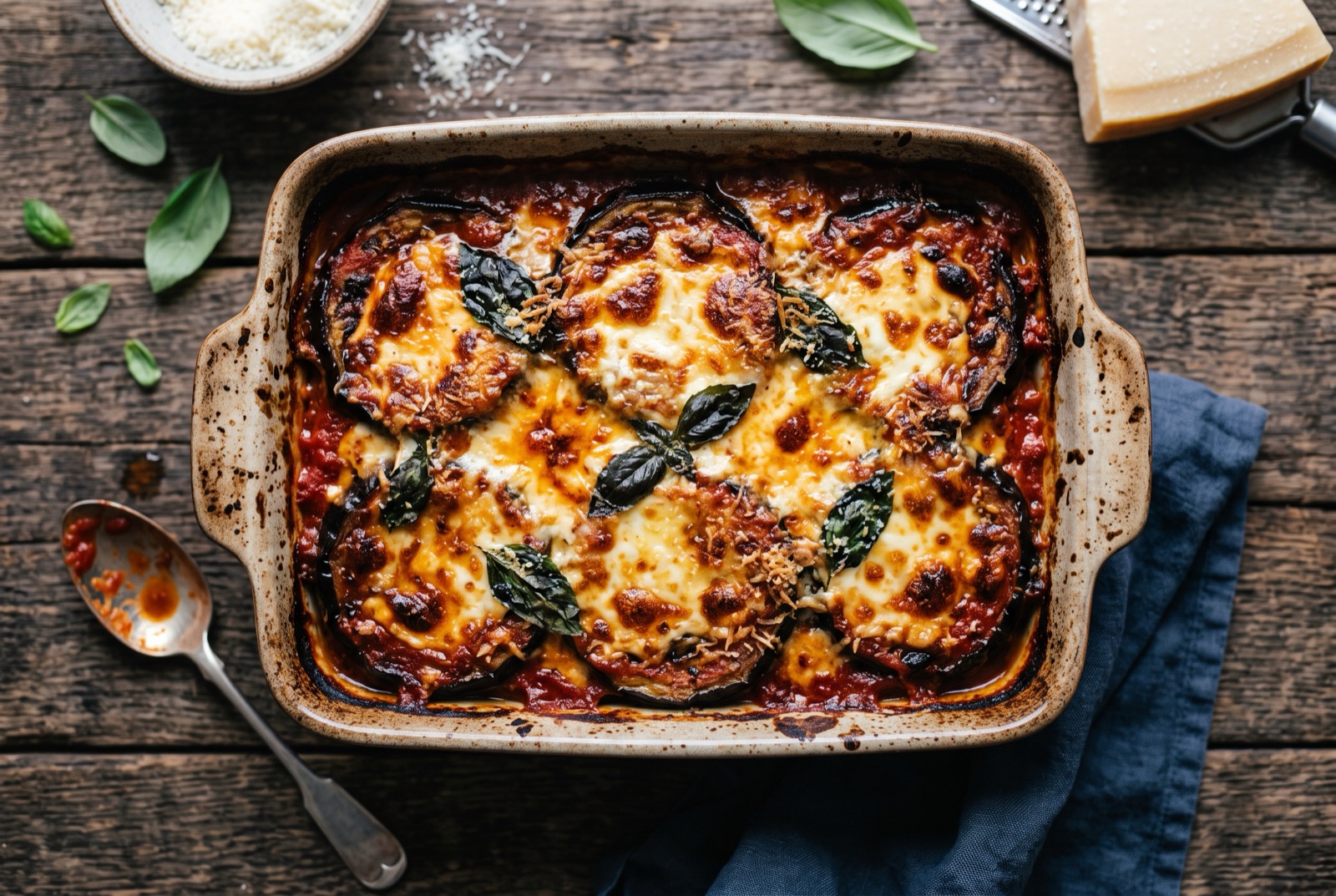
Italy2 hr
Melanzane alla Parmigiana
Baked Aubergine with Tomato and Mozzarella
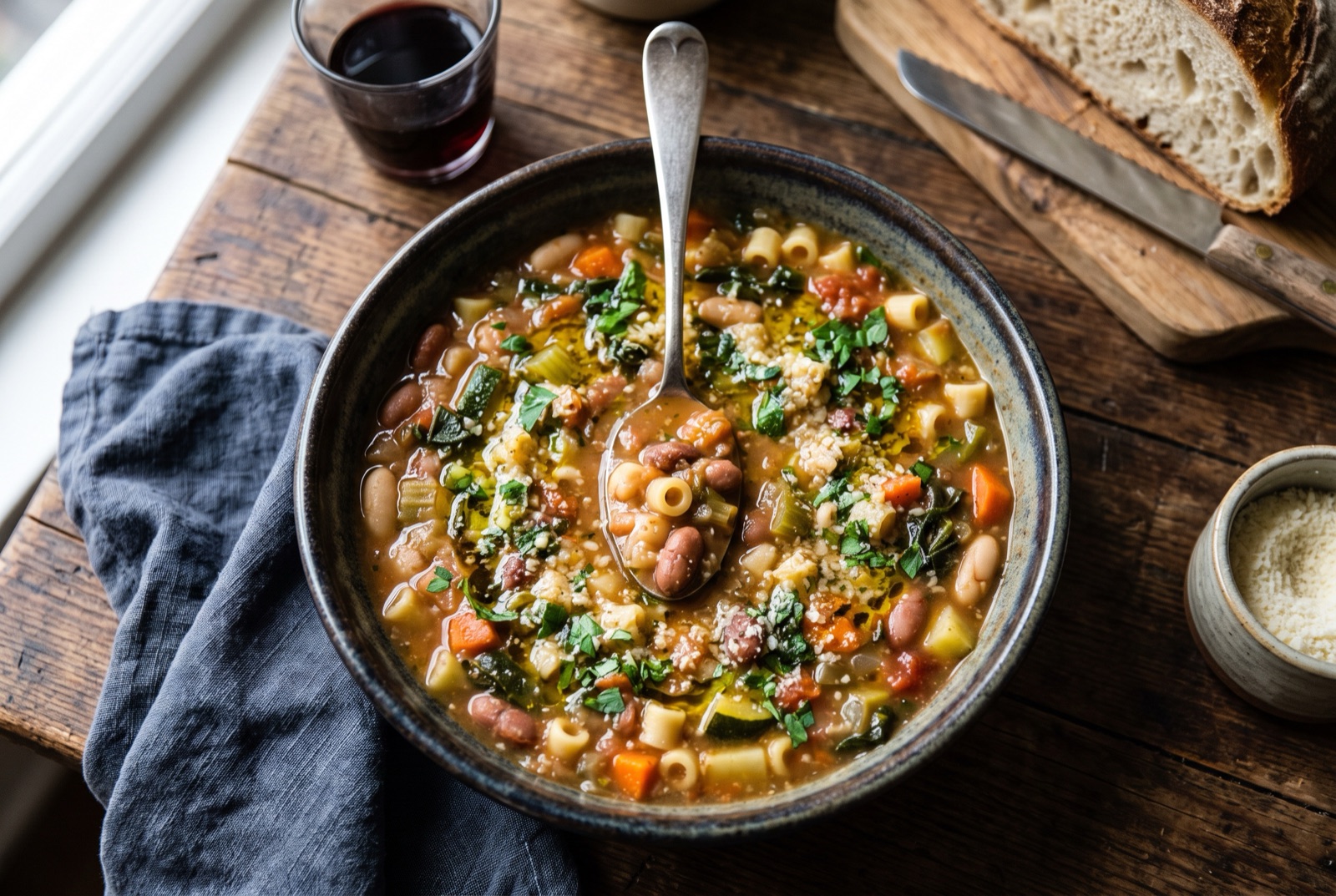
Italy1 hr 25 min
Minestrone
Italian Thick Vegetable and Bean Soup
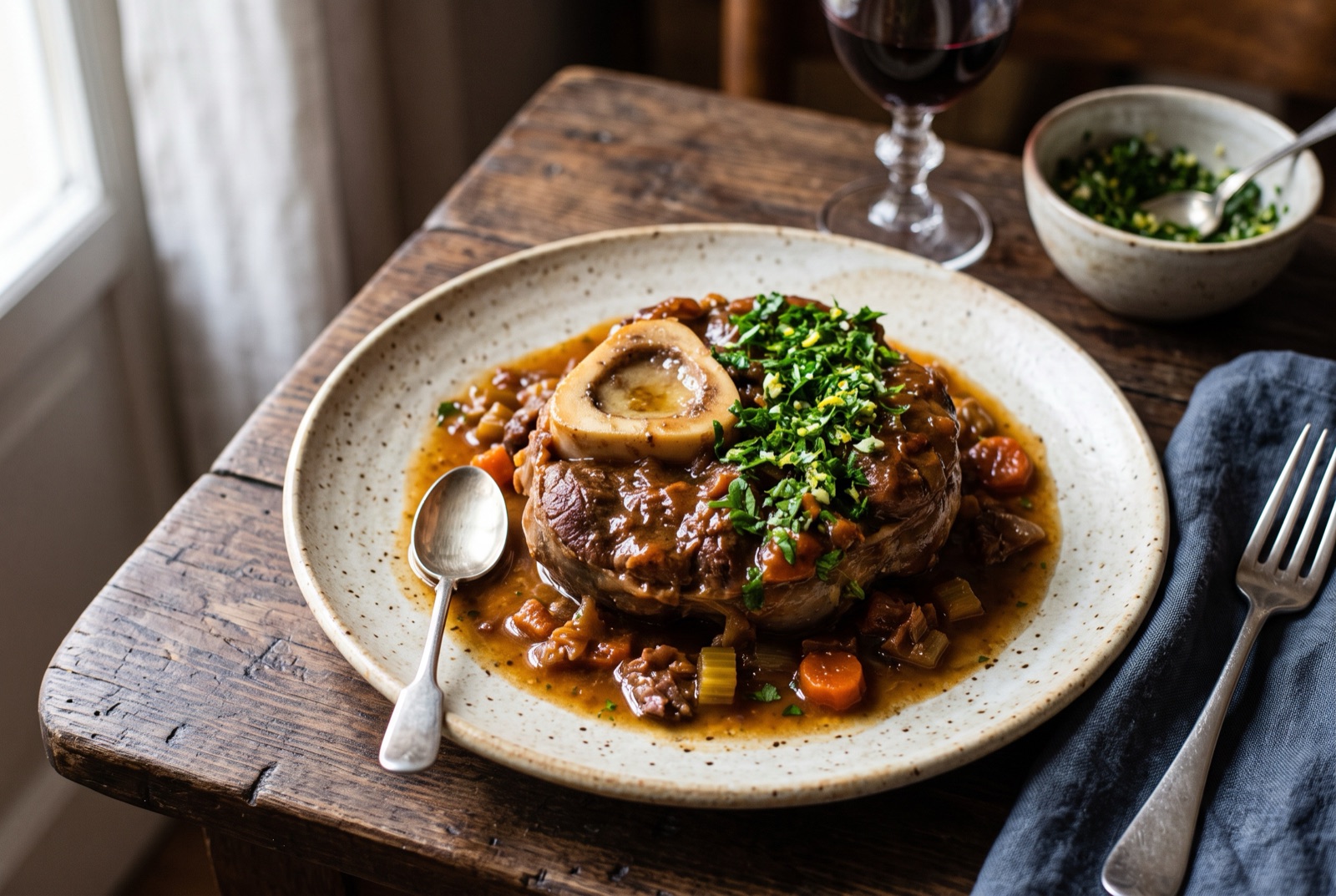
Italy2 hr 50 min
Ossobuco alla Milanese
Braised Veal Shanks with Gremolata
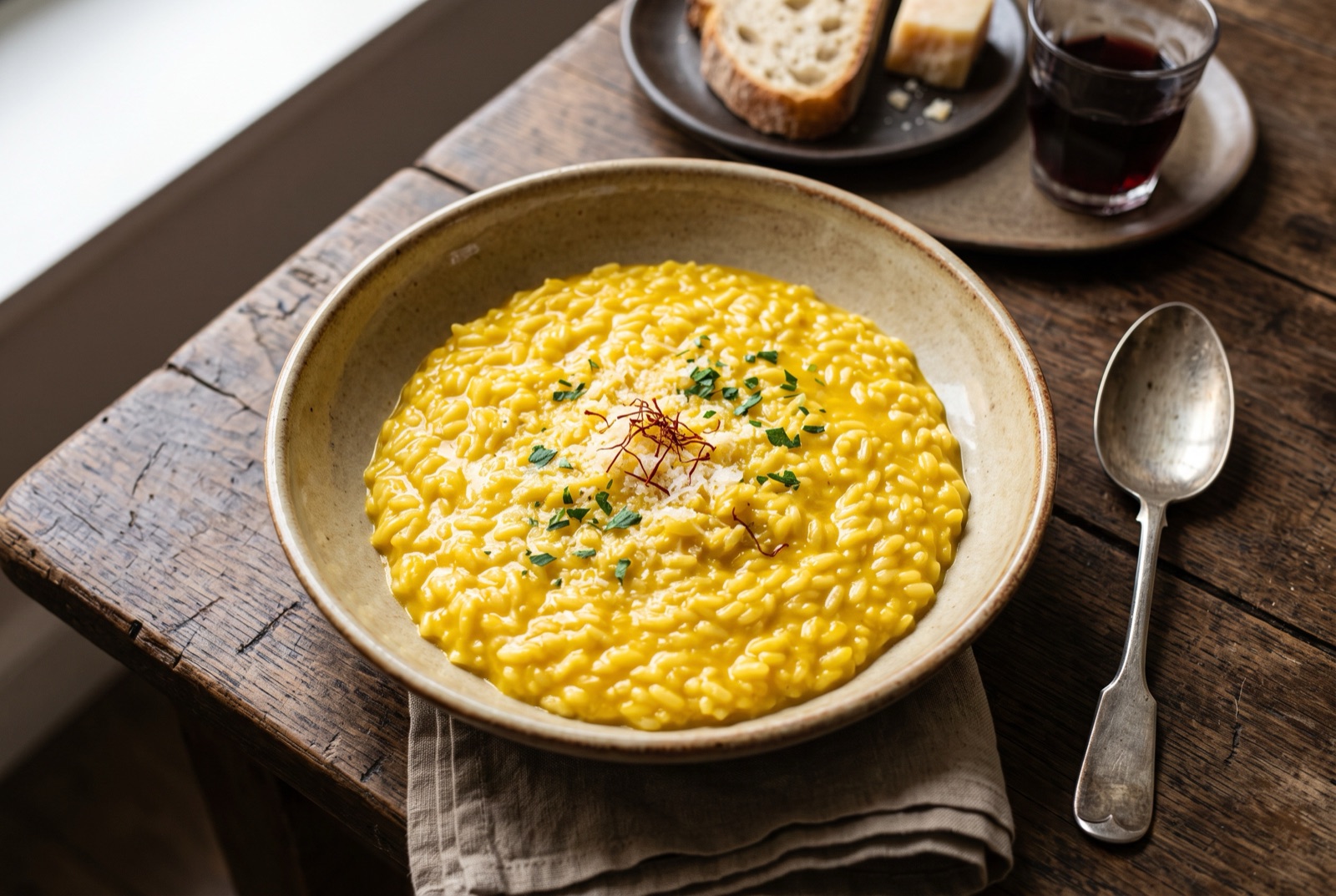
Italy47 min
Risotto alla Milanese
Saffron Risotto from Milan
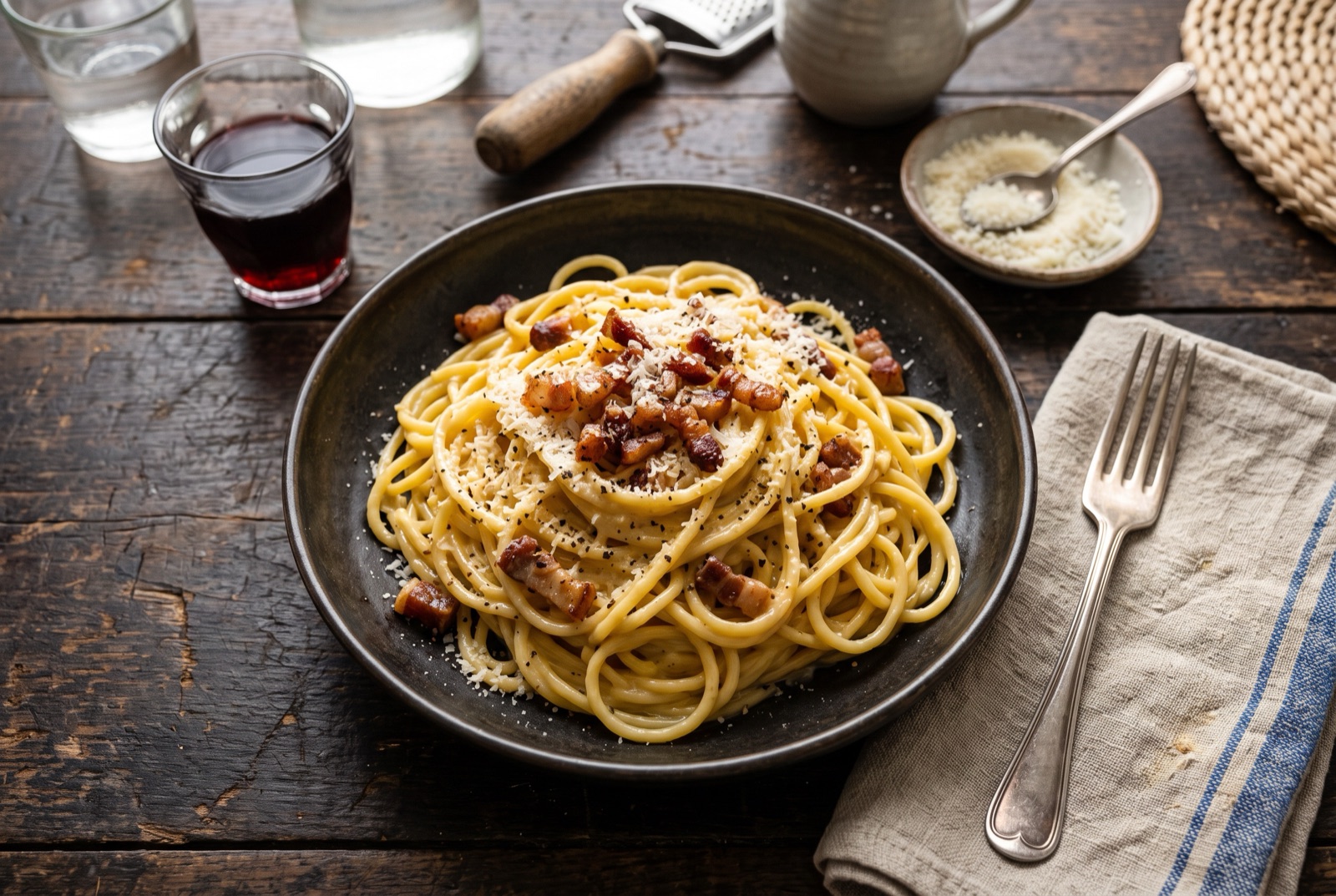
Italy25 min
Spaghetti Carbonara
Roman Guanciale and Egg Pasta
Keep traveling.
Italy sits in Southern Europe, and its kitchen shares borders as well as ingredients with Albania and Austria.
 Albania
 Austria