Classic Tiramisu.
Tiramisù · say it: tee-rah-mee-SOO
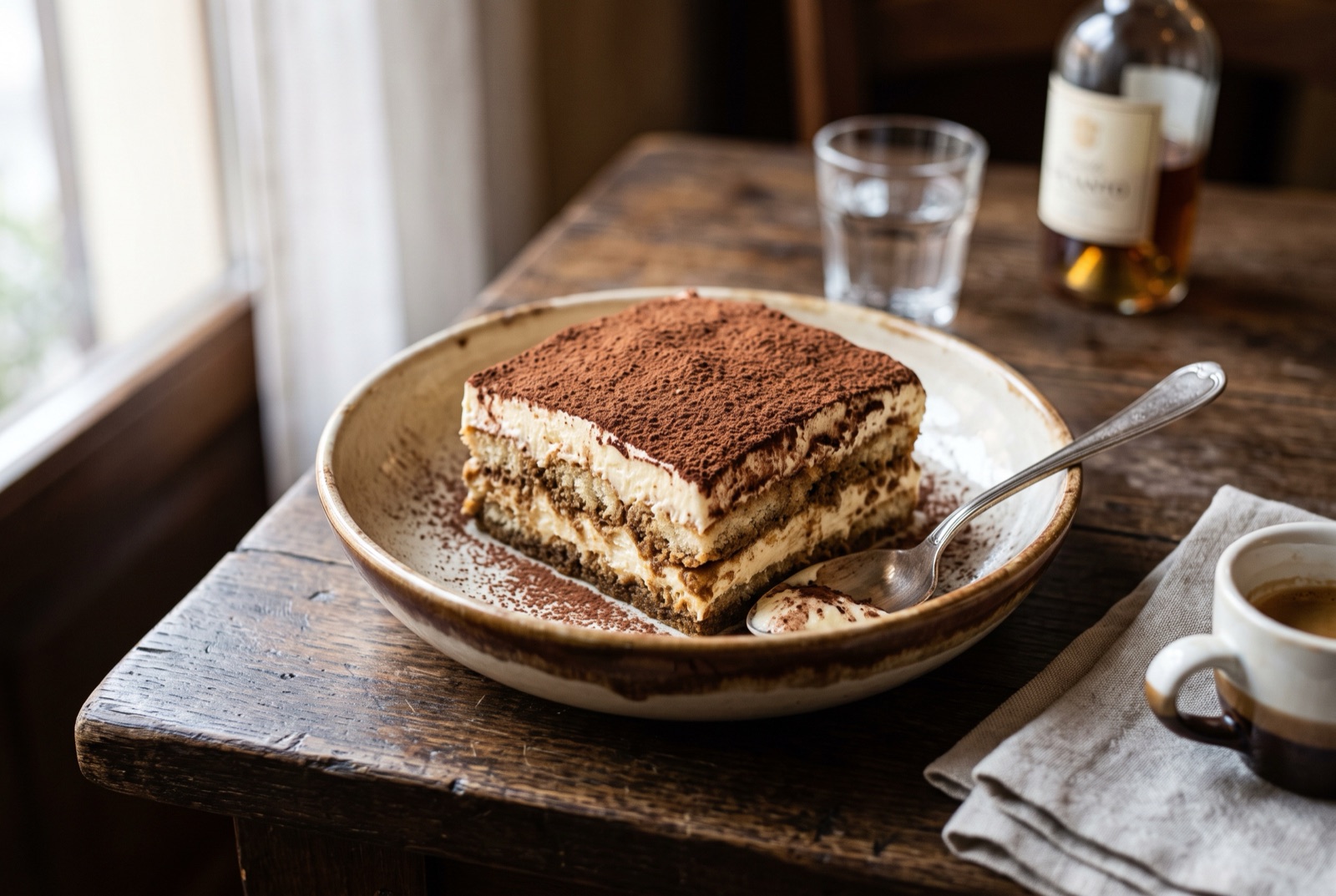
Tiramisu is a layered, no-bake Italian dessert: crisp savoiardi biscuits dipped in strong espresso, stacked between clouds of mascarpone cream, and finished with a thick dusting of bitter cocoa. Done right it is neither soggy nor heavy — the biscuits stay just barely structured, the cream is rich but light, and the coffee and cocoa keep the sweetness in check. This version solves the raw-egg question that hangs over most recipes: the yolks are whisked with sugar over a water bath until warm and thick, then lightened with whipped cream instead of raw whites. You lose nothing in texture and gain a dessert you can serve to anyone. The only hard part is waiting the four hours it needs in the fridge.

- Gate
- ItalyVeneto / Friuli Venezia Giulia
- Prep
- 40 min
- Cook
- 10 min
- Total time
- 4 hr 50 min incl. 4 hr rest
- Serves
- 8
- Status
- Medium
- Nutrition / serving · estimated
- Calories 480 kcal
- Protein 8 g
- Carbs 38 g
- Fat 33 g
- Sugar 24 g
Why this recipe works.
- Yolks are cooked to safety over a water bath — no raw eggs, no compromise on the custard flavor.
- Whipped cream instead of raw whites gives a stable cream that slices cleanly the next day.
- A one-second dip rule keeps the savoiardi tender but intact, never waterlogged.
- No oven, no special equipment — the fridge does the finishing work overnight.
Ingredients.
8 itemsFor the cream
For the layers
Equipment
- Large bowl set over a saucepan (water bath)
- Electric whisk or stand mixer
- 20 x 30 cm dish
- Fine sieve for the cocoa
Instructions.
Brew and cool the coffee
Brew the espresso, stir in the marsala if using, and pour it into a shallow dish to cool completely. It must be fully cold before any biscuit touches it — warm coffee dissolves the savoiardi surface.
Cook the yolk base
Whisk the 4 egg yolks with the sugar in a heatproof bowl set over barely simmering water, whisking constantly for 5–8 minutes until the mixture is pale, thick and leaves a slowly dissolving ribbon, and feels clearly warm to the touch. Take it off the heat and whisk another minute to cool slightly.
Tip The bowl must not touch the water below — gentle steam heat, or you will scramble the yolks.
Fold in the mascarpone
Add the mascarpone to the warm yolk base in three additions, folding with a spatula just until smooth and no streaks remain. Stop as soon as it is uniform — overworking makes it grainy.
Whip and fold the cream
Whip the cold cream to soft-stiff peaks — it should hold its shape but the tip should still bend over. Fold it into the mascarpone mixture in two additions until the cream is light, glossy and holds a soft mound on the spatula.
Dip and layer
Dip each savoiardo in the cold coffee for about one second per side — it should be coated but still firm in the middle — and lay it in the dish. Cover the first biscuit layer with half the cream, repeat with the remaining biscuits, and finish with the rest of the cream smoothed flat.
Tip Count "one" out loud per side. If a biscuit bends when you lift it, it has soaked too long.
Chill until set
Cover the dish and refrigerate for at least 4 hours, ideally overnight, until the cream is set and a spoon leaves a clean-edged cut and the biscuits have softened to a tender, cake-like layer.
Dust and serve
Just before serving, dust the whole surface generously with cocoa through a fine sieve until no white shows. Cut with a knife wiped clean between slices and serve cold.
Tips from our kitchen.
- Dip each savoiardo for about one second per side — in and out. The biscuit keeps drinking coffee as the tiramisu rests, and a long soak turns the base to sludge.
- Use real brewed espresso or strong moka coffee, cooled completely. Hot coffee melts the biscuit surface and instant coffee tastes flat against the mascarpone.
- Take the mascarpone out of the fridge 30 minutes ahead and fold it in gently. Over-beating cold mascarpone can make the cream grainy and loose.
- The water bath step is done when the yolk mixture is thick, pale and leaves a ribbon — and feels distinctly warm, not hot, to a clean fingertip.
- Dust the cocoa just before serving, not before chilling — cocoa applied too early absorbs moisture and turns to a damp skin.
- It is better on day two. If you can make it the evening before, do.
Substitutions.
- Mascarpone → Full-fat cream cheese beaten with 2 tbsp cream
- Works structurally but tastes tangier and less delicate. Mascarpone is worth the extra cost here — it is the dessert.
- Savoiardi (ladyfingers) → Pavesini or dry sponge biscuits
- Anything soft and cake-like will collapse. The biscuit must start crisp and dry.
- Marsala → Dark rum, amaretto, or simply nothing
- Alcohol-free tiramisu is completely traditional in many Italian homes — just add it to the coffee if using.
Variations.
- Tiramisu with beaten whites
- The older style: pasteurized egg whites whipped and folded in instead of cream. Airier, slightly less stable, and closer to what Treviso restaurants served.
- Single-serve glasses
- Layer the same components in tumblers or jars — faster to set, easy to transport, and every portion gets perfect edges.
- Limoncello tiramisu
- A southern-Italian riff: lemon syrup instead of espresso, lemon curd rippled through the cream, no cocoa. A different dessert wearing the same clothes.
Storage & reheating.
Covered in the fridge, tiramisu keeps 3 days and genuinely improves through day two. Do not leave it at room temperature for more than an hour. It also freezes surprisingly well for up to a month — freeze before the cocoa dusting, thaw overnight in the fridge, and dust just before serving.
Serve with
A small espresso or a glass of dessert wine — nothing else, it is complete on its own.
The story behind Classic Tiramisu.
Tiramisu is young by Italian standards — no Renaissance banquet, no medieval manuscript. Nearly every serious account places its birth in the country's northeast sometime in the 1960s or early 1970s, and there the agreement ends. The best-known claim belongs to Le Beccherie, a restaurant in Treviso in the Veneto, where the dessert is said to have been worked out around 1970 by pastry cook Roberto Linguanotto together with the owner's family, appearing on the menu as "tiramesù." The neighboring region of Friuli Venezia Giulia disagrees, pointing to earlier "tirime su" desserts served in its own restaurants around Pieris and Tolmezzo — and in 2017 Friuli even had tiramisu added to its official register of traditional regional products, which went over in Veneto about as well as you would expect. The honest summary is that the origin is contested, the contest is still running, and both regions have plausible cases.
What nobody disputes is why it spread so fast. The name means "pick me up," a nod to the espresso and sugar, and the dessert asks for no oven, no pastry skill, and no ingredient a northern Italian pantry didn't already hold: mascarpone from Lombardy's dairy tradition, savoiardi biscuits that had been around for centuries, coffee, eggs, cocoa. Restaurants across Italy adopted it through the 1980s, emigrant restaurateurs carried it abroad, and by the 1990s it was probably the most recognized Italian dessert in the world.
At home in Italy it remains a family argument in dessert form: marsala or no alcohol, whipped cream or beaten whites, how long to dip the biscuit. Everyone's mother does it correctly and everyone else's does not. This recipe takes a defensible middle path and, on the raw-egg question, the cautious one.
Questions, answered.
Is it safe to eat tiramisu with raw eggs?
Traditional tiramisu uses raw yolks and often raw whipped whites, which carries a small salmonella risk — a real concern for pregnant women, young children, the elderly and anyone immunocompromised. The fix is simple: whisk the yolks with sugar over a gently simmering water bath until thick and warm (about 70°C), as this recipe does, or buy pasteurized eggs. The flavor is unchanged.
What does "tiramisu" mean?
It is Italian (originally Veneto dialect, "tiramesù") for "pick me up" or "lift me up" — a reference to the jolt of espresso and sugar in a dessert built around coffee. The name is first documented on restaurant menus in northeastern Italy in the early 1970s.
Where was tiramisu invented?
It is genuinely contested. Treviso, in the Veneto, credits the restaurant Le Beccherie around 1970; Friuli Venezia Giulia points to earlier layered "pick-me-up" desserts in its own restaurants and won official recognition of tiramisu as a regional traditional product in 2017. Both cases are plausible, food historians disagree, and the two regions still argue about it.
Why did my tiramisu turn out watery?
Almost always one of three things: the savoiardi were soaked too long instead of dipped for a second, the cream was under-whipped so it could not hold the coffee moisture, or the mascarpone was beaten so hard it broke and loosened. Quick dips, softly stiff cream, and gentle folding prevent all three.
Can I make tiramisu without alcohol?
Yes, and many Italian households always do — marsala or rum is an optional flavoring, not a structural ingredient. Simply leave it out of the coffee. If you want some of that depth without alcohol, a few drops of vanilla or a pinch of cocoa stirred into the espresso works well.
You might also like.
All recipes →
Keep exploring Italy.
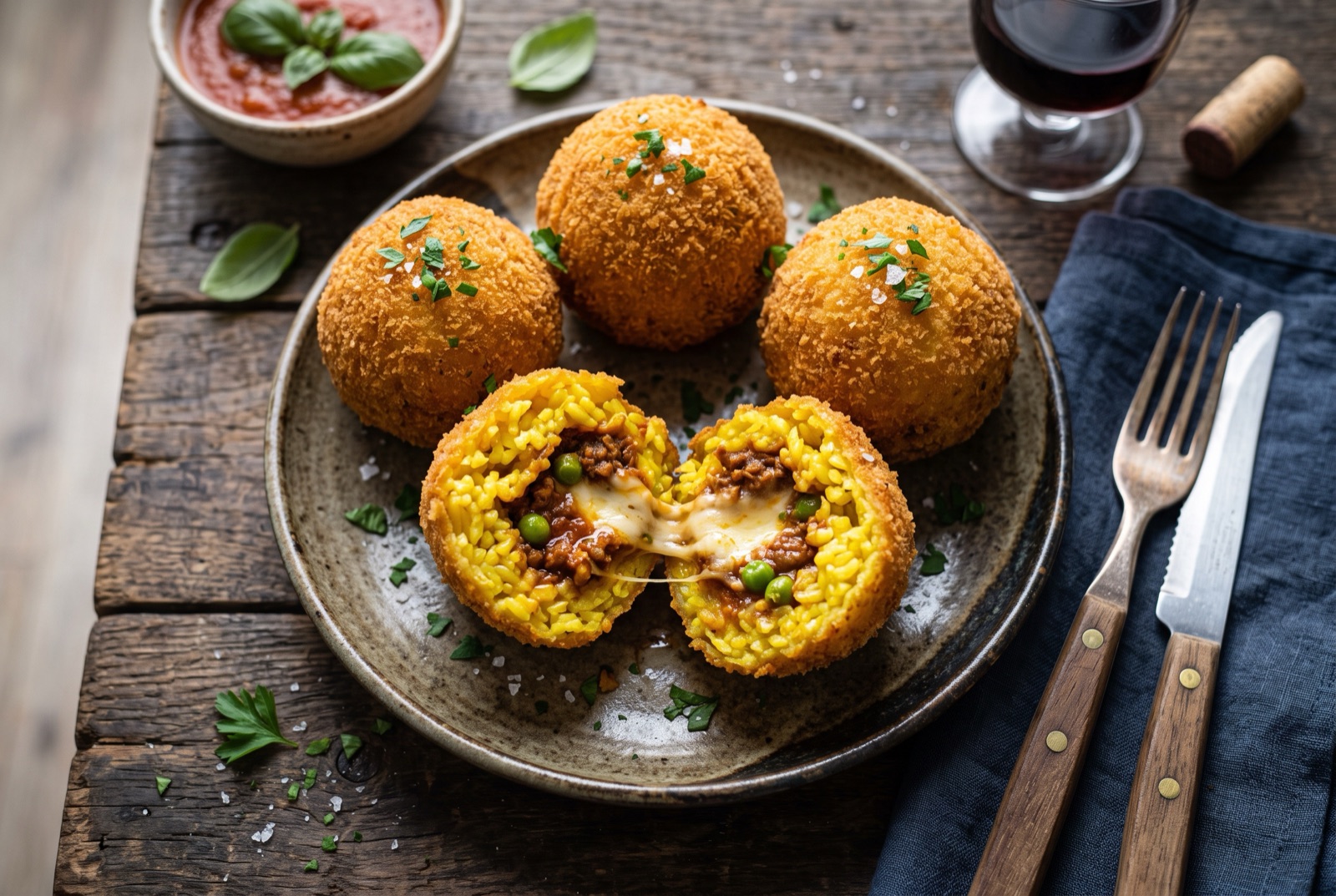
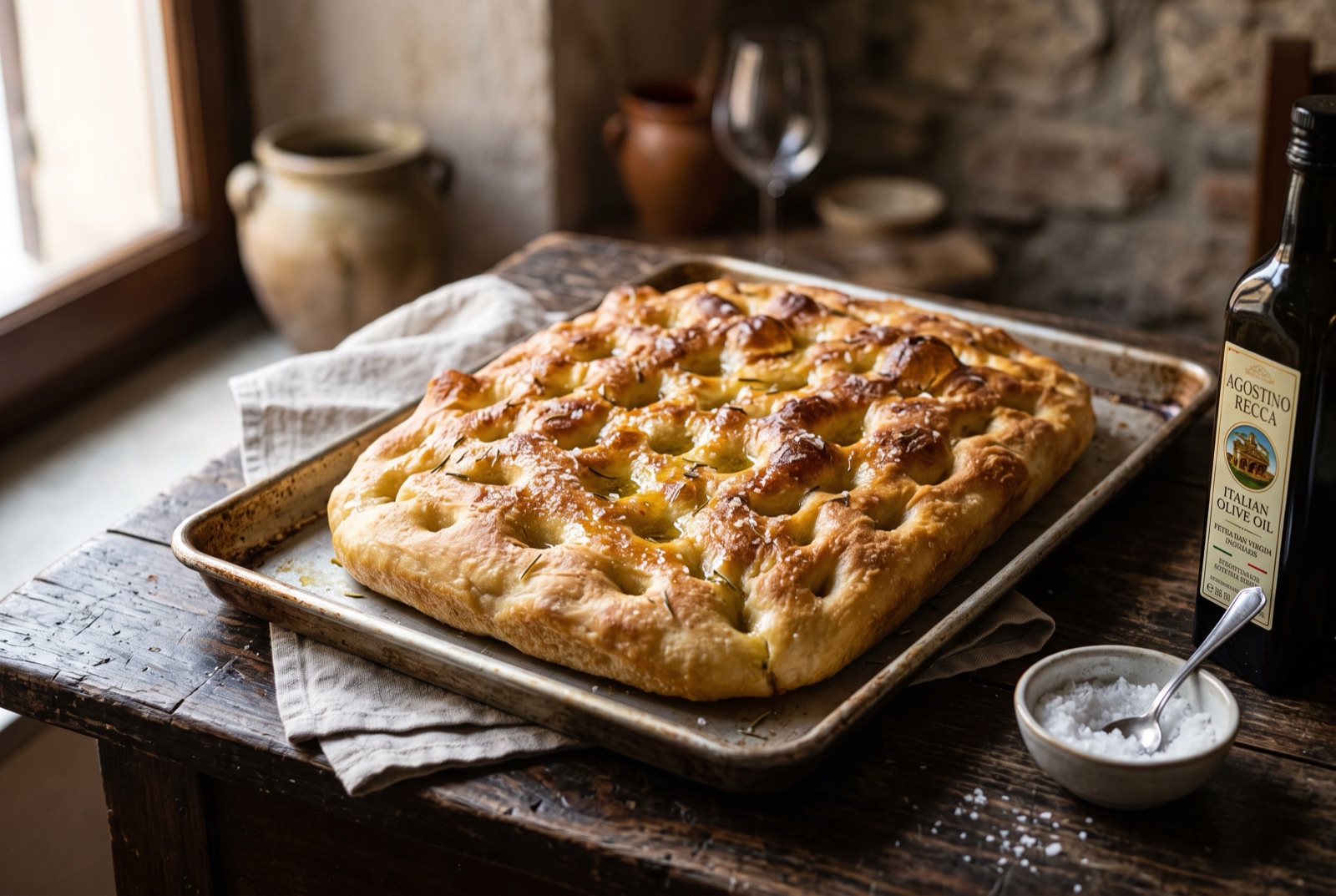
Italy has 9 more dishes in the atlas — Arancini and Focaccia Genovese, and 7 more.
Recipe by The DishRoute Kitchen · published August 18, 2026 · updated August 18, 2026