Pate Kode.
Haitian Spiced Meat Turnovers
Pate kòde · say it: PAHT ko-DAY
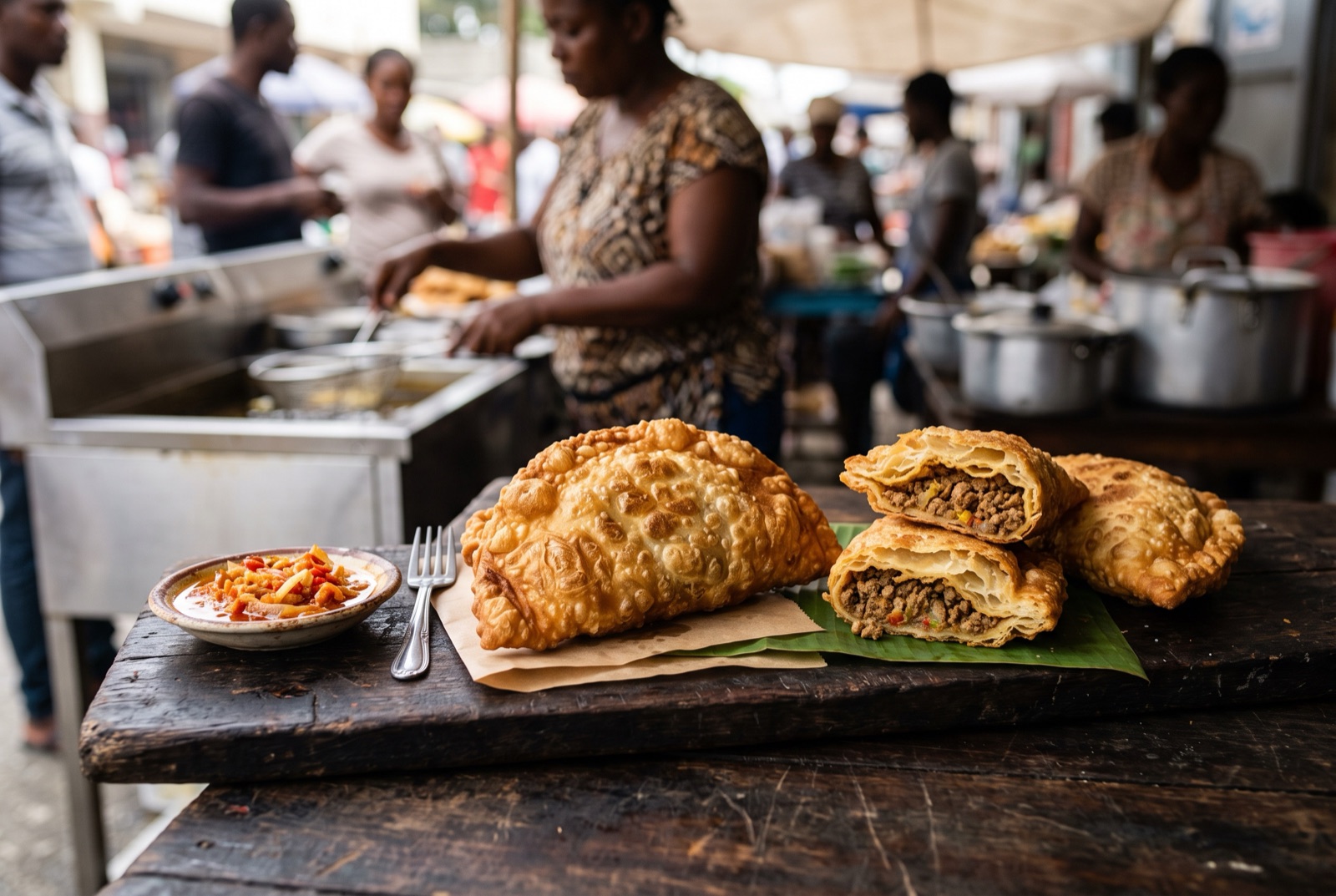
Pate kode are Haitian turnovers: a rolled, butter-layered dough folded around a highly seasoned filling of ground beef, smoked herring or chicken, then fried until the pastry puffs into brittle, blistered leaves. Bite one and it shatters, then gives way to a filling that is salty, garlicky and pointedly hot from Scotch bonnet. They are breakfast, they are a snack at eleven, they are what you buy from the woman with the glass case near the tap-tap stop. The dough is closer to a rough puff than to empanada pastry, and the layering — rolling, buttering, folding, rolling again — is what separates a real pate from a fried dumpling.

- Gate
- Haiti
- Prep
- 45 min
- Cook
- 30 min
- Total time
- 2 hr 15 min incl. 1 hr rest
- Serves
- 6
- Status
- Medium
- Nutrition / serving · estimated
- Calories 470 kcal
- Protein 20 g
- Carbs 42 g
- Fat 25 g
- Fiber 2 g
- Sodium 720 mg
Why this recipe works.
- A rolled-and-buttered dough that genuinely layers, without the chilling routine of full puff pastry.
- Both classic fillings covered: spiced ground beef and the smoked herring version most Haitians consider definitive.
- Sealing and frying detail that stops pate from bursting and flooding the oil.
- A baked option given honestly, with a clear statement of what you lose by using it.
Ingredients.
17 itemsFor the dough
For the filling
For frying
Equipment
- Rolling pin
- Large mixing bowl
- Deep heavy pan or fryer
- Slotted spoon
- Kitchen thermometer
Instructions.
Make the dough
Rub the cold cubed butter into the flour, salt and sugar until the mixture looks like coarse sand, then add the water gradually and bring it together into a firm, slightly rough dough. Knead for two minutes, wrap and rest for 30 minutes at room temperature.
Cook the filling
Fry the onion, garlic, bell pepper and scallions in a little oil until soft, add the beef and break it up until no pink remains, then stir in the tomato paste, epis, Scotch bonnet and thyme. Cook until the mixture is dry and glossy with no liquid in the pan, about 12 minutes.
Tip Season hard and taste — a filling that seems slightly too salty on its own is about right inside pastry.
Cool the filling
Squeeze in the lime juice, spread the filling on a plate and cool it completely, ideally in the fridge. Warm filling melts the butter in the dough and the layers will fuse instead of separating.
Laminate the dough
Roll the dough into a large rectangle about 3 mm thick, spread the softened butter evenly over the whole surface, then roll it up tightly from the long side like a carpet. Cut the roll into 12 pieces.
Tip The spiral is what makes the layers — roll it tight and even.
Fill and seal
Roll each piece cut-side down into a thin oval, spoon a rounded tablespoon of cold filling onto one half, fold over and press the edges firmly, then crimp them with a fork. Chill the assembled pate for 15 minutes.
Fry until blistered
Heat the oil to 175°C and fry the pate three or four at a time for 4–5 minutes, turning once, until they are deep gold and the surface has puffed into visible blisters and ridges. Lift them onto a rack, not paper, so the bottoms stay crisp.
Serve hot
Rest the pate for two minutes so the filling stops scalding, then serve them straight away with pikliz on the side. They are at their best within the first hour.
Tips from our kitchen.
- Roll the dough as thin as you dare before buttering — thick dough gives bready pate instead of flaky ones.
- Let the filling cool completely before it touches the pastry, or the butter melts and the layers glue shut.
- Seal the edges with a fork and press firmly; a leaking pate dumps filling into the oil and ruins the batch.
- Fry at a steady 175°C. Too hot and the outside colours before the layers separate; too cool and they drink oil.
- Do not overfill. A rounded tablespoon per pate leaves enough margin to seal and lets the pastry puff properly.
- Soak smoked herring in hot water for 20 minutes and taste it before salting the filling — it can be extremely salty.
Substitutions.
- Smoked herring (aransò) → Salt cod, soaked and flaked, or tinned mackerel
- Salt cod needs longer soaking, ideally overnight with a change of water. Tinned mackerel is far milder but works for a quick version.
- Butter for laminating → Vegetable shortening or margarine
- Shortening is what most Haitian vendors use; it stays solid longer in a warm kitchen and gives slightly crisper layers than butter.
- Deep frying → Brush with beaten egg and bake at 200°C for 22–25 minutes
- Baked pate are lighter and cleaner but do not blister. Good for a batch of thirty; not the street texture.
Variations.
- Pate ak aransò
- Smoked herring filling — soaked, flaked and cooked down with epis, onion, tomato paste and Scotch bonnet. The version most Haitians name first.
- Pate poul
- Shredded chicken cooked in epis with a little of its own stock, milder than the herring and the usual choice for children.
- Pate legim
- A meatless filling of finely chopped cabbage, carrot and bell pepper stewed hard with epis until dry — common during Lent.
Storage & reheating.
Fried pate are best within a couple of hours. They keep 2 days refrigerated and come back well in a 190°C oven for 8 minutes — never a microwave, which turns the layers leathery. Unfried, assembled pate freeze excellently: freeze them flat on a tray, bag them, then fry from frozen with 2 extra minutes in the oil. The filling alone keeps 3 days refrigerated.
Serve with
Pikliz, and a cold drink. Street pate are eaten in paper, standing up, with nothing else on the plate.
The story behind Pate Kode.
Pate belong to the same French-inflected pastry culture that gave Haiti its bakeries and its patisserie habit, filtered through a street-food economy where everything is fried to order in a shallow pan of oil. The name is simply the French pâté in the old sense of a filled pastry, and the kode part refers to the crimped, corded edge sealed by hand or pressed with a fork. Every Haitian town has vendors who are known specifically for theirs, and the differences people argue about are the flakiness of the dough and the heat of the filling.
The filling roster reflects what keeps without refrigeration. Smoked herring (aransò) is the classic and the most Haitian — soaked to draw out salt, then flaked and cooked hard with epis, onion and tomato paste. Ground beef and shredded chicken are the other standards, and cod or salt fish shows up along the coast. What they share is aggressive seasoning: because the pastry is rich and neutral, an under-seasoned filling produces a dull pate, so cooks push the salt, garlic and pepper further than they would for a plate of food.
The dough is a laminated shortcut. Rather than the folding-and-chilling routine of true puff pastry, Haitian cooks make a simple dough, roll it thin, spread it with softened butter or shortening, roll it up like a carpet, cut it into pieces and roll each piece out again. The spiral traps fat in layers, and when the pate hits hot oil the water in that fat turns to steam and pushes the layers apart. It takes about twenty minutes and gets most of the way to real puff pastry, which is why nobody in a hurry bothers with the long version.
Fried pate are eaten standing up, in paper, often with a bottle of cola and a spoonful of pikliz. Baked versions exist and are common in diaspora kitchens where nobody wants a pan of oil, and while they are perfectly pleasant they lose the blistering that gives the street version its name and its texture.
Questions, answered.
What is the difference between pate kode and an empanada?
The filling logic is similar but the pastry is not. Empanada dough is a short, tender pastry that stays dense when cooked, while Haitian pate dough is rolled with butter into a spiral so it separates into flaky layers when fried. A well-made pate shatters; an empanada bites cleanly.
What is smoked herring and do I have to soak it?
Aransò is heavily salted and smoked herring, sold whole or in fillets in Caribbean and African groceries. Yes, soak it — 20 minutes in hot water, changed once, draws out enough salt to make it edible. Always taste a flake before adding any salt to the filling.
Why did my pate not puff up?
Three usual causes: the dough was rolled too thick, the butter melted into the dough before frying because the filling or the kitchen was warm, or the oil was not hot enough. Chill the assembled pate for 15 minutes before frying and keep the oil at a steady 175°C.
Can I make pate ahead for a party?
Yes, and it is the sensible way to do it. Assemble them completely, freeze them in a single layer on a tray, then transfer to a bag. Fry straight from frozen, adding about two minutes to the cooking time. They come out as good as freshly assembled ones.
How spicy should the filling be?
Noticeably hot. Because the pastry is rich and mild, the filling has to be seasoned well past what would seem right on its own — plenty of garlic, black pepper and at least half a Scotch bonnet per batch. Vendors serve pikliz alongside for people who still want more.
You might also like.
All recipes →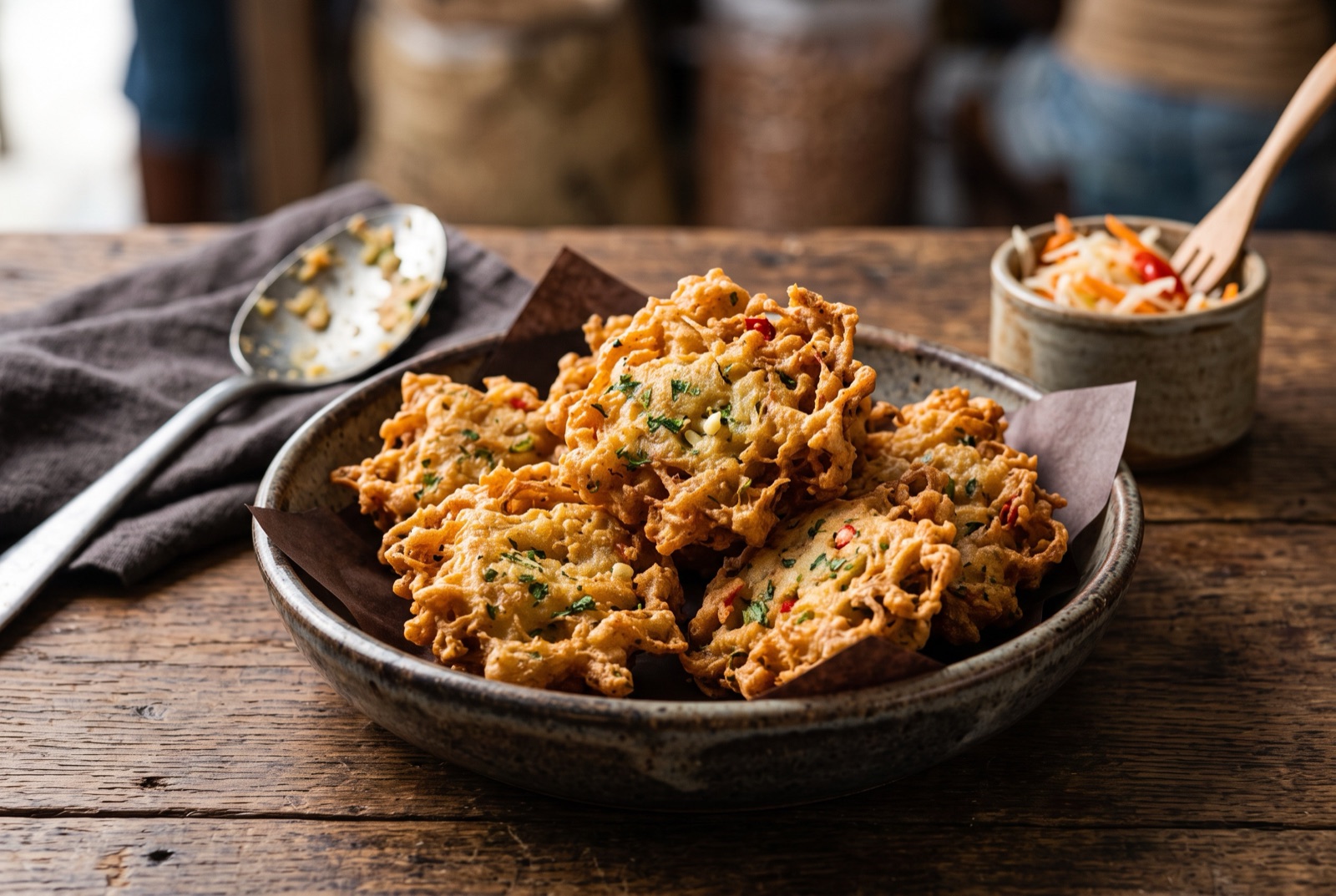
Keep exploring Haiti.
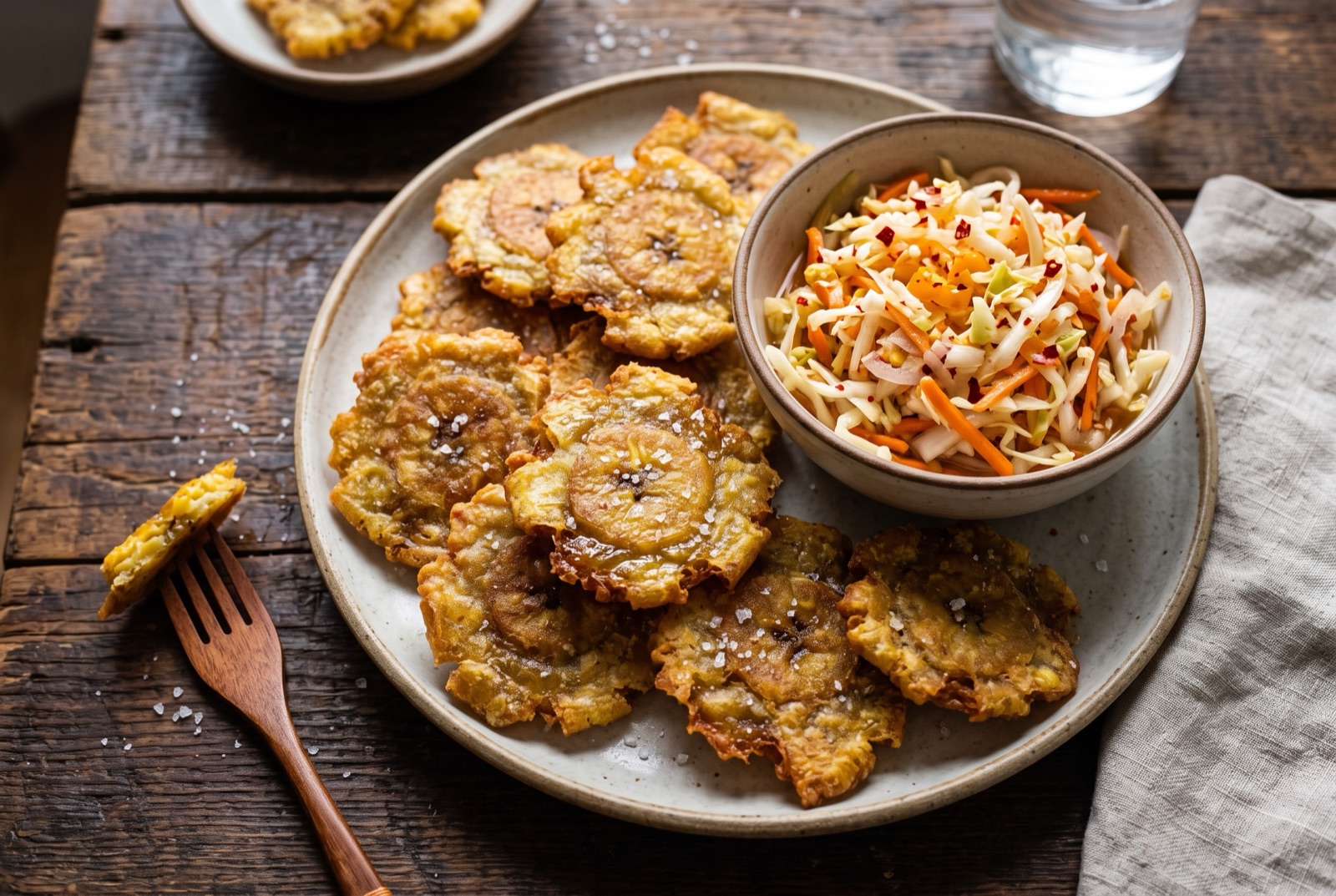
Haiti has 9 more dishes in the atlas — Akra and Bannann Peze, and 7 more.
Recipe by The DishRoute Kitchen · published August 20, 2026 · updated August 20, 2026