Hornado.
Ecuadorian Slow-Roasted Pork with Crackling
Hornado · say it: or-NAH-doh
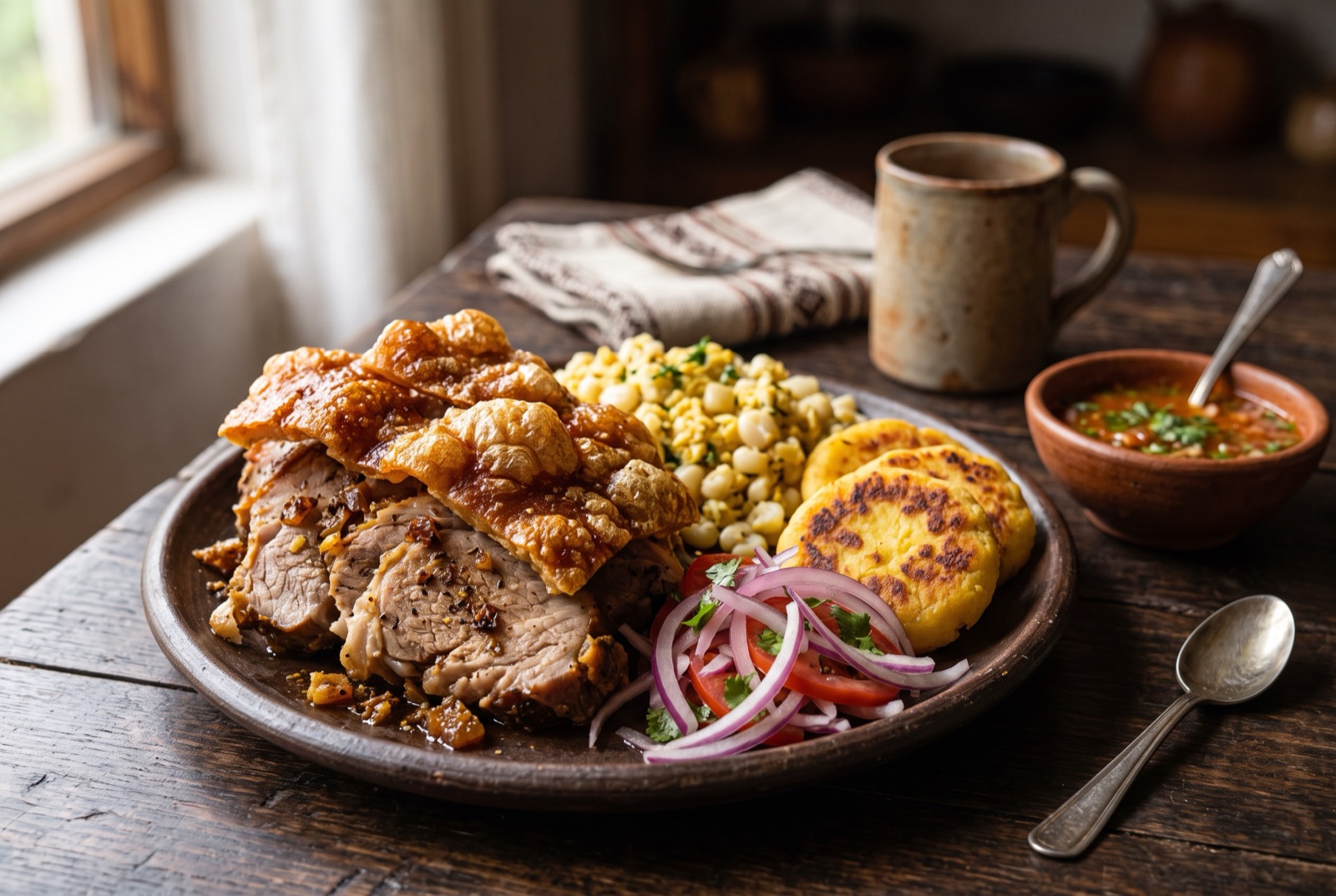
Hornado is the roast pork of the Ecuadorian highlands: meat driven full of garlic and cumin, wetted with beer or fermented corn chicha, and cooked slowly until it can be pulled apart with a serving fork while the skin above it turns into brittle, bubbled crackling. The flesh tastes deeply savory and faintly sour from the marinade rather than sweet, and the fat renders into juices that get spooned back over everything on the plate. In its home setting it is market food, carved to order by a woman standing behind an entire pig, and sold with hominy, potato patties and a sharp onion sauce. This version scales it down to a bone-in shoulder and a domestic oven.

- Gate
- EcuadorAzuay, Tungurahua and the highland markets
- Prep
- 30 min
- Cook
- 4 hr 45 min
- Total time
- 17 hr 35 min incl. 12 hr 20 min rest
- Serves
- 8
- Status
- Takes skill
- Nutrition / serving · estimated
- Calories 690 kcal
- Protein 57 g
- Carbs 9 g
- Fat 46 g
- Fiber 1 g
- Sugar 5 g
- Sodium 1180 mg
Why this recipe works.
- Seasons the meat from the inside by piercing and packing the paste into the flesh, not just smearing it on the surface.
- Splits the cooking into two temperatures, so the meat gets hours of gentle heat and the skin still gets its final blast.
- Says plainly what a home oven cannot reproduce and what it can, instead of pretending a shoulder equals a whole pig.
- Includes the agrio sauce, which is what makes several hours of rich pork eatable in quantity.
Ingredients.
17 itemsFor the pork
For the marinade
For the agrio
Equipment
- Deep roasting tin
- Sharp knife for scoring
- Aluminium foil
- Mortar and pestle or small blender
- Meat fork or two forks for pulling
Instructions.
Make the seasoning paste
Pound the garlic to a rough paste with the salt, then work in the cumin, black pepper, oregano and achiote oil until you have a thick orange slurry that smells overwhelmingly of garlic and toasted cumin.
Drive it into the meat
Stab the shoulder all over with a narrow knife, going 4 to 5 cm deep and spacing the cuts about a hand-width apart, then force the paste into every slit with your fingers. Rub whatever is left over the exposed meat, but keep it off the skin.
Tip Paste on the skin burns during the final blast and stops it from blistering evenly.
Marinate overnight
Sit the shoulder in a deep dish, pour the beer and orange juice around it — not over the skin — cover, and refrigerate for at least 12 hours, turning it once. The meat will darken and firm up as the salt and acid work through it.
Roast low and slow
Heat the oven to 150°C. Scatter the sliced onions in a deep tin, sit the pork on top skin-side up, pour in the marinade, cover tightly with foil, and roast for 4 hours. It is ready for the next stage when a fork twisted into the meat turns freely and the bone wiggles when you push it.
Blister the skin
Remove the foil, raise the oven to 220°C, blot the skin completely dry and salt it heavily. Roast for a further 30 to 45 minutes without basting, until the skin has puffed into blistered sheets and taps hard and hollow against a spoon.
Tip Uneven patches are normal. Cut off any that stay pale and finish them alone under a hot grill.
Make the agrio while it rests
Rest the pork for 20 minutes. Meanwhile stir the red onion, tomato, beer, panela, lime juice, cilantro and chile together with a good pinch of salt and let it sit — it should taste bracingly sour, since it is there to cut fat, not to be pleasant on its own.
Carve and serve
Skim the fat off the tin juices and reduce what is left for a few minutes until it tastes concentrated. Pull the pork into thick shreds, break the crackling into shards, and plate both with mote and potato patties, spooning over the juices and passing the agrio at the table.
Tips from our kitchen.
- Ask the butcher for bone-in shoulder with the skin left on and scored. The bone keeps the meat moist for hours and the skin is the entire point.
- Dry the skin properly before the final blast — pat it, then leave it uncovered in the oven for a few minutes. Wet skin steams into leather instead of puffing.
- Push the garlic paste into slits at least 4 cm deep, spaced a hand-width apart. Surface rubs season a centimetre of meat and nothing beyond it.
- Salt the skin separately and generously right before the high-heat stage. Salt in the marinade will have dissolved and drawn moisture back to the surface.
- Keep the roasting liquid. Skim the fat, reduce what is left, and you have the jugo that goes over the mote and the potato patties.
- If the crackling refuses to blister in patches, cut those pieces off and finish them alone under a hot grill for two or three minutes, watching constantly.
Substitutions.
- Chicha de jora → A bottle of plain lager, or 400 ml lager plus 100 ml apple cider vinegar
- Chicha is fermented corn beer and brings a distinctive sourness. Beer with a splash of vinegar gets you into the right territory if you cannot find it.
- Bone-in pork shoulder with skin → Boneless shoulder plus a separate piece of pork belly or skin
- Boneless meat cooks faster and dries out more easily, so reduce the low-temperature stage by about 45 minutes and roast the skin separately.
- Mote (Andean hominy) → Canned hominy, or large white beans
- Canned hominy needs only warming through in the pork juices. Beans are a departure but keep the plate's balance of soft starch against crisp skin.
Variations.
- Fritada
- The other great Ecuadorian pork dish: cubes of shoulder simmered in water and orange juice until the liquid evaporates, then fried in their own rendered fat until crisp at the edges.
- Hornado de chancho tierno
- Made with a young, smaller pig, which cooks faster and gives thinner, glassier crackling and much milder-tasting meat.
- Tortillas de papa instead of llapingachos
- Some Cuenca stalls serve flat potato cakes without a cheese filling, cooked in the pork fat itself, which changes the plate considerably.
Storage & reheating.
Carved pork keeps 3 days refrigerated in its skimmed juices and freezes well for 3 months. Reheat it covered with a splash of the liquid at 150°C so it steams rather than dries. Crackling must be stored separately at room temperature in an open container — sealed in the fridge it goes soft within hours, and no amount of reheating brings back the shatter.
Serve with
Mote, llapingachos, avocado slices, tomato and onion salad, and a bowl of agrio to spoon over the meat.
The story behind Hornado.
Every highland market town in Ecuador has its hornado women. They work behind long counters with a whole roasted pig laid out in front of them, carving to order with a heavy knife, tearing off shards of skin, and pressing a spoonful of juice into the plate before handing it over. The pig is usually marinated for a day, then cooked overnight in a wood-fired brick oven — the horno the dish is named for — which is where the smoke note and the very even, gentle heat come from. Cuenca, Ambato and Latacunga all argue for their own version, and the differences are real but small: the ratio of garlic to cumin, whether beer or chicha de jora goes into the marinade, how dark the achiote is allowed to get.
Being honest about the home version matters. Nobody is roasting a whole animal in a domestic oven, and without a wood-fired chamber you lose the faint smoke and the extremely long, low, radiant heat that makes market hornado what it is. What you can reproduce faithfully is everything else: the deep garlic-and-cumin seasoning pushed into the meat rather than rubbed on the outside, the sour beer marinade, the many hours at low temperature, and the final hot blast that turns the skin. A bone-in shoulder handled this way gets genuinely close.
The plate around the pork is not negotiable. Mote — the big soft hominy kernels of the Andes — soaks up the juices, llapingachos sit alongside, avocado cools things down, and a bowl of agrio goes over the top: a thin sharp sauce of onion, tomato and chicha or beer that cuts the fat immediately. Ordering hornado without agrio in Cuenca would strike the person serving you as an odd thing to do.
Questions, answered.
Do I need a wood-fired oven to make hornado?
No, but you should know what you are missing. A traditional horno gives faint smoke and extremely even radiant heat over many hours. A domestic oven at a low temperature reproduces the texture and almost all of the flavor; the smoke is the part you cannot fake, and a home cook should not try to compensate with liquid smoke, which tastes nothing like it.
Why is my crackling chewy instead of crisp?
Moisture, almost always. The skin must be dry and salted immediately before it goes into a very hot oven, and it must not be covered or basted during that stage. Uneven thickness is the other common cause — thick patches need longer, so cut them away and finish them separately under a grill rather than overcooking the meat waiting for them.
What is agrio and can I skip it?
Agrio is the thin, sour sauce served over hornado, made from chopped onion and tomato with chicha or beer, a little panela and lime. You can skip it, but the plate becomes much heavier — its job is to cut through several hours of rendered pork fat, and highland cooks treat it as part of the dish rather than a condiment.
How far ahead can I marinate the pork?
Twelve hours is the minimum for the garlic and cumin to travel into the meat, and 24 hours is better. Beyond about 36 hours the acidity in the beer starts to break down the surface texture and the outer centimetre turns slightly mushy, so a full day is the sweet spot.
How much pork do I need per person?
Count on about 350 g of raw bone-in shoulder per adult, which lands at roughly 200 g of cooked meat once the bone and rendered fat are gone. A 3 kg shoulder feeds eight people comfortably when it is served the traditional way, with hominy, potato patties and salad filling out the plate.
You might also like.
All recipes →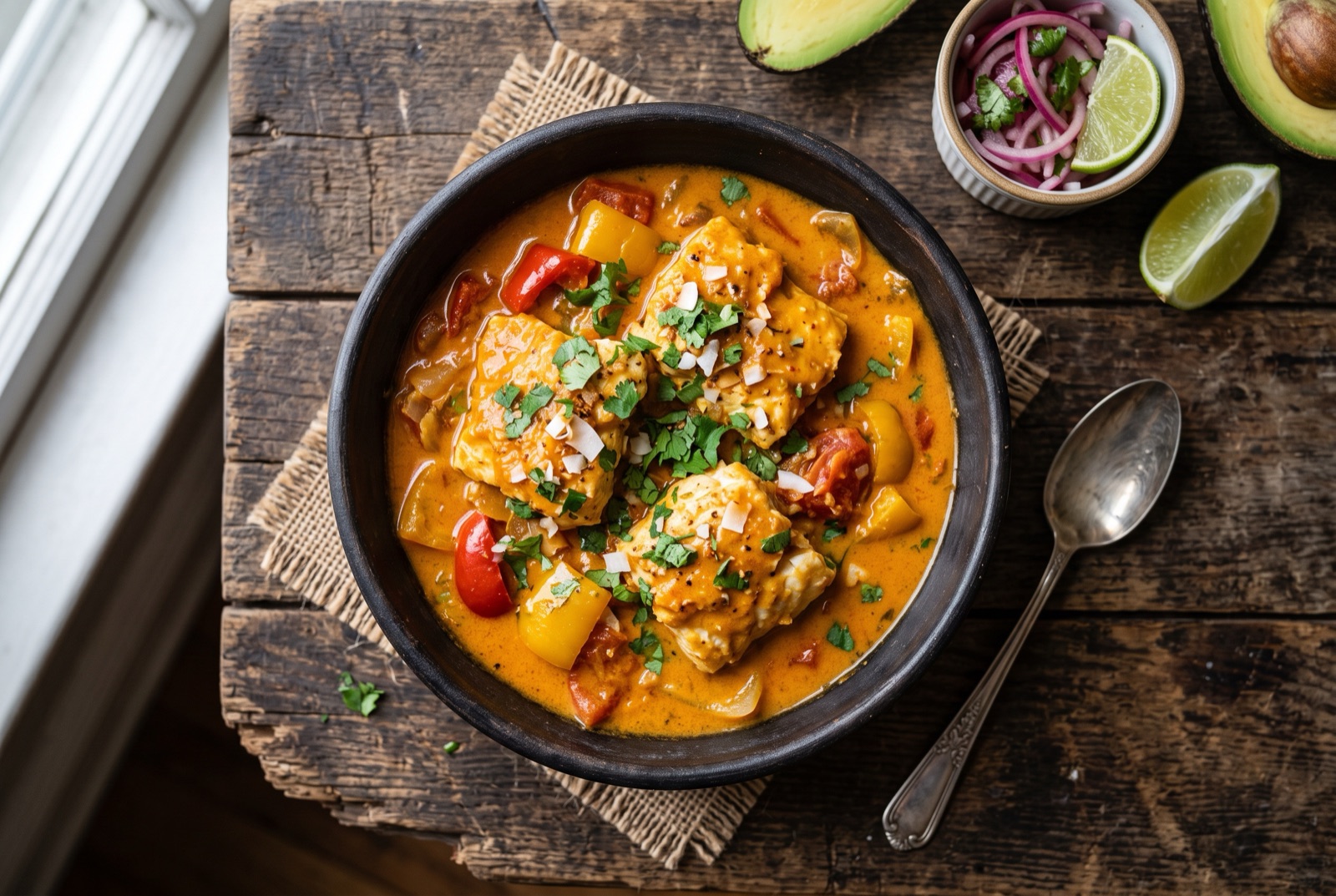
Ecuador1 hr 10 min
Encocado de Pescado
Esmeraldas Fish in Coconut Sauce
Ecuador1 hr 25 min
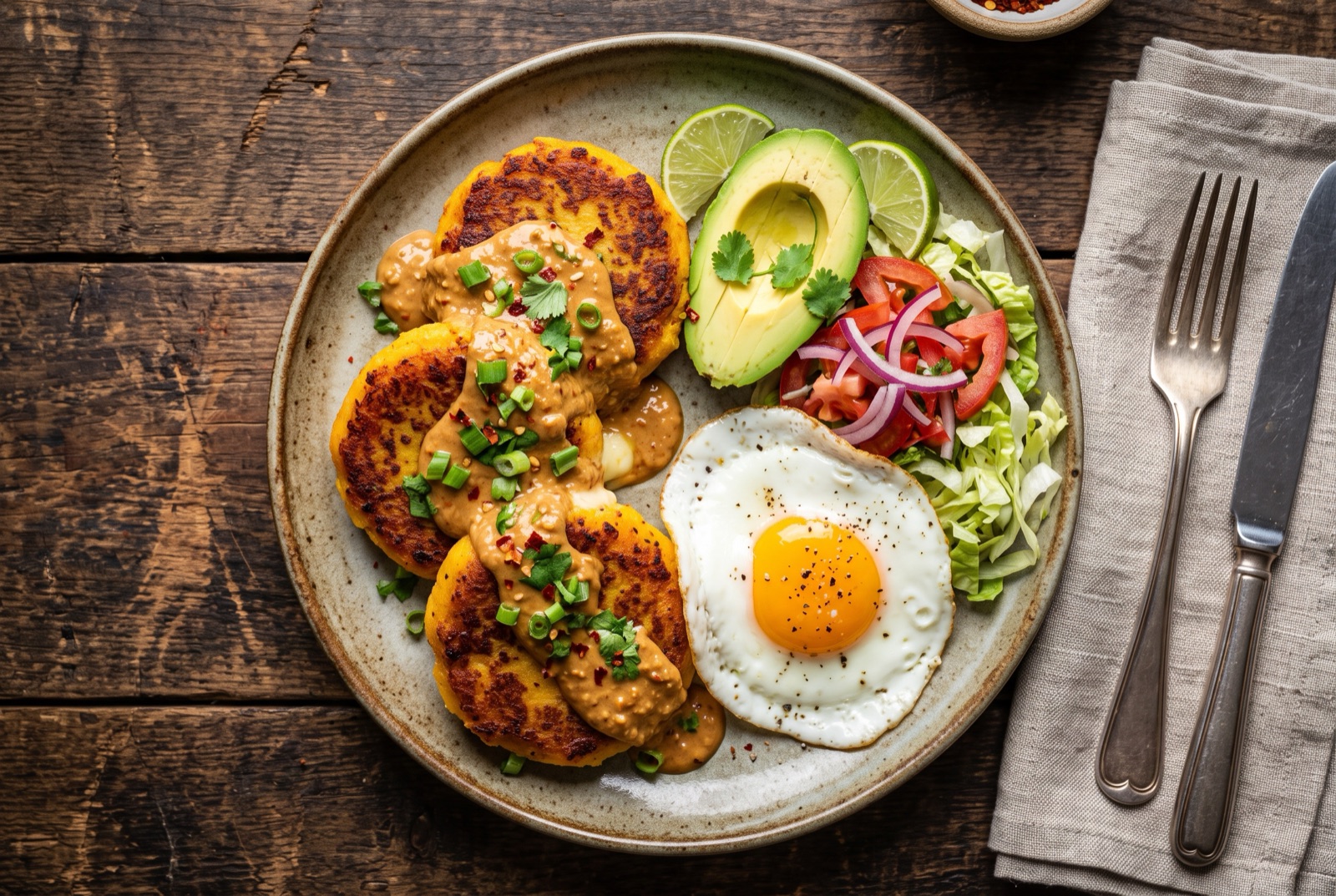
Llapingachos
Ecuadorian Cheese-Stuffed Potato Patties
Ecuador2 hr 55 min
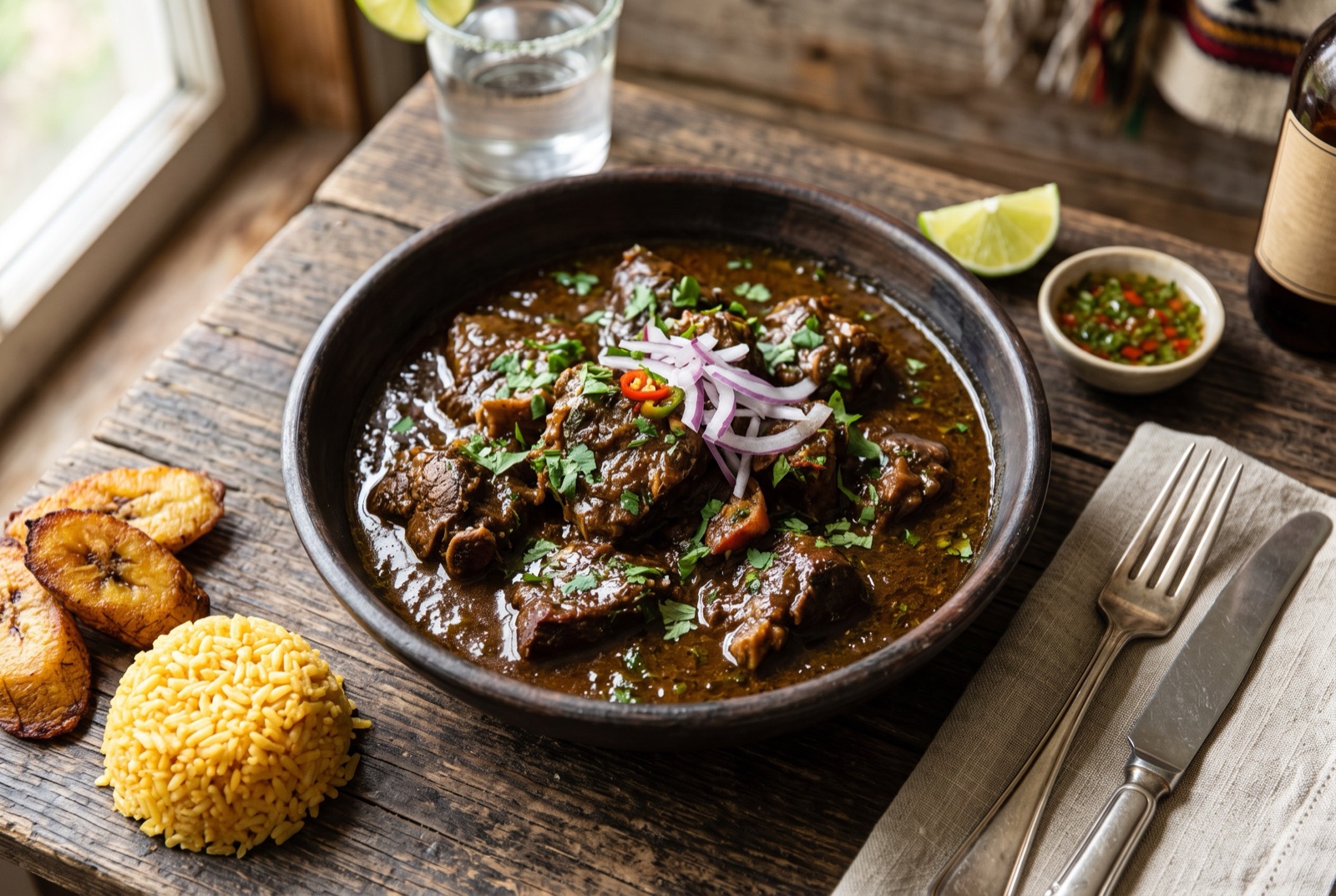
Seco de Chivo
Ecuadorian Goat Stewed in Naranjilla and Beer
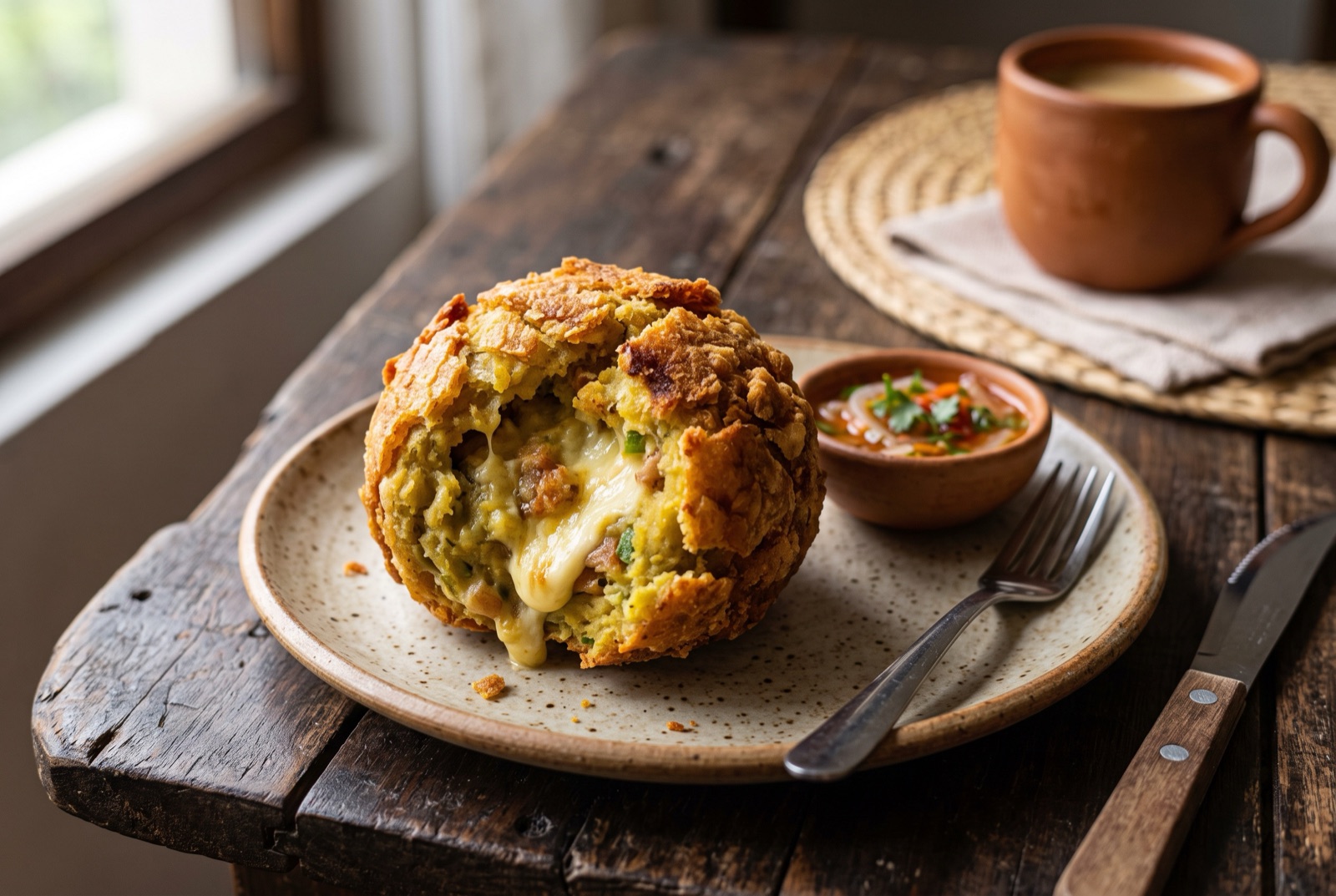
Ecuador40 min
Bolón de Verde
Ecuadorian Green Plantain and Cheese Ball
Keep exploring Ecuador.
Ecuador has 9 more dishes in the atlas — Bolón de Verde and Ceviche de Camarón, and 7 more.
Recipe by The DishRoute Kitchen · published August 20, 2026 · updated August 20, 2026