Mojito.
Cuban Rum, Lime and Mint Highball
Mojito · say it: moh-HEE-toh
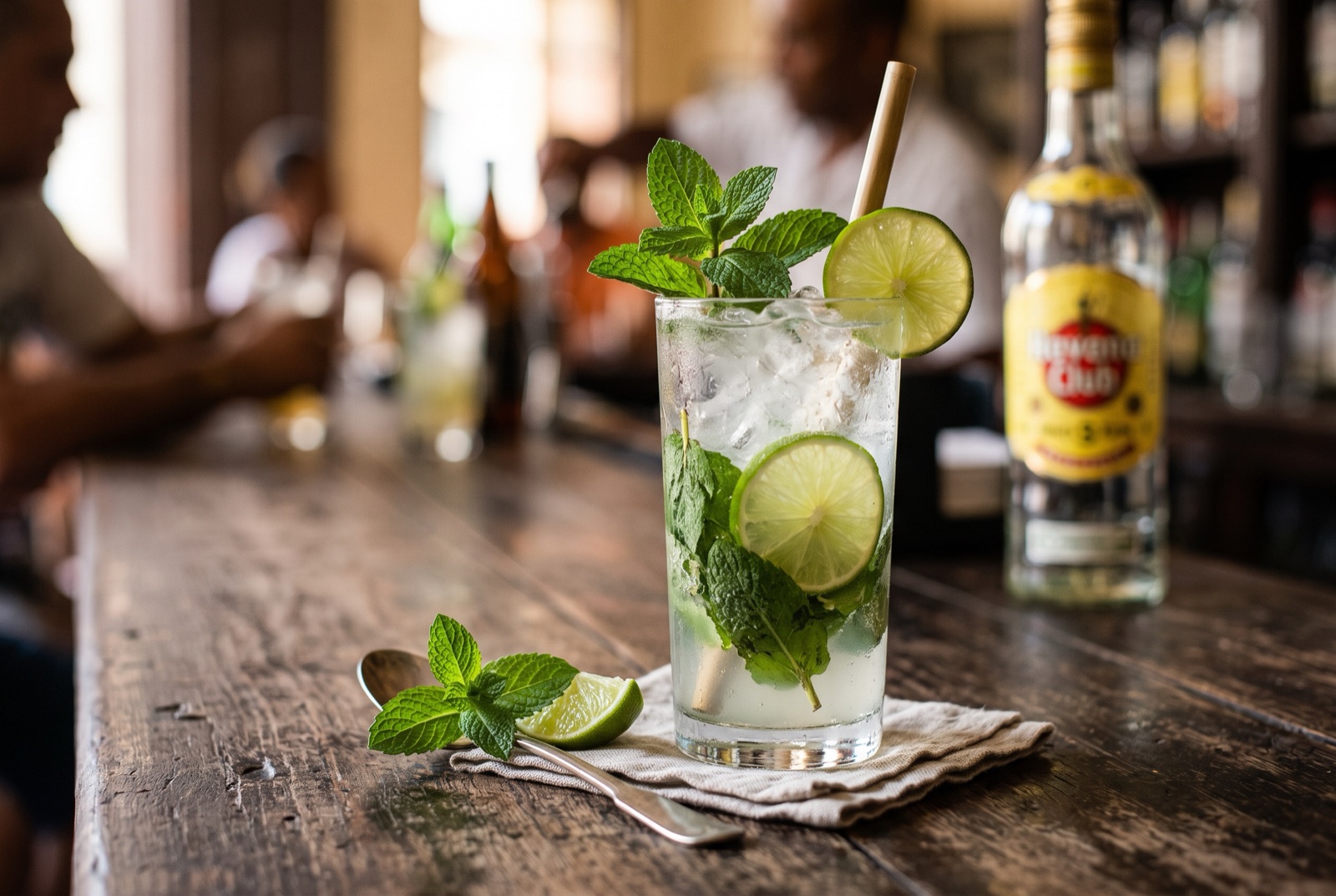
A mojito is lime juice, sugar, white rum, mint and soda water in a tall glass, and its reputation for being fussy comes entirely from people bruising the mint into a green pulp. The mint should be pressed once or twice, just enough to release its oils, never ground — torn leaves throw out chlorophyll and tannin and turn a bright drink bitter and grassy. Built correctly it tastes clean and sharp: sour lime, a soft sugar edge, the vegetal warmth of Cuban-style light rum, and mint that arrives as aroma at the top of the glass rather than as texture in the mouth. It takes two minutes and it is one of the few cocktails genuinely improved by being made carelessly fast.

- Gate
- CubaHavana
- Prep
- 5 min
- Cook
- 0 min
- Total time
- 5 min
- Serves
- 2
- Status
- Easy
- Nutrition / serving · estimated
- Calories 190 kcal
- Protein 0 g
- Carbs 14 g
- Fat 0 g
- Sugar 12 g
- Sodium 10 mg
Why this recipe works.
- The mint is pressed, not muddled, which is the difference between an aromatic drink and a bitter green one.
- Sugar dissolved in the lime juice before the rum goes in, so nothing grits at the bottom of the glass.
- Uses a measured ratio rather than free-pouring, so the drink is balanced instead of either sour or syrupy.
- Honest about the Hemingway story and the Drake legend rather than repeating them as fact.
Ingredients.
6 itemsFor the glasses
To top
Equipment
- Tall highball glass
- Bar spoon
- Jigger or measuring cup
- Citrus juicer
Instructions.
Dissolve the sugar
Divide the lime juice and sugar between two tall glasses and stir with a bar spoon for about 20 seconds, until you can no longer feel grains scraping the bottom of the glass. Doing this before anything else is added is the only reliable way to dissolve it.
Wake the mint
Slap the mint leaves once between your palms to release their oils, drop them into the glasses, and press them gently against the side two or three times with the back of the spoon. Stop as soon as you can smell mint — the leaves should still be whole and green, not shredded.
Tip If the mixture is turning dark green or you can see torn fragments, you have gone too far.
Add rum and ice
Pour 60 ml of white rum into each glass and stir once. Fill the glasses to the top with crushed ice or cubes, packing them in so the drink stays properly cold as it dilutes.
Top with soda
Add 100 ml of cold soda water to each glass, pouring gently down the side so it keeps its fizz. Stir once from the bottom upward to lift the mint through the drink without churning it.
Garnish and serve
Slap a mint sprig between your palms and tuck it into the ice at the top of each glass, close to where the drinker's nose will be. Serve immediately with a straw, while the soda is still lively.
Tips from our kitchen.
- Press the mint two or three times only, or slap the sprig between your palms. Grinding it releases bitter compounds from the torn leaves.
- Use spearmint rather than peppermint if you can choose — it is closer to Cuban yerba buena and far less medicinal.
- Dissolve the sugar in the lime juice first, before the rum and ice go in, or it will sit undissolved at the bottom.
- Crushed ice chills faster and dilutes faster; cubes keep the drink stronger for longer. Pick according to how quickly you drink.
- Add the soda last and stir once from the bottom up, lifting the mint through the drink rather than churning it.
- A light, grassy Cuban-style rum is the right base. Aged or heavily oaked rum overwhelms the mint and lime.
Substitutions.
- White sugar → 20 ml simple syrup
- Faster and guarantees no grit. Use slightly less than you would expect, since syrup already carries water into the drink.
- White rum → Cachaça, or a light aged rum
- Cachaça pushes it towards a caipirinha in character. Aged rum works but muddies the fresh mint-and-lime profile.
- Fresh lime juice → There is no acceptable substitute
- Bottled lime juice tastes cooked and slightly bitter, and in a drink this simple there is nothing to hide behind.
Variations.
- Virgin mojito (mojito sin alcohol)
- Leave out the rum and add an extra 30 ml of soda plus a splash of apple juice for body, which the missing rum otherwise leaves hollow.
- Mojito de fresa
- Press two ripe strawberries into the lime and sugar before the rum goes in — a common summer variation in Havana bars.
- Pitcher mojito
- Scale the rum, lime and sugar for six, stir with the mint in a jug and refrigerate, then pour over ice and top each glass with soda to order so nothing goes flat.
Storage & reheating.
A mojito is a made-to-order drink and does not keep once the soda is in, since it goes flat within about fifteen minutes and the mint darkens. For a party, mix the rum, lime juice and sugar ahead in a sealed bottle and refrigerate for up to 2 days, then pour 90 ml of that mix over ice and mint and top with soda for each glass. Never store the drink with the mint in it — the leaves keep leaching bitterness the whole time.
Serve with
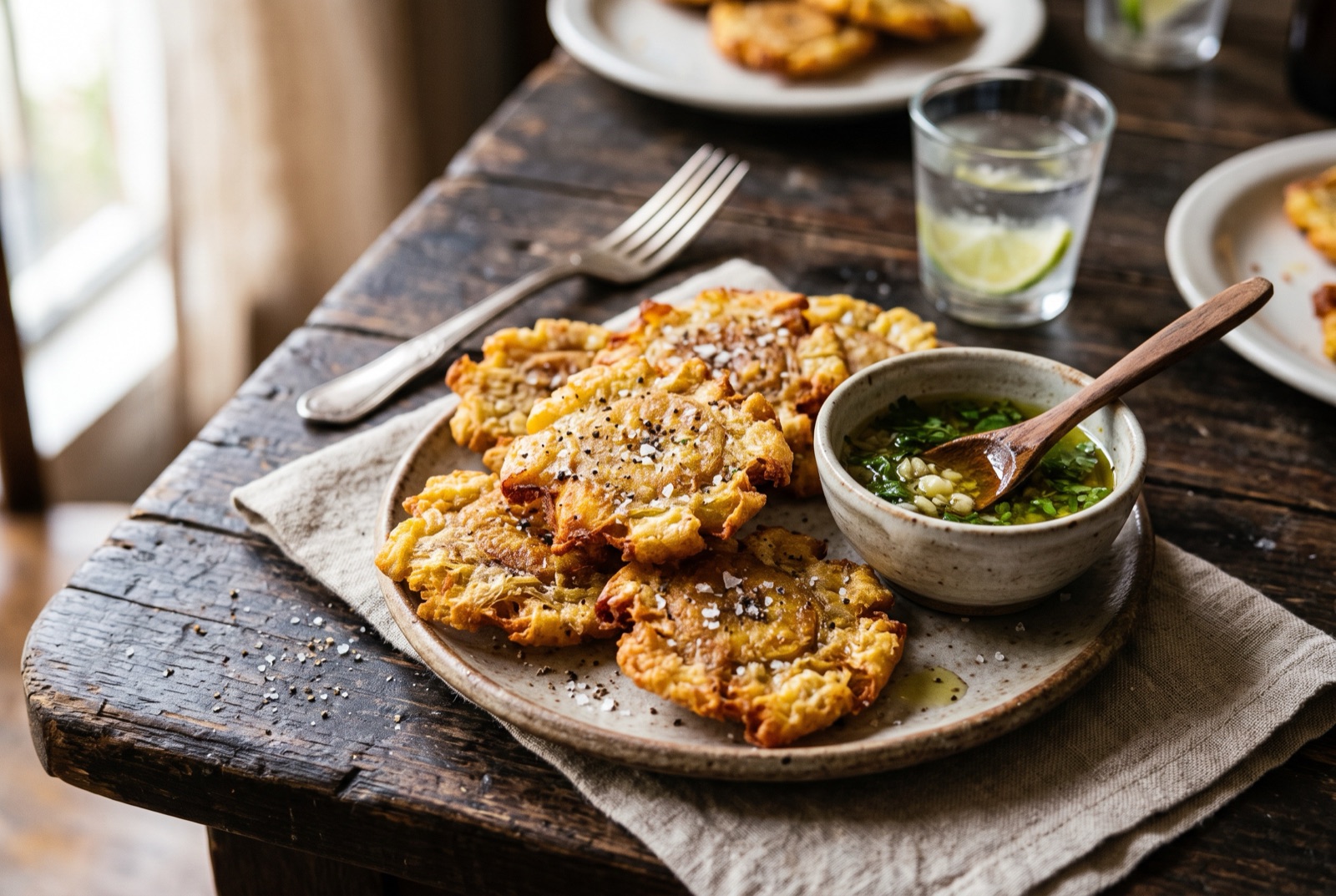
Tostones, plantain chips or salted almonds — anything salty enough to keep pace with the lime.
The story behind Mojito.
The mojito's origins are contested and the popular version of the story should be treated with suspicion. The most repeated tale credits a sixteenth-century drink called El Draque, associated with Francis Drake's crew, made from aguardiente, lime, sugar and mint as a medicinal remedy — a plausible antecedent, but the direct line from it to the modern mojito is asserted far more confidently than the evidence supports. What is better documented is that the drink as we know it took its shape in Havana in the early twentieth century, once light column-distilled Cuban rum existed to replace harsh aguardiente.
La Bodeguita del Medio in Havana is the bar most associated with it, helped enormously by a framed line attributed to Ernest Hemingway declaring his mojito came from there and his daiquiri from El Floridita. That attribution is widely doubted by historians, who point out the handwriting and provenance have never been convincingly established and that Hemingway was not much of a mojito drinker. The bar is still worth visiting; the quote is best enjoyed as folklore rather than fact.
The one detail that matters technically is the mint. Cuban mojitos use yerba buena, a spearmint variety with a softer, less menthol-forward flavour than the peppermint often sold in northern supermarkets. Bartenders in Havana traditionally add whole sprigs and press them lightly against the side of the glass, or simply slap the mint between the palms to wake the oils and drop it in. The modern habit of muddling mint aggressively with a wooden pestle is a mistake that spread through cocktail bars abroad, and it is the reason so many mojitos taste of lawn clippings.
Questions, answered.
Should you muddle the mint in a mojito?
Only very lightly. The aim is to release the aromatic oils from the surface of the leaves, which takes two or three gentle presses or a slap between the palms. Grinding the mint with a muddler tears the leaves and releases bitter, grassy compounds, which is why heavily muddled mojitos taste harsh and look murky green.
What kind of mint is used in a Cuban mojito?
Yerba buena, a spearmint variety common in Cuba with a soft, sweet flavour and much less menthol punch than peppermint. If you cannot find it, ordinary spearmint is the closest widely available match. Peppermint works in a pinch but gives the drink a distinctly medicinal, toothpaste-like edge.
What rum should I use for a mojito?
A light, dry white rum in the Cuban style, which is column-distilled and lightly aged before filtering. It has a clean, faintly grassy character that supports the lime and mint. Dark, aged and heavily oaked rums dominate the drink, and spiced rums clash with the mint entirely.
Did Hemingway really drink mojitos at La Bodeguita del Medio?
Probably not as often as the famous framed note in that bar suggests. The note, declaring that his mojito came from La Bodeguita and his daiquiri from El Floridita, has never been reliably authenticated and is widely doubted by drinks historians. It is a good piece of bar folklore that helped make the drink internationally famous.
Can I make mojitos ahead for a party?
Partly. Combine the rum, fresh lime juice and sugar in a bottle and refrigerate for up to two days, then pour about 90 ml per glass over ice with fresh mint and top with soda water to order. Do not add the soda or the mint in advance, because the drink goes flat and the leaves turn the mix bitter and brown.
You might also like.
All recipes →
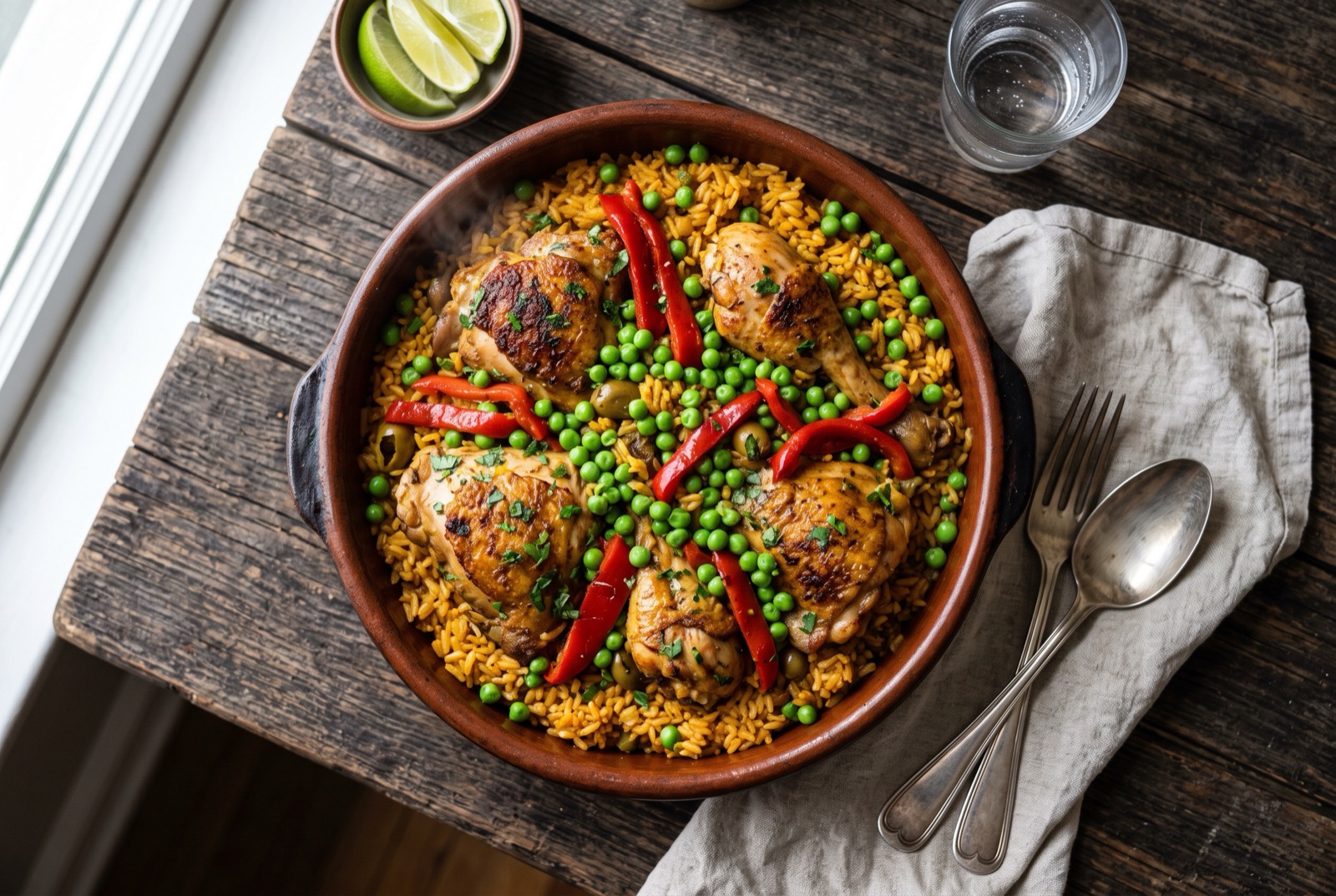
Keep exploring Cuba.
Cuba has 9 more dishes in the atlas — Cuban Arroz con Pollo and Flan Cubano, and 7 more.
Recipe by The DishRoute Kitchen · published August 20, 2026 · updated August 20, 2026