Shopska Salata.
Bulgarian Tomato, Cucumber and Sirene Salad
Шопска салата · say it: SHOP-skah sah-LAH-tah
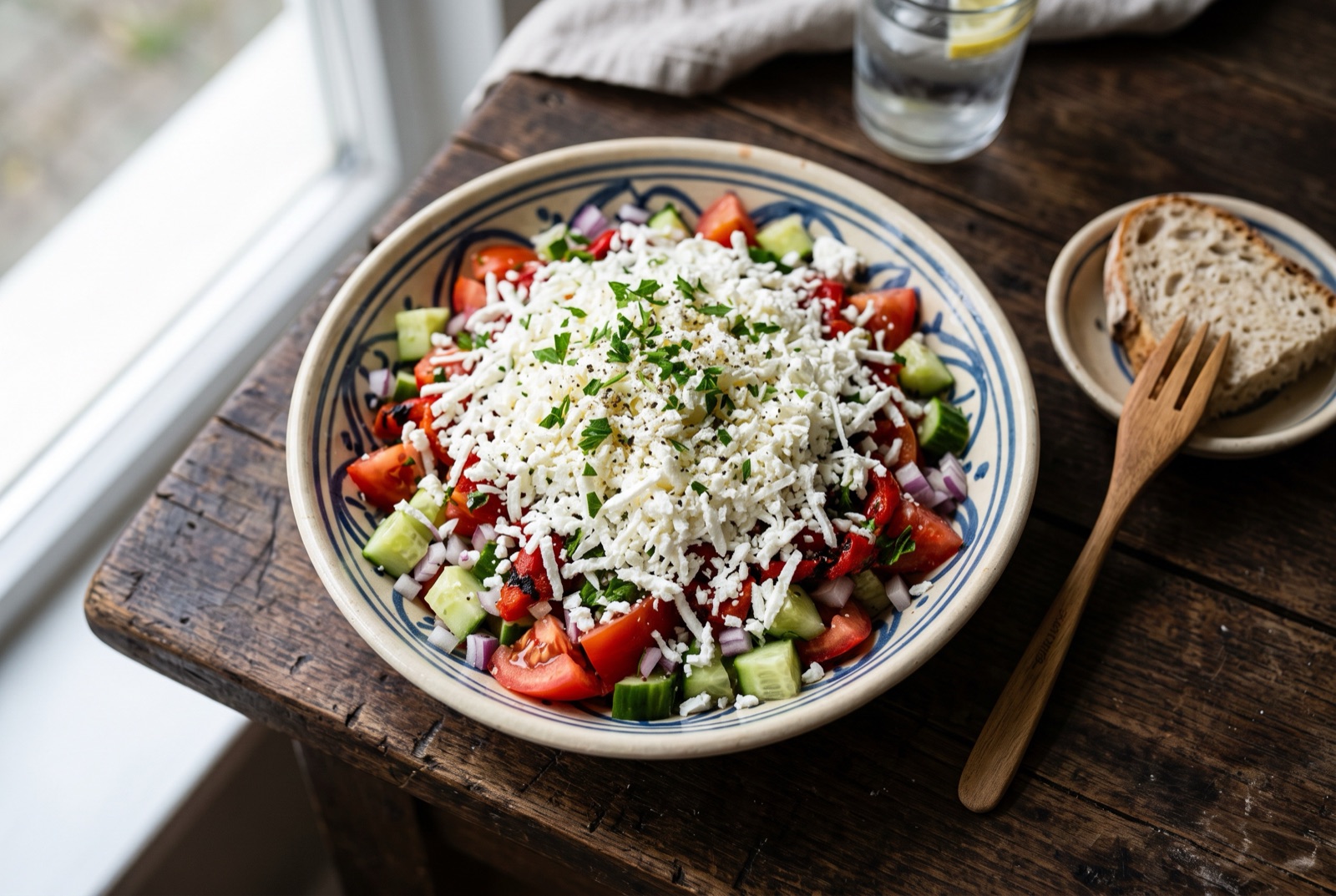
Shopska salata is a chopped salad of tomato, cucumber, raw onion and roasted red pepper, dressed with nothing more complicated than sunflower oil, vinegar and salt, and then covered — genuinely covered, not garnished — with finely grated sirene. The cheese is the point. It falls in a thick white layer over the vegetables so that the first forkful is salty and creamy and the second, once you have dug through, is sharp and watery-fresh. Bulgarians eat it before the meal rather than alongside it, usually with rakia, and the drinking part is not incidental: the salt and acid are there to stand up to fruit brandy. It takes ten minutes and lives or dies entirely on the quality of the tomatoes.

- Gate
- BulgariaShopluk
- Prep
- 15 min
- Cook
- 10 min
- Total time
- 25 min
- Serves
- 4
- Status
- Easy
- Nutrition / serving · estimated
- Calories 260 kcal
- Protein 11 g
- Carbs 10 g
- Fat 20 g
- Fiber 3 g
- Sugar 7 g
- Sodium 720 mg
Why this recipe works.
- Gets the cheese right: coarsely grated in a thick blanket on top, which is the actual defining feature of the dish.
- Includes the roasted pepper that restaurant versions abroad usually skip, and it changes the salad completely.
- Salts the cucumber briefly so the dressing does not turn into a puddle at the bottom of the bowl.
- Honest about the modern origin of the salad rather than inventing a village legend for it.
Ingredients.
10 itemsFor the salad
For the dressing
To finish
Equipment
- Box grater
- Sharp knife
- Wide shallow serving bowl
Instructions.
Roast the pepper
Char the whole red pepper directly over a gas flame or under a hot grill, turning it, until the skin is blackened and blistered all over — about 8 minutes. Drop it into a bowl, cover, and leave for 10 minutes, then rub off the skin, pull out the seeds and tear the flesh into finger-wide strips.
Tip Do not rinse the peeled pepper under the tap. You wash away the smoky juices that make this step worth doing.
Prepare the vegetables
Dice the tomatoes and cucumbers to roughly the same 1.5 cm size and put them in a wide bowl. Slice the onion as thinly as you can, and scatter it over with the pepper strips and most of the chopped parsley.
Dress lightly
Sprinkle the salt over the vegetables, add the vinegar and sunflower oil, and turn everything over twice with your hands or two spoons. Do not toss hard — the tomatoes should stay in whole cubes, not break down into sauce.
Bury it in cheese
Grate the cold sirene on the coarse side of a box grater directly over the salad, working across the whole surface until the vegetables are completely hidden under a white layer about a centimetre deep. Do not stir it in.
Tip If the cheese is soft and clogs the grater, chill it in the freezer for 10 minutes first.
Finish and serve immediately
Scatter the last of the parsley and the olives on top, and take the bowl to the table straight away with bread and rakia. Each person breaks through the cheese layer with their own fork.
Tips from our kitchen.
- Tomatoes decide everything. Use ripe, room-temperature, properly flavoured tomatoes — a shopska made with pale winter tomatoes is a waste of good cheese.
- Roast the pepper yourself over a flame or under the grill until the skin blackens, then steam it in a covered bowl and rub the skin off. Jarred peppers work but are sweeter and softer.
- Cut everything to roughly the same size, around 1.5 cm. It is a chopped salad, not a sliced one, and the pieces should sit on a fork together.
- Soak the sliced onion in cold water for five minutes if raw onion is too aggressive for you. Bulgarians generally do not, but the salad survives the compromise.
- Dress it just before serving. Salt draws water out of tomatoes fast, and a salad that has sat dressed for twenty minutes is swimming.
- Grate the cheese cold and straight from the fridge — sirene at room temperature smears on the grater instead of falling in strands.
Substitutions.
- Bulgarian sirene → Firm Greek feta, well chilled
- Feta is creamier and less salty. Choose a block in brine rather than a crumbly pre-packed one, and freeze it for ten minutes before grating if it resists.
- Sunflower oil → A mild olive oil
- Sunflower is what is used in Bulgaria and it stays in the background. Olive oil is fine but assertive enough to change the flavour of the salad.
- Roasted red pepper → Raw green frying pepper, thinly sliced
- Also traditional, and sharper. Some households use both; the roasted one brings sweetness, the raw one crunch.
Variations.
- Ovcharska salata
- The "shepherd's" version — shopska plus sliced ham, mushrooms, hard yellow kashkaval cheese and a grated boiled egg, which turns a starter into a full plate.
- Snezhanka
- The winter relative: strained yoghurt, diced cucumber, garlic, dill and walnuts, thick enough to eat with bread rather than a fork.
- Shopska with olives
- Restaurant style, with a few black olives scattered over the cheese and a sprig of parsley on top — cosmetic, but that is how it is plated across the country.
Storage & reheating.
Shopska does not keep. Once salted and dressed the tomatoes and cucumber release water within half an hour and the texture goes limp. If you need to work ahead, chop the vegetables and refrigerate them undressed for up to 4 hours, roast the peppers up to 3 days in advance, and grate the cheese only at the table. Leftovers are not worth refrigerating, though the drained juices are excellent soaked up with bread immediately.
Serve with
A glass of rakia and warm bread, served before the hot food arrives rather than beside it.
The story behind Shopska Salata.
The salad is named after the Shopluk, the region around Sofia whose inhabitants, the shopi, are the butt of most Bulgarian regional jokes — stubborn, blunt, fond of raw onion. But the salad itself is not an old peasant dish, and Bulgarians are fairly open about this. It appears in the mid-twentieth century, when the state tourism agency Balkantourist was building a recognisable national menu for the hotels and restaurants going up on the Black Sea coast. A salad whose colours — red tomato, white cheese, green pepper and parsley — happen to match the national flag was an obvious candidate, and it worked. Within a generation it had stopped being a marketing idea and become what every household actually made in summer.
That origin story is sometimes told as though it discredits the dish. It does not. Every element was already on Bulgarian tables: brined white cheese, garden tomatoes, cucumbers, the roasted peppers that get bottled by the crate every September. What Balkantourist did was fix the proportions and put a name on them. The version served in restaurants across the Balkans today, from Skopje to Belgrade, all descends from that standardisation, which is why arguments about whose salad it really is tend to go nowhere.
The non-negotiable part is the cheese and how it goes on. Sirene must be grated on the coarse side of a box grater directly over the assembled salad, forming a mound that hides the vegetables entirely. Crumbling it in and tossing produces a decent Mediterranean salad and something that is not shopska. The second rule, unwritten but strictly observed, is that this arrives at the start of a meal with a glass of rakia, and that the two are consumed together slowly while everything else is still cooking.
Questions, answered.
What exactly is sirene and can I use feta?
Sirene is Bulgarian white cheese made from cow or sheep milk and matured in brine — saltier, drier and more crumbly than most Greek feta. Feta is the right substitute and makes an excellent salad, but pick a firm block stored in brine rather than a soft crumbly one, and expect the result to be slightly creamier and less sharp than the Bulgarian original.
Why is the cheese grated on top instead of mixed in?
Because the layered contrast is the dish. Grated sirene forms a cool, salty cap that you break through with each forkful, so every bite has both cheese and cold vegetable rather than a uniform mixture. Mixed in, it dissolves into the dressing and you end up with a generic Balkan chopped salad. It is also the visual signature — the white mound over red and green.
Is shopska salata actually an old traditional dish?
Not especially old. It was standardised in the mid-twentieth century by Bulgaria's state tourism organisation as part of a national restaurant menu, using ingredients that were already everyday. That makes it a modern national dish rather than an ancient one, which is well known in Bulgaria and does not stop anyone from making it several times a week in summer.
Can I make it in winter?
You can, but manage expectations. Out of season, use the best cherry or vine tomatoes you can find, lean harder on jarred roasted peppers for sweetness, and add a little extra vinegar to compensate for flat fruit. Many Bulgarian households simply switch to snezhanka — the yoghurt, cucumber and walnut salad — until tomatoes are worth eating again.
How much cheese is the right amount?
More than feels reasonable. A common ratio is roughly 50 g of grated sirene per person, enough to hide the vegetables completely under a white layer about a centimetre deep. Restaurants in Bulgaria often bring the grater to the table and keep going until you tell them to stop.
You might also like.
All recipes →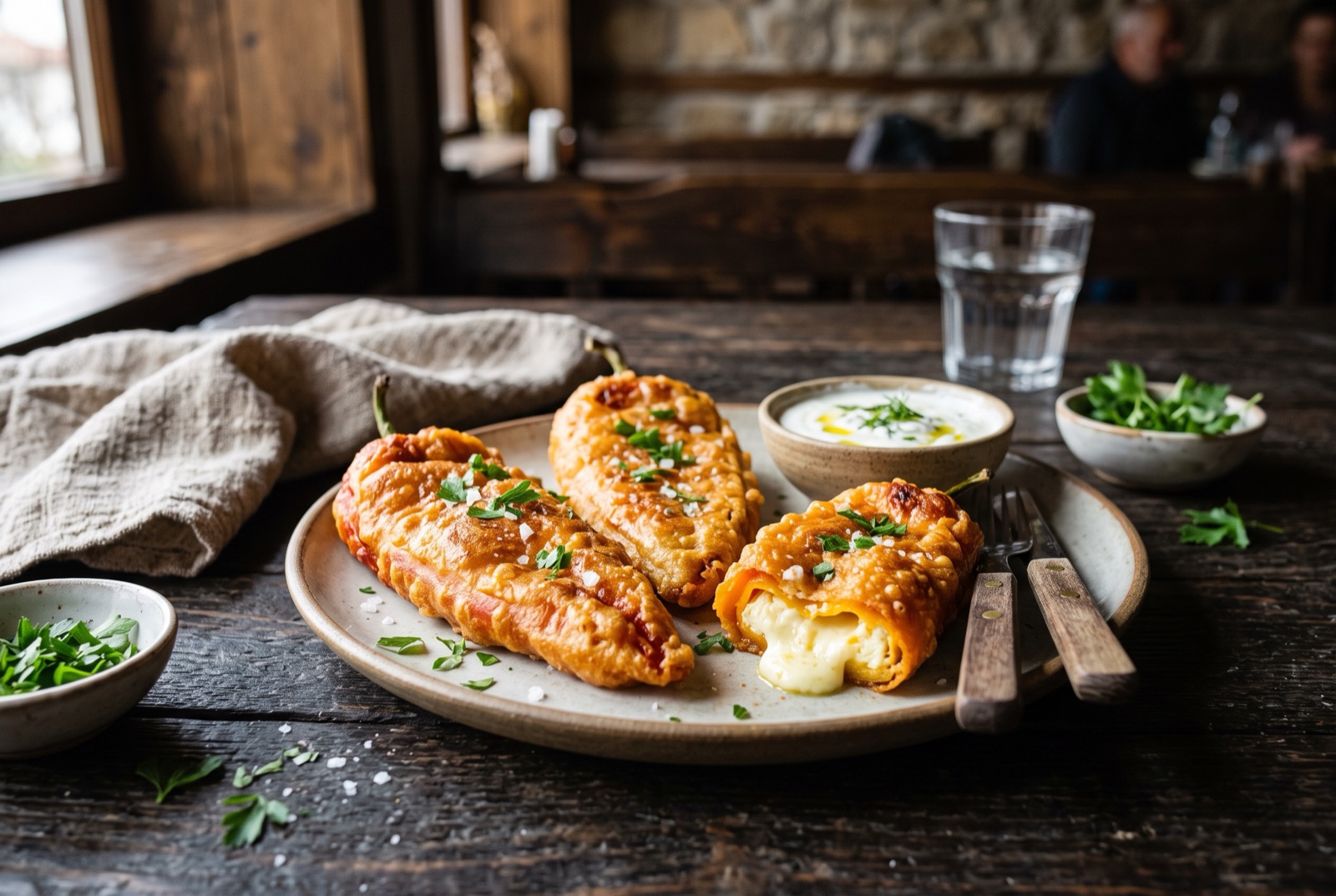
Bulgaria1 hr 25 min
Chushki Byurek
Bulgarian Cheese-Stuffed Fried Peppers
Bulgaria10 hr 10 min
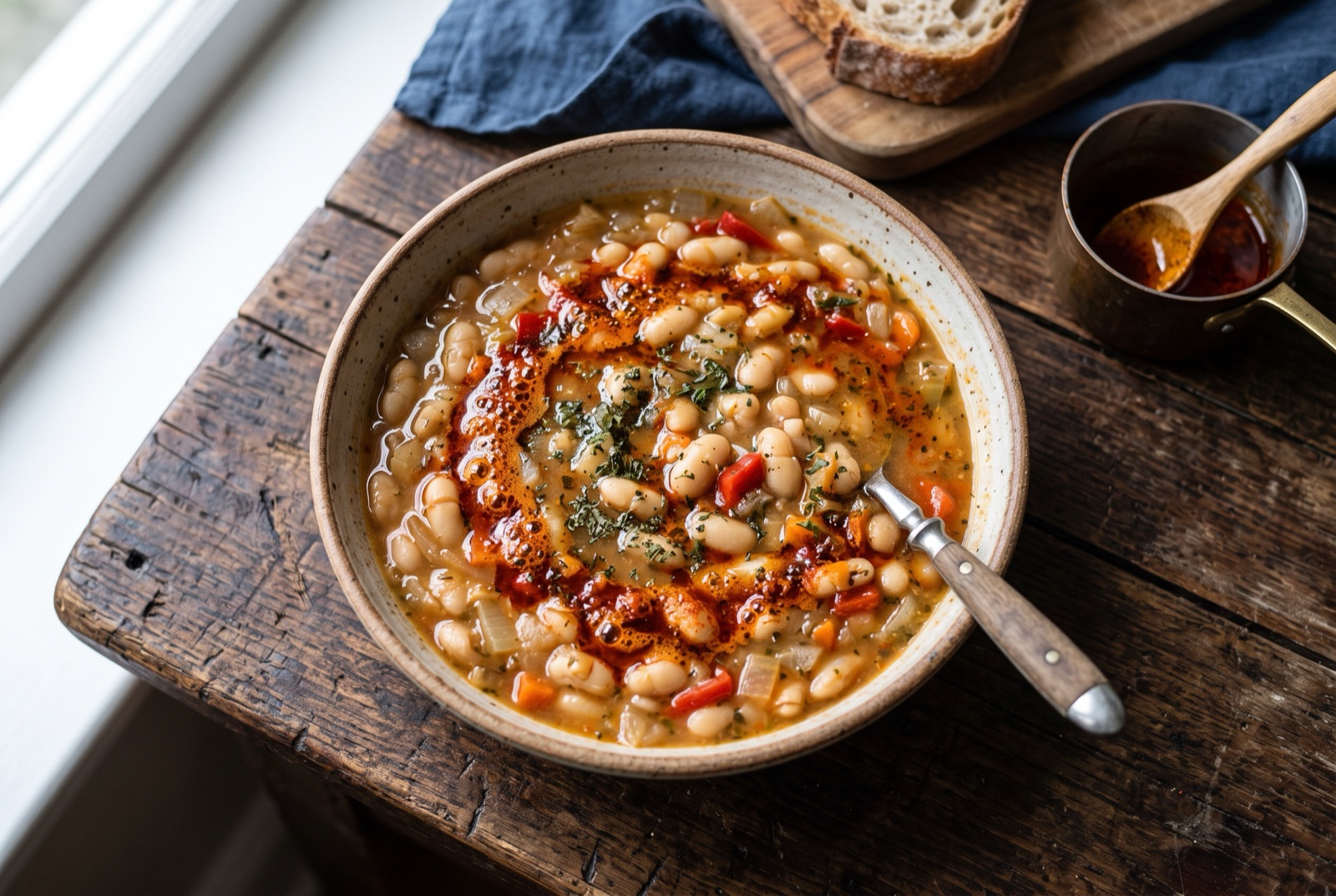
Bob Chorba
Bulgarian Bean Soup with Savory and Mint
Bulgaria2 hr 25 min
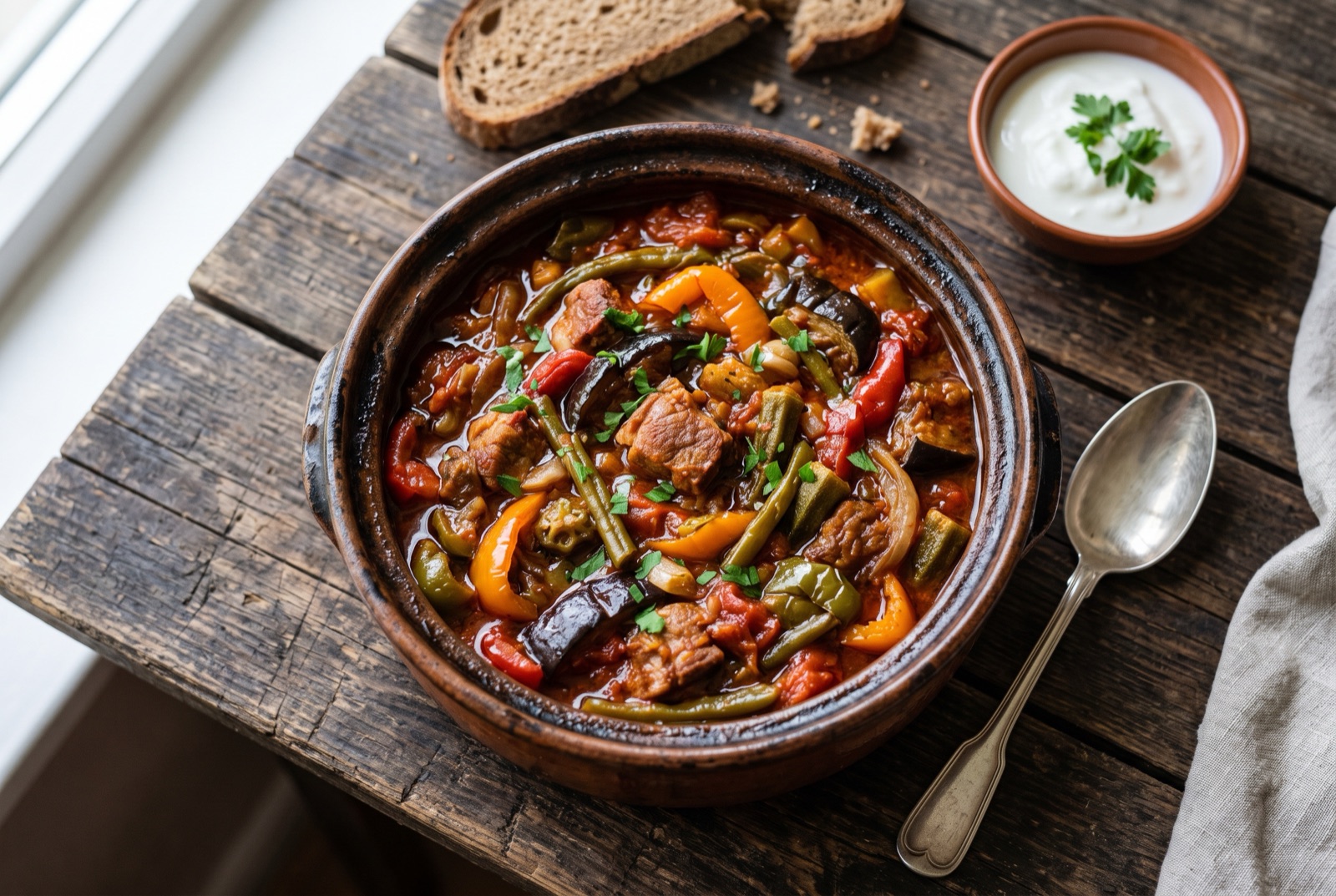
Gyuvech
Bulgarian Baked Vegetable and Pork Casserole
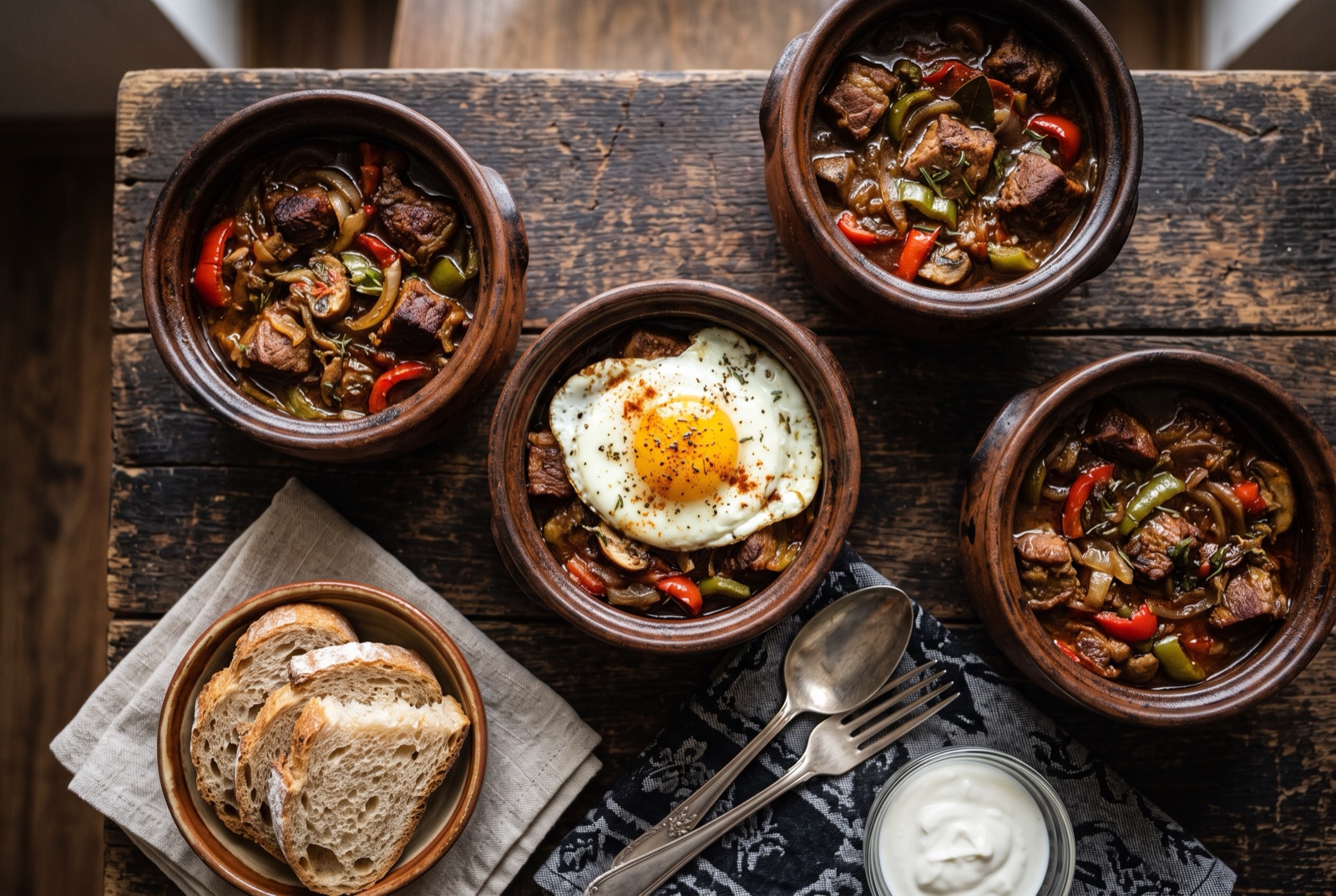
Bulgaria1 hr 45 min
Kavarma
Bulgarian Clay-Pot Pork and Pepper Stew
Keep exploring Bulgaria.
Bulgaria has 9 more dishes in the atlas — Banitsa and Bob Chorba, and 7 more.
All Bulgaria recipes Tomato recipes Cucumber recipes Feta recipes appetizersidevegetariangluten freeRecipe by The DishRoute Kitchen · published August 20, 2026 · updated August 20, 2026